REVIEW · GALLE
Galle Fort cooking class
Book on Viator →Operated by Angel Sanju · Bookable on Viator
Galle Fort curry lessons feel calm, not chaotic. In a small private setup in the back garden of a restaurant, you’ll learn traditional Sri Lankan curry methods, using spices sourced from a local spice shop, then you get to eat what you make.
I really like two things: the class is private (so your instructor can slow down and answer your questions), and you leave with a recipe book you can actually cook from later. One thing to plan for: you’ll make a lot of food, so come hungry, and since it’s held outside, good weather matters.
In This Review
- Key things to know before you go
- Cooking in the back garden of Galle Fort
- Meet Angel Sanju and get your spice level right
- The 90-minute rhythm: demo, hands-on prep, then curry stations
- Six Sri Lankan curries: what you’ll make and why it’s a smart setup
- Old traditional cooking methods: more technique than luck
- Eating in the restaurant: the best part, and a real warning
- What makes this class feel authentic (and not touristy)
- Price and value: why $30 can be a great deal in Galle
- Who should book this class (and who might skip)
- Should you book the Galle Fort cooking class?
- FAQ
- What is the meeting point for the Galle Fort cooking class?
- How long is the cooking class?
- Is this class private?
- What dishes will I cook?
- Do I get a recipe book to take home?
- Is the class held outdoors?
- What happens if the weather is poor?
Key things to know before you go
- Private class format means only your group takes part
- Six curries are taught, including a seafood dish
- Old traditional methods with spices and chopping during the session
- Recipe book included so you can recreate the flavors at home
- You eat what you cook, as part of the experience
- Outdoor garden setting makes timing feel relaxed, but weather matters
Cooking in the back garden of Galle Fort
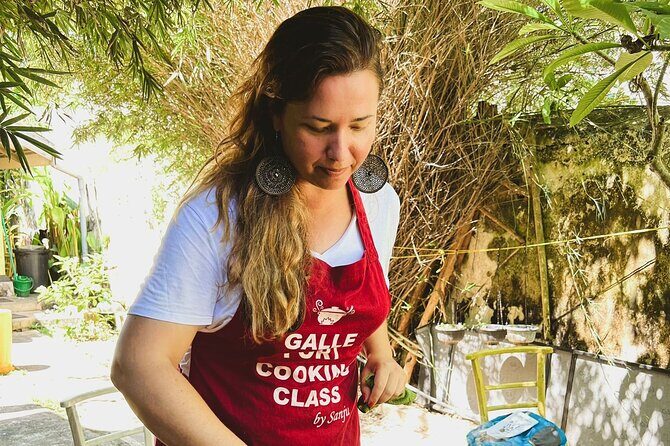
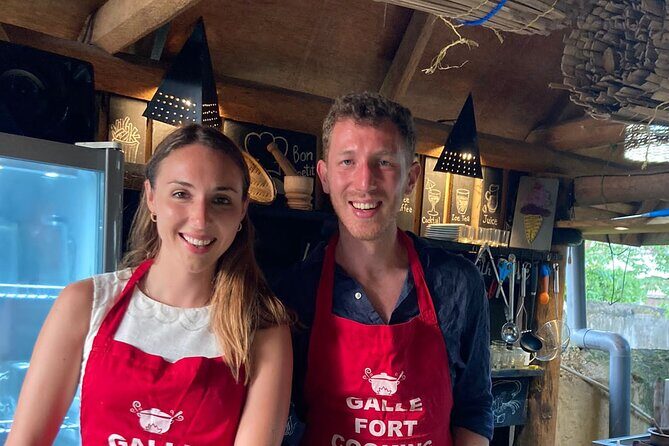
This is a hands-on cooking class in Galle Fort, a fun part of town to explore before or after. The lesson itself happens in the back garden of a restaurant, which keeps it casual and real instead of a staged studio vibe.
The format is a cooking demo plus active participation. You’re not just watching someone else work. You’ll join in with tasks like spice work and vegetable prep, then follow along as different curry dishes come together. It’s about learning how Sri Lankan home-style curry gets built, not memorizing one recipe.
Because it’s private, the pace fits your group. If you want to understand something—how spices are used, why certain steps come first—your instructor can adjust on the spot.
Other Galle tours we've reviewed in Galle


Meet Angel Sanju and get your spice level right
Your instructor is Angel Sanju. The vibe is friendly and patient, and you can tell she expects real people to participate, not only experienced cooks.
One detail I found especially useful is that you can adjust the spice level to your comfort. That’s a big deal in curry cooking, because heat often overwhelms beginners. Being able to set your preferred level helps you focus on flavor first.
Also, you’re learning with local context. The class uses spices from a nearby spice shop, run by Sanju’s family (including her husband, who operates the shop). That matters because you’re not just cooking with random packets—you’re working with the flavors Sri Lanka actually sells.
The 90-minute rhythm: demo, hands-on prep, then curry stations
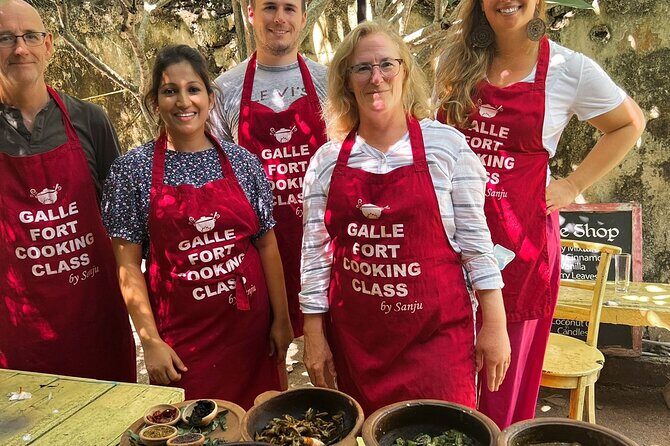
The total time is about 1 hour 30 minutes. In practice, that’s a sweet spot for food learning. Long enough to make real dishes, short enough that you don’t end up standing around forever.
Here’s how the rhythm typically feels:
- First, you get the overview of what’s coming, including the theme: Sri Lankan healthy curries using traditional methods.
- Then you jump into the hands-on work—chopping vegetables, handling spices, and helping with prep.
- After that, you follow along as the curries cook and you get a chance to understand the process as it unfolds.
- When everything is ready, you eat in the restaurant with the meal you cooked.
This structure is why the class works for different skill levels. You’ll do real cooking tasks, but the lesson stays manageable.
Six Sri Lankan curries: what you’ll make and why it’s a smart setup
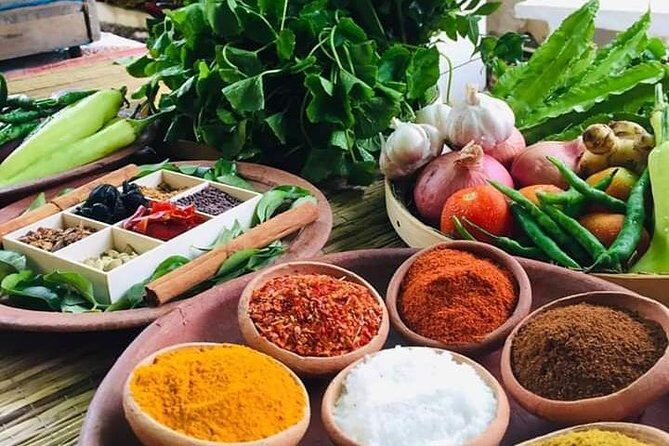
You’ll cook six different curries. One of them is a seafood dish, and the others include a mix of vegetarian and vegetable-based options. Reviews repeatedly point to dishes like prawn curry and pumpkin curry, which fits the general idea of the class: curries that feel varied, but still grounded in Sri Lankan flavors.
Why I like this approach: it gives you more than one “success.” If you only learn one curry, you can miss the bigger picture—how Sri Lankan curry is built from spice choices, timing, and technique. Six curries show you patterns you can reuse later.
A useful thing to pay attention to is how spices and ingredients behave differently across curries:
- Seafood curries tend to balance richer spice with timing so the flavor doesn’t turn harsh.
- Vegetable curries can highlight sweetness or earthiness (like pumpkin), which changes how you perceive the spice.
And since the class is taught as a traditional style, you’ll learn the “why” behind steps—how ingredients get combined, and what to expect as curries reduce and thicken.
Old traditional cooking methods: more technique than luck
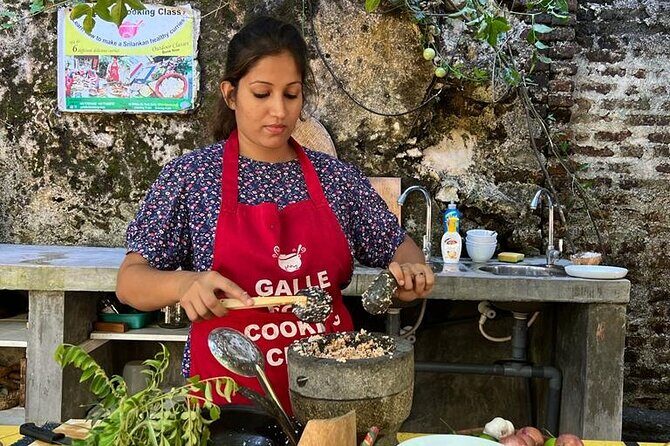
This class focuses on the old traditional way of cooking, not shortcuts. That shows up in the way you’re taught: spices get used deliberately, prep tasks are part of the process, and curry building happens in steps rather than a single dump-and-stir moment.
Traditional methods matter because they help you learn practical habits you can carry home:
- Respect the order of steps, so aromatics and spices taste layered instead of flat.
- Watch how curry thickens, because texture changes the final flavor.
- Learn what “healthy curry” means in this style—often more vegetables and balanced spice, rather than heavy sauces.
If you’ve ever cooked a curry at home and wondered why it tastes different from restaurant versions, this is the kind of class that helps you troubleshoot. You’ll likely start noticing which parts of curry flavor come from spice handling versus cooking time versus ingredient balance.
Other Sri Lankan cooking classes we've reviewed in Galle

Eating in the restaurant: the best part, and a real warning
After the cooking, you eat the dishes you made. That’s not just a nice extra. It’s part of the learning.
Cooking teaches you the process, but tasting teaches you the payoff:
- You can compare what the curries taste like side by side.
- You’ll understand how spice level choices actually land on your palate.
- You’ll see how the meal works with basic accompaniments—rice is specifically mentioned.
And yes, there’s a practical warning: you get a large quantity of food. Go in ready to eat, not “I’ll just taste one curry.” You’ll get enough that you may be tempted to try everything, which is kind of the point.
What makes this class feel authentic (and not touristy)
This experience hits authentic vibes in a few clear ways:
- The class is held in a back garden setting, not a formal classroom.
- You work with local spices from the spice shop tied to the instructor.
- It’s built around Sri Lankan curry fundamentals, including seafood and vegetarian variety.
The private format also avoids the big-group problem where half the people can’t hear or can’t participate. With a smaller group, the learning feels personal.
And because you’re not just watching someone cook, you’re more likely to remember the key steps. Curry-making is tactile—hands, knives, heat, and timing—and this class gives you those touch points.
Price and value: why $30 can be a great deal in Galle
The price is $30 for about 1 hour 30 minutes. At first glance, cooking classes can look expensive in many places. Here, the value comes from four things you actually receive:
- Private attention, so you get real instruction instead of standing behind a crowd
- Six curry dishes, including a seafood option and multiple vegetarian choices
- A recipe book to take home (so you’re not just paying for one night)
- Food included, since you eat what you cook
When you combine instruction + multiple dishes + eating the meal, $30 starts to make sense. It’s also not a long “tour bus” day, so you’re paying for focused time, not transportation and waiting.
If you’re only in Galle for a short stay, this also fits neatly into your schedule. It’s a high-impact activity without swallowing your whole day.
Who should book this class (and who might skip)
This cooking class is a great fit if you:
- Want hands-on learning rather than a short tasting only
- Like Sri Lankan cuisine and want practical curry skills
- Prefer a private class where questions are actually welcome
- Are traveling with kids, because the format is interactive and designed for participation
It might be less ideal if you:
- Are very sensitive to spice and don’t feel comfortable adjusting spice level during cooking
- Hate outdoor settings (the class requires good weather)
- Prefer very light meals or you don’t want to eat a big quantity after cooking
Overall, it’s one of those activities that feels “worth the money” because you’re leaving with both skills and food.
Should you book the Galle Fort cooking class?
Book it if you want a real curry lesson with six dishes, a patient instructor, and a meal you can eat right away. The private setup with Angel Sanju is a strong reason to choose this over a larger group class.
Skip it only if outdoor weather is a deal-breaker for you, or if you truly can’t handle cooking with a spice-based focus. Otherwise, this is a practical, fun way to understand Sri Lankan cooking basics—then take the method home with you via the recipe book.
FAQ
What is the meeting point for the Galle Fort cooking class?
The start point is at 34 Middle St, Galle 80000, Sri Lanka, labeled as Galle Fort cooking class. The activity ends back at the same meeting point.
How long is the cooking class?
It runs for about 1 hour 30 minutes (approx.).
Is this class private?
Yes. It’s listed as a private tour/activity, meaning only your group participates.
What dishes will I cook?
The class includes cooking six Sri Lankan curries, including one seafood dish, along with other curry dishes.
Do I get a recipe book to take home?
Yes. The experience includes a free recipe book you can take home.
Is the class held outdoors?
Yes. It’s held in the back garden of a restaurant, and the experience requires good weather.
What happens if the weather is poor?
If the experience is canceled due to poor weather, you’ll be offered a different date or a full refund.