REVIEW · GALLE
Galle Fort Heritage Walk by a Certified Heritage Interpreter
Book on Viator →Operated by Galle Fort Heritage Walk by a Certified Heritage Interpreter. · Bookable on Viator
Galle Fort clicks on a guided walk. This heritage walk in Galle is built for people who want more than photos and plaques, with a Certified Heritage Interpreter who helps you connect the dots. You’ll follow a set route through the fort area’s key sites, with time to ask questions as you go, plus special access to places most visitors miss because they’re tucked away.
I like two things a lot: I love how the guide keeps the story focused on what you’re standing in front of, and I love that you get special access that you can’t reliably DIY. One possible drawback: it’s a brisk, landmark-focused walk (about 2 hours to 2 hours 20 minutes), so if you want long, slow photo stops or lots of wandering time, you may feel a bit rushed.
In This Review
- Quick hits before you go
- Why Galle Fort makes more sense with a heritage interpreter
- The 2-hour route: what stays efficient (and what needs patience)
- Stop 1: Black Fort and the trading hub behind the walls
- Stop 2: Galle Fort Lighthouse and the “burned down” backstory
- Stop 3: Old Town of Galle and the fortifications, including Queen Victoria’s palace
- Stop 4: Dutch Reformed Church and the 50-year construction puzzle
- Stop 5: Galle Fort Clock Tower, UNESCO status, and the key port role
- Stop 6: Galle Dutch Fort layout—and access to the gunpowder magazine
- Stop 7: Courts Square and export stories—goods, gems, herbs
- Price and value: what you pay (and why it can be worth $45)
- What it feels like with guides like Yasiru and Epsa
- Practical tips so the walk feels easy, not rushed
- Who should book this Galle Fort heritage walk
- Should you book it? My decision guide
- FAQ
- How long is the Galle Fort Heritage Walk?
- Is this tour private?
- What does the tour cost?
- What’s included in the ticket price?
- Are admission tickets included for the stops?
- Do I need private transportation?
- Is there a mobile ticket?
- Are service animals allowed?
- Can I cancel for a full refund?
Quick hits before you go
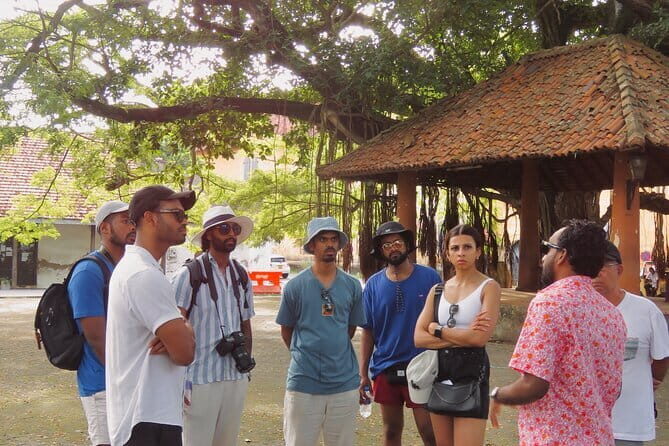
- Certified heritage interpreter: you’re not just hearing facts, you’re getting context you can use while you walk.
- Private group experience: it’s only your group, so questions don’t get lost in the shuffle.
- Hidden fort access: entry includes time to see the gunpowder magazine area that many visitors never reach.
- Landmark sequence that builds a timeline: Black Fort to lighthouse to churches to UNESCO clock tower to Dutch Fort layout.
- No shopping detours: guides like Yasiru and Epsa are praised for keeping the route on history, not side errands.
Why Galle Fort makes more sense with a heritage interpreter

Galle Fort is UNESCO on paper, but it’s much more than a World Heritage label when someone explains what you’re seeing. The walls, towers, churches, and fort quarters all make sense when you understand how the port functioned—who used it, what got traded, and how different rulers left their marks.
This walk is designed around that idea: you’ll cover the big names of the fort district without spending your day trapped inside museums. The best part is the teaching style. A certified heritage interpreter doesn’t just read off dates. They connect the physical places to the bigger story of colonial-era trade, defense, and community planning inside the fort walls.
Also, you’re not locked into a one-way lecture. You can freely ask questions. That matters in places like Galle Fort, where the details are layered—Portuguese/Dutch/British-era influences overlap in the same streets and buildings.
Other Galle tours we've reviewed in Galle


The 2-hour route: what stays efficient (and what needs patience)

Plan for a walking experience that moves. Expect roughly 2 hours to 2 hours 20 minutes, which means you’ll hit several sites rather than lingering at just one. The upside is momentum: by the end, you can picture how the fort operated as a system, not a set of isolated attractions.
The downside is simple: if you want to spend 40 minutes alone staring at one doorway, this won’t be the best fit. Instead, treat it like a guided “orientation + story session” that gives you a base for later independent exploring.
The tour is private for your group only, so you won’t have the usual problem of other people slowing the pace or derailing questions. If you’re traveling with family or friends, that private setup also helps you tailor attention—more questions about trade? more time on the church timeline? The guides credited in reviews (like Yasiru and Epsa) are repeatedly praised for being patient and for answering questions without rushing you along.
Stop 1: Black Fort and the trading hub behind the walls
Your walk starts at Black Fort, where the story shifts from scenery to shipping and commerce. This is where the fort’s role as a trading engine comes into focus—tales of Asia’s largest trading hub during the colonial era, and how goods, cultures, and ideas moved through this area.
What I like about this first stop is that it gives you a framework right away. Once you understand that Galle Fort wasn’t just a fortress, you start seeing everyday logic everywhere: why certain buildings mattered, why security and access were tied to trade, and why the fort’s geography wasn’t random.
A consideration: because the story here is broader, you’ll get more out of it if you’re willing to ask a question early. If you’re the type who wants a clear timeline, tell the guide what you’re most curious about—then anchor the rest of the tour to that.
Stop 2: Galle Fort Lighthouse and the “burned down” backstory

Next is the Galle Fort Lighthouse, and the tone gets dramatic fast. You’ll hear the true story of how Asia’s first lighthouse was tragically burned down.
This is one of those stops where a guided explanation turns a simple structure into a narrative about risk, navigation, and how fragile port life could be. Lighthouses sound like pure function, but during conflicts and power shifts they become symbols—and targets—because they affect movement at sea.
If you’re the kind of traveler who enjoys cause-and-effect, ask how the lighthouse connected to the port’s history. It’s a good moment to connect the earlier trading story to the reality of shipping routes and maritime safety.
Stop 3: Old Town of Galle and the fortifications, including Queen Victoria’s palace

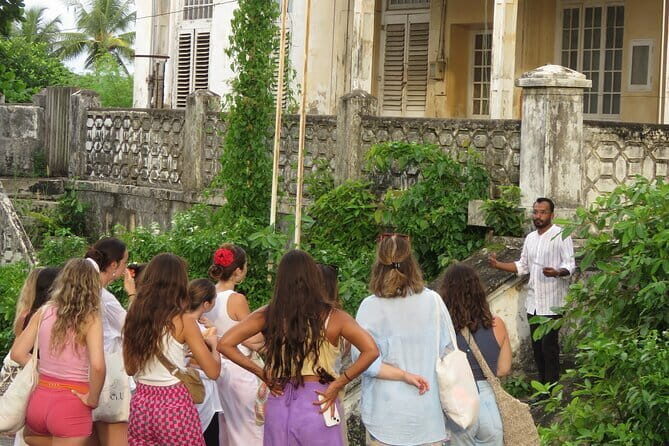
Then you head into the Old Town of Galle and its fortifications, where the walk gets more “neighborhood” and less “single monument.” Here, you’ll have the chance to explore Queen Victoria’s palace and understand the background behind it.
This stop is valuable because it helps you see the fort as a lived-in place. Fortifications weren’t just about stopping enemies. They also shaped where authority, administration, and daily life could function safely.
A small practical thought: this part can feel like you’re moving through a maze of sights that are all close together. That’s exactly why a guide helps. Without context, you might recognize names but miss what they meant. With context, you start noticing patterns—who built what, and why those choices fit the fort’s role.
Other Galle Fort walking tours we've reviewed in Galle





Stop 4: Dutch Reformed Church and the 50-year construction puzzle

The Dutch Reformed Church is next, and the big detail is time: you’ll hear why its construction took over 50 years to complete.
That kind of fact can be forgettable if it’s dropped without explanation. On this walk, the point is to make you understand the “why” behind the delay—how long projects unfold in real communities, and how resources, leadership, and priorities affect what eventually gets built.
I appreciate this stop because it shifts from maritime trade to faith and civic identity. Churches inside forts weren’t just spiritual centers; they were part of how power expressed itself locally.
If your group includes history buffs, this is also a good place to ask follow-up questions. The more you ask, the more your brain will connect the church’s timeline to broader colonial-era change.
Stop 5: Galle Fort Clock Tower, UNESCO status, and the key port role

The Galle Fort Clock Tower is where the UNESCO conversation becomes practical, not abstract. You’ll learn the reasons the fortress was designated a UNESCO World Heritage Site and why this port served as a key hub during the colonial era.
This stop works well as a “wrap” for the big picture. Earlier stops explained trade, the lighthouse, and religious/civic structures. Here, you get the connective tissue: how the fort’s layout, defenses, and built environment fit into what UNESCO protects.
My tip: if you care about interpretation, ask the guide how the tower relates to the port’s daily rhythms. A clock tower can feel like an ornament until you tie it to timekeeping, movement, and administration.
Stop 6: Galle Dutch Fort layout—and access to the gunpowder magazine

Then comes Galle Dutch Fort, including the planning behind this small village inside the fortress and the purpose behind each street.
This is a favorite stop for a reason. Street planning sounds boring until you realize it answers a question: how did people live safely inside walls, and how did the fort’s defense needs shape everyday movement? When you understand that, even walking from corner to corner feels intentional.
Here’s also where the “special access” becomes real value for your money. Your entry includes access to see the hidden gun powder magazine, plus included entry to a private museum. You don’t just get to look at the fort—you get to step into parts of the story that many visitors never see.
One thing to note: the walk includes several admission entries, so wear comfortable shoes and stay mentally ready for short bursts of standing, reading, and listening. It’s not a sit-down museum day. It’s a “moving lesson.”
Stop 7: Courts Square and export stories—goods, gems, herbs
Finally, you’ll reach Courts Square – Galle, where the talk turns to what left Sri Lanka in large quantities. You’ll hear export stories involving goods, gems, and herbs, and how that output fed the port’s importance.
This closing stop matters because it completes the loop. Earlier, you learned about trade as a system inside Galle Fort. Here, you learn about the outcomes: what people shipped, what made the port worth defending, and how wealth and activity flowed through the area.
If you want to remember the big themes, this is a good place to ask: which part of the story changed the most over time? Then you’ll leave with a clearer “before and after” in your head, not just a list of stops.
Price and value: what you pay (and why it can be worth $45)
At $45 per person, this walk isn’t free. But you’re also not paying only for a guide and a walk around the walls.
What you get that justifies the price:
- A licensed guide who is a Certified Heritage Interpreter
- All fees and taxes
- Entry included for a private museum
- Admission included for the stops on the route
- Access to see the hidden gunpowder magazine
- A mobile ticket
Here’s the value logic I like: if you were to DIY this, you’d likely pay entry fees anyway. The big difference is how the interpreter organizes your understanding. You’re buying time saved and context added. That’s hard to measure, but it shows up in your head the moment you start recognizing patterns across buildings.
Also, the private setup matters. If you want questions answered properly, paying for a smaller, quieter experience often beats joining a larger group where your questions can’t land.
What it feels like with guides like Yasiru and Epsa
One of the clearest takeaways from guide praise is not just “good info.” It’s the way the tour stays respectful of your curiosity.
Guides such as Yasiru and Epsa have been credited with answering lots of questions, staying patient, and keeping the walk unhurried. Another recurring compliment: the guide doesn’t turn the experience into a mini shopping run. That keeps your attention where it belongs—on the fort.
I also like that reviews highlight the interaction style. If you enjoy history, you can ask follow-ups. If you’re less history-focused, you can still get the essential story without feeling overwhelmed.
Practical tips so the walk feels easy, not rushed
- Wear shoes you can walk in for about two hours without fuss. Fort streets can be uneven.
- Bring water. Even short tours can add up in the sun.
- Come with one question you already care about: trade, churches, UNESCO, or Dutch fort planning. Your guide can steer the answers to your interests.
- If your group is photo-heavy, plan on quick shots at each stop and longer photos after the tour, when you’ll understand what to photograph.
Since the tour is near public transportation and private transportation isn’t included, plan your route ahead of time so you don’t spend precious tour minutes figuring out logistics.
Who should book this Galle Fort heritage walk
This is a strong choice if:
- you want a guided history tour that focuses on landmarks you can see outdoors
- you care about UNESCO context and colonial-era trade stories
- you like asking questions and want answers tied to what you’re standing beside
- you want special access like the hidden gunpowder magazine and a private museum entry
It’s not the best choice if:
- you need a very slow walking pace or long free time at each site
- you only want to browse independently without any interpretive time
If you’re on a short visit to Galle and want the fort to make sense fast, this is one of the most efficient ways to do that.
Should you book it? My decision guide
Book it if your main goal is understanding Galle Fort—not just seeing it. The mix of major landmarks, UNESCO framing, and included access (private museum and the hidden gunpowder magazine) makes the price easier to swallow than a basic walk.
Skip it if you’re the type who prefers total freedom and doesn’t want your day structured around a fixed route. The tour is efficient, not leisurely. If that sounds right for you, you’ll probably leave with the fort’s story clicking into place.
FAQ
How long is the Galle Fort Heritage Walk?
It runs about 2 hours to 2 hours 20 minutes.
Is this tour private?
Yes. It’s a private tour/activity, and only your group participates.
What does the tour cost?
The price is $45.00 per person.
What’s included in the ticket price?
All fees and taxes are included, along with a licensed guide, entry to a private museum, and access to see the hidden gun powder magazine.
Are admission tickets included for the stops?
Yes. Admission ticket entry is included for the listed stops on the route.
Do I need private transportation?
No. Private transportation is not included. The tour is near public transportation.
Is there a mobile ticket?
Yes, the tour uses a mobile ticket.
Are service animals allowed?
Service animals are allowed.
Can I cancel for a full refund?
Yes. You can cancel up to 24 hours in advance for a full refund, with local time cut-off rules.