REVIEW · GALLE
Whale Watching Mirissa with ( WWC )
Book on Viator →Operated by Whale Watching Club ( WWC ) · Bookable on Viator
Five a.m. really pays off at sea.
Whale Watching Club (WWC) runs an early Mirissa safari on a custom 60ft luxury catamaran called the Queen Whale, aiming to spot big marine life without the messy “chase and crowd” behavior. The big hook here is the real-world odds: dolphins are common and whales are possible, and WWC sets that expectation upfront.
What I like most is the practical comfort. WWC keeps group size down to just 45 passengers on a roomy catamaran, and it doesn’t feel like a cattle boat. I also like the onboard flow: tea and coffee right after boarding, breakfast while you’re still out at sea, then snacks and drinks during the search.
One consideration: you should book with the mindset that whales are not guaranteed. WWC’s own sighting situation is about 50% for whales and 90% for dolphins, so this is a dolphin-forward experience with a good chance at a rare whale moment.
In This Review
- Key highlights before you go
- Getting to WWC: the 6:00 am Mirissa start that sets the tone
- Queen Whale comfort: why 45 passengers changes the whole experience
- Captain Manoj and the ethical distance approach that actually helps
- Tea, breakfast, snacks, and the mid-tour sea-bath stop
- Whale and dolphin odds in Mirissa: what to expect realistically
- Seasickness on a catamaran: expect motion, plan for it
- Price and value: what $55 gets you in a 5-hour morning
- Who WWC fits best: families, first-timers, and marine-life lovers
- Should you book WWC for whale watching in Mirissa?
- FAQ
- What time does the whale watching tour start?
- How long is the tour on the water?
- What animals can I realistically expect to see?
- Is there swimming during the tour?
- Is the boat okay if I get seasick?
- What if the weather is bad or whales aren’t seen?
Key highlights before you go
- Small-group comfort (45 max) on a 60ft luxury catamaran
- Manoj’s long southern-sea experience at the helm (over 25 years sailing locally; 13 in whale watching)
- Dolphins are the sure thing (about 90%), whales are the bonus (about 50%)
- Ethical distance mindset: no whale chasing, follow natural behavior
- Food and a sea-bath stop: coffee/tea, breakfast, snacks, then a mid-tour swim break
- Help for rough-water moments: seasickness tablets are available onboard, and there’s a toilet on the boat
Getting to WWC: the 6:00 am Mirissa start that sets the tone
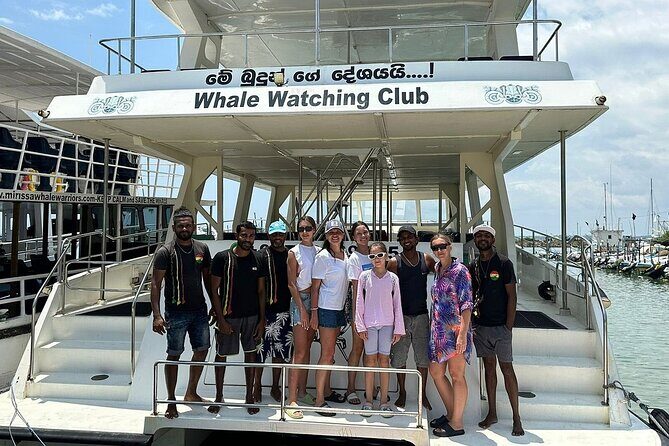
The tour starts at 6:00 am from Whale Watching Club, Harbour Road, Mirissa 81740. That early start matters more than most people think. In Mirissa, the ocean can change fast—wind, swell, and whale/dolphin movement can shift hour by hour—so leaving early helps you find calmer conditions and more active wildlife without spending the whole morning parked.
The meeting point is easy to locate and is described as near public transportation. WWC uses a mobile ticket, and you’ll get confirmation at booking time, which keeps things simple if you’re juggling a Sri Lanka itinerary.
Plan to arrive with enough time to get oriented before departure. You’ll be boarding at dawn, and the vibe on the boat tends to work best when everyone’s ready—especially if you’re prone to seasickness or you need a moment with staff before heading out.
Other Mirissa tours we've reviewed in Galle


Queen Whale comfort: why 45 passengers changes the whole experience
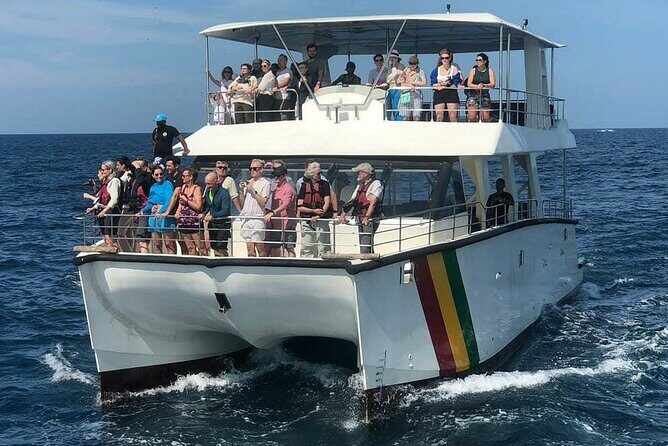
WWC’s main boat is the Queen Whale: a 60ft by 20ft luxury catamaran powered by twin Yamaha 385hp engines, cruising at about 13 knots. It can carry up to 150, but WWC limits the tour to 45 passengers for comfort and better viewing.
This “less crowded” choice is a big deal on the water. On many boat trips, the railing becomes a fight—people stepping on each other’s toes, cameras angled into shoulders, and everyone trying to spot the same tiny spout in open ocean. With a smaller group, you get more space to shift position, watch from both sides, and actually enjoy the ride instead of bracing for bumping elbows.
The boat also comes up in feedback as well kept and clean. You’ll also find onboard basics that make a difference on a 5-hour outing: a toilet is mentioned in reviews, and the crew runs a steady rhythm with food and drinks so you’re not stuck waiting for someone to figure out snacks while you’re scanning the horizon.
Captain Manoj and the ethical distance approach that actually helps
WWC is run as its own operation since 2013, and the captain is Manoj, with a long background sailing in Sri Lanka’s southern seas and working whale watching for 13 years. That matters because whale watching isn’t just luck—it’s timing, patience, and knowing how to keep things calm.
WWC’s stance is clear: they don’t do whale chasing. They follow natural behavior and avoid disturbing animals. That’s not a “nice idea” for marketing; it changes how the encounter feels. When a boat stays respectful, you often get longer, more natural surfacing and fewer frantic circling moments.
You’ll also notice WWC’s expectation setting. They’re transparent about what’s possible in Mirissa on a given morning. If whales show up, they aim to find them—but the goal is not to force whales into a tight performance. In fact, one theme in the feedback is that WWC respects the distance better than some other operators people have seen.
Tea, breakfast, snacks, and the mid-tour sea-bath stop
This trip is built like an early-morning mini-breakfast cruise, not a barebones “sit and stare” expedition.
Right after boarding, you can expect coffee and tea. Then breakfast comes while you’re still out sailing, followed by later snacks and drinks (including fruit and soda being mentioned). In practice, this timing helps because the morning on the water can feel chilly at first, then warm up once you’re moving and settled.
The centerpiece for many people is the sea-bath stop in the middle of the tour. WWC states you’ll stop for about 30 minutes for a sea bath, and you’ll need to bring the necessary clothes. This isn’t a “swim with wildlife” experience; it’s a break from scanning the horizon so you can feel the ocean up close.
A few people describe the swimming moment as shorter on their trip, roughly around 15 minutes, which suggests conditions can affect how long you get in the water. Either way, this is the kind of add-on that turns a whale-dolphin safari into a fuller morning outing.
Practical tip: if you plan to swim, bring a small towel and something to change into. If you don’t swim, you can still enjoy the moment from the boat—just keep an eye on instructions from the crew during the stop.
Whale and dolphin odds in Mirissa: what to expect realistically
Here’s the blunt, useful part: WWC’s own sighting situation is about 50% for whale sightings and about 90% for dolphin sightings. So you should book this for the dolphins first, and let whales be the special bonus.
That aligns with what many people say about the trip experience. Even on days without whales, dolphins often show up in big groups—spinning, jumping, and playing around the boat. That kind of action is honestly its own reward, because you’re watching marine animals use the water in ways that feel alive, not staged.
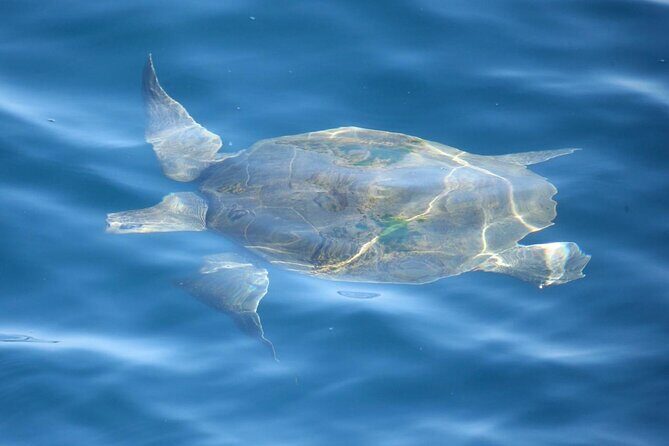
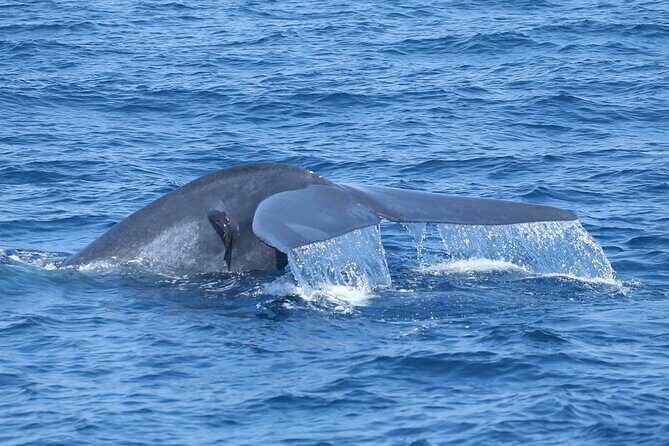
When whales do appear, you might see species mentioned in feedback such as fin whales, and on certain trips a rarer whale experience is described. Other marine life that can show up includes sea turtles, whale sharks, manta rays, flying fish, tuna leaping, and shark- and turtle-like surprises. None of that is guaranteed, but it’s a reminder that Mirissa mornings can throw more than one kind of wildlife at you.
One more reality check: if you want the highest odds of a “whales only” moment, no operator can promise that. WWC’s transparency is the point—you’re paying for a serious search and an ethical approach, not a fantasy guarantee.
Other whale watching tours we've reviewed in Galle
Seasickness on a catamaran: expect motion, plan for it
A catamaran is often sold as stable, and the Queen Whale sounds like a solid platform. Still, one clear caution from feedback: the boat can roll on the waves, and some people get seasick even when the trip is well run.
WWC helps by offering seasickness tablets for those who need them. That’s a big plus because it means you’re not stranded if your body reacts badly once you’re offshore.
My practical advice: if you’re even a little prone to motion sickness, take your own prevention plan early. Keep your eyes on the horizon when you can, sit where you feel the least movement, and don’t stack your breakfast too heavy right before departure. (Yes, they serve food—just don’t go into the morning with a full stomach of “I’ll be fine.”)
If you’re traveling with family, this matters. You’ll want at least a few people in your group prepared, because seasickness can dampen the whole mood even when the wildlife is fantastic.
Price and value: what $55 gets you in a 5-hour morning
WWC costs $55 per person and the tour runs about 5 hours. That price lands in a middle zone for Sri Lanka whale watching, and the value comes from three things:
First, the boat comfort. Limiting the group to 45 passengers on a luxury catamaran isn’t an extra perk; it affects how much you can actually enjoy the view.
Second, the onboard food and drinks. Coffee/tea at boarding, breakfast during sailing, and additional snacks and fruit means you’re not spending your morning hungry or paying extra once you’re already out at sea.
Third, the ethical handling of wildlife. The difference between “chasing” and “staying respectful” is not just moral—it changes animal behavior and often makes the whole encounter calmer. WWC positions itself as an operator focused on natural behavior, and the feedback supports that they keep better distance than some other boats people have encountered.
So is $55 worth it? For most people in Mirissa, it is if you want a real safari feel—early start, real food, smaller group, and a serious search—rather than a cheap ride with crowded viewing and zero comfort.
Who WWC fits best: families, first-timers, and marine-life lovers
This tour is a strong match if you:
- Want a dolphin-focused wildlife outing with a real chance at whales
- Prefer a smaller group and more comfortable boat layout
- Like tours that treat wildlife with care and avoid chaotic chasing
- Appreciate early starts and a well-fed morning plan
It’s also a smart choice for families who want structure: the boat has a toilet mentioned in feedback, the crew is attentive, and the experience includes a sea-bath break so the morning doesn’t feel like one long waiting game.
If your top priority is seeing whales no matter what, you’ll want to weigh that carefully. WWC’s whale odds are not 100%, and the tour is explicitly built around the reality of what the ocean gives you.
Should you book WWC for whale watching in Mirissa?
I’d book WWC if your travel style matches theirs: you want an ethical operator, a comfortable boat, real food and drinks, and the best shot at dolphins with whales as the bonus. The smaller group limit helps a lot, and the captain’s long local experience is a practical advantage in a place where conditions and sightings shift quickly.
I would think twice if:
- You’re very sensitive to motion and your plan for seasickness is shaky
- You need a guaranteed whale sighting to feel the trip was worth it
If you can handle the uncertainty that comes with ocean wildlife, this is the kind of morning cruise that can still be a win even when whales don’t show.
FAQ
What time does the whale watching tour start?
The tour starts at 6:00 am and returns to the same meeting point.
How long is the tour on the water?
It’s about 5 hours (approximately).
What animals can I realistically expect to see?
WWC reports about a 50% chance of whale sightings and about a 90% chance of dolphin sightings. Other marine life like sea turtles and whale sharks are mentioned in feedback.
Is there swimming during the tour?
Yes. WWC stops mid-tour for a sea-bath break of about 30 minutes. Bring the necessary clothes if you want to swim.
Is the boat okay if I get seasick?
There can be motion on the water, and some people do get seasick. WWC offers seasickness tablets onboard, and it’s wise to take your own precautions if you’re sensitive.
What if the weather is bad or whales aren’t seen?
The experience requires good weather. If it’s canceled due to poor weather, you’ll be offered a different date or a full refund. Whales aren’t guaranteed, but dolphins are much more likely based on WWC’s stated odds.