REVIEW · COLOMBO
Colombo: Private Tuk-Tuk City Tour with All Entry Fees
Book on GetYourGuide →Operated by Colombo Tuk Tuk City Tours · Bookable on GetYourGuide
Colombo can feel big and noisy fast. This private tuk-tuk tour is one way to get your bearings without burning the whole day.
I like how the route stitches together colonial-era buildings, major places of worship, and the street-life of Pettah. You also get handy extras like king coconut water and bottled water, plus a tea tasting that slows things down in a good way.
Two things I especially like: you’re not squeezing into a bus, and the tour bundles all parking fees and entry tickets for included stops. One drawback to consider: Lotus Tower and Gangaramaya Temple entry tickets aren’t included, so you may need to pay on arrival if you want to go inside.
In This Review
- Key moments worth timing your camera for
- A Four-Hour Tuk-Tuk Map of Colombo
- Price and value: why $23 can make sense
- Pickup and how the route keeps moving
- Clock Tower and Old Lighthouse: the Fort-first orientation
- Town Hall, Old Parliament, and the “civic Colombo” look
- Viharamahadvi Park and the break that resets your head
- The seafront at Independence and Galle Face Green
- Pettah Market: Red Mosque, kovils, and the art of looking
- Gangaramaya Temple stops: spiritual architecture with short guided time
- Colombo Port Maritime Museum: the scene switch that helps it stick
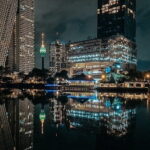
- Lotus Tower and the skyline moment
- Sri Kailawasanatan Swami Temple and Maradana view stops
- Tea tasting at Tea Triumph: the included cultural reset
- The optional precious-stone experience
- What the best guides seem to do right
- Who this tour is best for
- Should you book the Colombo private tuk-tuk tour?
- FAQ
- How long is the Colombo private tuk-tuk city tour?
- Is this tour private?
- What is included in the price?
- Are entry tickets included for Lotus Tower and Gangaramaya Temple?
- Where does pickup happen?
- What languages are available for the live guide?
- Is there an optional add-on during the tour?
Key moments worth timing your camera for
- Clock Tower and Old Lighthouse area: classic Fort views and the kind of angles that make Colombo feel instantly legible.
- Pettah Market: where you can watch everyday commerce in motion, plus stop for a food-market look.
- Port Maritime Museum: a great switch-up from temples and streets, with exhibits that put Colombo in a wider story.
- Galle Face Green seafront stretch: a simple breather when the city’s pace gets intense.
- Tea Triumph tasting stop: quick, practical, and actually part of the cultural rhythm.
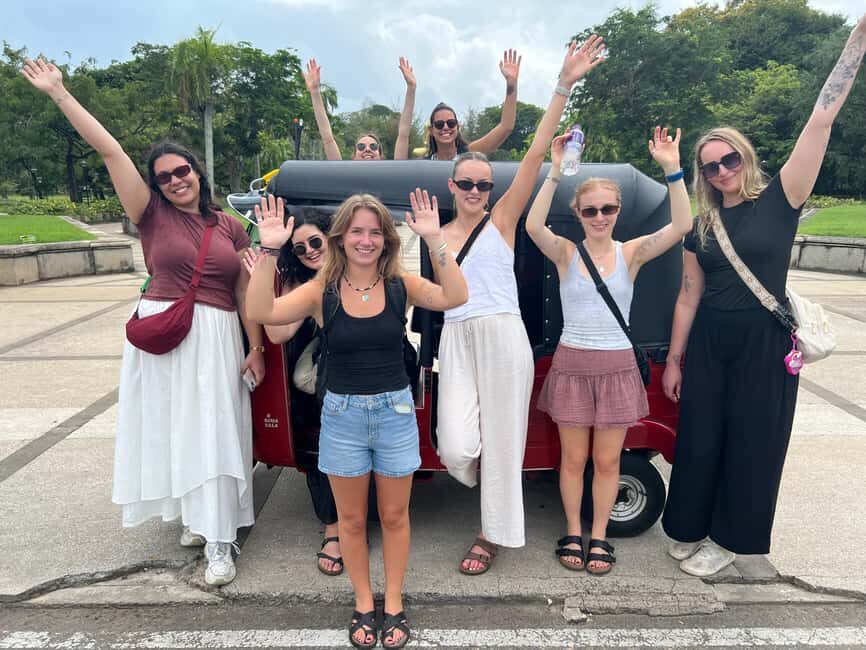
- Safety and photo help from your driver-guide: guides like Joseph, Upali, and Ranjith are specifically praised for careful driving and taking great pictures.
A Four-Hour Tuk-Tuk Map of Colombo
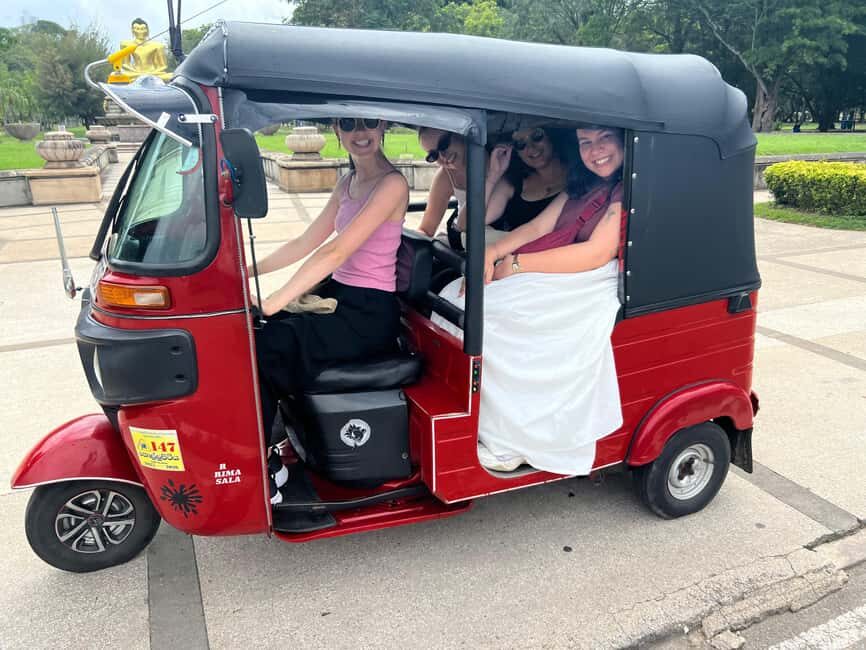
This is a city tour built for short attention spans and real-world traffic. You cover a lot of ground by tuk-tuk, but the pacing is designed around photo stops and short guided visits, not long lectures.
Colombo is a mix of layers. You’ll see British-style civic buildings like the Town Hall and Old Parliament, colonial links around the Clock Tower, and then you’ll shift toward places of worship and the dense market streets. The tuk-tuk is perfect for this kind of travel because you can stop quickly and you’re not stuck hunting for parking.
And yes, it’s private. That matters in Colombo, where a small routing change can save you time and headaches.
Other Colombo tours we've reviewed in Colombo

Price and value: why $23 can make sense
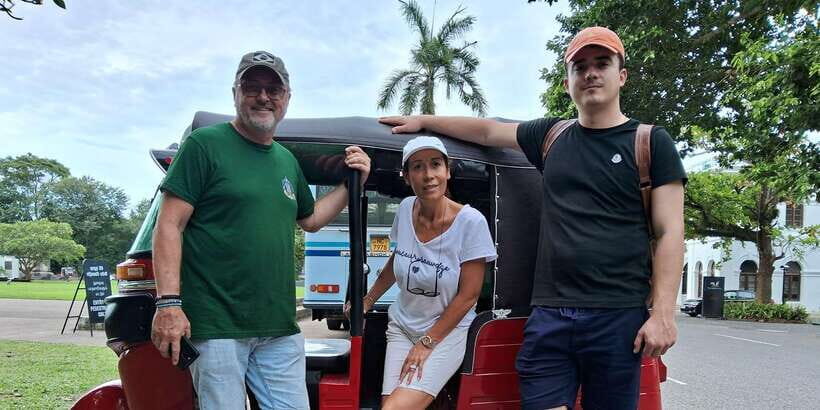
At about $23 per person for a private 4-hour tour, the big value isn’t just transport. The tour includes hotel pickup and drop-off across Colombo, a driver-guide, bottled water, king coconut water, traditional tea tasting, umbrella (if needed), and all parking fees plus entry tickets for the included sites.
The honest tradeoff is that some attractions you’ll pass by still require extra payment. Lotus Tower and Gangaramaya Temple tickets aren’t included. If you care about going up or getting inside those specific sites, factor that in before you treat the tour as fully all-in.
Even with that, the math often works out well if you want a guided route. It’s cheaper and smoother than you cobbling together rides plus separate admissions on your own, especially if it’s your first day in town.
Pickup and how the route keeps moving
You get hotel pickup and drop-off from anywhere in Colombo. If you’re arriving by cruise, the meeting point is at the Colombo Lighthouse area (you’ll be met with a nameboard near the port gate approach).
Why I like this structure: it prevents the most annoying part of city exploring, which is “where do we meet and how long does that waste?” Your driver-guide is the one handling the handoff.
The tour runs about 4 hours, with multiple short stops—some for photos, some for guided viewing. That means you’ll see more, but you won’t linger for long on any one site. If you want a museum-level deep visit, you’ll still need follow-up time on your own.
Clock Tower and Old Lighthouse: the Fort-first orientation
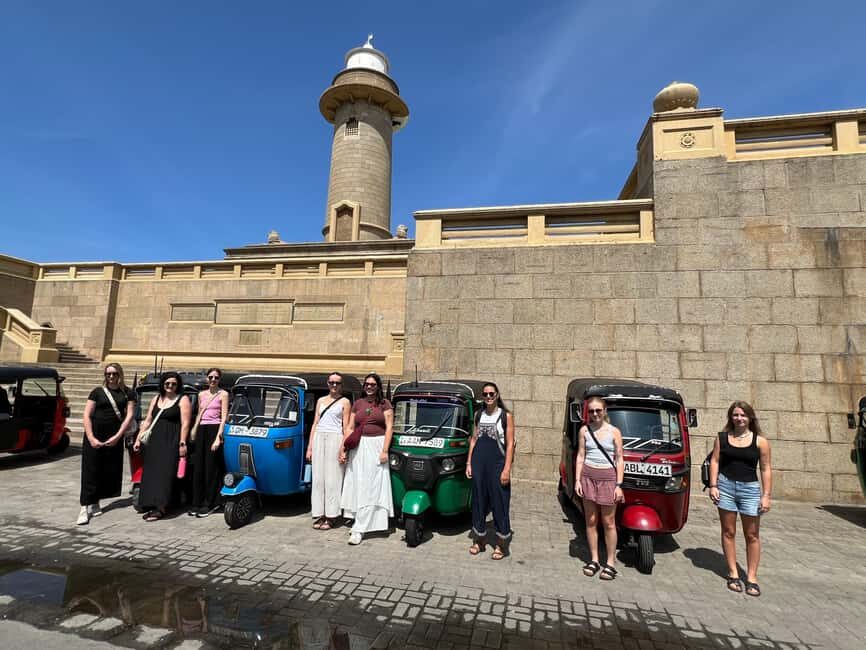
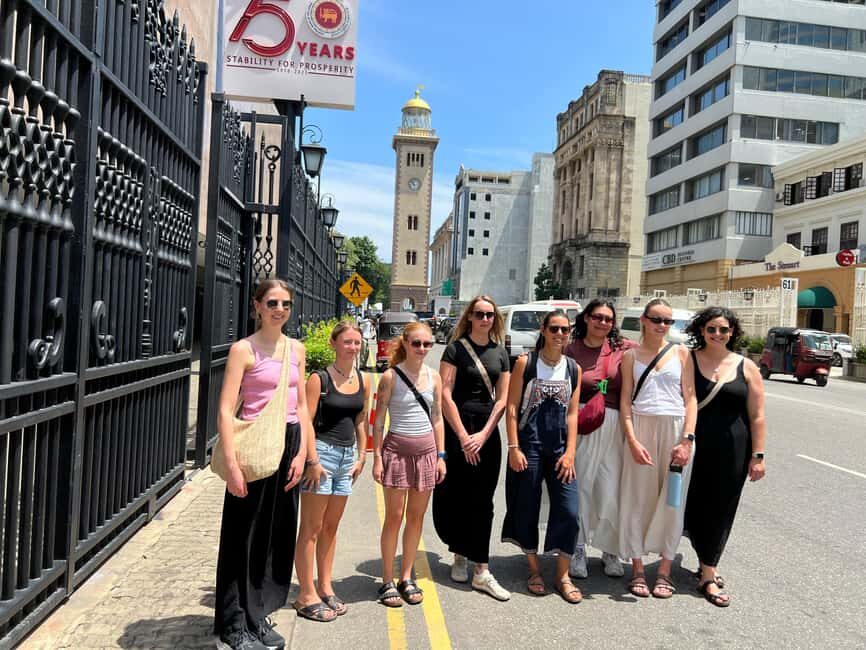
Many Colombo days start with the colonial core, and this tour follows that logic. You’ll spend time around the Colombo Fort old lighthouse and Clock Tower, including a guided visit-style stop that’s geared to giving you context quickly.
This is the section where Colombo starts to feel “mapped.” You see the scale of the Fort area, how civic power was expressed through architecture, and you get the best kind of orientation for later street wandering.
If you want photos, this is where you’ll stand still enough to get them. The lighthouse viewpoint is especially useful because it links the city to the water, even when traffic is pulling your attention elsewhere.
Town Hall, Old Parliament, and the “civic Colombo” look
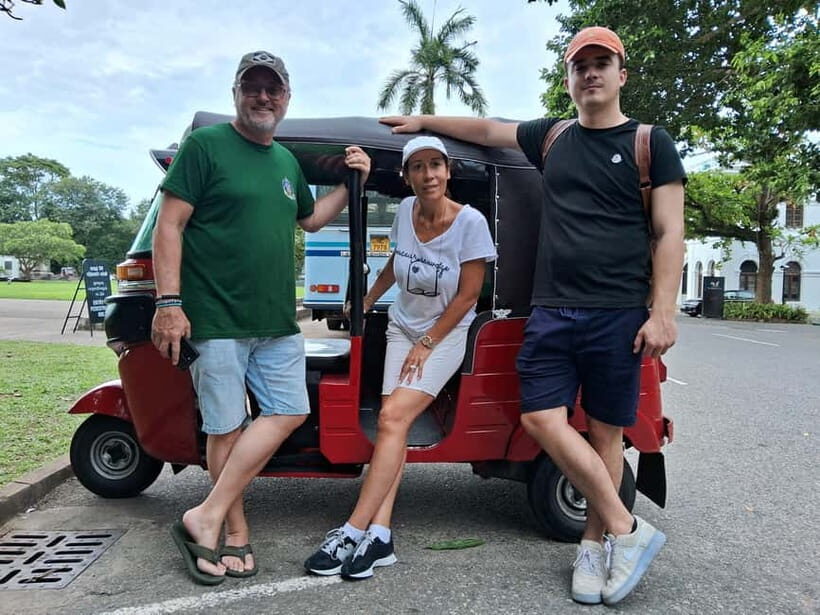
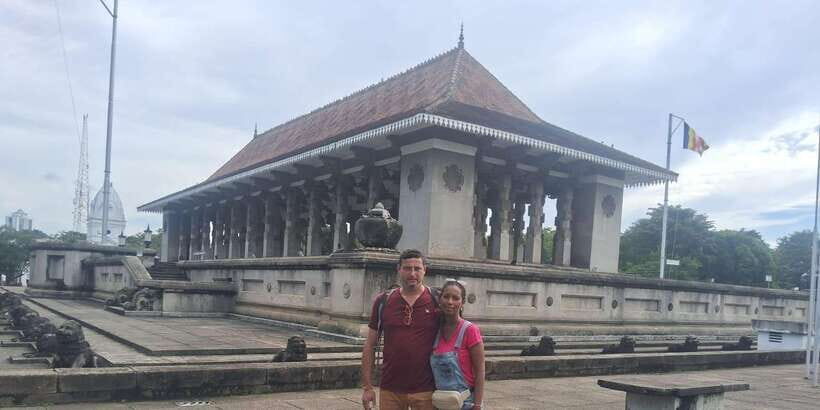
Next comes the civic buildings. You’ll be able to photograph and get guided context around places like the Old Parliament Building and Colombo Town Hall, plus stops that include the Independence Square area.
What you’re really doing here is learning how Colombo tells its story. The city mixes colonial-era government architecture with post-independence symbolism. So when you later see the same themes showing up in different neighborhoods, you’ll recognize them faster.
A small practical note: these stops are often brief. If you’re the type who loves reading inscriptions and standing in one spot for 20 minutes, you’ll want to plan an extra visit later. If you like seeing a lot quickly and moving on, you’ll fit right in.
Other tuk-tuk tours we've reviewed in Colombo
Viharamahadvi Park and the break that resets your head
You’ll also pass through Viharamahadvi Park with photo and guided sightseeing time. It’s not a “big attraction,” but it works as a reset button.
I like stops like this on city tours because they give your eyes a place to rest. Colombo can be hot and crowded, and a short green pause makes the rest of the day more comfortable.
The seafront at Independence and Galle Face Green
You’ll spend time around Independence Square, Colombo, then head to Galle Face Green along the coast.
Galle Face Green is a reliable mood-changer. You get a breeze, a longer view line, and the feeling that Colombo’s street life has a horizon. It’s a good spot to take a breather, refocus, and decide whether you want more markets later or more temples.
Timing-wise, this stop is ideal if you’re visiting on a day when heat is creeping up. Even a short coast walk makes the city feel less enclosed.
Pettah Market: Red Mosque, kovils, and the art of looking
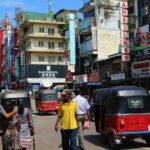
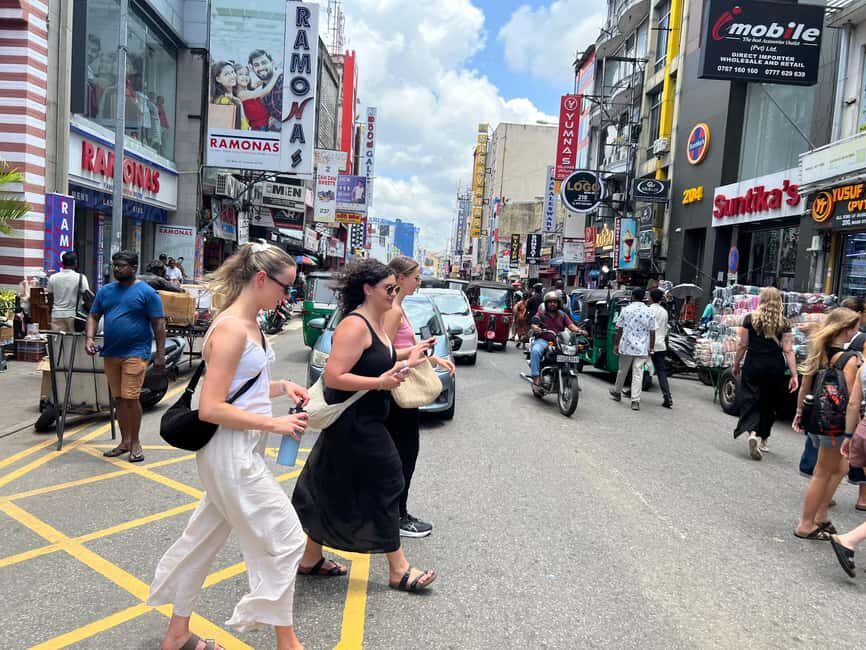
Pettah is where Colombo turns into a working city. You’ll visit the Pettah Floating Market area and later the Pettah Market itself, with guided time that’s specifically set up for seeing how people shop and move through tight streets.
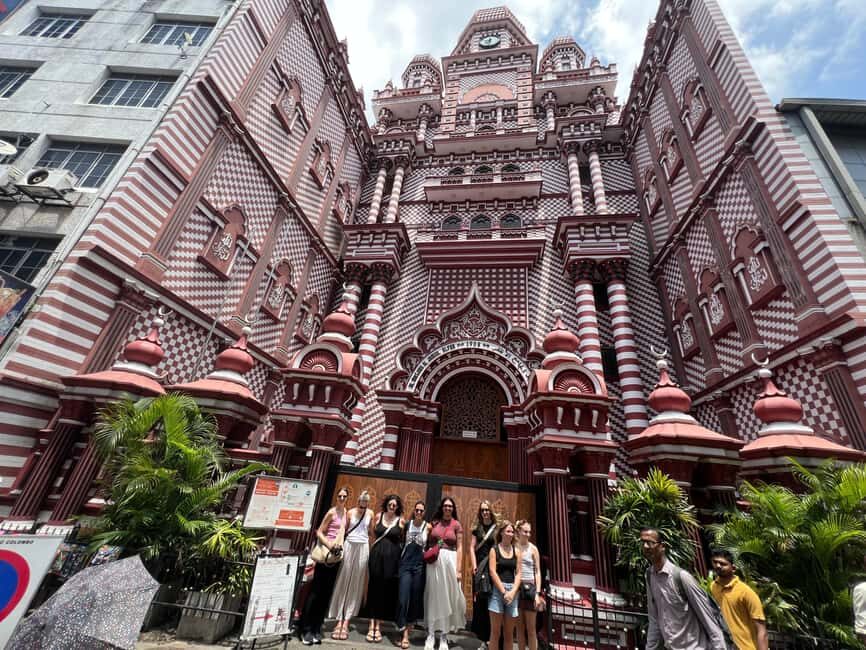
This section is also where the tour’s religious diversity becomes visible. You’ll encounter viewpoints connected to places like the Red Mosque (Jami Ul-Alfar Mosque area), Sri Ponnambalam Vanesar Kovil, and Wolfenden Church. Even if you’re not going inside every building, seeing these landmarks close together helps explain Colombo’s cultural mix.
Practical tip: wear sunglasses and keep your camera ready, but don’t rush. Pettah rewards slow observation. You’ll get more out of the stop if you look at what’s for sale, how vendors display goods, and how people navigate around each other.
Gangaramaya Temple stops: spiritual architecture with short guided time
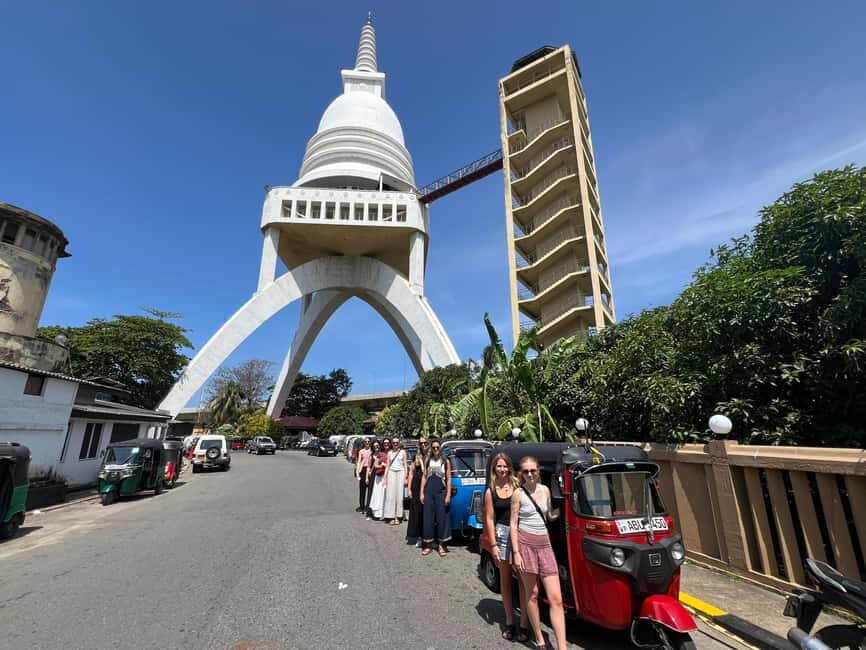
You’ll include Gangaramaya Temple plus a second stop connected to Gangarama Sima Malaka (photo and guided time).
One important detail: Gangaramaya Temple entry tickets aren’t included. That doesn’t mean you won’t get the temple experience. It just means your access inside may depend on what you choose to pay for at the site.
If you do enter, this is a great place for close-up “look at the details” moments: carvings, sacred objects, and the way the space is arranged for worship. If your main goal is photos and a quick overview, you’ll still get value from the guided viewing.
Colombo Port Maritime Museum: the scene switch that helps it stick
After markets and temples, the Colombo Port Maritime Museum is a smart change of pace. It’s one of those stops that adds structure to what you’ve seen—Colombo isn’t only temples and traffic. It’s also a port city with long trade connections.
You’ll have photo stop and guided visit time here, which is enough to feel like you learned something without turning the tour into a museum marathon.
Lotus Tower and the skyline moment
You’ll visit the Colombo Lotus Tower area for photo stop and guided sightseeing time.
Again, the key detail is the ticket situation: Lotus Tower entry tickets aren’t included. If going up is a must for you, plan to purchase separately on the day. If you mainly want views from outside and a guided orientation, you can still get a satisfying “skyline check” without paying for the tower access.
This is a good stop late in the tour because you’ve already seen the city’s layers. Now you can connect them visually.
Sri Kailawasanatan Swami Temple and Maradana view stops
You’ll include Sri Kailawasanatan Swami Temple for photo and guided time, plus a viewpoint stop at Maradana Railway View Point.
I like having at least one viewpoint on a short city tour. It forces the city to click into place. After temples, markets, and civic buildings, a higher angle helps you understand where everything sits relative to everything else.
Tea tasting at Tea Triumph: the included cultural reset
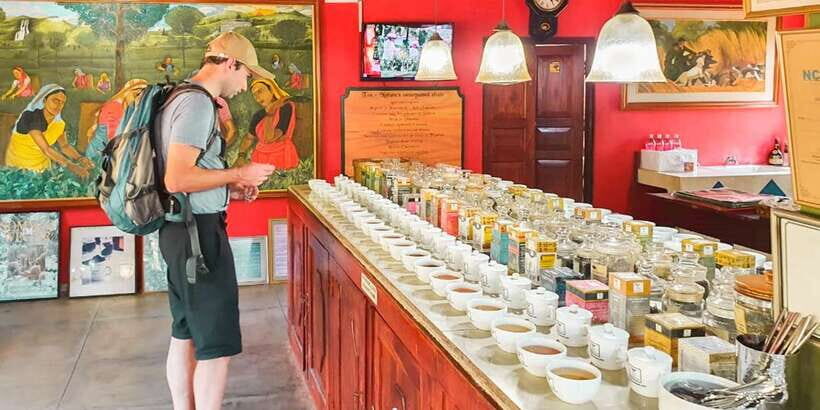
You’ll have a break time stop at Tea Triumph, with guided shopping time and a traditional tea tasting included.
This is one of the practical perks of the tour. You don’t just see ingredients or souvenirs; you taste something tied to everyday Sri Lankan life. Tea also helps you handle Colombo’s heat. Even a small pause changes the rest of your day.
If you’re picky about flavors, ask to try more than one type. Your driver-guide is there to help you navigate what’s being offered.
The optional precious-stone experience
There’s an optional stop sometimes offered as a Sri Lanka precious-stone experience, described as a traditional stones mine visit with heritage context.
If you’re into craftsmanship and want something different from architecture and markets, it can be a good add-on. If you’re short on time or not into shopping-style experiences, you can skip it and use that time to re-visit the places you liked most.
What the best guides seem to do right
From the strongest feedback patterns in recent tours, the standout isn’t just the itinerary. It’s the driver-guide.
Several guides are praised for:
- Safe, careful driving in Colombo traffic, with people highlighting routes and pacing (Upali is specifically mentioned for careful driving).
- Friendly, accommodating personalities, including guides like Badur and Shifan.
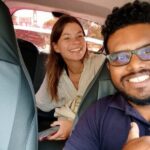
- Clear explanations and strong photo help, with guides such as Faizal, Ranjith, Joseph, and Akram noted for photos and guidance.
- Flexibility when you want extra time at a stop. Joseph is repeatedly described as tailoring the tour around what people asked for.
So if you book this, you’re not only buying a route. You’re buying someone to manage time, safety, and photos while keeping the day moving.
Who this tour is best for
This is a great fit if:
- You have a short stay in Colombo and want the essentials across Fort, seafront, and Pettah.
- You like a mix of architecture, worship sites, and market life rather than only museums.
- You want private pacing, with hotel pickup and drop-off built in.
- You appreciate included extras like coconut water, bottled water, and tea tasting.
It might be less ideal if you:
- Want long inside visits at Lotus Tower or Gangaramaya Temple without paying extra.
- Prefer slow, stand-and-read travel. This tour is structured for seeing a lot in 4 hours.
Should you book the Colombo private tuk-tuk tour?
I’d book it if it’s your first time in Colombo and you want a fast, guided orientation that still touches real neighborhoods. The value is strong because you get private tuk-tuk time, hotel pickup and drop-off, entry tickets for included stops, plus tea and coconut.
I’d think twice if your priority is going inside Lotus Tower or Gangaramaya Temple and you want that fully included. Since those tickets aren’t part of the package, you’ll pay extra or adjust expectations.
If you go in with a good plan—camera ready, comfortable shoes, and a willingness to keep moving—you’ll get a satisfying Colombo overview without the usual logistical hassle.
FAQ
How long is the Colombo private tuk-tuk city tour?
The tour duration is 4 hours.
Is this tour private?
Yes, it is a private group tour.
What is included in the price?
Hotel pickup and drop-off in Colombo, a private tuk-tuk with an experienced driver-guide, king coconut water, bottled water, traditional tea tasting, umbrella if required, and all parking fees and entry tickets for included stops.
Are entry tickets included for Lotus Tower and Gangaramaya Temple?
No. Tickets to Lotus Tower and Gangaramaya Temple are not included.
Where does pickup happen?
You can be picked up from anywhere in Colombo, with your driver-guide meeting you in your hotel lobby. Cruise ship passengers should meet at the Colombo Lighthouse area.
What languages are available for the live guide?
The live guide can speak English, Hindi, Tamil, Arabic, and Singhalese.
Is there an optional add-on during the tour?
Yes. There is an optional Sri Lanka precious-stone experience, described as visiting a traditional stones mine and learning about heritage.