REVIEW · COLOMBO
Colombo: Private Tuk-Tuk City Tour with Guide & All Tickets
Book on GetYourGuide →Operated by Zoom Lanka Tours · Bookable on GetYourGuide
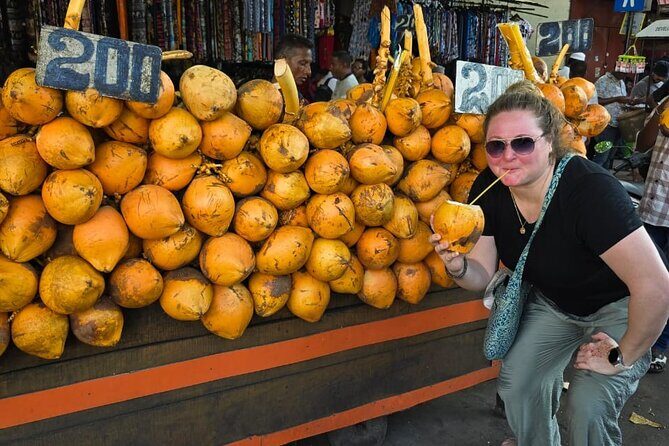
Colombo clicks into focus fast. A private tuk-tuk tour in Colombo lets you sample colonial landmarks, temples, and markets in a single loop, with all entry tickets handled for you. Add hotel or cruise-port pickup, plus a king coconut welcome drink and Ceylon tea tasting, and you’ve got an easy way to see a lot without stressing over the streets.
I love the pace and the people. The English-speaking local guide (the ones I’ve heard names like Fasmin, Bobby, Ranil, and Hasni) tends to explain what you’re looking at in plain language, and they’ll help with photos when you want them. I also like that you’re not just sightseeing from a distance—tea and city-life stops give the day a more local feel.
One possible drawback: this is a lot of stops in four hours. Even with guided time, some moments are short photo-and-look breaks, so if you’re the type who needs long temple time or you want to wander a market slowly, you’ll either need to pick your favorites or accept that this day is about coverage, not lingering.
In This Review
- Key things that make this Colombo tuk-tuk tour worth your time
- Colombo by tuk-tuk: why the route feels smarter than taxis
- Pickup that matches real life: hotel and cruise-port convenience
- Four hours and 18+ stops: how the timing actually feels
- From Galle Face Green to Independence Square: sea air and colonial symbols
- Colombo Fort, clock towers, and the White House: the colonial core
- Temples and parks without the guesswork: Gangaramaya and Viharamahadevi
- Pettah Market area and the Red Mosque: where Colombo shows its personality
- Port and lighthouse stops: maritime Colombo in real terms
- Lotus Tower and the gem-heritage side of Sri Lanka
- Guides make the difference: what the best experiences have in common
- Value for money: why $22 can make sense here
- Who should book this Colombo tuk-tuk tour
- Should you book? My take
- FAQ
- How long is the Colombo private tuk-tuk city tour?
- Is this tour private?
- What’s included with the price?
- Do you pick up from hotels and cruise ports?
- What sights will I see during the tour?
- Are entrance fees included?
- Is smoking allowed?
- What languages does the driver-guide speak?
- Can I cancel and get a refund?
- Is there a pay-later option?
Key things that make this Colombo tuk-tuk tour worth your time
- Pickup from hotels or the cruise port so you lose less daylight to logistics
- 18+ major landmarks packed into one smooth route across central Colombo
- Entry tickets included for the stops that charge—no surprises mid-day
- Ceylon tea tasting plus a gem-heritage lesson, so you leave with more than photos
- Fast, flexible photo stops in places like Galle Face Green and Colombo Fort
Colombo by tuk-tuk: why the route feels smarter than taxis
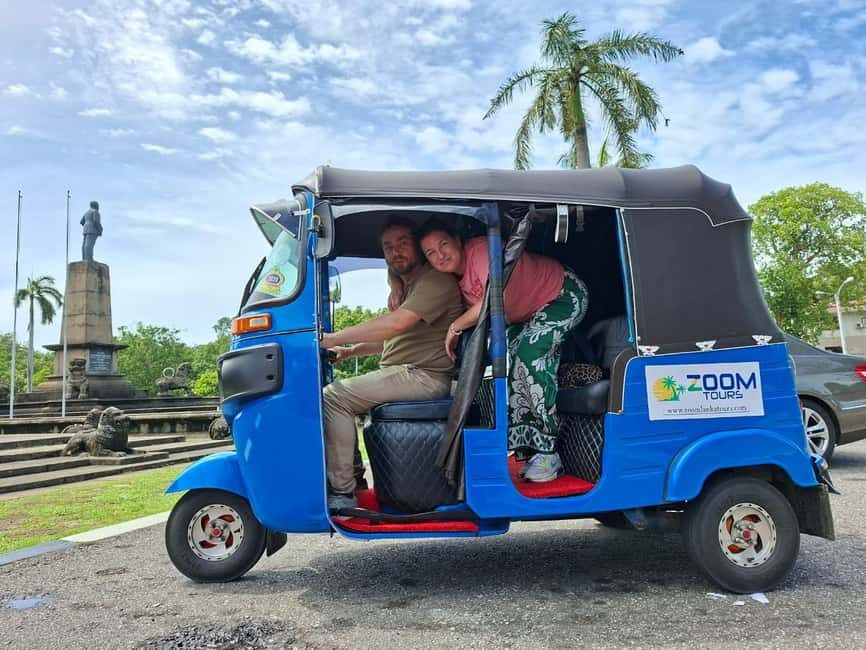
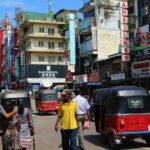
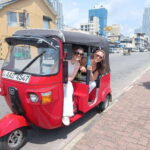
If you’ve never driven in Colombo traffic, here’s the simple truth: moving around quickly can be harder than you expect. A tuk-tuk works because it’s small, it threads through gaps, and it gets you to photo stops without you feeling like you’re constantly stuck in a car for hours.
This tour is built around that idea. You’ll ride from site to site with a driver-guide, so your day doesn’t stall while you figure out directions or where you need to park. And because it’s private, you’re not stuck watching other people’s interests steamroll the schedule. You can ask questions, get context, and adjust the order of little stops when your guide can do it safely.
Also, four hours in Colombo is not that long. The tour design recognizes that. You’re not trying to “master” the city. You’re getting the big-picture landmarks and the main neighborhoods that make Colombo feel like Colombo.
Other Colombo tours we've reviewed in Colombo


Pickup that matches real life: hotel and cruise-port convenience
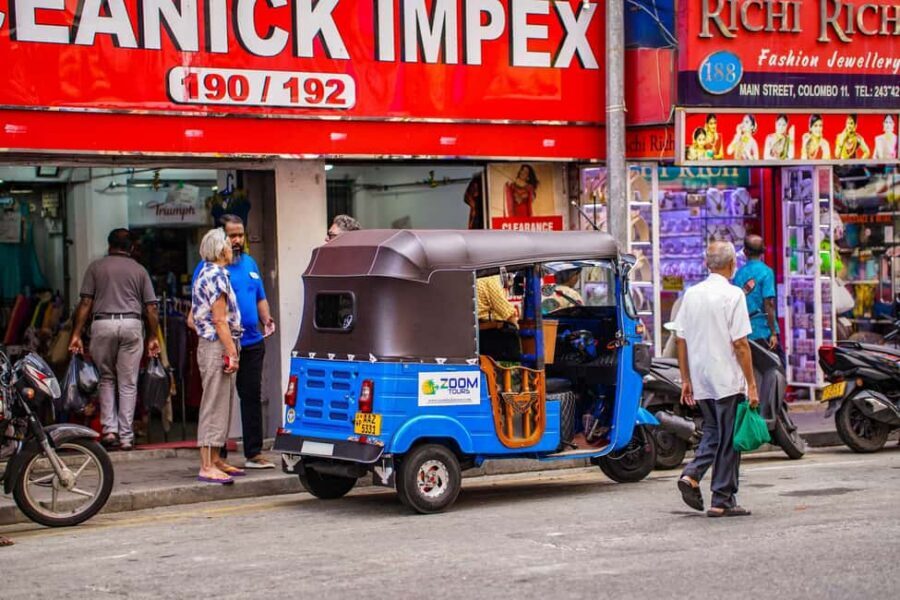
This is the kind of detail that can make or break a short trip. You get hotel, port, or city pickup and drop-off within Colombo, and cruise passengers meet at the Lighthouse area (about 350 meters’ walk from Port Gate No. 1 and Gate No. A1).
That matters if you’re on a cruise, because the day has a hard finish line. The route includes waterfront and central areas, so you’re not spending your best daylight crossing the city from one end to the other. If you’re starting from a hotel, you avoid the common headache of finding a meeting point after you’ve already done a full travel morning.
Four hours and 18+ stops: how the timing actually feels
You’ll see a long list of places, and the key thing to understand is the format. You’ll have a mix of:
- brief photo stops for quick looks and skyline moments
- shorter guided visits where your guide explains the basics and what to notice
- a few spots where you get slightly more time to walk around and take in the details
That schedule works for first-timers and for families who want variety without burning the whole day. But it’s not a “slow roam.” If you want to spend 45 minutes inside a temple before moving on, this tour may feel like it asks you to switch gears quickly.
My advice: use the short stops strategically. Spend your longer attention on places that match your interests—temples, colonial architecture, or market chaos—and just enjoy the rest as “context stops” to build your map of Colombo for later.
From Galle Face Green to Independence Square: sea air and colonial symbols
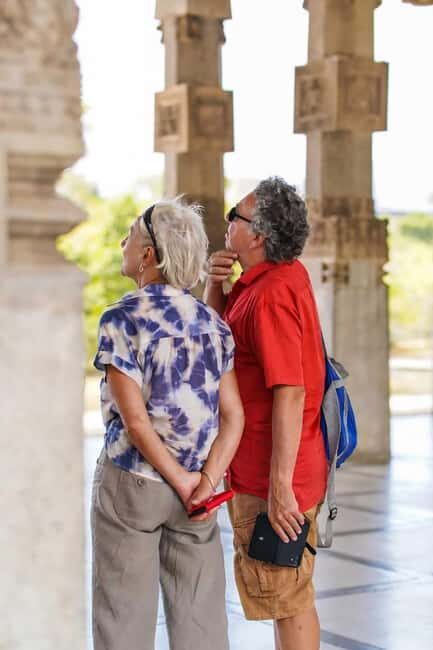
The tour’s central loop starts with iconic Colombo views and key civic landmarks. One of the first big “wow, I get it now” areas is Galle Face Green, Colombo’s seaside promenade. Even if you only get a short moment, it’s the kind of place where the city’s personality shows up fast: ocean air, open space, and a view that gives you a sense of scale.
From there you move into the heart of colonial-era civic Colombo. You’ll stop around places like the Old Parliament Building and Independence Square, where the architecture tells you a lot about how the city organized power and public life. Your guide helps you read these buildings beyond “pretty photos.” You’ll learn what they were meant to represent and why they still matter in Colombo’s public identity.
If you like streets that connect monuments and stories, this part of the route is a strong start. You get the seaside contrast early, then the “Colombo as a capital” feeling right after.
Colombo Fort, clock towers, and the White House: the colonial core
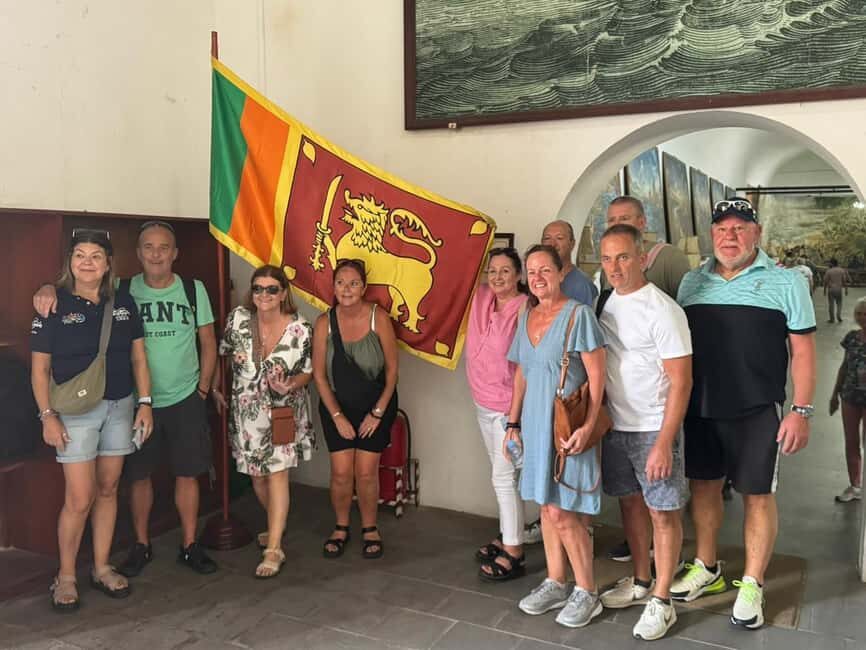
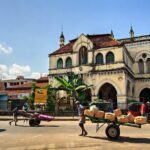
Colombo Fort is where you start feeling the layering of eras. You’ll pass through the Fort area, including photo and guided moments around the Clock Tower and other landmarks linked to the colonial city layout. This is the zone where buildings, street grids, and the maritime identity of Colombo start to click together.
You’ll also visit the Town Hall area (often referred to as the White House), which sits in a more formal setting than the market areas. It’s a different Colombo mood: cleaner lines, more “civic centerpiece,” and a good place to appreciate how the city’s colonial footprint still shapes daily life.
This section isn’t about chasing one museum ticket after another. It’s about seeing why Colombo feels like it has “neighborhoods of history.” If you want the easiest shortcut to understand the city’s layout, this is it.
One consideration: because it’s central and traffic can build, you’ll want your guide’s timing. The private setup helps, but you still get real-world city conditions.
Other tuk-tuk tours we've reviewed in Colombo

Temples and parks without the guesswork: Gangaramaya and Viharamahadevi
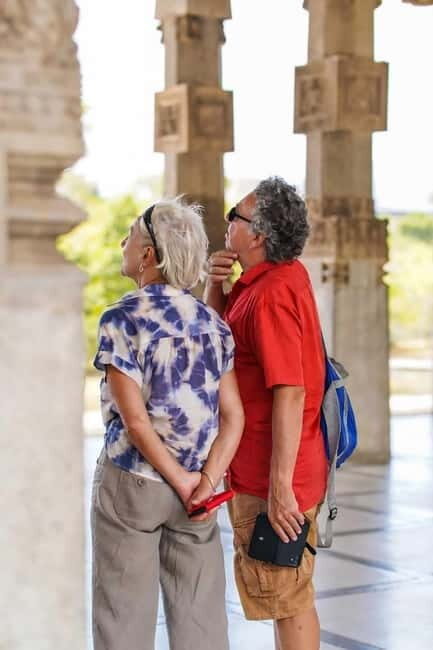
Colombo isn’t only about colonial facades and port buildings. It’s also spiritual and everyday at street level, and the tour handles that with stops like Gangaramaya Temple.
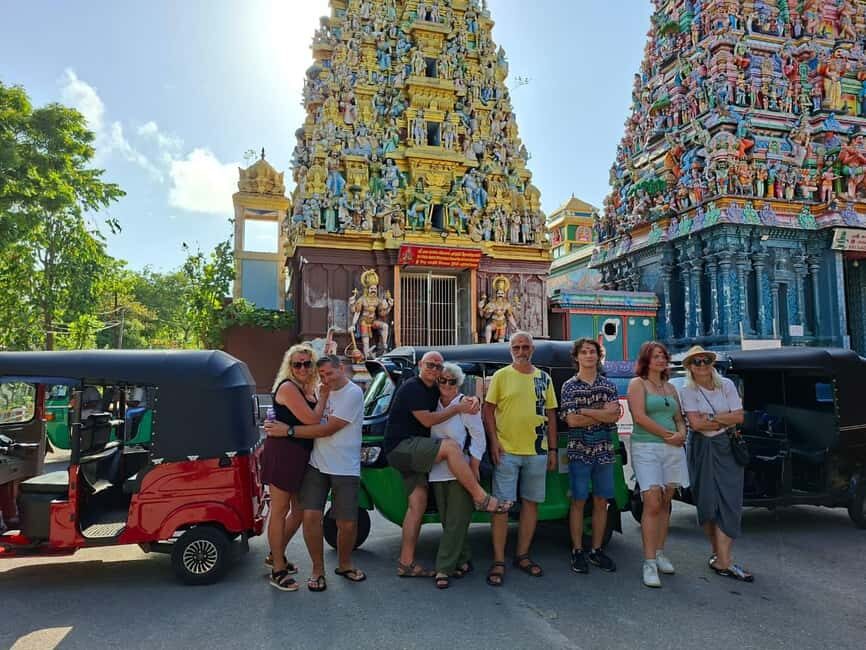
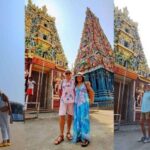
At Gangaramaya, you’ll get both photo time and a guided look. Places like this are where you learn what to notice: temple details, how the site functions, and why it’s meaningful beyond being a tourist attraction. In a place like Colombo, temple etiquette matters too, so having a local guide who can point out what’s appropriate saves you from awkward moments.
You’ll also visit Viharamahadevi Park, Colombo’s large green space. It’s not a “temple-only” day. The park break helps you reset. Even a short stop gives you a breath of calm before the day swings back into market streets and city energy.
If your priority is religious sites and cultural context, this tour gives you a smart taste without making you choose between “temple time” and “city sights.”
Pettah Market area and the Red Mosque: where Colombo shows its personality
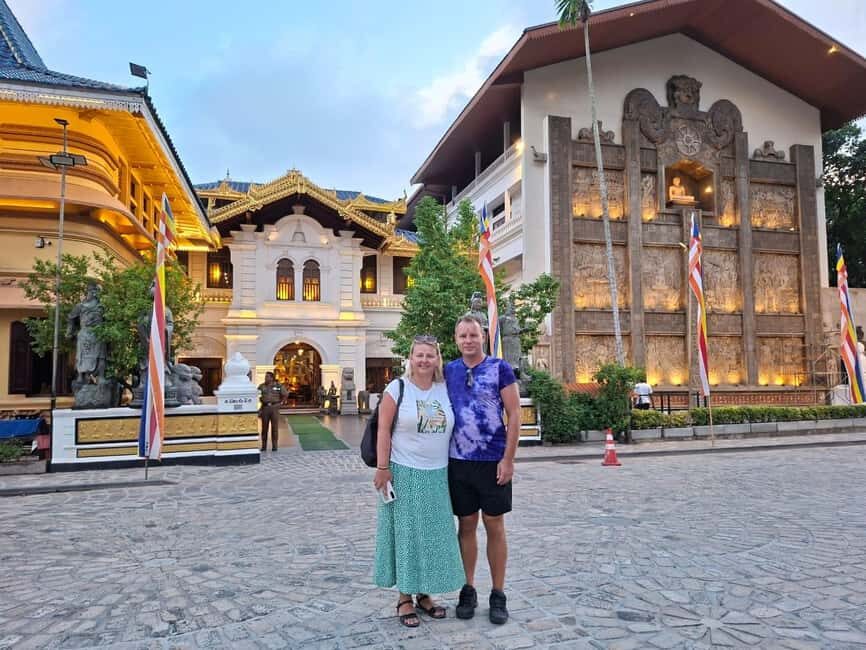
If Colombo were a person, Pettah would be the person talking loudly at the dinner table. It’s busy, close-up, and full of small things happening at once. The tour covers two big Pettah-style stops:
- Pettah Floating Market for waterfront views and photo time
- Pettah Market for the classic bazaar feel
You’re not left to wander and guess. Your guide gives you context on what you’re seeing and how the area functions day to day. This is also where you’ll understand how Colombo’s local shopping habits differ from what you might expect from a more tourist-centered district.
Then comes one of the architectural standouts: Jami Ul-Alfar Mosque, also known as the Red Mosque because of its distinctive red-and-white look. You’ll get a guided visit and a photo stop. This is a good place to slow down mentally, because you can read the building’s design cues more easily when someone explains them.
Practical note: market areas can be hot, crowded, and uneven in places. You’ll want comfortable shoes and a bottle of water, which the tour includes.
Port and lighthouse stops: maritime Colombo in real terms
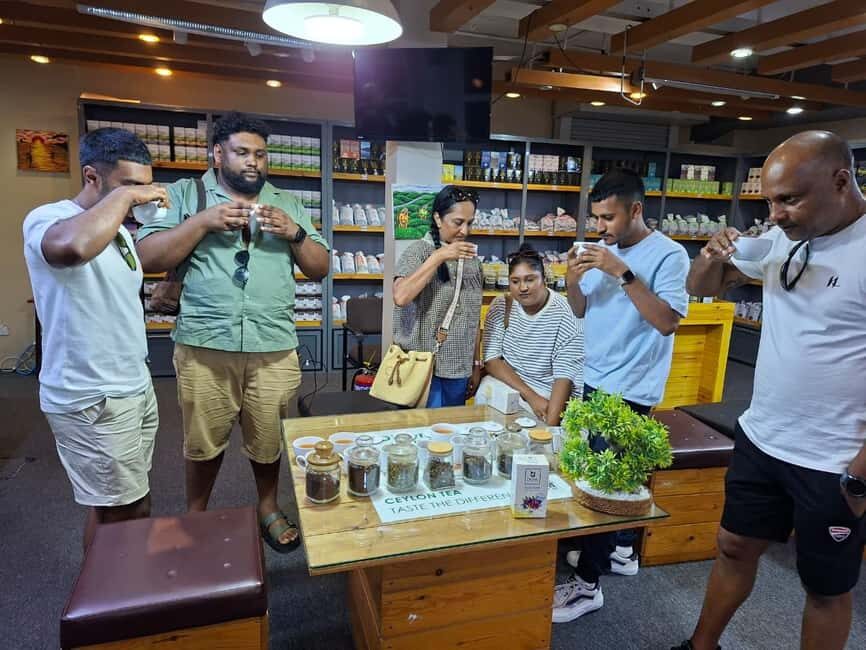
Colombo’s identity is tied to the sea, and the route reflects that. You’ll visit the Colombo Port Maritime Museum, which is a straightforward way to connect today’s port city with Sri Lanka’s broader maritime story. It’s a good “education with walls” stop, especially if you want more meaning than just passing buildings.
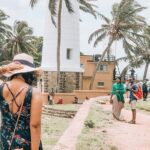
You’ll also see the Colombo Lighthouse and the coastal-lighthouse area around the Fort zone. Even on a short photo-and-look stop, a lighthouse anchor point helps you understand where Colombo’s old and new city rhythms meet.
If your travel style is “show me the reason behind the scenery,” this portion delivers. If you just want photos, it still gives you useful visual reference points for later.
Lotus Tower and the gem-heritage side of Sri Lanka
Not all the stops are colonial antiques. You’ll also include a look at the Lotus Tower, a modern landmark that changes the skyline feel. It’s the kind of stop that helps you see Colombo as a living city, not only a historic one.
This tour also includes a tea tasting experience and a gem experience focused on Sri Lanka’s gem heritage. You’ll visit Zylen Tea for the Ceylon tea part, with time for guided explanations and shopping. This is one of those practical souvenir moments where you can ask questions before you buy. At tea places, the difference between a marketing pitch and a real explanation is everything.
What you should buy? That’s your call. But when a guide gives context about Ceylon tea and Sri Lanka’s gem tradition, you’ll at least know what you’re paying for and how to think about quality, not just branding.
Guides make the difference: what the best experiences have in common
A tour like this lives or dies by the guide. The day is short, so guidance has to be clear and friendly, not scripted. The names I’ve heard come up again and again—people like Ranil, Bobby, Fasmin, Hasni, Ravi, Imran, Faizar, and Safraz—often share the same pattern in the way they run the day:
- they keep the day moving without making you feel rushed
- they take extra time when you need it for photos
- they answer questions in plain English
There’s also a safety-and-comfort element. Tuk-tuks can feel intense if you’re not used to traffic, but an experienced driver keeps things smooth and predictable. Many people mention how safe and easy the driving feels, which matters when you’re sitting close to the action.
One more quality detail: guides help you make choices. If you ask where to spend extra time (or where not to waste time), you’ll get a smarter day.
Value for money: why $22 can make sense here
At about $22 per person for a 4-hour private tour, this can be good value if you compare it to paying separately for:
- a private tuk-tuk
- an English-speaking guide
- hotel or port pickup
- entrance fees at multiple sites
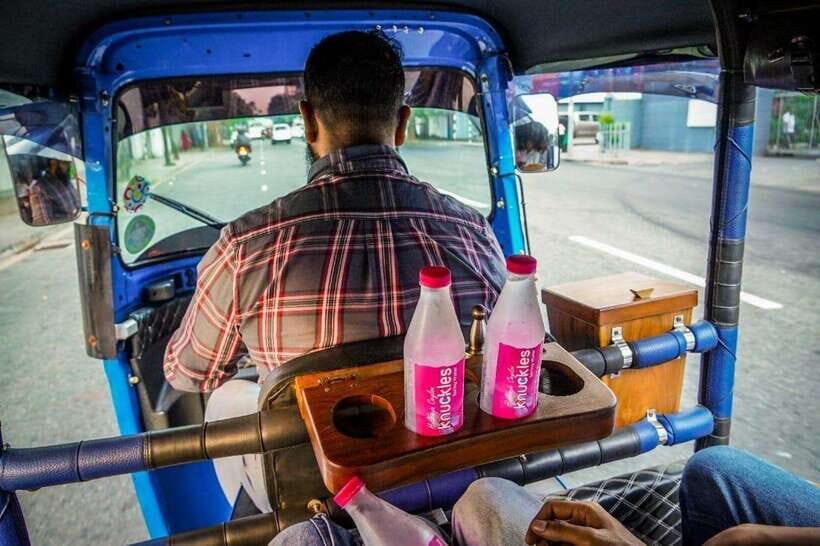
This package also includes bottled water, king coconut water as a welcome drink, and Ceylon tea tasting. Add in all parking charges, and you’re not picking up little extra costs during the day.
Also, the “included” part is what you should care about. Entrance tickets can be small individually, but multiple sites add up fast. If the tour is handling that, you’re buying fewer decisions and more time-on-the-ground.
If you’re a solo traveler, this style can still work because you’re not sharing a car with random people and you can steer the pace. For couples and families, it’s even easier to justify because one private vehicle keeps everyone together.
Who should book this Colombo tuk-tuk tour
This tour fits best if you:
- have only a short time in Colombo (including cruise stop days)
- want an easy first-day orientation to landmarks in the city center
- prefer private guiding over group tours
- enjoy a mix of temples, architecture, and markets
- want included entry tickets and a tea tasting without extra planning
It’s less perfect if your idea of a great day is long, slow museum time or deep exploration of one neighborhood for hours. This tour is about breadth. If you want depth, you can use this as your “first map,” then return on your own later to the places that grabbed you.
Should you book? My take
If you want maximum Colombo context in four hours, this is a strong booking. The private tuk-tuk format solves a real problem in Colombo: getting around efficiently while still covering the big sights.
Book it especially if:
- you’re on your first day or first cruise day
- you want temples like Gangaramaya plus city-center monuments like Independence Square and Colombo Fort
- you like the idea of getting tea tasting and a gem-heritage lesson rather than just hopping from one photo stop to the next
Skip or adjust expectations if you’re chasing one thing only. For example, if you’re strictly into one museum or one market and want hours there, you’ll probably feel the time pressure.
Overall: it’s a practical, friendly way to get your bearings fast—and still leave with stories, not just selfies.
FAQ
How long is the Colombo private tuk-tuk city tour?
The tour lasts 4 hours.
Is this tour private?
Yes. It’s a private group tour.
What’s included with the price?
It includes a private tuk-tuk with an English-speaking driver-guide, hotel/port/city pickup and drop-off within Colombo, bottled water, king coconut water (welcome drink), Ceylon tea tasting, and all parking charges. Entry tickets are included as well.
Do you pick up from hotels and cruise ports?
Yes. You can be picked up from hotels anywhere in Colombo, and cruise ship passengers meet at the Lighthouse area (about 350 meters walking distance from Port Gate No. 1 and Gate No. A1). Drop-off is also available within Colombo.
What sights will I see during the tour?
Expect stops around Colombo’s main landmarks, including Galle Face Green, Independence Square, Colombo Fort and Clock Tower area, the Colombo Port Maritime Museum, Colombo Lighthouse, major mosques and temples like Jami Ul-Alfar Mosque and Gangaramaya Temple, and market areas such as Pettah Market and Pettah Floating Market.
Are entrance fees included?
Yes. All entry tickets for the included stops are covered.
Is smoking allowed?
No, smoking is not allowed during the tour.
What languages does the driver-guide speak?
The driver-guide may speak English, Tamil, Arabic, Malayalam, Urdu, or Hindi.
Can I cancel and get a refund?
Yes. Free cancellation is available up to 24 hours in advance for a full refund.
Is there a pay-later option?
Yes. You can reserve now and pay later.