REVIEW · GALLE
Sea waves sri lankan cooking class
Book on Viator →Operated by Sea waves cooking class · Bookable on Viator
Big flavors start at the market.
This Sea Waves Sri Lankan cooking class in Galle is a hands-on way to learn real curry technique, not just watch someone else cook. I especially like the start at the fish and vegetable markets, where you choose what goes into your meal and get guidance on what to look for, and the way the chef breaks the process down in clear English. One possible drawback: it’s marketed as private for your party, but I’d still confirm group size in advance because one booking noted more people joining than expected.
You’ll cook in a family-run setup with an open kitchen and a jungle view, so the experience feels tied to the place, not a classroom. You also finish by eating what you made, which makes it feel like a full cultural meal rather than a quick demo. The main consideration is that it’s held outdoors, so weather matters and timing can shift if conditions are rough.
In This Review
- Key Things to Know Before You Go
- Sea Waves in Unawatuna (Near Galle): Why This Class Feels Local
- The Market Start: Fish and Veg Choices Make the Whole Meal Personal
- Inside the Cooking Lesson: Spices, Coconut Milk, and Clear Guidance
- Jungle-View Open Kitchen: Atmosphere You Actually Remember
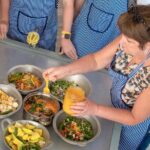
- The Meal You Cook: Five Vegetables Plus Fish or Chicken
- Private Lesson Reality: What to Expect About Group Size
- Time, Price, and Value: Is $59 Worth It?
- Weather and Practical Logistics: The Open-Air Factor
- Who This Cooking Class Is Best For
- Should You Book Sea Waves Sri Lankan Cooking Class?
- FAQ
- What is the duration of the Sea Waves Sri Lankan cooking class?
- Where does the class start?
- Do you include market visits before cooking?
- What do you cook during the class?
- Are ingredients and tools provided?
- Does the chef speak English?
- Is the class private?
- What happens if the weather is poor?
Key Things to Know Before You Go
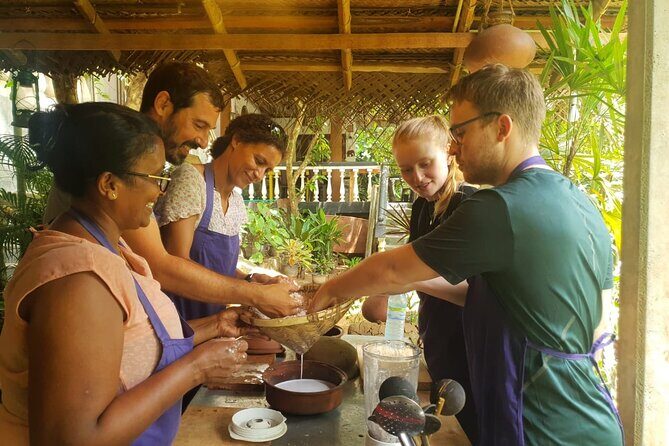
- Market picking first: you choose fish and vegetables before you cook
- Chef Susanthi teaches in fluent English with step-by-step instruction
- Open-air kitchen with jungle views where you may spot monkeys and birds
- Tools and ingredients are provided so you can focus on cooking, not prep
- Five-vegetable curry style with fish or chicken, plus coconut-milk and spice technique
- Private lesson feel, but confirm exclusivity if you care a lot about just-your-party time
Sea Waves in Unawatuna (Near Galle): Why This Class Feels Local
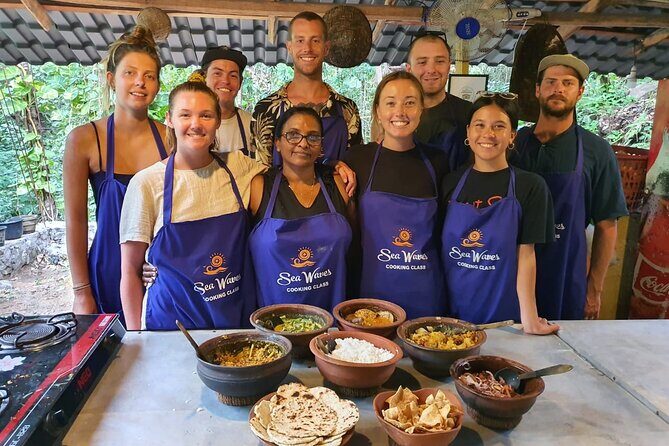
This is not a factory-style cooking show. You’ll start at Sea Waves Restaurant & Cooking Classes on Dunwella Road in Yaddehimulla, Unawatuna, and from there the day flows like you’re tagging along with a local family business that happens to teach guests.
The core promise is simple: learn Sri Lankan cooking from a chef with 30+ years of experience, and then sit down to eat your own food. That combo matters. Cooking classes can be either educational or satisfying, but this one leans hard into both because the meal is part of the schedule, not an afterthought.
It’s also designed to be easy to join. You get a mobile ticket, it’s near public transportation, and the class runs twice per day (with a listed start time of 10:00 am). If your plan is Galle plus beach time in Unawatuna, this fits neatly as a daytime anchor.
Other Sri Lankan cooking classes we've reviewed in Galle
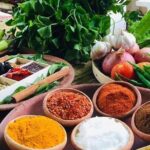
The Market Start: Fish and Veg Choices Make the Whole Meal Personal
The first act is the market, and it’s where you start learning how Sri Lankan meals get built. The rhythm is: you go to pick ingredients you actually want, then the cooking follows those choices.
You’ll head to a fish and beach market and choose what to cook. Some classes in this format focus on a single set menu, but this one gives you room to influence the dish. If you’re someone who likes to understand what fresh ingredients look like, you’ll appreciate the guidance on what to select and how that choice affects flavor later.
Next comes the vegetable market, where you select produce for a meal that includes five vegetables. One review highlighted that this part of the trip feels like more than shopping—it’s like learning what to look for before you ever touch a knife.
And yes, there’s usually transport between stops; one account notes using a tuk-tuk to move between the fish and vegetable markets. That’s useful in real life: you don’t have to figure out logistics while also trying to learn, and the pace stays relaxed.
Practical note: because you’re choosing ingredients, you’ll get the best experience if you come with at least a rough idea of what you like—seafood versus chicken, and whether you enjoy spicy food.
Inside the Cooking Lesson: Spices, Coconut Milk, and Clear Guidance
Once you’re back at the restaurant, the class shifts from choosing to technique. The chef—Susanthi—is described as fluent in English and passionate about teaching, with clear explanations of the technical steps. That’s exactly what you want, because Sri Lankan curry cooking isn’t just about adding spices. It’s about timing, grinding/blending, and balancing heat, sour, salt, and sweetness.
Even if you’ve cooked curry before, expect to learn at least a few “this is how it’s done here” habits. One of the most commonly mentioned takeaways is spice use and coconut milk. Coconut milk matters because it softens heat, rounds flavors, and changes the texture of curries. If you’ve ever had curry at restaurants that tasted smoother than what you make at home, this is often the difference.
Here’s what I think makes this lesson valuable for you:
- You’re not just following recipes. You’re learning how the dish is assembled and why.
- You’re cooking in a family-restaurant environment, so the guidance feels practical, not theoretical.
- The chef guides you through the whole process, which helps you repeat it at home later.
The class is also structured around a specific dish approach: a curry-style meal built with five vegetables plus fish or chicken (depending on your preference). That framework gives you confidence. You know what you’re aiming for, and you’re not stuck wondering which part goes where.
Jungle-View Open Kitchen: Atmosphere You Actually Remember
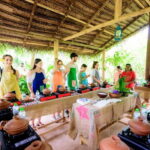
One of the standout parts is the setting. You’ll work in an open kitchen with a jungle view, and the atmosphere is part of the learning. If you’re visiting this area for beaches and wildlife, this is a bonus because you may spot monkeys and birds while you cook.
This changes the mood in a good way. Cooking in a windowless space can feel like a chore. Here it feels like you’re part of the household rhythm—chatting with the chef, watching ingredients turn into food, and breathing in the real smells of spices and cooking oils.
The open-air setup also means you’ll want to plan like a jungle visitor:
- Wear light, breathable clothes you don’t mind getting a little warm.
- Bring something for sun or light rain if the weather turns.
- Keep your phone protected if you’re planning lots of photos near the kitchen activity.
The Meal You Cook: Five Vegetables Plus Fish or Chicken
Your menu isn’t random. The class is designed around a meal that typically includes five vegetables and then fish or chicken, based on what you choose. That matters for two reasons.
First, it mirrors how many everyday Sri Lankan meals are built: vegetables aren’t side thoughts; they’re central. Second, it gives you variety without overwhelming you with too many separate recipes.
Because you select ingredients at the market, the flavors you end up cooking are tied to real produce and real choices. One key detail that comes through strongly is that people leave with strong curry understanding—dhal curry and tuna curry both show up in examples—and with the ability to reproduce at least some key components, like coconut milk and spice blending.
If you’re vegetarian or want to avoid seafood, the class format offers options in the fish-or-chicken choice. What you can’t do (based on the data provided) is assume a fully vegetarian menu every time—so if dietary needs are strict, ask before booking so you know what’s possible.
Other cooking classes in Galle
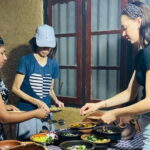
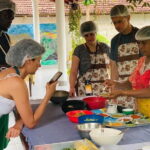
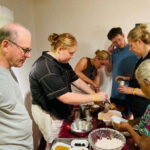
Private Lesson Reality: What to Expect About Group Size
The tour is described as private, meaning only your group participates. That’s ideal if you want more hands-on attention and fewer waiting turns.
That said, one review noted a case where the booking expected two people but additional people joined. I can’t predict what will happen on your day, but if you care deeply about a true just-your-party setup, do this: send a message when you book and ask them to confirm the group size for your session.
If you end up with a small group rather than a solo party, the format still works well because the chef speaks English, explains steps, and the kitchen setup supports interaction. But expectations matter, and it’s smart to confirm early.
Time, Price, and Value: Is $59 Worth It?
At about 3 hours for $59, this is priced like an activity that tries to be more than a casual snack. You’re paying for:
- A chef with 30+ years of experience
- Market visits to select ingredients
- Tools and ingredients provided
- A full meal at the end
For Galle and the Unawatuna area, this is strong value if you want more than scenery. You’re getting a skill (how to build curry, how to handle coconut milk and spice blends) plus the reward of eating it while it’s fresh.
The value increases if you’re the type who likes to repeat food at home. Even if you don’t recreate every single step, you’ll likely remember the key techniques you used during the class—especially how spices and coconut milk work together.
Two-session timing (twice a day) also helps. You can choose a slot that doesn’t wreck your beach or sightseeing plan.
Weather and Practical Logistics: The Open-Air Factor
This experience requires good weather. That’s not a small detail here because you’ll be in an open kitchen and often outdoors for the market leg.
If weather is poor, you’ll be offered a different date or a full refund. I’d treat this like any beach-adjacent plan: have a flexible mindset and plan your other activities with buffer time.
Other logistics are straightforward:
- The activity ends back at the meeting point.
- It’s near public transportation.
- You’ll receive confirmation at booking time.
- You’ll need to use the mobile ticket.
Who This Cooking Class Is Best For
You’ll likely love it if you:
- Want a hands-on Sri Lankan cooking class in Galle
- Like learning from the ground up, starting with ingredient choices
- Prefer guided cooking over self-study from a recipe book
- Want a meal you can point to and say I made that
You might skip it if you:
- Only want a quick tasting and zero time spent cooking
- Have very strict dietary requirements that aren’t mentioned in the class outline
- Hate outdoor activities and don’t want to deal with weather risk
Should You Book Sea Waves Sri Lankan Cooking Class?
If your goal is a practical, culture-connected food experience, I think this is a strong pick. The best reasons to book are the market-first approach, the English-speaking chef with long experience (Susanthi), and the fact you cook and then eat what you made.
Before you hit confirm, do two quick checks:
- Ask to confirm whether your session will truly be private for just your party.
- If you’re sensitive to heat or weather, plan your day so you’re not stuck in a tight schedule if conditions change.
If you want one thing in Galle/Unawatuna that’s hands-on and repeatable, this cooking class is one of the most satisfying ways to spend a morning.
FAQ
What is the duration of the Sea Waves Sri Lankan cooking class?
The class runs for about 3 hours.
Where does the class start?
You start at Sea Waves Restaurant & Cooking Classes on Dunwella road, Yaddehimulla, Unawatuna 80600, Sri Lanka.
Do you include market visits before cooking?
Yes. Before the class, you go to a fish market and a vegetable market to choose what you want to cook.
What do you cook during the class?
You’ll cook a Sri Lankan dish based on your market choices, typically involving five vegetables plus fish or chicken, depending on your preference.
Are ingredients and tools provided?
Yes. All ingredients and cooking tools are provided.
Does the chef speak English?
Yes. The chef is described as speaking fluent English and guiding you during the class.
Is the class private?
It’s described as private, with only your group participating. However, it’s smart to confirm group size when you book.
What happens if the weather is poor?
The experience requires good weather. If it’s canceled due to poor weather, you’ll be offered a different date or a full refund.