REVIEW · GALLE
Ride a Wave Surf School Weligama Sri Lanka
Book on Viator →Operated by Ride A Wave Surf School Weligama Sri Lanka · Bookable on Viator
Surfing starts with the right coach.
At Ride a Wave Surf School in Weligama (near Galle), Sri Lanka, you’re not just paying for wave time. The school’s approach blends mindfulness and wellness with personalized coaching, so you learn technique while also getting taught to read the ocean more calmly. I like how the instruction is aimed at fixing your specific mistakes (not just generic tips), and I like the friendly, chill energy around the lineup. One thing to consider: the ocean sets the rules, so you’re dependent on good surf and weather, and plans can shift if conditions aren’t right.
You’ll typically spend about 1 hour 30 minutes in the water, using the standard surf lesson flow: prep and safety checks, practice paddling and positioning, then wave selection and riding with coaching. The small detail that matters is timing. With a tight session, you’ll want to show up ready to move, listen, and try—because learning in surfing is a lot of reps in a short window.
In This Review
- Key Highlights to Know Before You Go
- Weligama Surf Lessons: Why Ride a Wave Works for Beginners
- Your 1.5-Hour Session: What You’ll Do From Meeting to Riding
- 1) Prep and safety setup (before you even paddle)
- 2) Paddling practice and getting into position
- 3) Wave selection: learning what to attempt
- 4) Riding attempts with personalized coaching
- Coaches Like Shan: How Personalized Feedback Changes Your Progress
- Price and Value: Is $20 a Good Deal for Surf Instruction?
- Timing, Waves, and the Reality of Weather
- Meeting Point in Weligama: Easy Access and a Smooth Start
- The Surf School Vibe: Nature, Community, and Cultural Connections
- Practical Tips to Get the Most From Your Lesson
- Who This Surf Lesson Is Best For
- Should You Book Ride a Wave Surf School in Weligama?
- FAQ
- Where does the Ride a Wave Surf School lesson start and end?
- How long is the surf lesson?
- What does the session cost?
- What are the operating hours?
- Do I need good weather for the lesson?
- Can I cancel for free?
Key Highlights to Know Before You Go
- Personal coaching focus: instructors take time to address your individual mistakes.
- Mindful ocean approach: the school frames surfing as more than just riding waves.
- Good match for beginners: most people can participate, especially if you’re learning basics.
- Chill, friendly vibe: the team’s support makes it easier to keep going after wipeouts.
- Low ticket price for instruction: at $20, it’s priced for trying the sport without a big commitment.
- Ocean-dependent scheduling: lessons can be shifted if conditions aren’t suitable.
Weligama Surf Lessons: Why Ride a Wave Works for Beginners
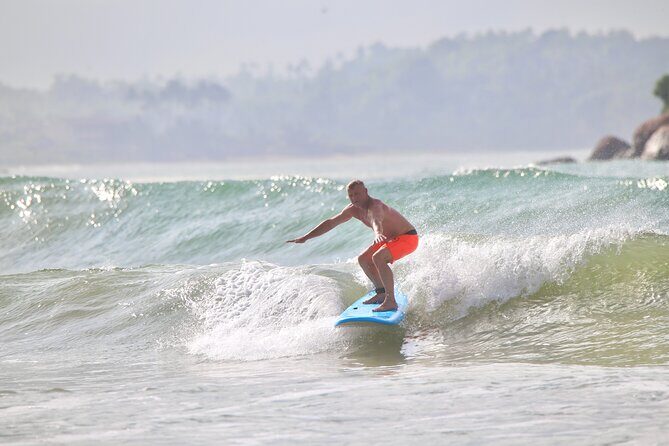
Weligama is one of those places where learning to surf feels possible instead of intimidating. You’re near Galle, but the vibe is very beach-and-ocean-focused, which helps. What makes Ride a Wave Surf School different from a “show up and hope” situation is the teaching style: you’re guided through the mechanics, yes, but the school also talks about the ocean in a grounded way.
The result is that you don’t just chase waves. You learn how to set yourself up to catch them. That matters because in surfing, the hardest part for a new surfer is often not balance. It’s paddling, positioning, and timing your attempt so you’re actually in the right place when a wave shows up.
If you like a relaxed atmosphere where people don’t make you feel clumsy, this school is a strong bet. One of the most consistent themes from their surf lessons is patient support and a good sense of humor from the instructors, which goes a long way when you’re learning fast.
If you're still narrowing it down, here are other tours in Galle we've reviewed.



Your 1.5-Hour Session: What You’ll Do From Meeting to Riding
Your experience starts and ends back at the meeting point in Weligama. Sessions run for about 1 hour 30 minutes, and the schedule is offered daily from 6:30 AM to 6:00 PM. That wide window is useful: you can choose calmer morning sessions or later ones, depending on surf and your energy level.
Here’s the practical flow you can expect, based on how a surf lesson works and how this school describes the activity:
1) Prep and safety setup (before you even paddle)
Before you get wet, you’ll do the prep that new surfers need to feel safe and ready:
- board prep (like waxing and getting comfortable with the board)
- basic safety gear checks (think leash and rash guard, since those are specifically called out in how surf activities work)
- quick checks of surf conditions
- matching the board choice to your skill level and the waves
This part matters more than people think. A good first lesson is partly about minimizing problems: you want your leash secure, your rash guard on, and your board ready so you’re not fighting gear while trying to learn timing.
2) Paddling practice and getting into position
Next comes paddling. In surfing terms, this is where you stop being “someone standing on the beach” and start becoming “someone who can take a wave when it appears.”
You’ll spend time learning how to move through the water, how to position yourself in relation to incoming waves, and how to handle the basic movement of paddling past breaking sets so you’re not constantly getting knocked around.
For beginners, paddling is also where you start learning patience. You have to wait, reposition, and try again—often multiple times in one lesson.
3) Wave selection: learning what to attempt
Then you move into wave selection, which is one of the biggest skill jumps for new surfers.
Instead of grabbing at the first thing that looks rideable, you’re taught to read the wave factors that matter, like:
- direction
- shape
- power
- wave height
Even if you don’t catch every wave, this is valuable because it teaches you how to make better choices on future days. Good surfers aren’t just good at popping up. They’re good at selecting the right wave.






4) Riding attempts with personalized coaching
The final part is the fun part: riding, practicing turns, and trying again after mistakes.
The big strength here is that coaching is personal. Multiple lessons described instructors, including Shan, taking time to correct specific problems instead of tossing out general advice. That kind of targeted feedback helps you progress faster, especially if you’re coming from zero surf experience.
Coaches Like Shan: How Personalized Feedback Changes Your Progress
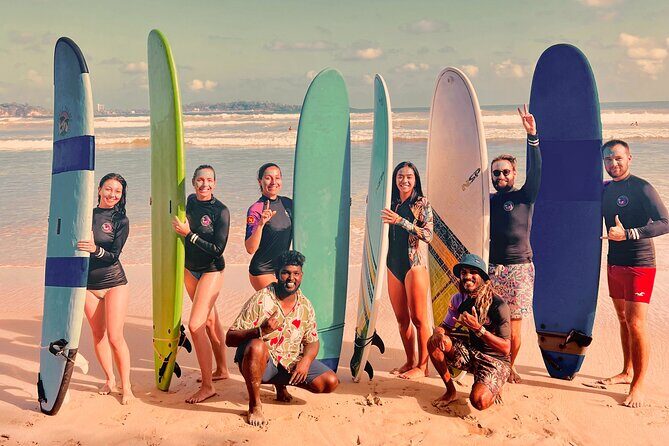
One name comes up clearly: Shan. In the feedback you’ll see from their lessons, he’s described as patient, supportive, and focused on helping you improve. The coaching style sounds practical: you get attention on what you did wrong, and then you get guidance on what to change next time.
There’s also a theme of progress over repeated lessons. People describe doing multiple sessions and noticing real improvement in technique, including handling harder boards and getting more precise with turns by later lessons. That’s a helpful clue for you: one lesson can kick-start your skill, but a few lessons are where the big jump tends to happen.
If you can, plan for at least two sessions. You’ll learn the basics in the first one, then in the second you’ll spend more time refining your setup and timing, which is where your success rates usually improve.
Price and Value: Is $20 a Good Deal for Surf Instruction?
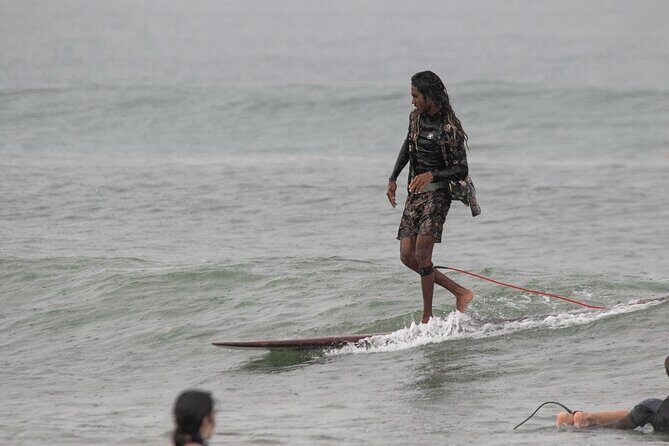
At $20 for roughly 1 hour 30 minutes, Ride a Wave is positioned as good value for a surf school. The price isn’t the whole story, but what you get matters:
- structured coaching through the typical surf-lesson phases
- a school culture that emphasizes support and learning
- an emphasis on correcting individual mistakes
For a beginner, surf lessons can be expensive in other places because you’re paying for equipment time and instruction time. Here, the low ticket cost makes it easier to try without going all-in.
That said, you should think about what’s included. The activity description talks about essential safety gear like leash and rash guard, but it doesn’t clearly say whether you’re provided everything. Before your session, it’s worth confirming:
- whether boards are included or rented
- whether safety gear is provided or needs to be brought
If you’re renting boards on-site, also take a minute to inspect condition and fit. One caution does appear in the feedback you can find online: someone claimed issues with board condition and described a tense moment. I can’t validate that as fact from a single comment, but the lesson for you is simple and practical: check the board before paying fully, and if anything seems off, speak up right away. A quick check now saves frustration later.
Timing, Waves, and the Reality of Weather
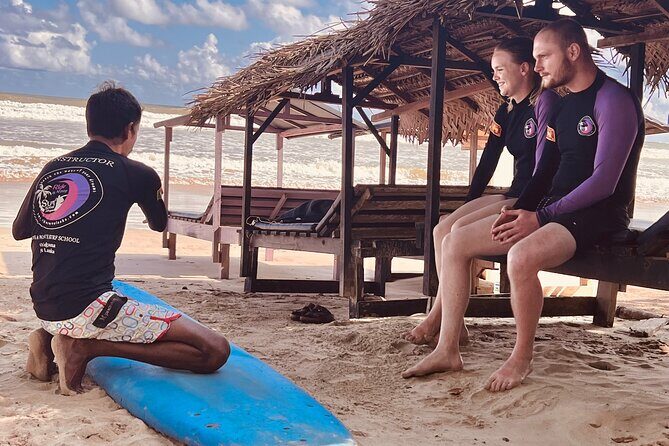
Surf lessons are weather-dependent, and this one explicitly notes that the experience requires good weather. If conditions aren’t suitable, you’ll be offered a different date or a full refund.
This matters because you’re not choosing just a “time on the calendar.” You’re choosing conditions. Morning can work well when winds and swell line up, but the right time is the one that gives you a real chance to learn—not just to show up and watch.
If you have flexible days, you’re in a great position. If you’re on a tight schedule, build in buffer time so you’re not stuck with one shot and rough conditions.
Meeting Point in Weligama: Easy Access and a Smooth Start
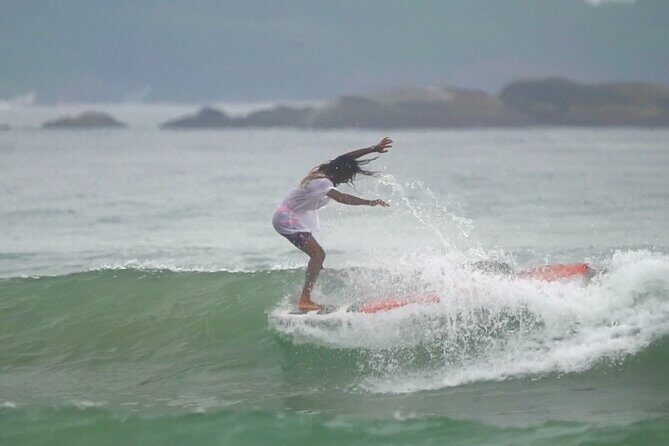
The lesson starts and ends in Weligama, so you’re not hopping across the coast for the experience. That keeps the focus on actual surfing time.
The school also notes that you’re close to public transportation, and the ticket is mobile. That combination is good news if you’re traveling without a car. You can plan your day around the lesson instead of building your whole schedule around getting to a remote location.
There’s also a cap mentioned for the experience: maximum 50 travelers. In practice, surf schools often run sessions with smaller groups, but the cap helps you feel confident you won’t be packed into an overcrowded vibe.
The Surf School Vibe: Nature, Community, and Cultural Connections
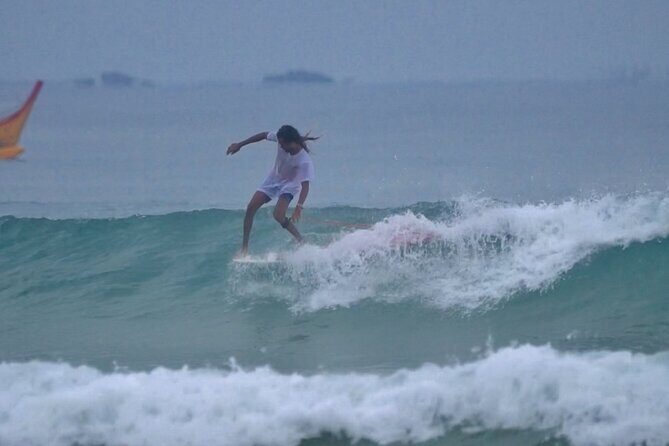
The school’s own description is a mix of ocean respect, wellness, and community. You’ll see those themes in how lessons are described: calm coaching, a supportive atmosphere, and a focus on the sport’s culture.
You don’t need a long explanation to understand why that matters. Surfing can be frustrating when you’re tense. A more mindful approach helps you breathe, reset, and try again. And the community vibe helps when you’re sharing time in the water—because everyone is learning, even the people who look like they were born on a board.
If you want surfing that feels more like a local learning experience than a factory lesson, this style fits.
Practical Tips to Get the Most From Your Lesson

Here are the things that will help you turn the session into actual progress, not just photos:
- Go with a learn-first mindset. The goal is to catch a wave and stay balanced, not to impress anyone.
- Ask for feedback on your specific mistakes. If the coach notices something, try it right away on the next attempt.
- Keep expectations realistic for one session. You’ll improve quickly, but surfing skill stacks over days.
- Bring a rash guard if you can. The activity mentions it as a safety gear type, so you’ll want to be ready.
- Inspect rented boards carefully. If you rent, confirm the condition before you’re stuck trying to surf on a questionable board.
Who This Surf Lesson Is Best For
This experience is a good match if you:
- are a complete beginner who wants structure and encouragement
- like a calm, supportive teaching style
- want value pricing without sacrificing instruction time
- plan to do more than one session and want steady improvement
It might be less ideal if you’re expecting a rigid, high-pressure training bootcamp. The school leans toward friendly and mindful, which is great for most people, but not everyone’s style.
Should You Book Ride a Wave Surf School in Weligama?
If you want beginner surfing instruction in Weligama at a solid price, I’d book it—especially if you’re open to learning step-by-step and you can handle the ocean’s unpredictability.
Book it if:
- you value personal coaching and a supportive vibe
- you want to progress through a couple of lessons
- you’re okay with weather-related date changes
Think twice if:
- you’re only in town for one day and conditions are unknown
- you’re planning to rent boards and you’re not willing to inspect gear and speak up quickly if something seems off
FAQ
Where does the Ride a Wave Surf School lesson start and end?
The activity starts in Weligama, Sri Lanka and ends back at the same meeting point.
How long is the surf lesson?
The duration is about 1 hour 30 minutes.
What does the session cost?
The price listed is $20.
What are the operating hours?
The experience runs Monday through Sunday, 6:30 AM to 6:00 PM.
Do I need good weather for the lesson?
Yes. The experience requires good weather. If it’s canceled due to poor weather, you’ll be offered a different date or a full refund.
Can I cancel for free?
You can cancel for a full refund if you cancel at least 24 hours before the experience starts. If you cancel within 24 hours, the amount you paid is not refunded.


![Kaudulla National Park Safari [private , full package] - The private jeep experience: comfort, safety, and real guidance](https://img.colombotravelguide.com/wp-content/uploads/kaudulla-national-park-safari-private-full-package.jpg)