REVIEW · GALLE
Galle Unawatuna Cooking Class
Book on Viator →Operated by Galle Unawatuna Traditional Cooking Class · Bookable on Viator
The smell of spices tells you it’s real. This Galle Unawatuna Cooking Class focuses on traditional, home-style Sri Lankan curry making, with a short lesson arc that starts at the market and ends at the table. I especially like the hands-on feel (small group, up to 10) and the fact that it’s not just watching, you learn the logic behind the flavors, from rice and vegetable curry to fish and meat curries. A possible drawback: it runs about 3.5 hours, so if you’re on a tight schedule or expecting a short snack experience, this might feel long.
What makes it interesting is the structure. You start with ingredients and spices, then move into a real kitchen setting where the cooking is done the traditional way. If you’re the type who likes to ask questions and actually leave with a mental recipe map, you’ll get a lot out of it. Also, you’re fed: lunch and dinner are included, so plan your day around that meal rhythm.
In This Review
- Key highlights you should care about
- A Market-First Start That Teaches You What Matters
- Madha’s Home Kitchen: Traditional Style, Not a Demo Show
- What You’ll Cook: Six Curries, One Seafood Dish, and Sri Lankan Sweets
- Lunch and dinner are part of the teaching
- Lunch and Dinner: The Best Way to Gauge the Flavors
- Price and Value: Why $30 Feels Reasonable Here
- Who This Cooking Class Is Perfect For
- Practical Tips So You Get the Most Out of It
- Should You Book the Galle Unawatuna Cooking Class?
- FAQ
- How long is the Galle Unawatuna Cooking Class?
- Does the price include food?
- Is pickup available?
- How many people are in a group?
- Is a mobile ticket used?
- Is there free cancellation?
Key highlights you should care about
- Market stop and ingredient education: You’re introduced to fruits, vegetables, and spice staples before the cooking starts
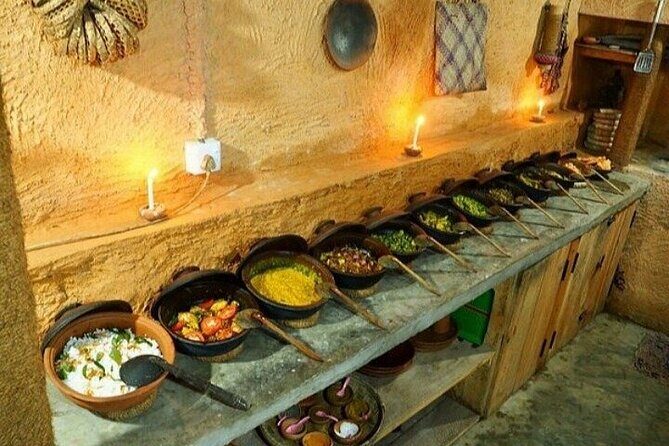
- Home-kitchen teaching: Classes are held at the host’s home, not a showroom kitchen
- A menu built around Sri Lankan curries: Six different curries plus extras like rice and sweets
- Food quantity and variety: One review mentions ending up with 13 dishes during the session
- Small group size (max 10): More time with the chef and less waiting around
- Guide Madha/Madhu: Multiple reviews highlight the host’s warm, clear teaching and family involvement
A Market-First Start That Teaches You What Matters
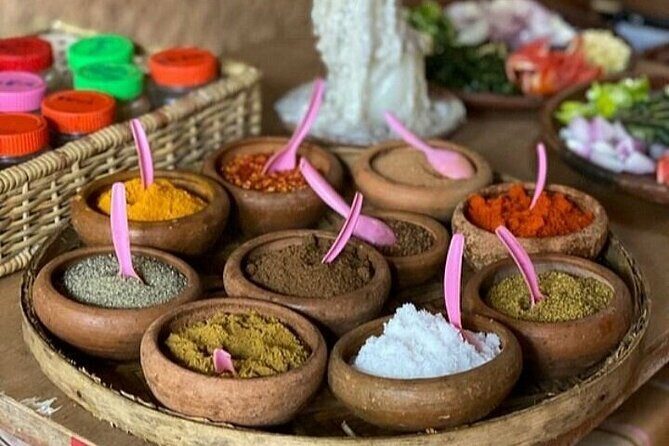
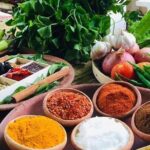
This class doesn’t begin with a recipe card. It begins with the ingredients. You’ll get picked up (pickup is offered) and then head out for a market visit where you’re shown common produce and spice items that show up again and again in Sri Lankan cooking. This step is more than a nice photo moment. It helps you understand what the dishes rely on before you ever turn on the heat.
In practical terms, you’ll be able to connect flavors to sources. Sri Lankan curry flavor isn’t one magic ingredient. It’s how spices, aromatics, and fresh elements are balanced and used. Seeing the ingredients up close helps you remember what to buy later, and it makes the cooking steps less mysterious.
Other Galle tours we've reviewed in Galle



Madha’s Home Kitchen: Traditional Style, Not a Demo Show
A big part of why this works is the setting. The class takes place in a home kitchen, and that changes the whole feel of the session. You’re not in a tourist-factory kitchen. You’re in someone’s real cooking space, and that makes the instruction feel direct and lived-in.
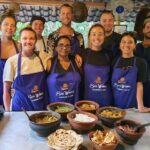
One review specifically calls out the host by name, Madha (sometimes spelled Madhu), as a friendly, helpful teacher who ran the class with clear organization. Another review mentions meeting the host’s family members as part of the experience, which adds context for how these dishes fit into everyday life, not just special events.
You’ll also notice the emphasis on an old traditional approach. That matters because traditional cooking usually means you’re learning method as much as ingredients—how heat is managed, when aromatics go in, and how curries build flavor step by step. If you only care about taste, you’ll still love the food. But if you want to cook similar dishes later, this method-first teaching is what gives you the lasting payoff.
What You’ll Cook: Six Curries, One Seafood Dish, and Sri Lankan Sweets
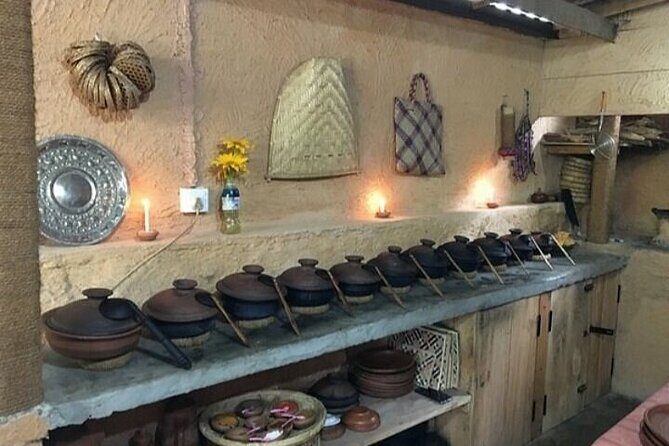
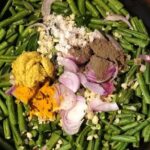
The menu centers on Sri Lankan healthy curries in a traditional style. The plan includes six different curries, and there’s one seafood dish in the mix. Beyond curries, you’ll also work on core sides and extras that show up in everyday meals, including rice and additional dishes like sweet items.
From the available details, you can expect variety across proteins: vegetable curry, fish, and meat appear in the cooking mix. You’ll also learn about popular Sri Lankan sweets and spicy sweets, not just savory food. That’s a smart choice for a class like this, because Sri Lankan meals often balance curry heat and sweetness on the same table.
One review notes the class ended with them making 13 dishes. The listing details say six curries, but it also suggests a broader set of dishes and sweets. Either way, the key idea for you is simple: plan to cook and taste more than you thought you’d get for the time.
Lunch and dinner are part of the teaching
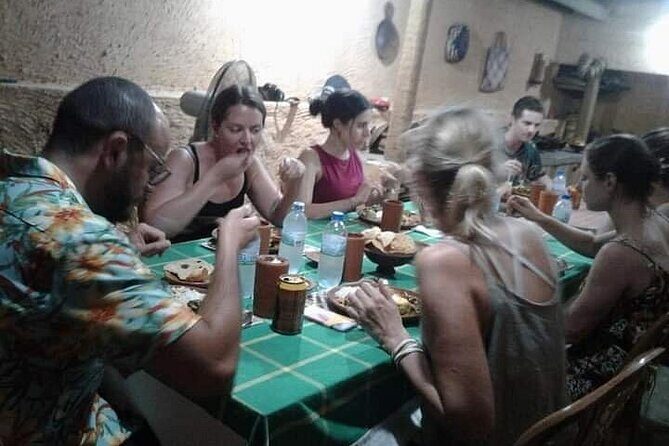
You’re not just cooking and then leaving. You’ll eat as part of the lesson flow. Lunch and dinner are included, and that lets the food act like an instruction tool. You can compare what the chef describes with what the curry actually tastes like, then ask follow-up questions while your senses are still tuned.
Lunch and Dinner: The Best Way to Gauge the Flavors
Included meals sound simple on paper, but here they help you learn. When you taste the curries after cooking components in sequence, you start to understand how the spice profile develops. That’s one reason home-style classes often beat big-group workshops: the food is part of the feedback loop.
Since lunch and dinner are both included, you’ll want to treat this as your main food event of the day. If you snack heavily right before the class, you’ll blunt your ability to notice differences between curries, and you’ll miss some of the teachable moments that happen during tasting.
Also, because the menu includes both savory and sweet elements, you get a fuller picture of how Sri Lankan cuisine handles contrast. Spicy sweets and curry heat don’t usually exist in the same meal in Western cooking, so this class gives you a practical view of how the flavors are meant to sit together.
Other Sri Lankan cooking classes we've reviewed in Galle
Price and Value: Why $30 Feels Reasonable Here
At around $30 for about 3.5 hours, the value is strongest when you zoom out. You’re paying for instruction, ingredients/spice education, and meals. The class includes lunch and dinner, which alone makes the price easier to justify versus a cheaper “just watch” demo.
It also helps that the group size is small, up to 10 travelers. Smaller groups usually mean less waiting and more attention. You’re more likely to get your questions answered while you’re actively cooking, not after everything is done.
Finally, one of the best indicators of value is that multiple reviews call it a highlight, not just a fun side activity. The food gets described as among the best in Sri Lanka by at least one guest, and organization comes up again and again. That points to more than just good taste; it suggests the class runs smoothly.
Who This Cooking Class Is Perfect For
This is a great match if you:
- Want traditional Sri Lankan curry technique, not a quick tourist sampler
- Like learning through cooking, tasting, and asking questions in the moment
- Are comfortable eating a full meal that includes both savory curries and sweets
- Prefer a small group over crowded workshops
It may be less ideal if you want a hands-off experience. This class is about learning to cook and understand the dishes, so you’ll be more satisfied if you’re ready to participate.
Because pickup is offered and it’s near public transportation, it’s workable if you’re staying around Galle or Unawatuna. The class duration is also long enough to feel like a true cultural food activity, not a short stop between attractions.
Practical Tips So You Get the Most Out of It
- Arrive hungry, but don’t overstuff yourself. You’ll have lunch and dinner, and you’ll learn more when your palate is awake.
- Bring curiosity. If you want to cook similar curries later, ask about what spices do in each step and how to adjust heat.
- Expect spice exposure. Even if you’re not into very hot food, Sri Lankan curries often rely on strong seasoning. You’ll likely get guidance on how flavors work rather than just “add more chili.”
- Use the mobile ticket. It’s listed as a mobile ticket experience, so have it handy on your phone.
- Plan your timing. With an approx. 3 hours 30 minutes schedule, treat it like a meal-and-craft session. Don’t book another big activity right after.
Should You Book the Galle Unawatuna Cooking Class?
If you care about authentic cooking and you want to leave with a real sense of how Sri Lankan curries are built, I think it’s an easy yes. The combination of a market start, a home-kitchen teaching style, and included lunch and dinner makes it strong value for a relatively short day commitment. The consistent praise for organization and the guide’s teaching—especially Madha/Madhu—also signals that the experience is run with care.
Book it if you’re eager to cook, taste, and learn the “why” behind the flavor. Skip it only if you want something purely observational or you’re too time-crunched for a 3.5-hour session.
FAQ
How long is the Galle Unawatuna Cooking Class?
It runs for about 3 hours 30 minutes.
Does the price include food?
Yes. Lunch and dinner are included. Breakfast is not included.
Is pickup available?
Pickup is offered.
How many people are in a group?
The class has a maximum of 10 travelers.
Is a mobile ticket used?
Yes. It’s listed as a mobile ticket experience.
Is there free cancellation?
Yes. You can cancel up to 24 hours in advance for a full refund. Canceling less than 24 hours before the start time isn’t refunded.