REVIEW · NEGOMBO
Most Popular Round Tour in Sri Lanka
Book on Viator →Operated by Visit Amazing Ceylon · Bookable on Viator
If you want Sri Lanka without the spreadsheet stress, this private 8-day circuit is a smart fix. I love the daily private driver-guide setup because it keeps things flexible, especially when traffic and weather don’t cooperate. I also like the mix of big-ticket sights and variety—Sigiriya plus Pidurangala views, Polonnaruwa ruins, the Kandy-to-Ella rail ride, and Galle Fort all in one run.
One thing to think through: hotels and meals are not included, and entrance tickets aren’t listed as included either. That means your final trip cost depends on where you stay and what you buy on the ground.
In This Review
- Key things to know before you go
- Price and what you’re really paying for
- The Colombo airport start that makes everything easier
- Sigiriya: Lion Rock fortress and why it’s worth the climb
- Polonnaruwa: ruins you can actually enjoy
- Kandy’s Tooth Relic Temple and the daily rhythm of Buddhism
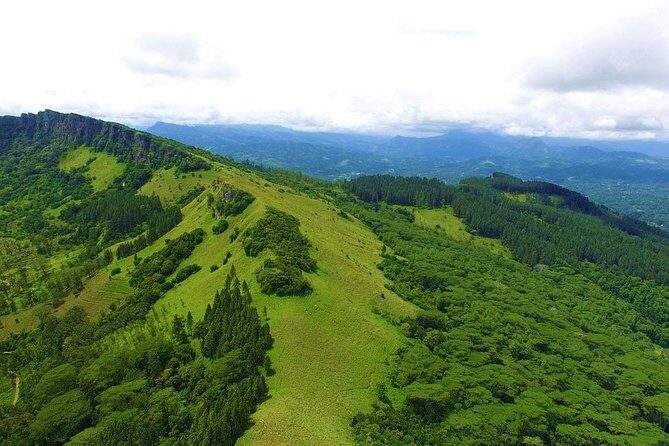
- Nuwara Eliya: Little England and tea-country air
- Kandy to Ella: the hill country train that feels like a postcard
- Udawalawe National Park: wildlife viewing with an actual conservation story
- Mirissa: beach time plus a shot at whales and dolphins
- Galle Fort, stick fishermen, Bentota, and a Colombo city finish
- How the driver-guide experience affects your day
- Should you book this Sri Lanka round tour?
- FAQ
- Where does the tour start and end?
- Is this a private tour?
- How many people are in a group?
- What’s included in the tour price?
- Are hotels and meals included?
- Are attraction admission tickets included?
- Can I see whales or dolphins on this route?
- What is the cancellation policy?
- Does weather affect the experience?
Key things to know before you go
- Private transport all day: daily driving with a driver-guide so you can adjust pacing without losing the whole day.
- Sigiriya + Pidurangala combo: climb Lion Rock at dawn and keep your second viewpoint for sunrise-style scenery.
- Ancient Polonnaruwa in a compact area: the Quadrangle is the anchor stop, easy to focus your time.
- Hill country by train: the Nanuoya-to-Ella ride is built into the route for that classic window-view experience.
- Udawalawe wildlife focus: the park exists partly because animals were displaced by the reservoir, so it has a strong conservation purpose.
- Mirissa for whales and dolphins: pairing beach time with sea-life spotting is a nice change of pace before Galle.
Price and what you’re really paying for
This tour is priced at $80 per group (up to 6), which is unusually budget-friendly on paper. The trade-off is that this cost mainly covers the private experience design: airport pickup/drop-off, a driver-guide, and the transportation rhythm between regions. You still pay for hotels and meals, and the big attractions have admissions that aren’t included in the provided details.
If you’re traveling as a small group—two couples, a family of four, or three friends—this format can feel like good value because you spread the cost across the group and avoid the “solo pricing” trap. If you’re a solo traveler, it’s still workable, but you’ll likely feel the added cost of lodging and meals more.
Also note: it’s a service that gets booked ahead (it averages about 25 days in advance). If you’re traveling in a popular window, you’ll want to reserve early so you’re not stuck scrambling for the right date.
If you're still narrowing it down, here are other tours in Negombo we've reviewed.
The Colombo airport start that makes everything easier
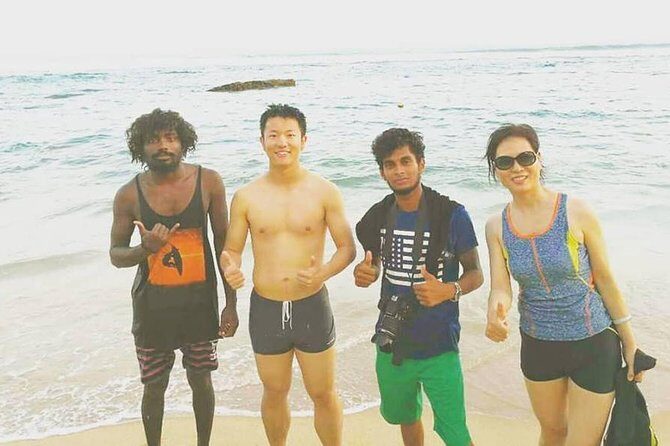
The meeting point is Colombo Bandaranaike International Airport, and the tour ends back at the airport. That matters more than it sounds. When your first day starts with an airport pickup, you dodge the common travel-day chaos: finding a SIM, sorting transport, negotiating a driver, and guessing traffic timing.
On top of that, you get one SIM card as part of the included items. Sri Lanka works better when you have data. You’ll be able to check routes, translate signs, and coordinate with your driver if your plans change.
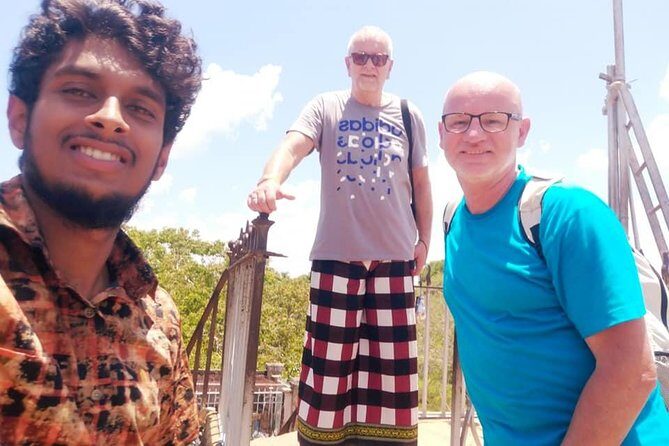
This is also described as a private tour/activity, meaning it’s only your group. That changes the tone of the trip. You can slow down at a view, spend longer on a ruin, or move faster if you’re on a mission for photos.
Sigiriya: Lion Rock fortress and why it’s worth the climb
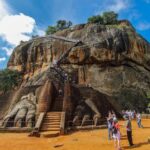
Your first major day centers on Sigiriya, the 5th-century fortress rock people still describe as the island’s standout single wonder. The name “Lion Rock” comes from a massive lion figure that once marked the entrance. Even without getting lost in legends, the structure tells the story: a huge rock rising nearly 500 feet, protected by layered defenses—triple-moated, not just a dramatic hilltop.
The climb is part history, part workout. You go from street-level imagination to stairways and terraces, then toward the top where you’ll find the outlines of an old palace and gardens. One of the most fascinating details is that preserved frescoes—life-sized Sinhala secular painting—survived in delicate color. That’s the kind of thing you don’t forget once you’ve seen it.
Pidurangala follows as a second rock stop with a view focus. This is where the route gives you the chance to compare two perspectives on the same region. Pidurangala is known for scenic outlooks and sunrise-style viewing, so if your timing works out, it can be the softer, photo-friendly partner to the bigger Sigiriya effort.
A practical note: entrance tickets aren’t included in the details provided, so plan to budget for them day-of. Also, climbing rock sites can get tiring fast in heat—bring water and take your time on the steep sections.
Polonnaruwa: ruins you can actually enjoy
After the rock drama, you shift into archaeology mode at Polonnaruwa, the central plains kingdom that held sway about 800 years ago. The appeal here is that the archaeological park feels compact compared to some huge ruin sites. You’re not spending your trip “walking to the walking.”
The Quadrangle is the core area people put their time into, and it’s easy to see why. You’ll encounter hundreds of ancient structures—tombs, temples, statues, and stupas—clustered enough that you can connect the dots without rushing.
If you like ruins but don’t want to turn your trip into a museum marathon, Polonnaruwa is a good fit. It’s also a nice contrast to Sigiriya: instead of climbing upward for views, you’re reading the ground for civilization clues.
Tip that helps on sites like this: pick a few “anchor” structures you want to see clearly, then let the rest fill in around them. It keeps your attention sharp and prevents the tired shuffle.
Kandy’s Tooth Relic Temple and the daily rhythm of Buddhism
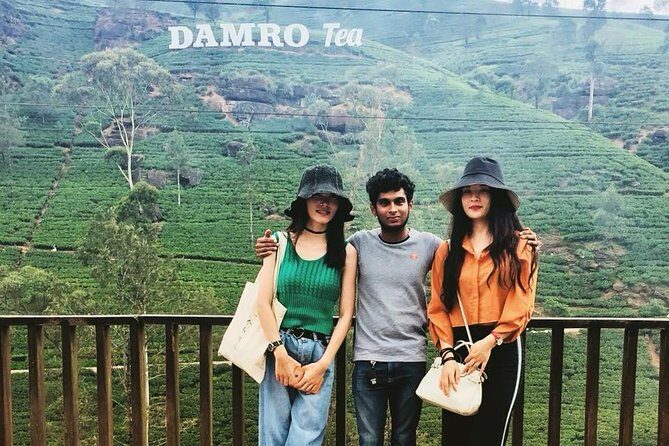
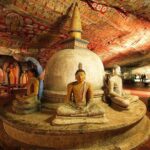
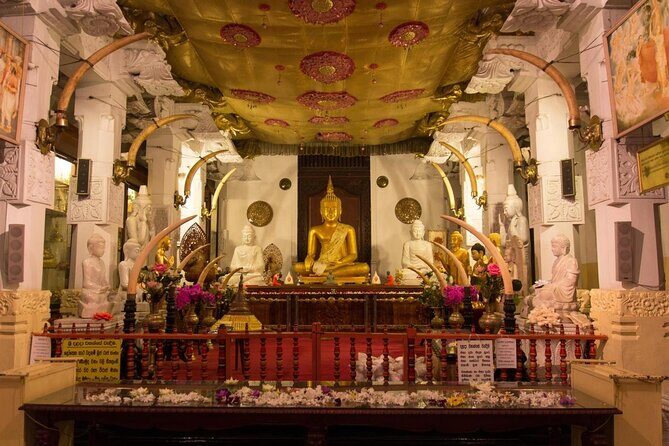
From Polonnaruwa, the itinerary moves toward Kandy, with the Temple of the Sacred Tooth Relic as a highlighted stop. Kandy is often described as a hill capital, and this temple is tied to living Buddhist practice today—not just a stone landmark.
The details here matter: the temple holds shrines and monasteries that keep Buddhist traditions active, and it’s also connected to the annual Perahera procession. You get the sense of a place that isn’t frozen in time.
You’ll spend around an hour at the temple area (as listed). That’s enough time to see the key religious spaces without feeling like you’re being herded through. You’ll also get a feel for how Buddhism shapes daily life in Sri Lanka, not just weekend tourism.
Right after, the route includes a stop for Sri Lanka’s largest botanical garden. If you want a break from temples and stone, this is a good palate cleanser. Even if you’re not a hardcore plant person, it’s a calmer pace after the more focused cultural site.



Nuwara Eliya: Little England and tea-country air
Next comes the hill region town of Nuwara Eliya, often called the Little England of Sri Lanka. You can feel the British influence in the architecture vibe—cottages and styles like Queen Anne-style mansions pop up around town, even though the landscape is unmistakably Sri Lankan.
The tour includes Nuwara Eliya Town Hall time and describes the weather as cooler, more like an England spring day, especially at night. That’s useful for planning clothing. You might need a light layer even when the lowlands are warm.
Tea shows up as a major theme here too, with time for the best tea factory and garden stop. In practical terms, this is where you learn how tea becomes tea—factories help explain the process, while gardens show the plant world behind your cup. If you like souvenirs that aren’t junk, tea is one of the more sensible picks because it’s both local and usable.
One consideration: moving from city stops into tea-country usually means more time on the road and different weather conditions. If your plans depend on a specific outdoor view, keep one flexible buffer day in mind inside your week.
Kandy to Ella: the hill country train that feels like a postcard
Now for one of the classic Sri Lanka experiences: the Nanuoya to Ella by train segment. This ride is known as one of the most scenic train trips in the world, and the route uses it as a centerpiece.
You start from Nanuoya, described as the last royal capital, then ride toward Ella, a peaceful village in the central highlands. The value of the train time is simple: you get sustained views without paying for constant stops. You’re not rushing from viewpoint to viewpoint. You’re watching the world change through the windows.
After the train, the route includes Ella Rock, giving you a chance to turn the ride into a climb. Ella Rock is the kind of stop where you might not need an hour-by-hour schedule to enjoy it; you’ll just want good light, steady footing, and time to take photos without feeling rushed.
If you’re the kind of traveler who loves movement but hates long transit days, this is the sweet spot. It breaks up the car travel with something slower and more scenic.
Udawalawe National Park: wildlife viewing with an actual conservation story
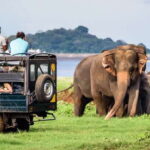
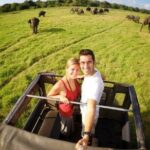
The itinerary swings into Udawalawe National Park, a wildlife sanctuary focused especially on animals displaced by the construction of the Udawalawe Reservoir. That background gives the park meaning beyond sightseeing. It was created as a sanctuary for wild animals moved from their original areas.
The drive and park time make for a strong contrast after tea and train country. Here, you’re trading manmade sights for a nature-first schedule.
Expect about three hours allocated to the area based on the plan. That’s enough time for a serious attempt at seeing wildlife, though sightings can never be guaranteed. The value is that you’re in the right habitat for it, and the park’s purpose is clear.
A practical pointer: in wildlife areas, you’ll want patience more than gadgets. Keep your eyes up and your pace slow. Good viewing often means you notice the small movements before you see the big animals.
Mirissa: beach time plus a shot at whales and dolphins
Next you hit Mirissa Beach, with about four hours of time set aside. Mirissa is known for beaches, surf waves, and a food-and-drink scene that’s easy to relax into. It’s also a whale-watching area.
The tour plan specifically notes you can see whales and dolphins in Mirissa. The real-life detail here is timing. Sea-life sightings depend on conditions, but the upside of including Mirissa is that it gives you both a practical chance at wildlife and a straightforward place to unwind even if nature doesn’t cooperate.
Also, Mirissa has been developing quickly, and the plan notes it can get more crowded over time. That doesn’t mean it’s ruined. It just means you’ll want to pick your beach spot thoughtfully and keep expectations flexible.
In hot beach towns, your best move is to plan your one big activity earlier, then let the afternoon be easy. That way, even if clouds or crowds shift your mood, you still end the day happy.
Galle Fort, stick fishermen, Bentota, and a Colombo city finish
Your final stretch follows the coast vibe: you check out in Mirissa, then head toward Galle. Along the way, you can see stickfishermen, one of those small coastal scenes that instantly changes how you see the shoreline.
Then the highlight becomes Galle Fort, described as a World Heritage site. Galle is one of those places where walking feels like the activity. Fort walls shape the streets, and the mix of history and daily life makes it easy to spend time just wandering with purpose. You don’t need a rigid plan; you just need comfortable shoes and a bit of curiosity.
After Galle, the itinerary includes Bentota and a Colombo city tour. Bentota helps transition from the historic coast into a more general coastal feel, then Colombo brings you to the energy of Sri Lanka’s main city. Ending with a Colombo city tour makes sense because you’re still near your airport departure.
This is also where the “private tour” format helps again. If you want to adjust your stop time in Galle Fort for better light, or if your energy is lower than expected after Mirissa, your driver-guide setup gives you a chance to rebalance.
How the driver-guide experience affects your day
A theme that shows up strongly with this kind of tour format is the people side. The driver-guide isn’t just a driver who knows the shortest route. In this program’s ecosystem, names like Kumara, Dushan, Maxi, and Vipula Kumara are associated with the best experiences people describe.
Even without naming who your guide will be, the idea is consistent: the trip works best when your driver-guide can explain what you’re seeing and help you plan timing. That matters most in places like Sigiriya (when to climb for the light), Polonnaruwa (what to prioritize), and the train segment (when you need to be exactly where you should be).
So when you book, think of this as an experience built around a human interface. You’re not just buying transportation. You’re buying someone to help you make sense of the route.
Should you book this Sri Lanka round tour?
Book it if you want:
- a private week that links the highlights: Sigiriya, Polonnaruwa, Kandy, tea country, Ella train, elephants, Mirissa, and Galle
- a schedule that’s packed but not chaotic, thanks to daily driver-guided transport
- flexibility, so you can spend more time on a place you love without derailing the whole week
Consider skipping (or adjusting expectations) if:
- you’re hoping for a fully “all-in” package with hotels and meals included
- you want to avoid paying for multiple admissions since the key attractions are listed as tickets not included
- your trip dates depend on guaranteed whale sightings or perfect weather for every outdoor stop
If you’re trying to do Sri Lanka efficiently and you’re okay managing your own hotel/meals budget, this route has a lot going for it. It’s a strong way to hit the country’s biggest visual hits while still getting a real feel for how different regions connect.
FAQ
Where does the tour start and end?
The tour starts at Colombo Bandaranaike International Airport and ends back at the same meeting point.
Is this a private tour?
Yes. It’s listed as a private tour/activity, and only your group participates.
How many people are in a group?
The price is listed per group up to 6 people.
What’s included in the tour price?
Included items listed are welcome 1 SIM card, plus the tour includes Colombo airport pickup and drop-off.
Are hotels and meals included?
No. Hotels and meals are at your expense.
Are attraction admission tickets included?
Admission tickets are noted as not included for listed stops such as Sigiriya and Polonnaruwa, and similar notes appear throughout.
Can I see whales or dolphins on this route?
Yes. Mirissa is included, and the plan notes you can see whales and dolphins there.
What is the cancellation policy?
Free cancellation is available. You can cancel up to 24 hours in advance for a full refund, and any cancellations within 24 hours are not refundable.
Does weather affect the experience?
Yes. This experience requires good weather. If it’s canceled due to poor weather, you’ll be offered a different date or a full refund.