REVIEW · GALLE
Cook with Wasantha
Book on Viator →Operated by cook with wasantha · Bookable on Viator
Cooking in a Galle family kitchen feels real. With 10 travelers max, you get small-group attention and a market-to-kitchen flow that ends with lunch you made yourself.
I love that you pick ingredients yourself, with Sam guiding the market part so you’re not just watching. I also love the focus on coconut milk from scratch and getting rice fluffy before the curry work begins.
One possible drawback: some past guests felt parts of the day leaned more toward demonstration than nonstop hands-on, so if you want to chop and stir every minute, go in with flexible expectations.
In This Review
- Key things you’ll notice
- Why a Galle market-to-kitchen class beats a cookbook
- Meet Wasantha’s family in Unawatuna (and why it matters)
- Dutch Market shopping: choosing veggies and fruit for curry
- Fish market stop: picking tuna (and asking the right questions)
- Coconut milk and fluffy rice: the Sri Lankan basics that make everything work
- Cooking five curries in four hours: spice technique and repeatable wins
- Lunch buffet with fingers: what you’re really practicing
- What you’ll take home: recipes, tips, and adapting at home
- Who should book Cook with Wasantha (and who might not love it)
- Should you book Cook with Wasantha?
- FAQ
- What’s the duration and start time?
- Where do I meet Wasantha?
- What markets do you visit?
- How many people are in the group?
- What will I cook and eat?
- What’s the cancellation and weather situation?
Key things you’ll notice
- Dutch Market ingredient hunt led by Sam, with practical tips for choosing produce
- Fish market visit to select your tuna option for one curry
- Small group size (up to 10) so questions don’t get lost
- Coconut milk + rice skills first, so your curries taste right
- Lunch buffet with finger-eating the local way, using what you cooked
Why a Galle market-to-kitchen class beats a cookbook
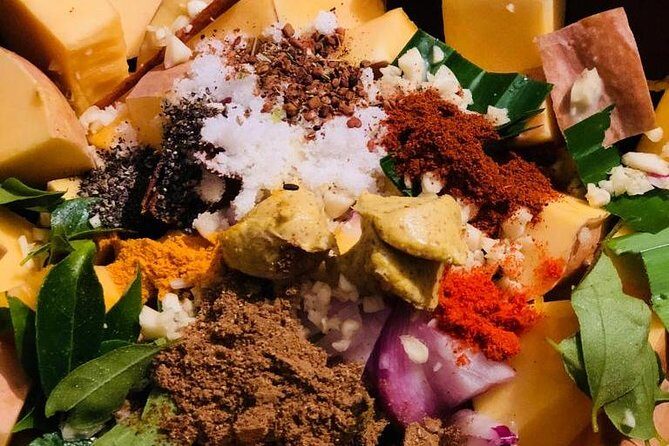
Paying $30 for a cooking experience in Sri Lanka sounds almost too good. But what makes this one feel like real value is the mix: you shop in markets, then you cook multiple curries from start to finish, and you eat a buffet lunch made by your own hands.
A lot of cooking classes teach recipes. This one teaches technique—how coconut milk behaves, why rice texture matters, and how spices come together in Sri Lankan-style curries. That’s the stuff you can actually repeat at home.
Other Sri Lankan cooking classes we've reviewed in Galle

Meet Wasantha’s family in Unawatuna (and why it matters)
You start at Wasantha’s place in Unawatuna at 180/a Yaddehimulla Rd, right in the warm, everyday rhythm of local life. The class is designed as a family setup, with multiple family members taking part, which changes the tone from a scripted demo into a real kitchen conversation.
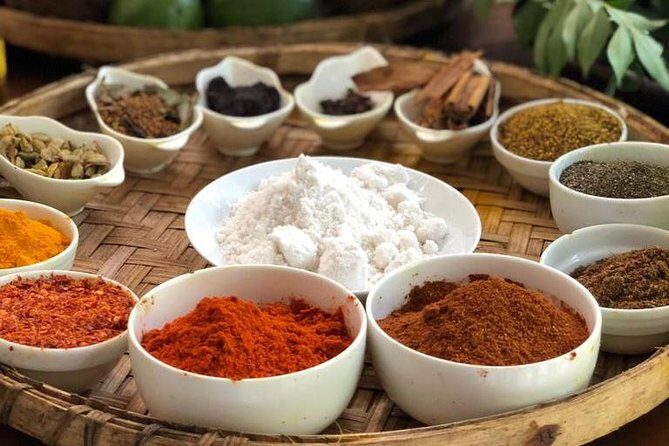
You’ll also get a sense of how Sri Lankan cooking is passed down. In many kitchens, you can memorize steps. Here, you learn how Wasantha thinks about flavor and process—things like using your senses when spices go in, not only measuring.
And because the group is capped at 10, it stays personal. It’s not a cattle-car classroom. You’re more likely to get a moment to ask why something is happening in the pot.
Dutch Market shopping: choosing veggies and fruit for curry
The day’s first market stop is the Dutch Market area. You’ll hear some of the market background and, more importantly, you’ll get a hands-on lesson in ingredient choice.
This is where you start cooking smarter. Curries don’t taste right when the base ingredients are off. Fresh vegetables and the right aromatics make a difference you can taste immediately once you’re back in the kitchen.
A big plus here is that you’re not stuck with a generic menu. You’re guided in selecting what you’ll cook—vegetables and fruit tied to the curry lineup. One guest mentioned choosing a set like pineapple and vegetables such as aubergine and onion, plus pumpkin, with the group then cooking five different curries total.
Practical tip: don’t overthink it. If something looks good and smells fresh, that’s often the point. The market part is teaching your eye and nose how to think like a Sri Lankan cook.
Fish market stop: picking tuna (and asking the right questions)
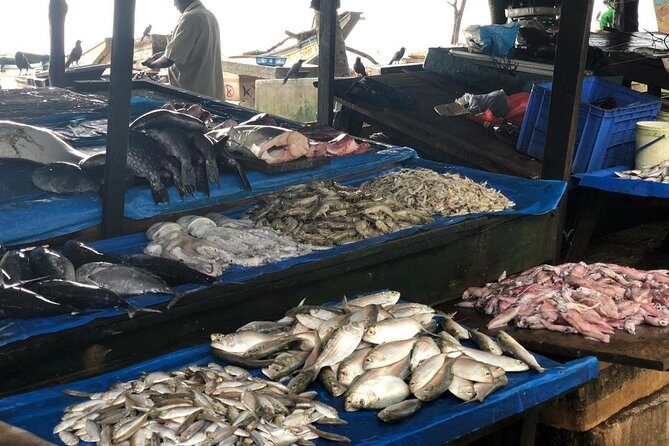
Next you go to the fish market. This matters because one of the curries uses your choice of tuna (with tuna being mentioned often in guest experiences) and the rest centers on vegetables.
Fish markets can be a lot to process if you’re not used to buying seafood while it’s still very much real. The upside is you’re learning the logic behind fresh selection: what looks good, what smells right, and how that freshness translates into curry flavor.
In the same spirit, Wasantha’s kitchen also keeps the menu flexible. You’ll prepare four vegetable curries plus your choice of tuna or chicken curry, so the fish market stop isn’t random. It’s tied directly to what ends up on your plate.
If you have dietary needs, bring them up clearly at the start. One guest noted they could adapt recipes based on intolerances, which suggests communication here helps.
Coconut milk and fluffy rice: the Sri Lankan basics that make everything work
Before the curry parade, you focus on the foundations: making coconut milk and cooking rice the Sri Lankan way.
Coconut milk is not just an ingredient. It’s a texture and timing job. When coconut milk is handled wrong, you can get split texture or a flat taste. When it’s handled right, it turns curry from good to balanced—creamy, aromatic, and not heavy.
Then there’s the rice. “Fluffy rice” sounds like a small goal until you watch how Sri Lankan curry is served alongside it. If the rice is too sticky or too dry, your curry experience changes. One guest specifically praised learning how to cook rice properly—fluffy and ready to scoop with.
In this class, these basics come early for a reason. Curries rely on a good base. If you get coconut milk and rice right, even the spiciest curry feels controlled.






Cooking five curries in four hours: spice technique and repeatable wins
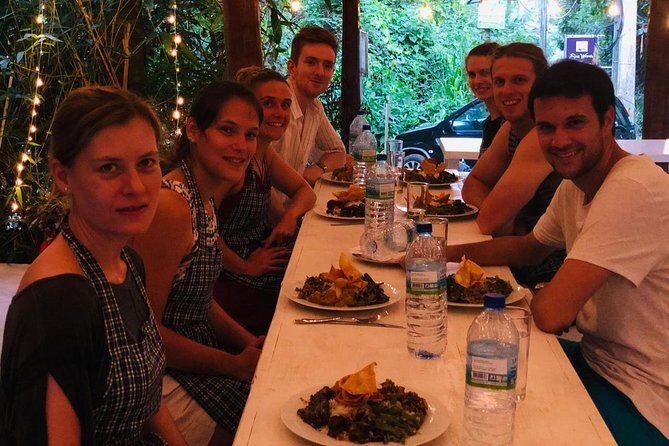
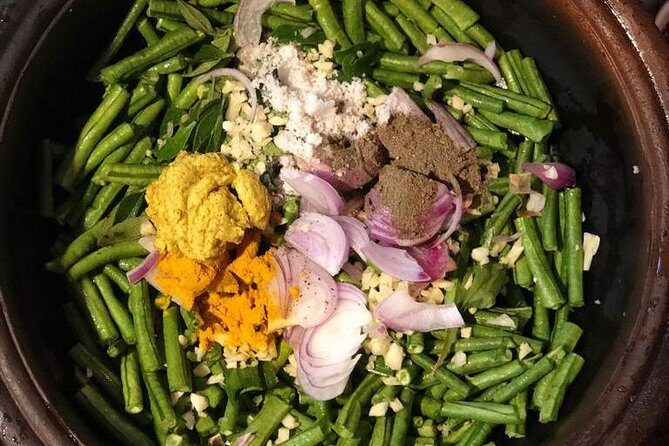
The main cook period is built around five curries. From the class setup, you’re doing four colorful vegetable curries plus a tuna or chicken curry. Guests also mention specific combinations like dahl and aubergine, plus tuna ambi-tar type preparations.
What makes this section valuable is not only variety. It’s the repetition of core techniques across different dishes:
- building flavor with aromatics
- working spices into the oil and sauce
- adjusting thickness and balance
- understanding what changes when coconut milk is added
Wasantha’s teaching style is practical. One guest highlighted how spices were added by smelling rather than measuring every time. That’s a key mindset shift. You’re learning how to taste and smell your way toward the next step, not just follow a cookbook.
A small caution based on mixed feedback: while many guests report strong hands-on involvement (like cutting vegetables and actively cooking), a few said the pacing leaned more toward demonstration. The best way to handle this is to choose the experience for learning and taste, not for expecting nonstop cutting. In a kitchen with multiple dishes, not every second becomes a hands-on moment—but you should still leave with methods you can replicate.
Also, don’t miss the extras. One guest mentioned a signature coconut sambol. Another mentioned an avocado curry offered as a secret. These small side hits are often what you’ll remember later.
Lunch buffet with fingers: what you’re really practicing
After cooking, you eat. The meal is buffet style, built from the curries you made. It’s served in the local way, including finger-eating, which sounds intimidating until you realize it’s part of how the meal is designed—rice and curry are meant to be mixed in your hand.
This is not a fancy restaurant lunch where food arrives in waves. It’s a community-style finish where you get to taste how your choices worked. You can also hear stories while you eat, which is a big part of why this class feels more like a cultural afternoon than a ticketed workshop.
A practical takeaway: when you eat what you cooked, you immediately learn which curry needs a tweak. Was it too thick? Did it need more acid or spice? That’s the kind of feedback you don’t get from a plate of food you didn’t make.
And yes, people really do get stuffed. One guest noted they couldn’t eat dinner after such a large lunch, so plan around it.
What you’ll take home: recipes, tips, and adapting at home
One of the best value add-ons is that you don’t just walk away with memories. Guests mention being given recipe information—one person specifically said they received 21 recipes. Another noted they were invited to send questions when recreating the dishes at home.
That matters if you cook at home even a little. The market and kitchen experience is fun, but your real goal is to bring the flavors into your everyday life. Recipe sheets and follow-up questions help you translate a four-hour lesson into meals you can actually cook.
You’ll also carry technique:
- how coconut milk fits into timing
- what fluffy rice should feel like
- how spice intensity changes as it cooks
- how vegetable choice impacts sweetness, thickness, and aroma
If you want to make this class useful long after your trip, take notes on two things during cooking: your spice stage and your rice texture. Those are the two most common “I tried it at home and it didn’t match” problems.
Who should book Cook with Wasantha (and who might not love it)
This is a strong pick if you want a genuine Sri Lankan cooking session with more than one curry. You’ll like it if you enjoy market visits and want to learn how to choose ingredients, not just cook once and leave.
It’s also a good match for couples, small groups, and food travelers who like structured learning. The small cap of 10 helps a lot. You’re more likely to get personal correction and not feel like a number.
Where it might not be perfect is if you come for a fully hands-on class where every minute is hands-on chopping and stirring. Some participants found the pace more demonstration-like than nonstop action. You’ll still learn, but if your main joy is doing every task, arrive mentally prepared for a mix of participation and instruction.
Should you book Cook with Wasantha?
Yes, if you want the market-to-curry connection. For $30, you’re getting a small-group experience, market ingredient selection, multiple curries including coconut milk and Sri Lankan-style rice, and a filling buffet lunch you cooked yourself.
Book it especially if you’re staying around Unawatuna or Galle and want one day that’s practical, local, and not locked to a restaurant menu. This class also has a built-in cultural feel because it’s family-run, and that changes the tone from instructional to personal.
Skip it only if your top priority is a hyper-hands-on workshop with zero demonstration. If that’s your style, consider looking for a different format. Otherwise, this one is a smart, flavorful use of your time in Sri Lanka.
FAQ
What’s the duration and start time?
The class runs for about 4 hours and starts at 10:00 am.
Where do I meet Wasantha?
You meet at Wasantha’s Sri Lanka Cuisine, 180/a Yaddehimulla Rd, Unawatuna, Sri Lanka.
What markets do you visit?
You visit the Dutch Market and a fish market.
How many people are in the group?
The experience caps at a maximum of 10 travelers.
What will I cook and eat?
You cook coconut milk, cook rice, and prepare five curries, including four vegetable curries plus your choice of tuna or chicken curry. You then eat a buffet lunch with the dishes you cooked.
What’s the cancellation and weather situation?
You can cancel for a full refund up to 24 hours before the start time. The experience requires good weather, and if it’s canceled due to poor weather you’ll be offered a different date or a full refund.