REVIEW · GALLE
Galle Fort Walking tour
Book on GetYourGuide →Operated by Madawa Galagedara · Bookable on GetYourGuide
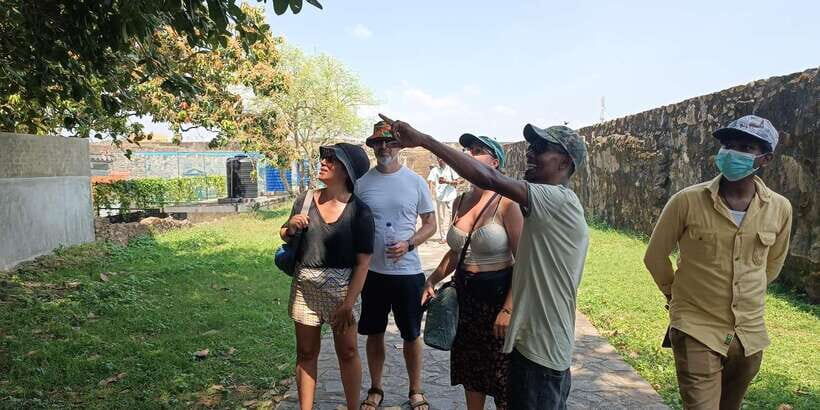
Galle Fort clicks into place on foot. Start under the Galle Fort Clock Tower and follow Moon Bastion along the ramparts, with Madawa tying the stonework to the wider story of Sri Lanka. You’re not just looking at buildings. You’re learning why they were built and how people used them.
I love two things most: the way the tour connects Galle’s fort history to everyday Sri Lankan life, and the fact that Madawa keeps things in clear English with lots of room for your questions. The walk stays relaxed, but your brain is definitely getting fed.
One real consideration: much of the route runs outdoors along the sea-facing ramparts, so sun can be intense. Bring what the tour asks for—water, sunscreen, and a hat—and plan your timing with the heat in mind.
In This Review
- Key things to look forward to
- A Galle Fort walking tour that makes the walls mean something
- Meeting at the Clock Tower and getting your bearings
- Moon Bastion: start high, then understand the fort’s geometry
- Dutch Reformed Church, Amanhgalla, and the cinnamon storage clue
- Court Square and the Dutch Hospital: where history turns human
- Lighthouse, Flag Rock Bastion, and the best rampart feeling
- Lighthouse Street, Ian drainage, and the details most people miss
- Pedlar’s Street finish at Pedlar’s Corner Café
- Price and pacing: is $15 worth 90 minutes?
- Who this Galle Fort loop suits best
- Should you book this Galle Fort walking tour?
- FAQ
- How long is the Galle Fort walking tour?
- Where do I meet for the tour?
- What does the tour cost?
- Is the tour guide available in English?
- What’s included in the price?
- What is not included?
- What should I bring?
- Is the tour suitable for older travelers?
- Can I cancel or pay later?
Key things to look forward to
- Moon Bastion views plus the Star Bastion and Sun Bastion stop, with explanations that make the defensive layout click
- Dutch Reformed Church and Amanhgalla Hotel viewpoints that help you read the fort’s edges in context
- Dutch cinnamon storage building as a practical clue to how the fort fit trade
- Court Square and the Dutch Hospital area, where stories shift from walls to people
- Lighthouse + Flag Rock Bastion for classic rampart panoramas and more fort logic
- Lighthouse Street and the Ian drainage system, a detail that turns engineering into a story
A Galle Fort walking tour that makes the walls mean something
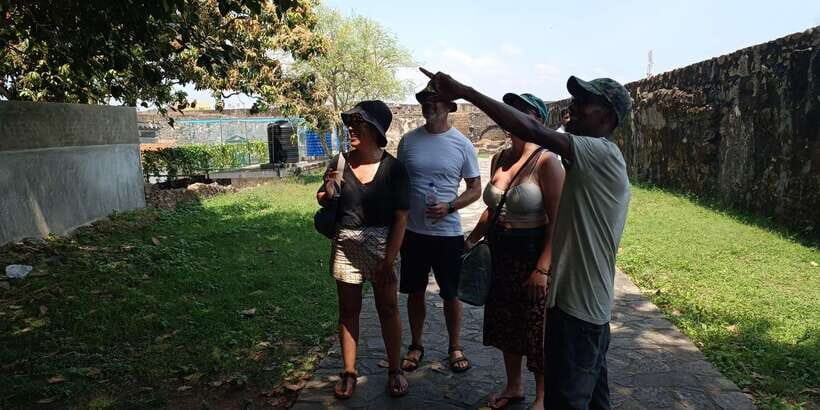
Galle Fort is one of those places where you can wander for hours and still feel like you’re just collecting photos. What makes this tour work is the structure: you move step-by-step along the fort’s perimeter, and each stop has a reason tied to the bigger picture.
The tour is led by Madawa Galagedara, a professional local guide, and the format is simple. You start inside the fort near the Clock Tower, then you work your way through the bastions and landmark buildings, finishing near Pedlar’s Corner Café. At each point, you’re not only hearing history of Galle Fort. You’re also getting context for Sri Lanka—so the fort stops feeling like an isolated museum piece.
And yes, it’s a walk. The pace is designed to stay enjoyable for about 1.5 hours, but you’ll still want to dress for sun and bring water. If you’re hoping for a quick sprint of photo stops, this is more thoughtful than that.
Other Galle tours we've reviewed in Galle



Meeting at the Clock Tower and getting your bearings
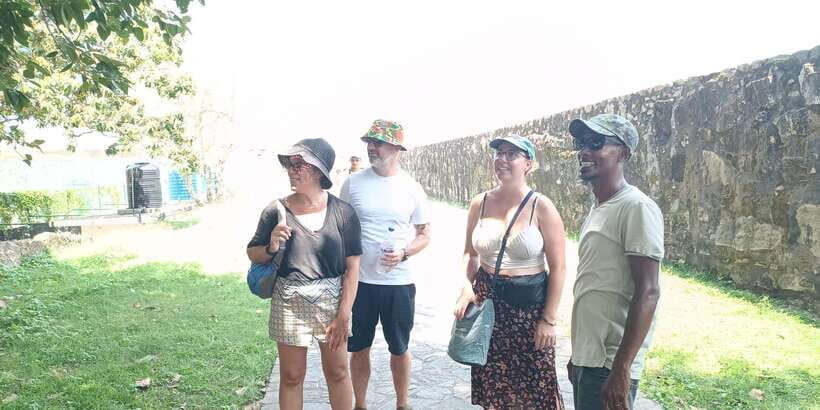
Your start point is very specific, which is helpful in a place with lots of lanes. Meet under the Galle Fort Clock Tower. If you enter Galle Fort from the new entrance, the clock tower should be on your right.
I like meeting inside the fort rather than outside. It means you begin with the right frame of mind. Instead of immediately getting lost in narrow streets, you start with the big landmark that anchors your orientation.
From the first minutes, you’ll likely get a quick explanation of how the fort’s upper and lower areas relate—basically, how the walls help define movement, protection, and view lines. It’s the kind of setup that pays off later when you’re standing at bastions and wondering how a particular stretch of wall was meant to function.
Moon Bastion: start high, then understand the fort’s geometry
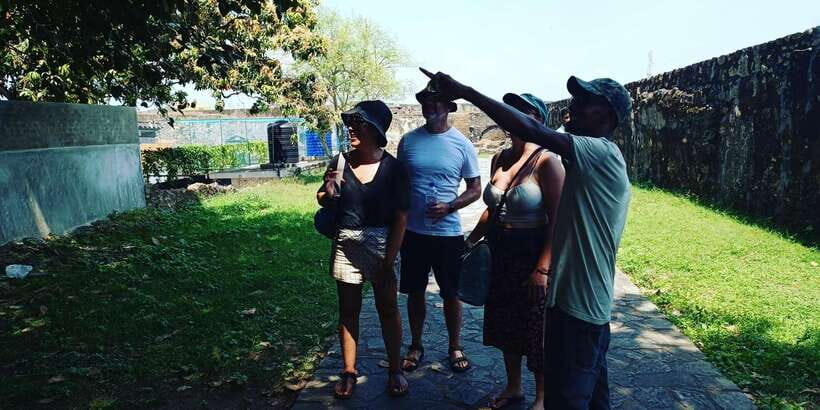
The first major “wow” is Moon Bastion, at higher elevation. This is where the tour turns from street-level wandering into real fort reading.
You’ll hear the history of the bastion layout and then visit the Star Bastion and Sun Bastion. Even if you don’t know the technical terms, the guide’s job is to translate the design into plain logic: why these points matter, what they allow defenders to see, and how the shape of the fort supports defense.
If you’re the type who likes to understand a place instead of just collecting sights, this is where you’ll feel it click. Once you’ve heard the story at the bastion level, the rest of the walk makes more sense because you start noticing angles, sightlines, and how the ramparts connect.
Dutch Reformed Church, Amanhgalla, and the cinnamon storage clue
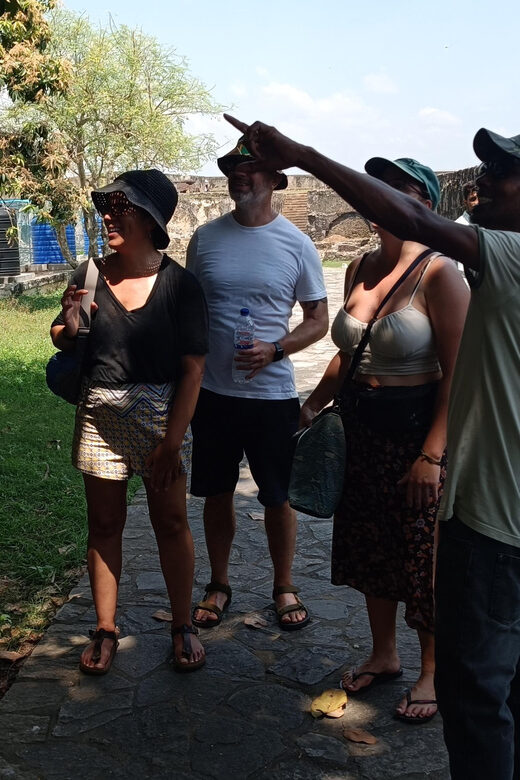
Next, the tour walks along the ramparts and hits several iconic landmarks. This stretch is valuable because it teaches you how to look at architecture beyond the postcard view.
You’ll stop where you can see the Amanhgalla Hotel (a landmark you’ll likely notice anyway once you’re in the fort). You’ll also visit the area connected to the Dutch Reformed Church. What matters here isn’t just that they look Dutch—it’s that the fort’s European-era features are part of a larger trading and governance story.
Then comes a detail that I really appreciate: the Dutch cinnamon storage building. Cinnamon is the kind of product that explains why forts got built in the first place. When the guide ties the storage story back to trade and local life, you start seeing the fort as an economic machine, not just a defensive shell.
If you’re thinking about photos, this is also one of the best segments for angles along the wall—especially if you like shots where buildings and sea air share the frame.
Court Square and the Dutch Hospital: where history turns human
After the rampart landmarks, the tour shifts toward spaces where people would have gathered, worked, and lived—Court Square and the Dutch Hospital area.
This is a smart change of pace. Bastions teach you defense. Landmark buildings teach you style and influence. But when you step into the kind of public space a court represents, or the health-related setting of a hospital, you start understanding the fort as a community hub shaped by outside powers.
The guide uses these stops to explain the history of Sri Lanka in broader terms, and that’s where the tour earns its keep. You’re not only learning what happened to Galle Fort. You’re learning how colonial-era structures affected society, language, religion, and daily routines.
I’d treat this section as your “interpretation zone.” Spend a minute longer at each stop than you think you need to. When the guide connects the place to the people, you’ll understand the fort on a deeper level—without needing a textbook.
Other Galle Fort walking tours we've reviewed in Galle




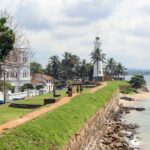
Lighthouse, Flag Rock Bastion, and the best rampart feeling
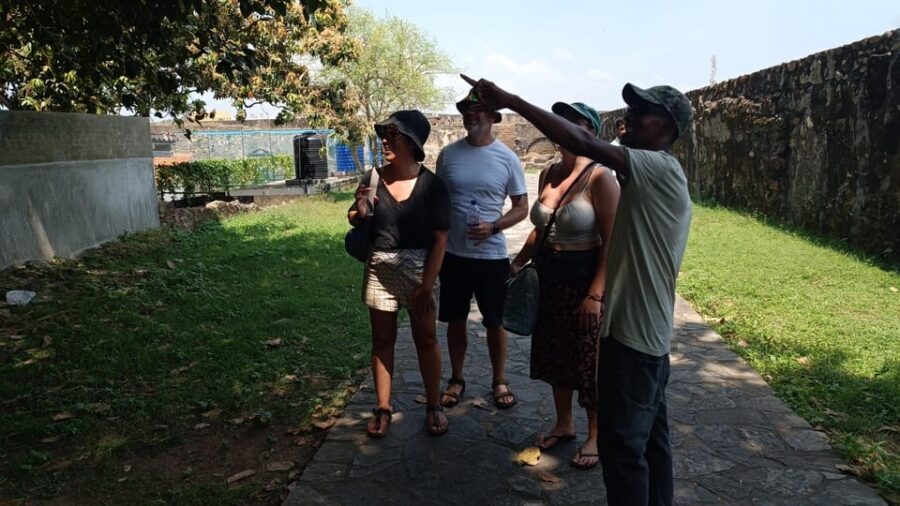
The tour moves toward the dramatic end of the fort route: the lighthouse and Flag Rock Bastion.
This part matters for two reasons. First, it’s classic Galle Fort scenery—big sky, long rampart sightlines, and the coastline doing its thing. Second, it’s where fort logic becomes visible in a very physical way: the “why” behind the positioning is easier to grasp when you’re facing the sea.
If you time it well, this segment can be especially satisfying. One of the easiest strategies is to choose a start time that avoids the harshest heat—early morning or later afternoon tends to make the walk feel more comfortable. When you arrive near the lighthouse with cooler air and better light, the whole fort feels more alive.
Look for the moments where the guide pauses to let the place sink in. That’s when you’ll notice the rampart’s shape and how the fort controls the edge between land and ocean.
Lighthouse Street, Ian drainage, and the details most people miss
Now for the kind of stop that makes a guided tour feel worth it: Lighthouse Street and the Ian drainage system.
Drainage sounds boring until you’re looking at it and realizing it’s part of how people survived in a place with heavy weather and salt air. A fort isn’t only walls and cannons. It’s infrastructure.
When the guide explains the drainage system, you start seeing the fort as a living system that had to handle water, runoff, and daily use. That small technical story also shows the broader point of the tour: these sites weren’t built for show. They were built to work.
This segment is also a great reminder to slow down. The best details are often the ones you’d otherwise walk right past. If you like learning by paying attention, this is where you’ll feel rewarded.
Pedlar’s Street finish at Pedlar’s Corner Café
The tour ends toward Pedlar’s Street, finishing at Pedlar’s Corner Café.
That ending location is practical. You’ll be right in the area where you can regroup, drink water, and decide what you want next—whether that’s a relaxed drink, a beach walk nearby, or more exploring on your own. Ending with a café stop helps you avoid the awkward scramble of trying to find your next move right after you finish the ramparts.
I also like that the tour ends after covering a full perimeter logic. You leave with a stronger sense of how Galle Fort pieces fit together, so your self-guided time afterwards feels more intentional.
Price and pacing: is $15 worth 90 minutes?
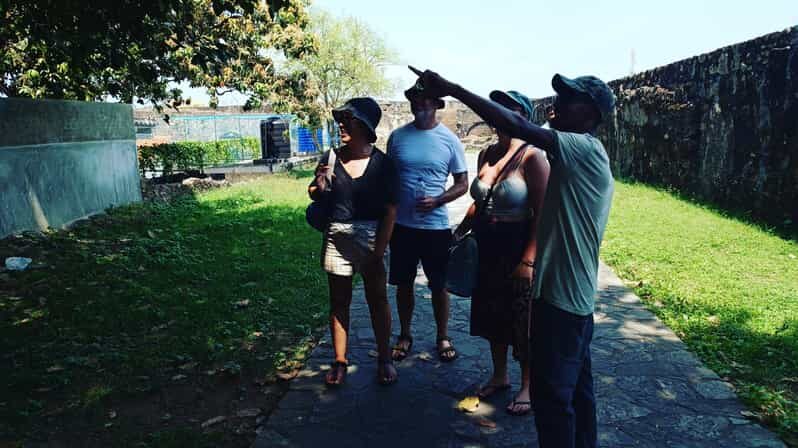
At $15 per person for about 1.5 hours, you’re paying for one main thing: interpretation. You get a professional guide and all entrance free are handled as part of the tour setup. That means your budget goes toward guided understanding instead of ticket hassles.
There’s also good value in the Q&A style. The tour is explicitly designed so you can ask questions about Galle and Sri Lanka, and the guide can answer in English. If you’re curious about why certain colonial-era features remain, or how the fort connects to the country today, a guided format can save you from guessing.
Pacing is another part of value. The route is a walk that stays relaxed enough for most people to enjoy the sights without feeling like you’re rushing. Still, the fort can get hot, and you are outdoors for stretches—so your comfort depends on sun management.
As for refreshments, they’re not included. That’s fine if you plan to buy water or a drink at the end, but it’s why bringing water matters from the start.
Who this Galle Fort loop suits best
This tour fits best if you want more than a surface walk.
You’ll likely enjoy it if:
- You like history explained with real-world context, not just dates
- You want to see major fort features in one organized loop
- You prefer an English-speaking guide with time for questions
- You’re visiting Galle Fort and want to understand how Dutch-era structures connect to Sri Lanka today
It may not be a great match if you’re someone who dislikes walking on uneven surfaces or if you’re sensitive to sun exposure. Also, the tour is not suitable for people over 95 years, so plan accordingly.
Should you book this Galle Fort walking tour?
If you want your time in Galle Fort to feel like it means something, I’d book it. For $15, you get a guided perimeter walk that covers the big sites—Clock Tower, Moon Bastion (with Star and Sun Bastions), Dutch landmarks, Court Square, Dutch Hospital, lighthouse areas, and Lighthouse Street—plus the Sri Lanka context that turns “old stones” into a story.
The only real drawback is also the simplest: it’s outdoors. If you come prepared with water, sunscreen, and a hat, you’ll be set.
FAQ
How long is the Galle Fort walking tour?
The tour lasts about 1.5 hours (around 90 minutes).
Where do I meet for the tour?
Meet under the Galle Fort Clock Tower. If you enter the fort from the new entrance, the clock tower is on the right side.
What does the tour cost?
It costs $15 per person.
Is the tour guide available in English?
Yes, the live tour guide speaks English.
What’s included in the price?
You get a professional tour guide and all entrance free.
What is not included?
Refreshments are not included.
What should I bring?
Bring a hat, sunscreen, and water.
Is the tour suitable for older travelers?
The tour is not suitable for people over 95 years.
Can I cancel or pay later?
Yes. You can cancel up to 24 hours in advance for a full refund, and you can reserve now & pay later (pay nothing today).