REVIEW · GALLE
Stilt-Fishing Experience in Ahangama
Book on Viator →Operated by Ceylon Food Trails · Bookable on Viator
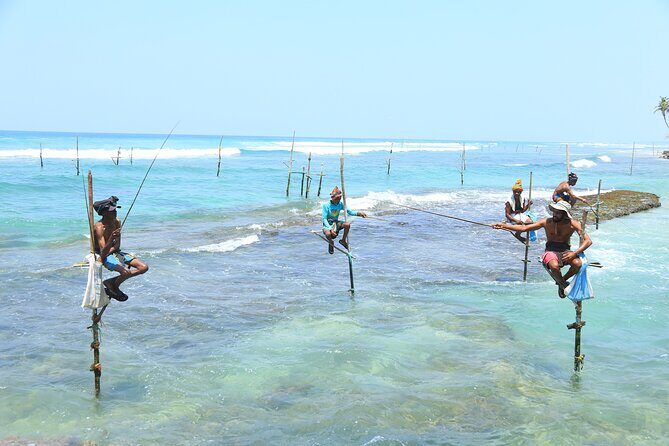
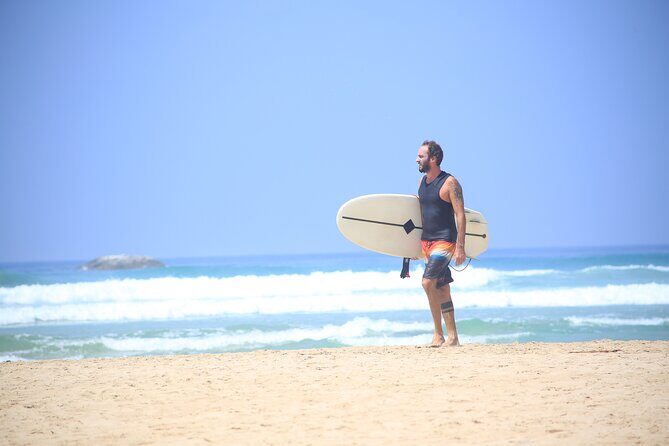
Ahangama’s stilt fishing is seriously mind-boggling. This 3-hour private experience takes you to Ahangama Beach to watch and then try a long-running fishing method, using stilts with a small crew of fishermen. I especially love that it is hands-on—you get the chance to learn the ropes and attempt stilt fishing yourself. The other big win for me is the human side: a nearby village stop where you meet villagers and see craft skills like finger weaving and artisan making. One consideration: it’s a beach-and-craft style outing, so you’ll want to be ready for sun and sand (and you may get splashes depending on conditions).
Price-wise, $140 per person looks steep until you see what’s included: an English guide, a guided village visit with demonstrations, and an authentic lunch with live cooking plus tea and snacks. In a short time window, you’re not just “seeing” things—you’re getting pulled into how people live and eat around Ahangama. Start time is 10:30 am, and the tour ends back at the meeting point, so it’s easy to plug into the rest of your day.
What you’ll really remember is the feeling of a tradition still practiced by local families around this coastline. One past guest even called out that stilt fishing is an old practice around Ahangama and Kathaluwa, associated with hundreds of families. Add in the village learning and a meal tied to the catch of the day, and the whole experience lands as more than a quick photo stop.
In This Review
- Key Points at a Glance
- Stilt Fishing in Ahangama Beach: What Makes This 3-Hour Tour Work
- Meeting at Hopper Street Food and Getting Ready for 10:30
- Watching 4 Stilt-Fishermen First: The Learning Moment
- Trying Stilt Fishing Yourself: What You’ll Likely Feel and Learn
- The Cultural Village Stop: Meeting 10 Villagers and Seeing Craft Skills
- Lunch with Live Cooking: Food That Ties Back to the Catch
- Price and Value: What $140 Buys in a Short Private Tour
- Who Should Book This (and Who Might Skip It)
- Practical Notes That Can Save You Time
- Should You Book This Stilt-Fishing Experience in Ahangama?
- FAQ
- How long is the stilt-fishing experience in Ahangama?
- What time does the tour start?
- Where is the meeting point?
- What does the price include?
- Will I be able to try stilt fishing myself?
- How big is the group?
- Is lunch provided, and is it live-cooked?
- What about language support?
- What is the cancellation policy?
- Is the activity confirmed after booking?
Key Points at a Glance
- Hands-on stilt fishing with an option to try after learning from the fishermen
- Village visit with 10 villagers, led by a Sri Lankan host
- Finger weaving and artisan making (rugs, table mats, and chairs are part of what you may see)
- Live-cooked Sri Lankan lunch with tea and snacks
- Private group format so the experience stays focused on your group
- Strong practical support signals for planning and communication, especially if transport gets tricky
Stilt Fishing in Ahangama Beach: What Makes This 3-Hour Tour Work
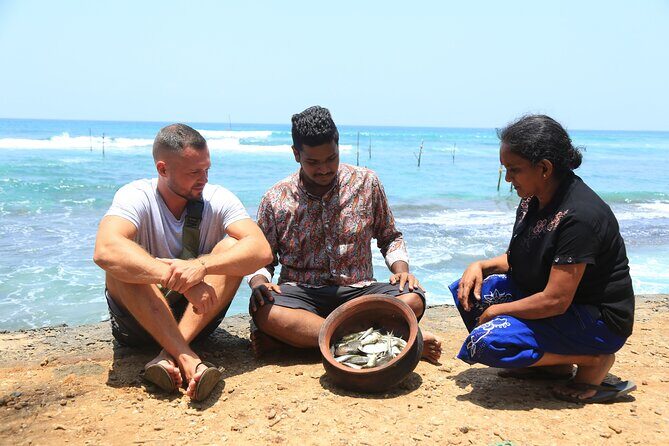
This is a tight, well-paced outing centered on one core idea: you’ll learn a working tradition, then you’ll meet the people who live alongside it. The stilt fishing portion happens right where the action is—on the water near Ahangama—then it quickly shifts to culture and food inland.
Timing matters here. A 10:30 am start gives you good daylight for watching fishermen at work and for a lunch that feels connected to what happened earlier. And because it’s about 3 hours, you can enjoy it without losing an entire day to logistics.
Also, this is designed for active curiosity. You’re not only watching from a distance. You’ll be guided by an English-speaking guide throughout, and you’ll have time to try stilt fishing yourself after the initial explanation.
If you're still narrowing it down, here are other tours in Galle we've reviewed.



Meeting at Hopper Street Food and Getting Ready for 10:30
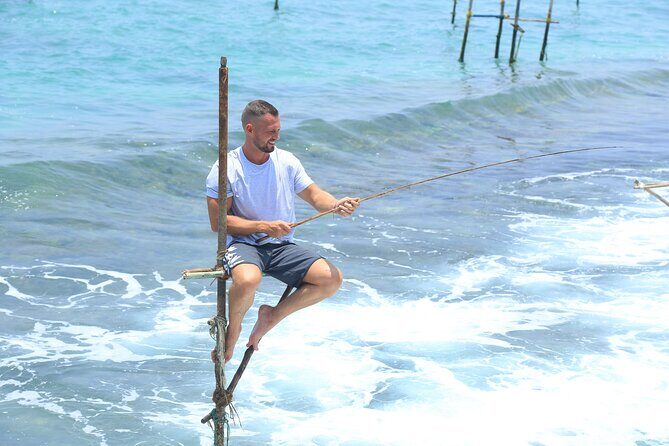
Your tour starts at Hopper street food in Ahangama (the plus code listed is X9C8+G74). The activity ends back at the same meeting point, which keeps things simple when you’re planning the rest of your day.
Because you’ll be doing beach-side activity and then moving to a cultural village setting, I’d plan for practical comfort:
- Wear something you’re okay with getting sandy.
- Bring water so you don’t feel rushed during the shifts between stops.
- If you’re sensitive to sun, plan for shade breaks during the waiting time.
If you’re using a tuk-tuk or car pickup, here’s a useful caution from one prior guest: pay attention to vehicle papers when transport is part of the arrangement. It’s not something you want to think about on the morning of your tour, so do a quick check if someone is picking you up.
Watching 4 Stilt-Fishermen First: The Learning Moment
The stilt fishing experience is built around a small group format with 4 stilt-fishermen. That’s a big deal, because it means the guide and fishermen can show you what matters without the group becoming too large to manage.
What you can expect is an initial “how it works” stage, where you’ll witness the fishermen using stilts to catch fish. Then you’ll learn the ropes in a way that’s meant to get you ready to try. This is one of the most praised parts of the experience because it turns a spectacle into a skill you can understand.
And there’s a cultural layer here that helps you interpret what you’re seeing. Stilt fishing isn’t described as a gimmick—it’s framed as an age-old tradition practiced in the Ahangama and Kathaluwa area, with deep local roots. When you understand that this is still a livelihood for local families, the whole thing clicks differently than it would as a novelty activity.
Trying Stilt Fishing Yourself: What You’ll Likely Feel and Learn
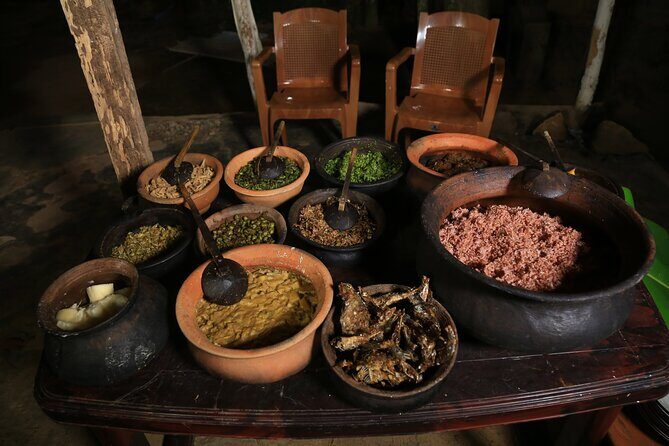
After you watch, you’ll have the option to try stilt fishing yourself. The goal isn’t just a quick “stand here” moment—it’s an opportunity to learn how the fishermen approach their work and then attempt catching fish in the area.
You’ll also hear about the different types of fish found locally, and you may catch a few in the surrounding waters. The most satisfying part: the catch you’re involved with is planned to be consumed on the same day for lunch or dinner.
A quick reality check: on-water activities can be affected by wind, water movement, and the pace of the fishermen. The tour keeps the structure tight, but you should expect that the feeling is hands-on and physical rather than staged like a show.
If you’ve ever wanted a travel story that’s about doing, not just looking, this is the kind of thing that delivers. Even if you catch less than the fishermen, you’ll walk away with real context for how stilt fishing works.
The Cultural Village Stop: Meeting 10 Villagers and Seeing Craft Skills
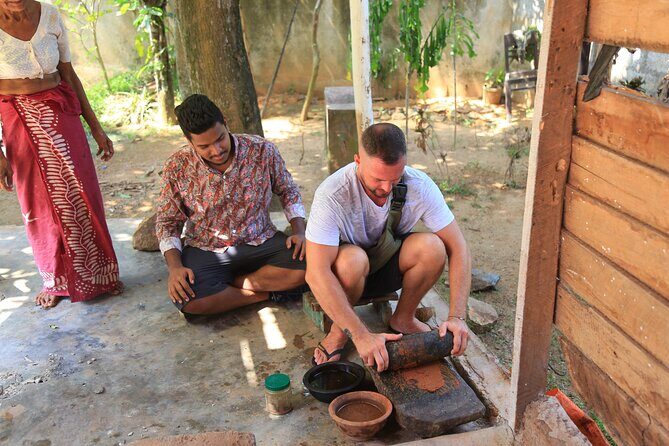
After the beach portion, you move into a nearby cultural village visit with a Sri Lankan host. You’ll meet 10 villagers, and the focus is on day-to-day cultural practice—how people live, work, and make useful items by hand.
This is where the tour gains depth. The stilt fishing explains a connection to the sea, and then the village stop shows a connection to home craft. You may see finger weaving and artisan item making such as rugs, table mats, and chairs. That’s a smart pairing: it keeps the experience from becoming a one-note “tourist activity.”
What I like about this structure is that you’re not just touring a workshop. You’re meeting people and learning what they do, with the guide helping connect the dots in English. For many visitors, this is the most memorable part because it shifts from performance to everyday pride.





Lunch with Live Cooking: Food That Ties Back to the Catch
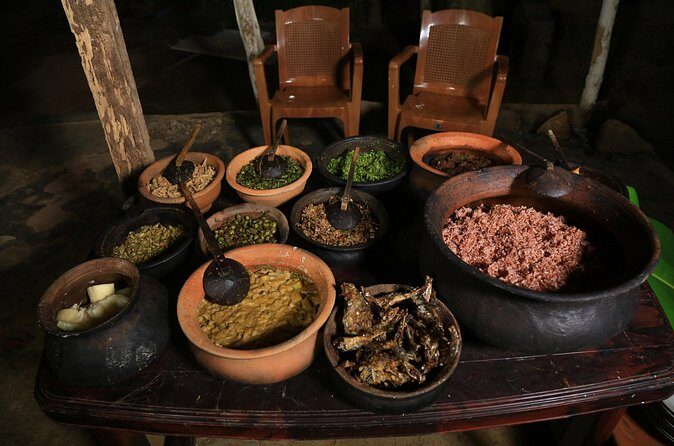
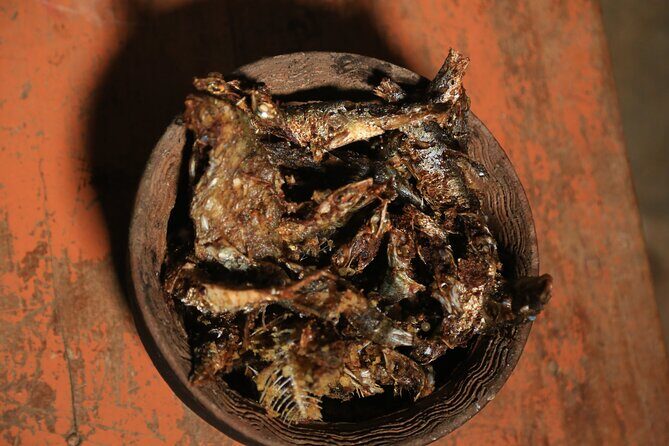
Lunch is not an afterthought here. The experience includes an authentic Lankan lunch with a live cooking setup—plus tea and snacks. You’ll see recipes prepared using fresh ingredients described as organic and healthy.
And because stilt fishing is part of your earlier stop, there’s a built-in story connection: fish caught in the area is planned to be used for the meal that same day. That creates a satisfying full-circle effect—your morning activity feeds your midday experience.
For food lovers, the value is not only in taste but in process. Live cooking means you can ask questions through the English guide and get a better sense of what goes where. You’re also not just eating a generic “tour lunch.” The experience is presented as a set of Sri Lankan recipes built around fresh ingredients.
Price and Value: What $140 Buys in a Short Private Tour
Let’s talk money plainly. $140 per person for a 3-hour private outing can feel high at first glance. But the cost makes more sense when you break it down:
- You’re paying for private time with an English guide.
- You’re getting a guided on-water tradition with stilt fishermen (not just a quick look).
- You’re also getting a village cultural session with a Sri Lankan host and meeting 10 villagers.
- Lunch includes live cooking plus tea and snacks.
In other words, this isn’t only a “fishing activity.” It’s a blended package of sea tradition, cultural learning, and a meal that’s connected to the day. If you were to book those pieces separately, you’d often end up paying more for smaller fragments.
Also, the booking timeline is telling: this is commonly booked far in advance (around 87 days). That usually means people value the limited availability or the timing of slots. If you’re traveling during peak season, plan ahead.
Who Should Book This (and Who Might Skip It)
This stilt-fishing + village lunch tour is a great fit if you want:
- A hands-on cultural experience in Ahangama rather than a passive stop.
- A short outing that still feels complete (sea, craft, and food).
- An English-guided day that helps you understand what you’re seeing.
It may be less ideal if you’re looking for a long beach hang, snorkeling, or a heavy walking itinerary. This is focused and structured. The main work is the fishing learning and village-craft viewing, followed by lunch.
Practical Notes That Can Save You Time
A few things to keep your day smooth:
- The start time is 10:30 am, and you’ll return to the same meeting point afterward. Plan your next activity with a buffer.
- The tour is private, meaning only your group participates. That often makes for better pacing and less waiting.
- You’ll receive confirmation within 48 hours of booking, based on availability.
- If you travel with a service animal, service animals are allowed.
- The start area is near public transportation, which can help if you’re not doing private transport.
One last tip: double-check any pickup details and communications ahead of time. One past guest praised fast support via WhatsApp or phone when transport plans were hard. Having a clear contact path is a small thing that prevents big mornings from going sideways.
Should You Book This Stilt-Fishing Experience in Ahangama?
I’d book it if you want a real story from Ahangama that goes beyond photos. The best reason is the combo: stilt fishing you can try yourself, a village visit with actual people and craft demonstrations, and a lunch that ties back to the day’s catch.
Skip it if you mainly want a relaxing beach block or if you’re the type who hates anything water-adjacent. This is hands-on and outdoorsy, even if it’s only about three hours.
If you’re already considering other Sri Lanka food or culture tours, this one stands out because it connects the sea tradition to the meal on your plate, then adds village craft so you leave with more than one flavor of memory.
FAQ
How long is the stilt-fishing experience in Ahangama?
It runs about 3 hours.
What time does the tour start?
The start time is 10:30 am.
Where is the meeting point?
You meet at Hopper street food in Ahangama (plus code X9C8+G74). The tour ends back at the meeting point.
What does the price include?
The experience includes stilt fishing with the fishermen, a cultural village visit with a Sri Lankan host, live-cooking lunch with tea and snacks, and an English guide.
Will I be able to try stilt fishing myself?
Yes. You’ll learn the ropes first, and then you have the option to try stilt fishing yourself.
How big is the group?
This is a private tour/activity, so only your group participates.
Is lunch provided, and is it live-cooked?
Yes. Lunch is provided and described as an authentic Lankan lunch with live cooking, plus tea and snacks.
What about language support?
The guide is English speaking and guides you throughout the experience.
What is the cancellation policy?
You can cancel for free up to 24 hours before the experience’s start time for a full refund.
Is the activity confirmed after booking?
You’ll receive confirmation within 48 hours of booking, subject to availability.