REVIEW · GALLE
10 Day Explore Sri Lanka
Book on Viator →Operated by Awesome Lanka Travels · Bookable on Viator
Ten days, one clear route through Sri Lanka. This private road-trip style itinerary strings together ancient Buddhist sites, tea country stops, famous viewpoints, and a finish in Galle. If you like seeing Sri Lanka in a logical order (rock fortresses to cave temples to train views to coastal heritage), this trip has that feel.
I especially like two things about it. First, the trip is anchored by a driver-guide approach, and in past bookings Nilan earned praise for being professional, calm, and focused on safety and smooth driving. Second, you get real on-the-road comfort: an air-conditioned vehicle, WiFi on board, water bottles while traveling, and short anecdotes tied to what you’re seeing.
One thing to plan for: many major sights list admission as not included, and you’ll likely budget extra for tickets (and safari tickets in Yala). Also, some days start early, so if you hate mornings, this tour will ask you to flex.
In This Review
- Key highlights from this 10-Day Explore Sri Lanka route
- How the 10 days are paced and what that means for you
- Day 1: Aukana and Mihintale set the tone with Buddhism-on-the-ground
- Day 2: Anuradhapura’s Mahamevnawa monastery, then Sigiriya-area icons
- Day 3: Sigiriya rock fortress and Polonnaruwa’s archaeological calm
- Day 4: Dambulla cave murals, Kandy cultural show, and the Tooth Relic Temple
- Day 5: Botanical Gardens, tea tasting at Damro Labookellie, and Nuwara Eliya postcards
- Day 6: Horton Plains early start and the Nine Arches Bridge rail moment
- Day 7: Little Adam’s Peak views, Ravana Ella Falls, and Buduruwagala
- Day 8: Yala safari for leopard chances plus Hikkaduwa turtles and stilt fishing
- Day 9: Galle Dutch Fort ramparts and the calm Japanese Peace Pagoda
- Day 10: Madu River Safari by Buddhi and Ariyapala Mask Museum to close strong
- Price and value: what $44 covers and what you should budget for
- Should you book this 10-Day Explore Sri Lanka tour?
- FAQ
- Is pickup included on this tour?
- Is this tour private?
- What’s included in the price?
- What is not included?
- Are any attractions free?
- What time does the experience operate?
- How long is the tour?
- Is the tour suitable for most travelers?
- What happens if weather is bad?
Key highlights from this 10-Day Explore Sri Lanka route
- Private transportation across Sri Lanka with anecdotes that explain what you’re actually looking at
- Ancient sites in a smart sequence, from Aukana and Mihintale through Anuradhapura, Sigiriya, Polonnaruwa, and Dambulla
- Ella’s signature viewpoints and rail segment, with Nine Arches Bridge in the mix
- Yala day built around a safari with strong drivers, plus a turtles-and-fishing coastal add-on
- Galle heritage finish with the Dutch Fort ramparts and a quiet photo stop at Japanese Peace Pagoda
- Day 10 ends with nature and craft, via Madu River Safari and the Ariyapala Mask Museum
How the 10 days are paced and what that means for you
This is not a scattershot tour. It’s built like a series of “chapters,” where each day clusters nearby stops and avoids long guesswork. You’ll spend a lot of time in a vehicle (that’s the cost of covering UNESCO sites and coast in one go), but the included comfort items help: air-conditioning, water, parking fees, and onboard WiFi.
Expect a mix of big-ticket sights and smaller cultural stops. Some entries are listed as free, some are not. The itinerary also leans religious and historical in the mornings, then adds scenic or hands-on experiences later.
Finally, because it’s private, your group’s pace matters. If you want more time at a viewpoint or you prefer a shorter walk, a private format is usually the easiest way to manage it—assuming your driver has the flexibility to keep timings reasonable.
If you're still narrowing it down, here are other tours in Galle we've reviewed.



Day 1: Aukana and Mihintale set the tone with Buddhism-on-the-ground
You start with Aukana Rajamaha Viharaya, including a look at the Aukana temple grounds and the well-known large statue on site. This is a good opener because it gives you an immediate visual anchor for Sri Lankan Buddhist art and scale.
Then comes Mihintale, the place tied to Mahinda Thero, where Buddhism is said to have taken root in Sri Lanka. The best part here is the hike up Mihintale Rock and the guided highlights along the way. Even though the ticket is listed as free, the value is mostly in the guide’s context and what you notice as you climb.
Practical note: this is a day where comfortable shoes help. You’ll want your legs ready for the rock approach before you hit the heavier historical blocks later.
Day 2: Anuradhapura’s Mahamevnawa monastery, then Sigiriya-area icons
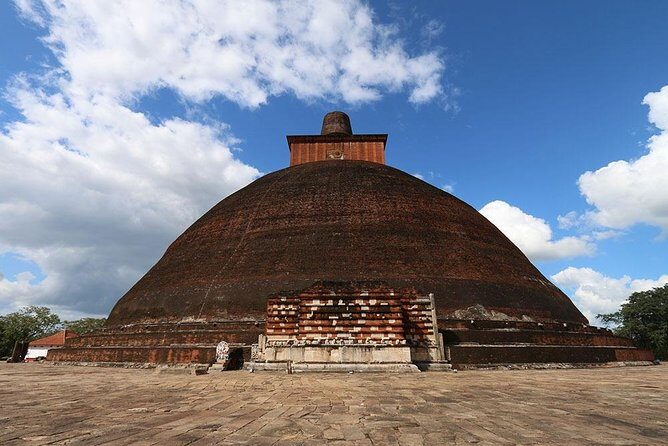
Day 2 is a classic Sri Lankan “history corridor” day. You begin at Mahamevnawa Dhammachethiya Buddhist Monastery in Anuradhapura, where you can ask your guide what to prioritize. The itinerary calls out key stops like Sri Maha Bodhi, the Brazen Palace, Ruwanweliseya, Jethawanaramaya, Abhayagiriya Stupas, and a stone-carved Buddha statue. Even if you only catch the highlights, this is a dense day of sight-specific storytelling.
Next is the Samadhi Statue, described as a smooth, magnificent stone Buddha statue. It’s the kind of stop that works well between big complexes because it’s more focused and easier to absorb.
Then you add options in the Sigiriya area: Sigiri Dasuna, with the mention of an Ayurveda treatment opportunity if you want it. After that, you wrap with Sri Maha Boodhi Temple, described as an oldest written historical tree and tied to the right branch of the Sri Maha Bodhi Tree connected to Buddha’s enlightenment.
Consideration: this is not a “rest day.” If your group likes short, meaningful stops rather than nonstop movement, you’ll want to set expectations with your driver-guide early.
Day 3: Sigiriya rock fortress and Polonnaruwa’s archaeological calm
Day 3 is built around two UNESCO-class experiences in one arc.
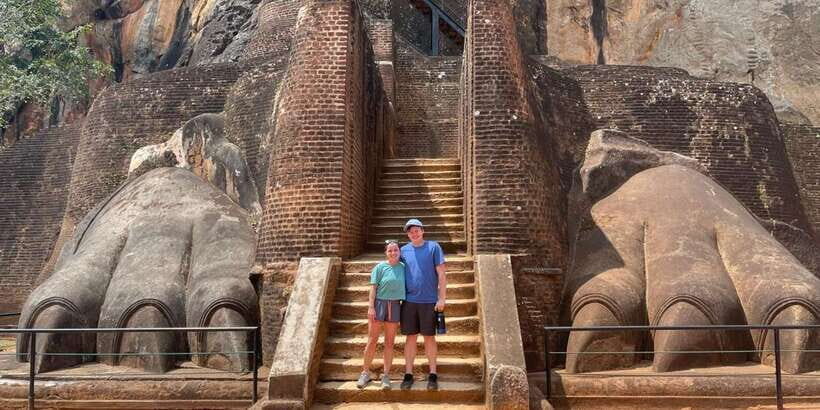
First is Sigiriya The Ancient Rock Fortress. You’re looking at the fortress premises and monuments in an area connected to very early history. The time block here is about 2 hours, so it’s a “see the core things” approach rather than a slow wander.
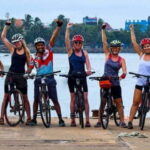
Then you move to Polonnaruwa Vatadage, an archaeological site with lakes and statues. The listing mentions that bicycle access may be possible with a guide, which can be a nice way to cover more ground without feeling like you’re constantly walking uphill or across uneven surfaces.
If you like your history with a side of scenery, this day fits. It’s also a helpful bridge: Sigiriya is dramatic and visual, while Polonnaruwa tends to feel more open and architectural.
Day 4: Dambulla cave murals, Kandy cultural show, and the Tooth Relic Temple
Day 4 starts at the Golden Temple of Dambulla, including the caves plus murals and statues. The description emphasizes long historical roots, and for most people the main payoff is seeing the religious artwork in the cave environment rather than just hearing about it.
After that, you add Kandy Lake Club for a cultural dance show. This is one of those “energy reset” blocks. You’re still in culture mode, but it gives your eyes and ears a break from climbing and stone walking.
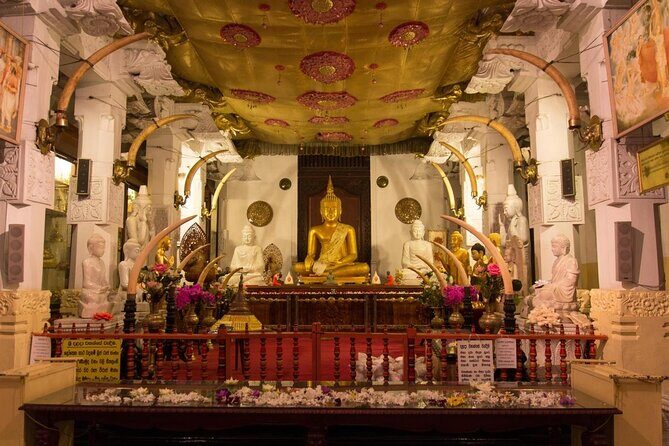
Next is Temple of the Sacred Tooth Relic, with time for the museum and the temple premises. This stop usually matters most when your guide explains what you’re seeing and why it’s important to worshippers.
Consideration: religious sites often have dress expectations. The listing doesn’t spell out rules, so treat this as a “plan ahead” day and pack something that covers shoulders and knees if you can.

Day 5: Botanical Gardens, tea tasting at Damro Labookellie, and Nuwara Eliya postcards
This day is where Sri Lanka shifts from religious landmarks to nature and colonial-era charm.
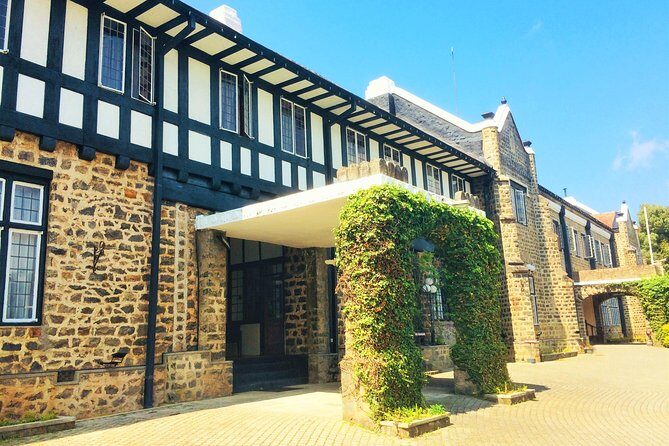
You visit the Royal Botanical Gardens, listed as the biggest botanical garden in Sri Lanka. The itinerary points to areas like giant bamboo, cactus collections, and orchid collections. Even if you’re not a hardcore plant person, the garden layout can make the day feel easier: you’re outside, moving at your pace, and not battling crowds in a tight site.
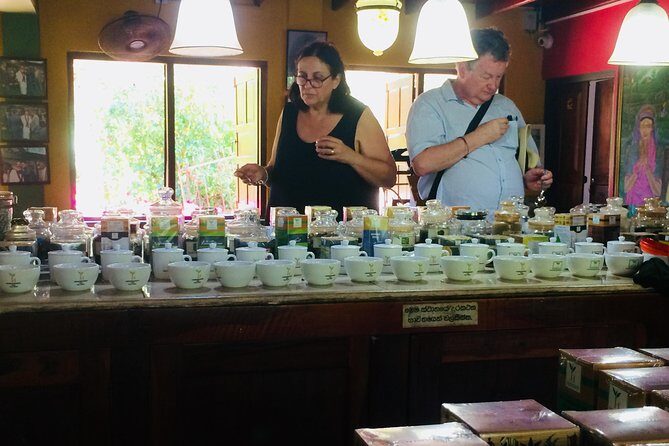
Then you go to Damro Labookellie Tea Centre and Tea Garden, where you’ll see the tea process and taste different types. The listing says the tea is world famous, and the practical value here is simple: you’ll understand what tea means in Sri Lanka beyond buying a bag in a shop.
You finish with the Post Office Nuwara Eliya, described as a colonial-period building where you can send a postcard. It’s a small stop, but it’s memorable because it’s a timed activity: you stop, write, and mail a real souvenir while you’re there.
This is also a good day for groups who want variety. It’s calmer than rock fortresses and cave temples, but still distinctly Sri Lankan.
Day 6: Horton Plains early start and the Nine Arches Bridge rail moment
Day 6 begins with an early hotel departure for Horton Plains National Park. The itinerary explicitly says you should leave early in the morning, and it frames Horton Plains as the most different environmental national park in Sri Lanka. Time on this stop is listed at about 4 hours, so it’s not a quick photo stop.
Then you travel to Ella by train for a famous rail journey with great views. The route also includes Nine Arches Bridge, plus mention of a railway tunnel. The bridge stop is listed as about 1 hour, and it’s described as being built using Sri Lankan technology during the English colonial period.
What you should know: train rides in this part of Sri Lanka are a core attraction, but the quality of the experience often depends on weather and light. If it’s misty, the views can go soft. If it’s clear, it’s usually spectacular. Either way, the ride itself is a highlight.
Day 7: Little Adam’s Peak views, Ravana Ella Falls, and Buduruwagala
Day 7 is another “view day,” but with more cultural texture.
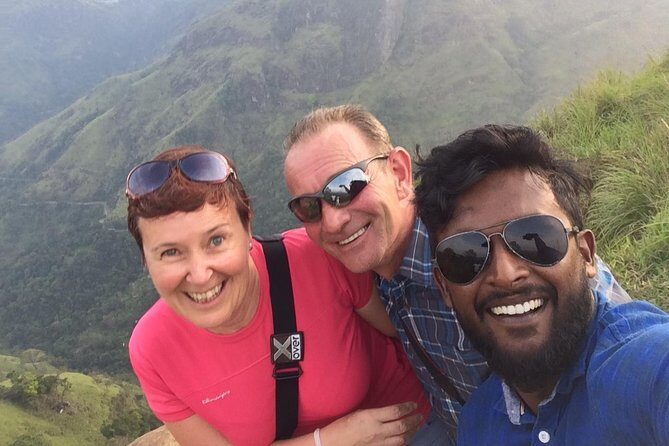
You climb Little Adam’s Peak (also called Punchi Sri Pada) for a 360-degree viewpoint if conditions allow. The itinerary notes optional zip line right nearby (you should pay), which is a fun add-on for people who want one active moment among the sightseeing.
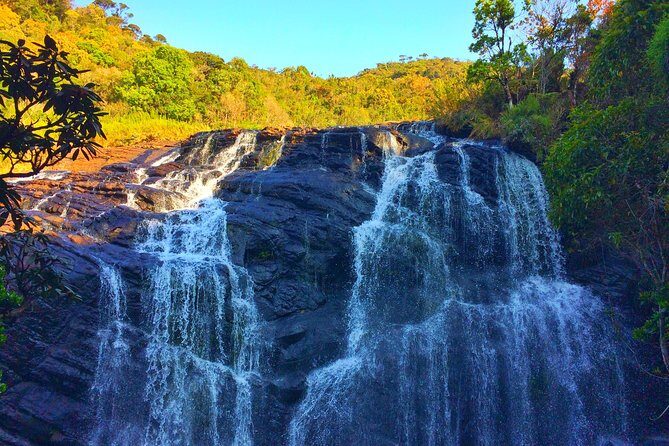
Then you stop at Ravana Ella Falls, described as a huge, famous waterfall. It’s listed as a short stop (about 30 minutes), so think of it as a photo-plus-break moment rather than a long hike.
Finally, you visit Buduruwagala Temple, described as an ancient statue carving on bedrock by folk artists. The listing says there are huge Buddha statues and other god statues, with local belief that one statue is the next Buddha, plus an old monastery setting.
This day works well for mixed-energy groups: you get the big climb, then the falls, then the quieter carved rock temple at the end.
Day 8: Yala safari for leopard chances plus Hikkaduwa turtles and stilt fishing
Day 8 is the wildlife-and-coast combo.
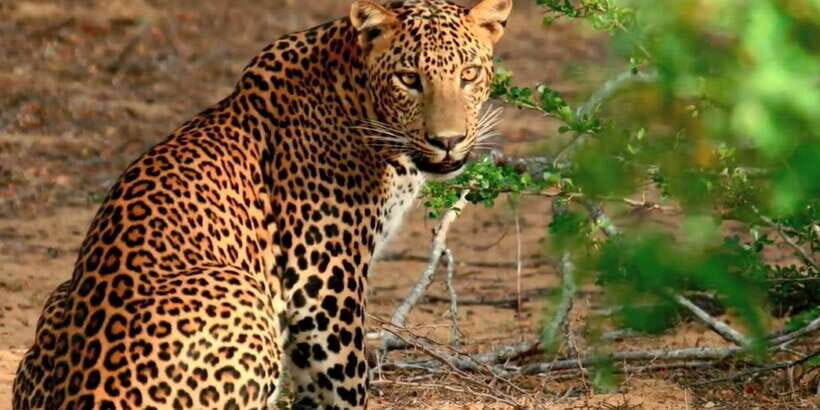
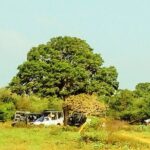
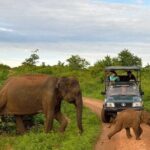
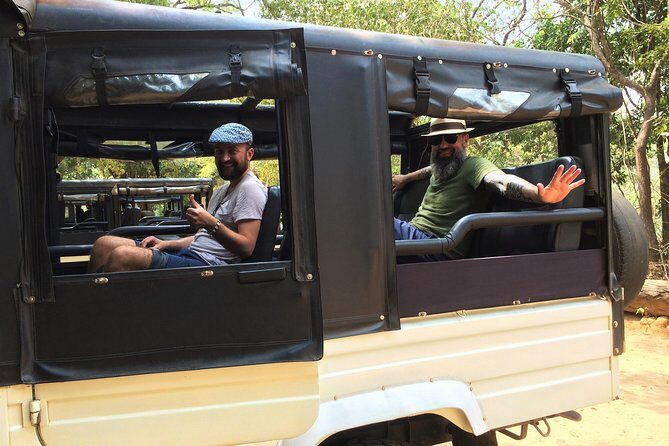
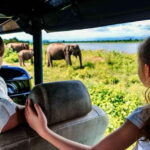
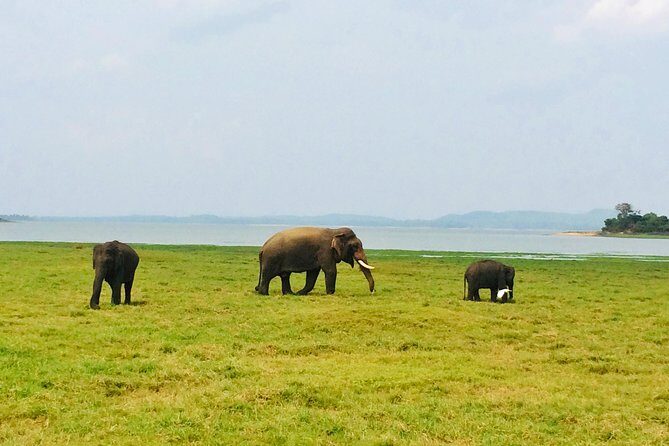
First comes Yala National Park, where the itinerary says you might see leopard. The tour highlights that safaris use best drivers, and it also notes that you should buy tickets. This is the most important planning piece of the day: Yala is not just a viewpoint stop, it’s a timed activity that depends on safari ticketing and the day’s route inside the park.
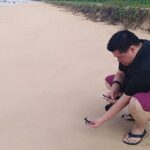
Next, you head to Turtle Hatchery Hikkaduwa, where you can see different types of turtles and even release a baby turtle if you wish (discuss with your driver). This is hands-on, emotional, and usually one of those stops that sticks with people long after the trip photos.
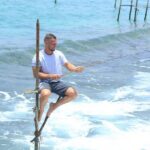
Then you finish at Stilt Fishermen Sri Lanka, described as traditional fishing still used by some people, though the itinerary also notes that some days they do it for commercial purposes for tourists. Use your guide here to keep expectations grounded, and focus on the technique and setting more than the staged look.
Day 9: Galle Dutch Fort ramparts and the calm Japanese Peace Pagoda
Day 9 brings you to the coast with Galle Dutch Fort. The listing notes the Dutch-built fortress during colonial times, and it includes rampart areas and archaeologically valuable spots. This is one of the best ways to close a Sri Lanka “culture-heavy” first half: stone walls, sea air, and architecture that looks different from inland temples.
Then you head to the Japanese Peace Pagoda – Rumassala, on Rumassala Mountain. It’s described as calm and good for beautiful pictures.
This day feels like a palate cleanser. You’re done with ticket-heavy religious complexes for a bit, and you can slow down and enjoy the coastline.
Day 10: Madu River Safari by Buddhi and Ariyapala Mask Museum to close strong
Your final day leans nature, craft, and local life.
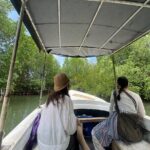
You do a Madu River Safari by Buddhi, described as including mangrove views and cinnamon oil production, with temples located in the islands and birds and monkeys (and sometimes even crocodiles). The itinerary is clear that this is a 2.5-hour experience, so it’s long enough to feel like you went somewhere, not just that you passed through.
After the river, you visit Ariyapala Mask Museum, with traditional masks and factory-style viewing, plus various puppet museum exhibits. It’s a strong cultural finish because it gives you a tangible craft linked to Sri Lankan storytelling and theater.
If you like closing a trip with something visual and not too physically demanding, this ending is a good match.
Price and value: what $44 covers and what you should budget for
The price shown is $44 for about 10 days, and that is strikingly low for a route this long. In practice, you’ll want to think of the price as covering core transport and scheduling rather than every single entrance and activity.
What’s clearly included:
- Air-conditioned vehicle
- Private transportation and parking fees
- WiFi on board
- Fuel surcharge
- Water bottles while traveling
- Anecdotes tied to places you discover
What’s not included (based on the listing details):
- Driver/Guide accommodation fee
- Many admission tickets (numerous stops are listed as not included)
- Yala safari tickets (explicitly should buy tickets)
- Optional add-ons like Ayurveda at Sigiri Dasuna and zip line near Little Adam’s Peak
- Some stops are listed as free, others not, so the mix varies by day
Also remember: the itinerary mentions that the experience requires good weather. If weather cancels or changes things, you might be offered a different date or a refund. That matters if you’re booking around fixed travel days.
My take on value: this tour looks like strong value for people who want a private driver-guide, comfort in transit, and a structured route across major sites—provided you’re okay handling entrance fees and optional tickets along the way.
Should you book this 10-Day Explore Sri Lanka tour?
Book it if you want a private, driver-led way to hit major religious and historical sites, plus the Ella rail experience and a Yala safari. I’d especially recommend it for first-timers who don’t want to piece together logistics between UNESCO stops, tea country, and Galle.
Pass or at least rethink it if you hate early starts, dislike paying extra for admissions, or want lots of unstructured time. This itinerary is organized. It moves.
If you’re booking because of service quality, the feedback linked to Nilan is a real plus: calm, professional driving, and a sense of safety and trust. That kind of guide can turn a long route from stressful to manageable.
FAQ
Is pickup included on this tour?
Yes. Pickup is offered as part of the experience.
Is this tour private?
Yes. It’s described as a private tour/activity, with only your group participating.
What’s included in the price?
Included items listed are air-conditioned vehicle, private transportation, WiFi on board, fuel surcharge, parking fees, water bottles while you travel, and anecdotes related to the places you visit.
What is not included?
Not included items listed are driver/guide accommodation fee, plus admission tickets for many stops. You should also buy safari tickets for Yala. Some optional experiences like zip line and Ayurveda may require extra payment.
Are any attractions free?
Yes. Some stops are listed as free, including Mihintale, Damro Labookellie Tea Centre and Tea Garden, Post Office Nuwara Eliya, Nine Arches Bridge, and Ariyapala Mask Museum (plus other specific items marked free).
What time does the experience operate?
The listed opening hours are Monday to Sunday from 6:00 AM to 9:00 PM.
How long is the tour?
It’s listed as 10 days (approximately).
Is the tour suitable for most travelers?
The listing states that most travelers can participate.
What happens if weather is bad?
The experience requires good weather. If it’s canceled due to poor weather, you’ll be offered a different date or a full refund.