REVIEW · GALLE
Galle Fort Walk with a Local
Book on Viator →Operated by Lakpura LLC · Bookable on Viator
History gets street-level real here.
This private Galle Fort walk with a local turns the UNESCO site from a postcard into a place you can actually picture, with cobbled lanes, Dutch-style buildings, and museum stops that put the Portuguese, Dutch, and British pieces in order. I also love the way the guide connection feels personal, like meeting a longtime Galle insider such as Shirat or Chirath, who can explain the fort’s layout and daily life with jokes and clear answers.
One thing to think about before you go: the fort means walking on uneven stone and there can be steps. You’ll want comfortable shoes and a hat, and if heat or breathing is a concern, plan for a slower pace and breaks.
If you’re trying to make the most of a half-day in Galle, this is a good fit. It’s about 2 hours, it starts at the National Tea Rooms on Lighthouse Street, and you finish back where you began, with entrance fees handled and a group size capped at 12.
In This Review
- Key highlights worth your attention
- Layers of power: what you’re really seeing inside Galle Fort
- Getting oriented at National Tea Rooms on Lighthouse Street
- Cobbled streets, shops, and Dutch-era architecture that still feels lived-in
- Museum stops: when history comes with artifacts and archives
- The ramparts walk and Galle Lighthouse views
- The drinks break: tea or king coconut milk, not usually included
- Price and value: is $65 fair for what you get?
- Pacing, steps, and what to wear so your day stays enjoyable
- Who this tour suits best (and who might want a different plan)
- Should you book the Galle Fort walk with a local?
- FAQ
- How long is the Galle Fort walk?
- Where does the tour start, and when do I finish?
- Is this tour private, or do I join a larger group?
- What’s included in the price?
- Are food and drinks included?
- What should I know about walking and steps?
Key highlights worth your attention

- UNESCO Galle Fort streets: cobbles, shops, and real neighborhoods inside the walls
- Portuguese → Dutch → British timeline: you’ll learn what each empire changed
- Museum stops with context: artifacts and archives that explain the harbor-and-fort story
- Rampart walk to Galle Lighthouse: big views with an easy-to-follow route
- Small-group feel: private, up to 12 people, so questions don’t get lost
- Guide personality: long family ties to Galle and history explained in plain language
Layers of power: what you’re really seeing inside Galle Fort

Galle Fort isn’t just old walls. It’s a timeline you can walk through. You start with the harbor logic: Galle has been a port since way back (the port is tied to 1400 BC), and cinnamon from the region was a big reason outsiders cared. Once the European powers show up, the fort’s physical shape starts to make sense.
The Portuguese took control in the 1500s and made Galle their headquarters, and at the same time they destroyed many important monuments in the area. Later, the Dutch took over Portuguese assets and built up the defense system into something more durable and engineered—stone ramparts, bastions, and other supporting structures like storm drains. Then the British arrived in 1796 and added more buildings. By 1938, the Galle Lighthouse came into the picture, linked to a beacon tradition that originally goes back to the British period.
That’s the magic of a guided walk: the details stop being random. When you see Dutch-era features like low, gabled houses and street layouts that still reflect older naming, you understand why they’re there.
Other Galle tours we've reviewed in Galle


Getting oriented at National Tea Rooms on Lighthouse Street
Your tour starts outside the fort at the National Tea Rooms, 10 Lighthouse St, Galle 80000. This is a practical choice because it gives you a clear meeting point and an easy way to settle in before you step into the maze of lanes.
I like the value of starting in a calm spot rather than being rushed into the middle of the fort right away. It’s also a smart time to decide your pace. Many stretches inside the walls are walkable, but the surface is uneven, and you’ll climb or navigate steps along the way. Getting your footing sorted early saves energy later.
If you can, aim for a morning slot. One early start I heard about happened around 6:30am, which is a great reminder that the sun can turn a nice walk into a sweaty workout by late morning.
Cobbled streets, shops, and Dutch-era architecture that still feels lived-in
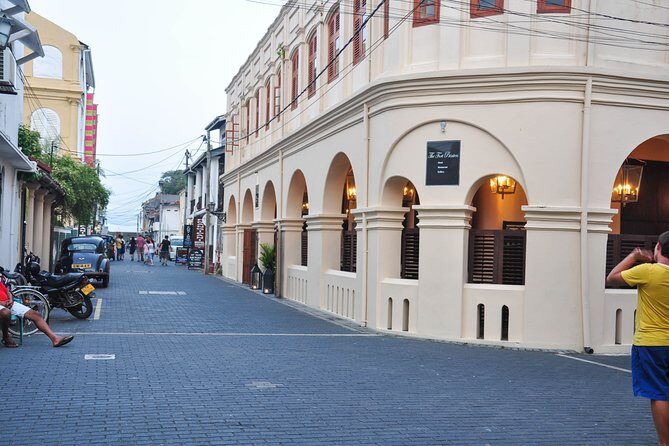
Once inside, you’re in a UNESCO-listed fortification that functions like a small town. That matters, because you aren’t just “touring ruins.” You’re walking through lanes with museums, shops, and restaurants, so the place has an everyday rhythm.
Expect to see Dutch-style architecture and former government buildings mixed in with churches and monuments. The guide’s job here is to connect what you’re looking at with what it was used for, including how the Dutch expanded Portuguese fortifications in the 17th century. You’ll also get pointers on Dutch street names and the kinds of building shapes that became common in this period—like the low, gabled houses that give parts of the fort a distinct silhouette.
This is where a personal guide makes a real difference. When your guide has a long family connection to Galle, they tend to notice what outsiders miss: how the streets funnel you toward key landmarks, and what you should watch for so the fort doesn’t blur together.
Museum stops: when history comes with artifacts and archives
The walk includes visits to the main museums inside the fort. The point isn’t to see everything. The point is to get the fort’s story in a form you can trust—through artifacts and archives tied to the fort and Galle harbor.
A good guided museum stop helps you avoid one common problem: wandering through displays without knowing what you’re supposed to notice. Here, the guide gives you context first, so later you can connect what you saw on the ramparts to what you saw in the exhibits.
You should come with at least a mild curiosity about how trading ports and fortifications worked. If you want only scenery with no explanation, museums can feel like a forced pause. But if you like understanding how people lived and worked inside these walls, the museum portion is one of the best value pieces of the tour.
The ramparts walk and Galle Lighthouse views

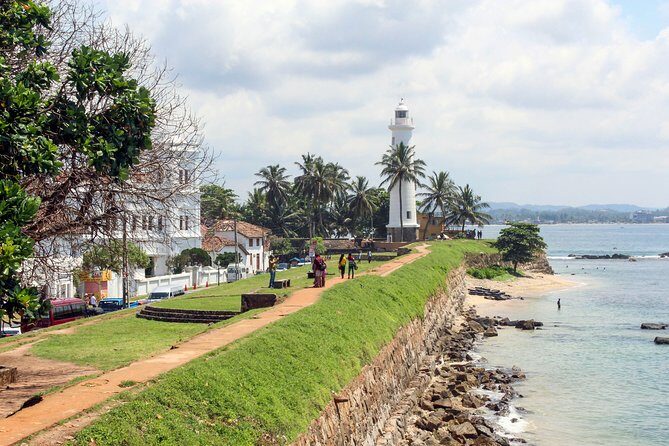
After you get the fort context, the ramparts bring it to life. Walking the walls is where the fort’s design becomes obvious. You get the sense of defense strategy: visibility, positioning, and the way the coastline and harbor relate to fortifications.
Then comes the Galle Lighthouse. It’s described as a replica of the beacon first built by the British. Standing near it, you understand why lighthouses mattered to a port city like Galle: ships needed safe navigation, and the fort’s role as a controlled gateway to the harbor made lights part of everyday maritime life.
This section also tends to be photo-friendly without feeling like a single viewpoint bus stop. The guide helps you find the flow, so you’re not constantly turning around or backtracking.
Other Galle Fort walking tours we've reviewed in Galle





The drinks break: tea or king coconut milk, not usually included

You’ll get a break during the walk for a Ceylon tea or king coconut milk. The key practical detail: food and drinks are listed as not included, so you should budget for the drink you order during the stop.
That said, the break is still a smart component. It gives you a chance to refuel, cool down, and ask last questions while the walk is still fresh. One highlight from past visits was how guides can also point you toward a good tea stop vibe—so even if you pay for the drink yourself, the pause feels purposeful rather than random.
Price and value: is $65 fair for what you get?

At $65 per person for about 2 hours, you’re paying for three things: a private guide, entrance fees, and an organized route that covers the fort’s major “why it matters” points.
How is that value in real terms?
- Private, not just a self-guided stroll. You’re not trying to piece together Portuguese vs Dutch vs British changes on your own while also managing uneven ground.
- Entrance fees are handled. That removes one small friction point and keeps the timing smoother.
- You get prioritization. With a short time window, the guide helps you choose the stops that actually explain the fort’s layout and history.
One nuance: some museum experiences can feel a bit “hands-on” for people who prefer pure sightseeing. If that’s your style, you may still enjoy the ramparts, but decide ahead of time whether you want structured museum time.
If you’re traveling as a couple or a small group, this also becomes more attractive because the cost per person doesn’t blow up, and the cap of up to 12 keeps it from turning into a crowded line-wait problem.
Pacing, steps, and what to wear so your day stays enjoyable
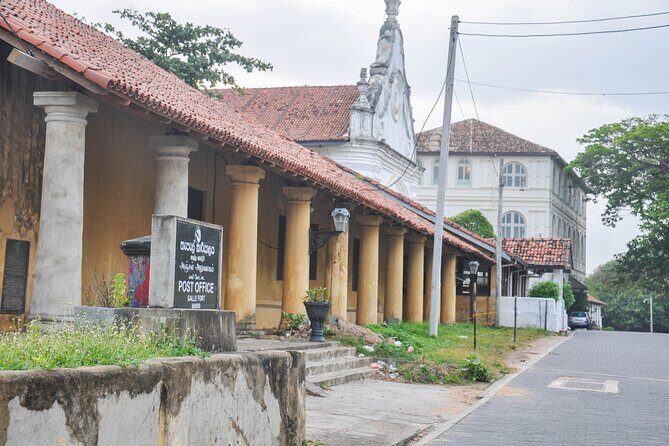
This is a walking tour inside a fort, so plan accordingly. The fort’s cobbles and steps mean you’ll need comfortable walking shoes. Hat and sun protection are also recommended.
If you have asthma or leg issues, take the walking portion seriously. Even when the tour is doable, the stone terrain and stairs can add strain. Your guide can usually help you keep things moving at a comfortable tempo, but the physical reality of the fort still applies.
Also consider timing. Heat is a real factor in Galle, and starting earlier (when your schedule allows) can make the difference between a relaxed walk and a sweaty sprint between shaded doorways.
Who this tour suits best (and who might want a different plan)
This tour is a great match if you:
- Want a focused way to understand Galle Fort’s European timeline without reading a book first
- Like architectural details and the “why” behind streets, buildings, and fortifications
- Appreciate museum stops when they’re guided and put into context
- Prefer a route that keeps you from missing major sights
It’s less ideal if you:
- Want only photo stops and minimal walking
- Don’t care about history explanations and would rather freestyle
- Need an access-friendly route without steps or uneven surfaces
Because it’s private for your group and capped at 12, it’s also good for families with older kids who can enjoy museum context, as long as everyone is comfortable with steps.
Should you book the Galle Fort walk with a local?
I’d book it if you want to turn Galle Fort into a story you can remember. The combination of UNESCO streets, targeted museum time, and a rampart-to-lighthouse walk makes this feel like more than a sightseeing loop—it’s a guided explanation of how the port and fort shaped each other over centuries.
If you’re short on time in Galle and you’d rather spend your energy learning the place than figuring it out, this is a solid choice. Just go in with the right expectations: it’s walking on old stone, and the museums are part of the plan—so bring at least some curiosity about what you’ll see.
FAQ
How long is the Galle Fort walk?
The tour runs about 2 hours (approx.).
Where does the tour start, and when do I finish?
You meet outside Galle Fort at National Tea Rooms, 10 Lighthouse St, Galle 80000, Sri Lanka. The experience ends back at the starting point when your guide departs.
Is this tour private, or do I join a larger group?
It’s a private tour/activity. Only your group participates, with a maximum of 12 people per booking and a minimum of 2.
What’s included in the price?
The tour includes a local guide and entrance fees. A mobile ticket is used.
Are food and drinks included?
No. Food and drinks aren’t included. You’ll have time for a break with options like Ceylon tea or king coconut milk, but those are listed as your own expense.
What should I know about walking and steps?
Comfortable walking shoes and hats are recommended. Most people can participate, but there can be a medium amount of walking with steps to climb, so it’s worth considering if you have mobility or breathing concerns.