REVIEW · GALLE
Half-Day Lagoon and Village Cycling Tour in Galle
Book on Viator →Operated by Chameera Cycling · Bookable on Viator
Morning rides through mangroves are a treat. This half-day cycling tour in the Galle/Unawatuna area mixes easy pedal time with native wildlife spotting, village life, and hands-on local industries, all led by an English-speaking local guide. You choose either the morning or afternoon slot and ride out from Chameera Cycling with everything set up for you.
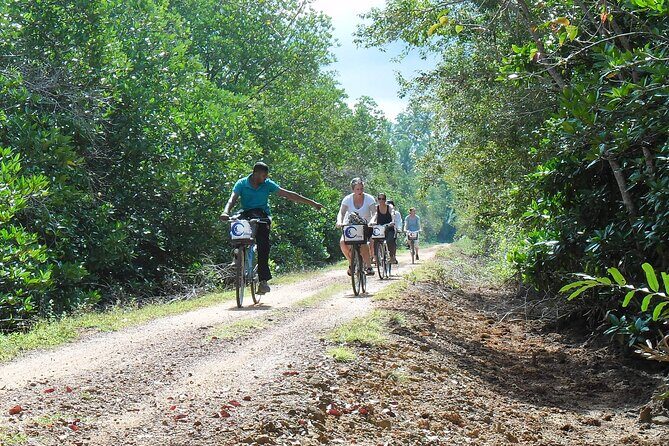
I love the relaxed pace and the way the route stays gentle for most people. The ride covers about 7.5 miles (12 km), mostly on dirt and gravel paths, and your guide helps you notice plants, birds, and other creatures along the lagoon and mangrove areas.
The one real consideration is heat and timing. If the day is hot, your start time may shift (some departures run later than planned), so I’d strongly favor the morning when possible, and plan for tropical sun.
In This Review
- Key things to know before you pedal
- Where you start: Chameera Cycling and the setup that saves time
- The ride itself: a 12 km cycling route through lagoons and mangroves
- Village life on two wheels: coconut, rope making, and textiles
- The cultural stop: visiting an 18th-century Buddhist temple
- Morning vs afternoon departure: timing you can actually control
- What’s included in the $25 price, and why it feels fair
- How the group ride feels (and who this fits best)
- What to bring so the sun and dirt don’t ruin your ride
- A few smart details before you go
- Should you book the Lagoon and Village Cycling Tour in Galle?
- FAQ
- How long is the half-day lagoon and village cycling tour?
- Where does the tour start and end?
- Is the bike and helmet included?
- Do I have to choose morning or afternoon?
- Is the ride difficult?
- What cultural and industry stops are included?
Key things to know before you pedal
- Easy distance, easy terrain: About 7.5 miles (12 km) on mostly dirt and gravel, at your pace.
- Mangroves and lagoon wildlife time: You’ll ride through lagoon and mangrove forest, not just city streets.
- Factories with real processes: coconut products, rope making, and textiles via a handloom stop (handloom factory not on Sundays).
- Cultural stop included: a Buddhist temple built in the 18th century is part of the experience.
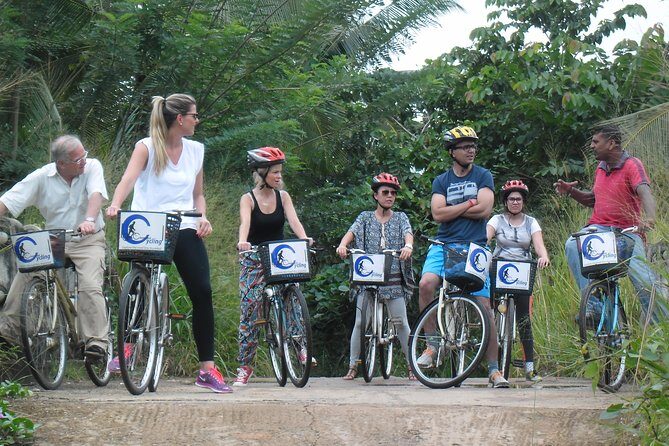
- Small group feel: Maximum of 15 travelers, with a local guide who keeps the tour moving smoothly.
- Bike and helmet included: You’ll get a city bike or mountain bike sized for you, plus helmet and water.
Where you start: Chameera Cycling and the setup that saves time
The tour starts at Chameera Cycling, No. 49/A Heenatigala Rd, Unawatuna 80600. This matters because you’re not waiting around for a complicated pickup. You make your way to the meeting point, meet your guide, and get rolling.
Right away, you’ll get the practical essentials: a bike (either a city bike or a mountain bike sized for you), a helmet, bottled water, and a welcome briefing. That briefing is more than formality. It’s what sets expectations for the route type (mostly gravel/dirt), how the group ride works, and where you’ll pause for stops and photos.
If you’re the kind of traveler who hates being rushed, this helps. The tour is structured, but the pace is adjustable, and your guide rides with you rather than just leading a parade.
Other Galle tours we've reviewed in Galle


The ride itself: a 12 km cycling route through lagoons and mangroves
This tour is built around an easy, scenic cycling loop that’s long enough to feel like you left town, but not long enough to turn into a workout day. You’ll cover about 7.5 miles (12 km) over roughly 2 to 3 hours total.
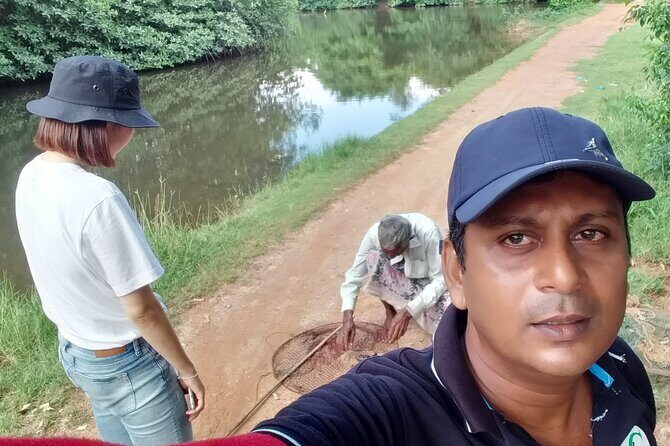
The route is mostly dirt and gravel tracks, with some city-road riding mixed in. That mix is a big part of the value. In the first stretches, you’re going off the beaten path—past small village roads—and heading toward lagoon and mangrove areas.
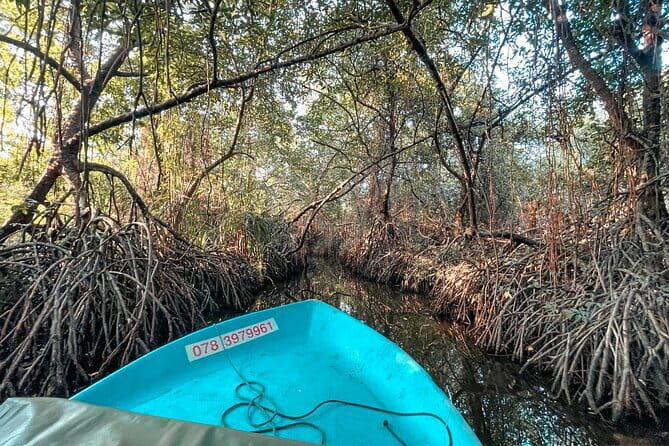
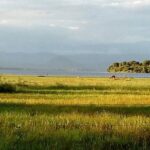
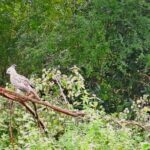
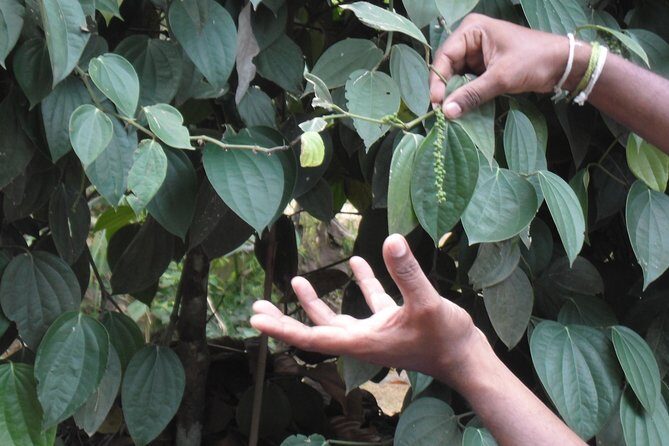
The guide’s role is crucial here. The best part isn’t just “seeing nature.” It’s noticing it properly. Your guide will point out local plants and help you spot birds and other wildlife in the mangrove/lagoons setting. Even if you don’t consider yourself a nature person, you’ll likely learn what to look for: what grows in the mangrove environment, what plants are common nearby, and how the habitat supports local life.
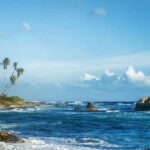
And because you’re moving slowly on a bike, you get real texture in the scene: water edges, palm-lined paths, the feeling of being near working countryside rather than just passing it through a window.
Village life on two wheels: coconut, rope making, and textiles
After you get your bearings in the mangrove/lagoons area, the tour shifts from scenery to people and work. This is where the trip feels most “Sri Lanka” in a practical, everyday way.
You’ll visit local traditional industries, including a coconut factory. Coconut shows up here in multiple forms—fresh king coconut for a cooling drink, and products that come from processing coconut materials. One of the more interesting parts is seeing how people use coconut shells and fibers rather than treating them as waste.
You may also stop for rope making and watch how rope production happens from coconut by-products. In addition, there’s a handloom factory, but it’s not available on Sundays. If you’re traveling on a Sunday, keep your schedule flexible and expect the operator may swap the stop to something else, since the handloom is specifically not on that day.
This section of the tour is worth your attention even if you usually skip factory visits. The value is in the method: you see the inputs, the work stages, and how local materials become useful products. It turns the word “factory” from a generic attraction into an actual window on how families earn money.
The cultural stop: visiting an 18th-century Buddhist temple

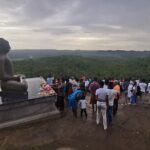
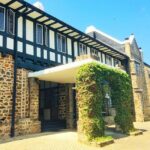
You also include a Buddhist temple built in the 18th century. This isn’t tacked on like a quick photo stop. It’s part of the flow of the ride through villages and countryside, so it feels connected to the area you’re cycling through.
How you experience it depends on timing and how busy the site is, but the main point is that you’re seeing a cultural place that’s old enough to have shaped daily life in the region. If you like history, you’ll appreciate the age. If you don’t, you’ll still likely enjoy the calm break from riding—something to slow down and reset your eyes and mind before your last cycling segment.
Morning vs afternoon departure: timing you can actually control
You can start either in the morning at 8:30 am or in the afternoon at 2:30 pm. The operator supplies a clear plan for both, but the weather and heat can affect how things feel.
One practical hint: choose the morning if you can. On a very hot day, departures can run later than the listed time because conditions are tougher to ride through. That means you might end up with a later start window, less comfortable riding, and more sun exposure.
So here’s the simple strategy:
- Morning if you want cooler temps and more comfortable cycling.
- Afternoon if you prefer later mornings and can handle heat, or if your schedule only allows it.
Either way, you’ll be on a short timeline, so don’t overpack your day with another activity immediately afterward. Build in time to shower, hydrate, and eat (the tour does not include breakfast or lunch).
Other cycling tours in Galle

What’s included in the $25 price, and why it feels fair
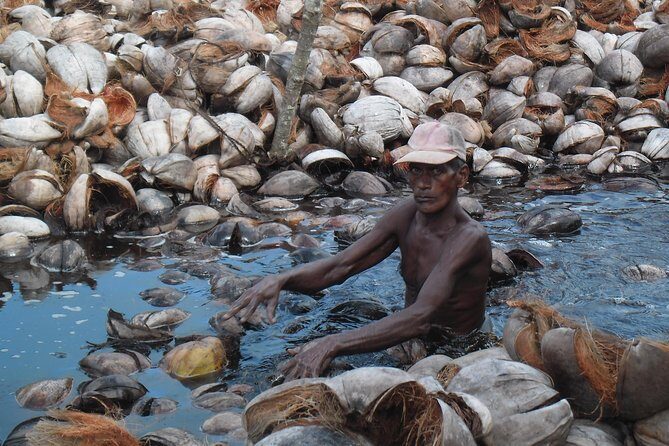
At $25 per person, this tour isn’t trying to be a luxury experience. It’s priced for access and local content, and the inclusions do a lot of the heavy lifting.
What you get:
- Bike rental and helmet
- Local guide who leads the ride and explains what you’re seeing
- Bottled water and refreshments
- Entrance fees included
That last point matters. When entrance fees are included, you don’t end up doing the awkward mental math while you’re out in the field. And since you’re also paying for a guide’s time, it’s not just “bike plus sightseeing.” You’re buying local interpretation: the ability to understand what you’re passing and why it matters.
The ride is only a half-day, too. You get a concentrated experience without eating your whole day—handy if you’re basing yourself around Unawatuna/Galle and want variety.
How the group ride feels (and who this fits best)
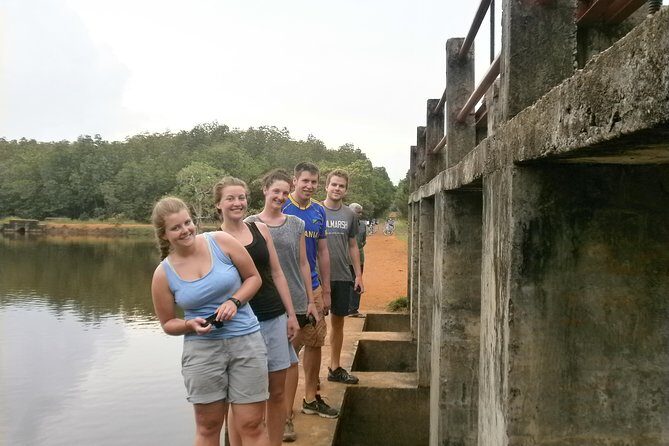
This is designed for all ages and skill levels, and most people can participate. That doesn’t mean it’s a strolling ride. You will ride on dirt and gravel, and you’ll share the roads and paths with normal village life.
Still, the structure keeps it easy:
- The distance is moderate for most visitors (12 km total).
- The guide sets the pace and you can move at your own speed.
- The group size stays small—up to 15 travelers—so it’s not chaotic.
This tour fits best if you want:
- A low-stress way to see mangroves and lagoon scenery without hiking for hours
- Cultural and practical stops (temple + industries) rather than only views
- A guided explanation that helps you notice wildlife and plants
It’s less ideal if you’re chasing an intense workout or you only want paved-road cycling. If you’re sensitive to uneven surfaces, take it slow and keep your eyes up—gravel paths can shift under tires.
What to bring so the sun and dirt don’t ruin your ride
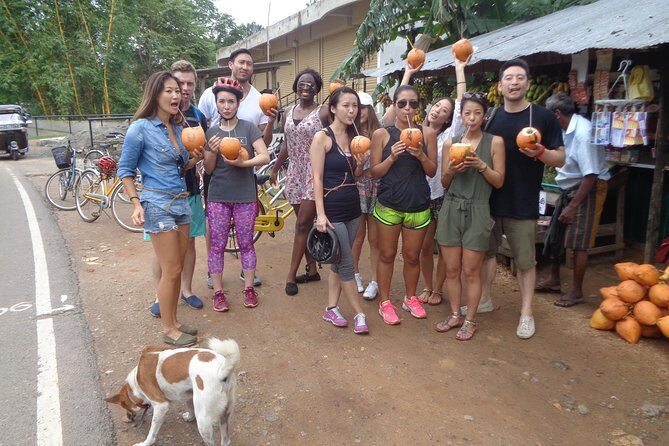
The tour gives you key basics (helmet and water), but you still need to dress for Sri Lanka conditions. I recommend packing like you’re doing a short outdoor ride in a humid place.
Bring:
- Sun protection (hat and sunscreen)
- Light, breathable clothing
- A small towel or extra wipes for dust/gravel days
- Closed-toe shoes you’re comfortable riding in
- A refillable water bottle if you like extra hydration (the tour includes bottled water, but you’ll feel better with a backup)
Also keep in mind the tour does not include breakfast or lunch, so plan food timing around the ride start. If you’re sensitive to food and drink choices, you should also tell the operator about any dietary requirements when you book.
A few smart details before you go
There’s no hotel pickup or drop-off, so you’ll want to know how you’ll get to the meeting point at Chameera Cycling. The good news: it’s listed as near public transportation, which usually means it’s not hard to reach from the main areas.
Check your departure time decision early. If you’re choosing between morning and afternoon, you’re really choosing between cooler cycling and later-day heat. And if you’re on a Sunday, note that the handloom factory stop isn’t scheduled on that day, so don’t plan your “factory day” around textiles alone.
Should you book the Lagoon and Village Cycling Tour in Galle?
If you want one short, well-rounded outing that mixes nature, culture, and everyday industry, this is a strong pick. For $25, you get a guided ride with bike + helmet, entrance fees, and meaningful stops—mangroves/lagoons, an 18th-century temple, coconut-based industry, and a handloom stop on most days.
I’d book it if:
- You like easy biking and want a local guide to explain what you’re seeing
- You’re staying near Unawatuna/Galle and want to avoid a full-day commitment
- You value small-group tours that don’t feel rushed
I’d skip or reconsider if:
- You can’t handle dirt/gravel cycling surfaces
- Heat ruins your plans and you’re stuck with an afternoon slot
- You’re mainly interested in big-city sights, since this tour is built around village roads, water edges, and working countryside
FAQ
How long is the half-day lagoon and village cycling tour?
It runs about 2 to 3 hours.
Where does the tour start and end?
It starts at Chameera Cycling on Heenatigala Rd in Unawatuna, and it ends back at the same meeting point.
Is the bike and helmet included?
Yes. Bike rental and a helmet are included.
Do I have to choose morning or afternoon?
Yes. You select either the morning departure at 8:30 am or the afternoon departure at 2:30 pm.
Is the ride difficult?
It’s designed for all ages and skill levels, and it’s an easy 7.5-mile (12 km) ride with mostly dirt and gravel tracks. You can ride at your own pace.
What cultural and industry stops are included?
You visit a Buddhist temple built in the 18th century, plus local industries like a coconut factory. A handloom factory stop is included, but it’s not on Sundays. You’ll also enjoy refreshments such as king coconut.