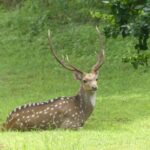
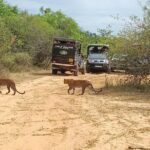
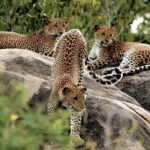
Four hours is short. This tour still manages to pack in multiple wildlife experiences, so you can sample Sri Lanka’s animal country without losing a whole day. I like the mix of Bundala’s bird life, then the classic Sri Lankan safari stop at Yala, and finally the elephant-focused finale at Udawalawe and the Elephant Transit Home.
Two things I really like: first, the ride style. You’re in converted Toyota luxury safari jeeps, which usually means a smoother, safer feeling than basic transport. Second, you’re not just doing one quick drive-by. The plan gives you dedicated time at each stop, including places with admission time built in.
One drawback to consider: the “included” entrance fees are limited. Your package covers entrance fee for only one attraction, and the other park entrances may cost extra if you add more parks than what’s included. Also, lunch is not included, so you’ll want to handle food on your own.
In This Review
- Key highlights you’ll care about
- Half-Day Safari Route: what four hours really buys you
- In the converted Toyota safari jeep: comfort and safety on the move
- Stop 1: Bundala National Park for migratory birds (September to April)
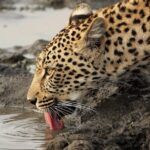
- Stop 2: Yala National Park and the leopard-paradise pitch
- Stop 3: Udawalawe National Park for elephants (and why the survey matters)
- Stop 4: Elephant Transit Home (ETH) for young elephants and ethical context
- Price and what’s included: is $89 a good value?
- When this tour makes the most sense
- Practical planning notes before you go
- Should you book this half-day safari route?
- FAQ
- How long is the Half Day Safari Guided Tour?
- Where does the tour take place?
- What is the price per person?
- Is pickup included?
- Do I get a mobile ticket?
- Are lunch or meals included?
- Which stops have admission tickets included?
- Is admission included for Yala and Udawalawe?
- What animals or wildlife does the tour focus on?
- If I visit more than one park, do I pay extra?
- How far in advance do people typically book this tour?
Key highlights you’ll care about
- Luxury Toyota safari jeeps: comfortable, safety-focused transport for a fast day.
- Bundala bird season timing: northern migratory period (September to April) can boost bird sightings.
- Yala’s leopard reputation: Yala is known for its leopard presence, so this is the main “big cat” pitch.
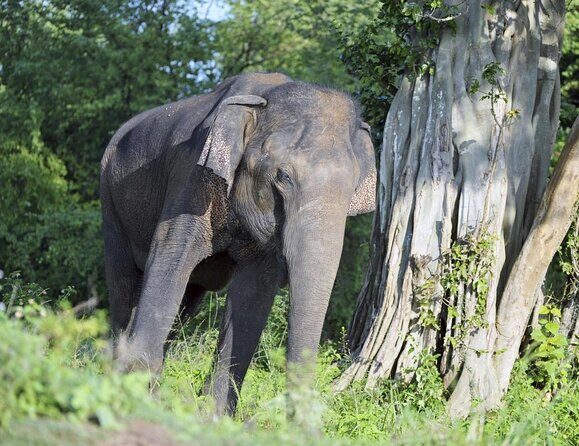
- Udawalawe elephant odds: the park is associated with wild elephants, with survey counts of 600+.
- Elephant Transit Home (ETH): a visit to young elephants, including 60+ babies and youngsters currently there.
- Private transportation + pickup: built for convenience without extra public-transport hassle.
Half-Day Safari Route: what four hours really buys you
A half-day safari works best when you want momentum. You don’t arrive, wander, then wait. You get picked up, you move, and you get short, concentrated doses of different habitats.
This route is designed for variety. You start in Bundala National Park, shift to Yala National Park, then head to Udawalawe National Park. You finish with the Elephant Transit Home at Udawalawe, which adds a calmer, educational element after the more “roaming wildlife” feel of the parks.
The big value here is compression. In a normal full-day plan, you might pick just one park and go deep. Here, you get a taste of multiple ecosystems and species profiles, which helps if you’re traveling with limited time.
Other guided tours in Yala National Park

In the converted Toyota safari jeep: comfort and safety on the move
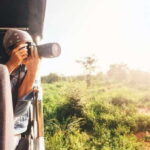
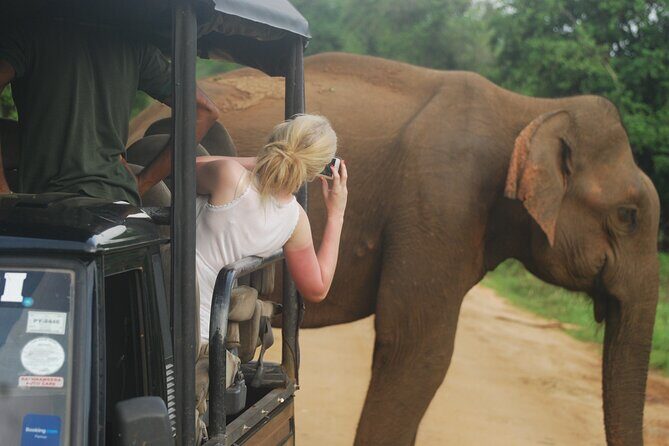
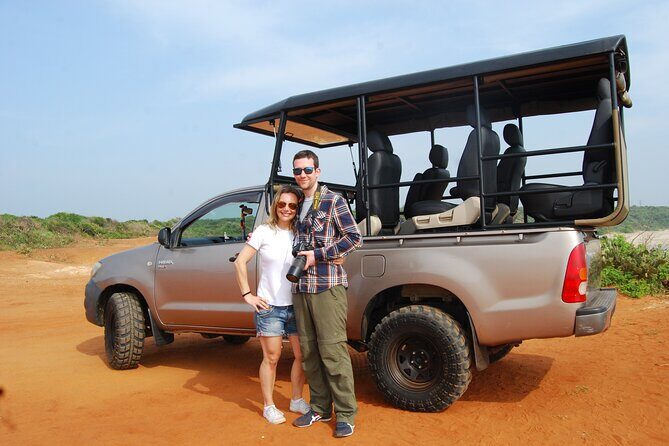
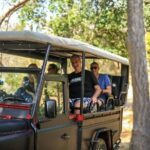
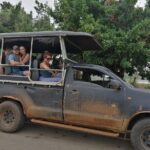
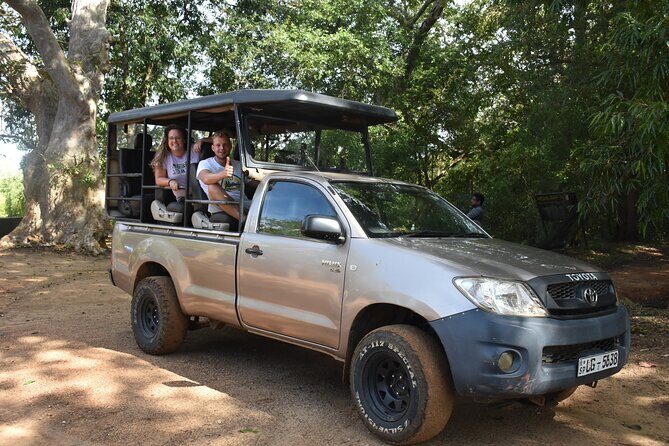
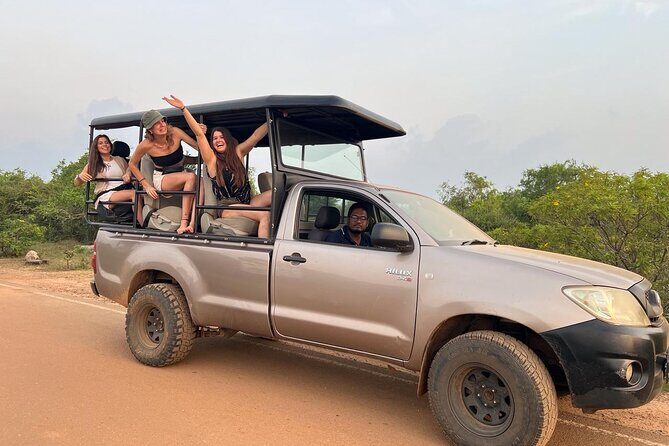
Transport matters on safari. Hours of bumping around can drain you fast. This tour’s approach is to use converted Toyota luxury safari jeeps, aiming for a comfortable ride and tour safety throughout.
Even without knowing your exact jeep layout, the “converted” and “luxury” wording signals more attention to passenger comfort than a basic vehicle. And because the tour includes private transportation, you should expect the schedule to be managed around your group rather than being constantly slowed by other pickups.
The practical tradeoff of a half-day format: you’ll be spending more time in transit than on a longer safari. Still, the converted jeep setup is a good match for that reality.
Stop 1: Bundala National Park for migratory birds (September to April)
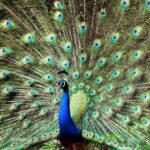
Bundala National Park is the bird magnet on this itinerary. The park is specifically associated with large numbers of migrating birds during the northern migratory period, which runs from September to April. If your dates fall in that window, you’re building your chances for more colorful, more active birdwatching.
The park is also mentioned as a place for mammals, including Asian elephants. That matters because it’s not only “birds and nothing else.” You may get a mix of species activity depending on where wildlife is moving and feeding.
What you should expect from this stop: about one hour on-site time in Bundala. That’s long enough to cover key areas, but not long enough for deep, lingering observation like you’d do on a longer safari. If you’re the kind of traveler who wants long stretches of patient birdwatching, treat this as a strong highlight, not a full birding day.
Stop 2: Yala National Park and the leopard-paradise pitch
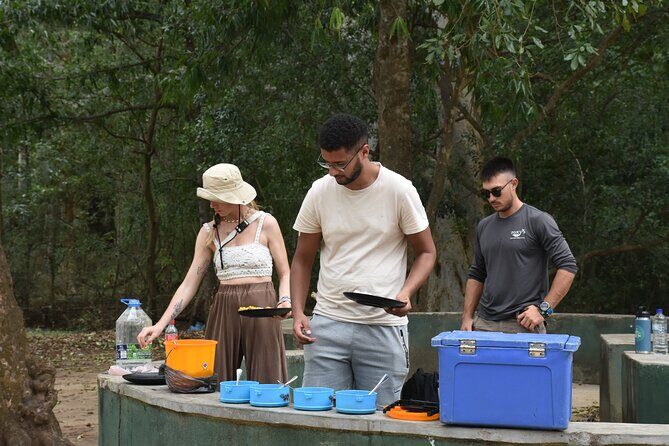
Yala National Park is the famous centerpiece in this set. It’s described as one of the older national parks in Sri Lanka and the country’s second biggest park. That scale matters because it gives more room for wildlife movement.
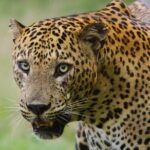
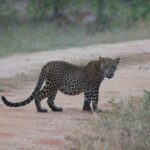
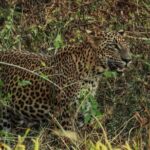
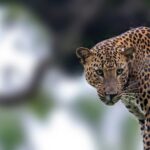
The wildlife scope is also wide. The description points to variety across mammals, birds, and amphibians, and Yala is noted as a leopard-focused destination (the text calls it leopard paradise). If your priority is the classic “big cat” safari vibe, this is the logical stop on your route.
You get about one hour here, and the admission is listed as free for this stop. That’s useful for budgeting and also makes the stop feel more “built in” rather than tacked on.
Potential consideration: one hour sounds simple, but in safari terms it’s a sprint. If the day’s animal activity concentrates elsewhere, you may come up short on the headline species you’re hoping for. That’s just the nature of wildlife viewing, but it’s worth expecting so you don’t feel rushed or disappointed.
Stop 3: Udawalawe National Park for elephants (and why the survey matters)
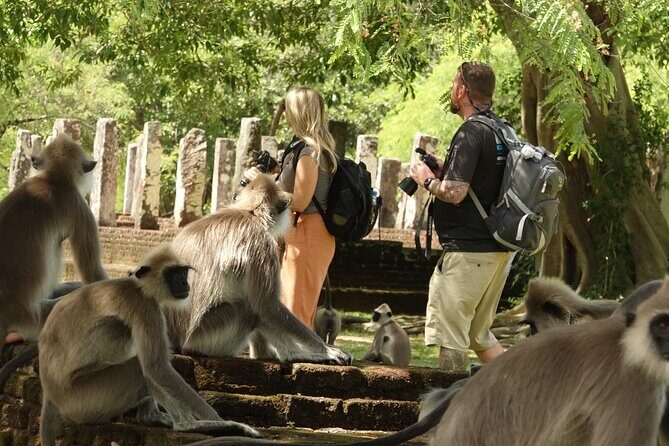
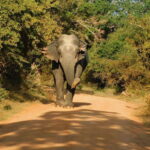
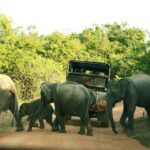
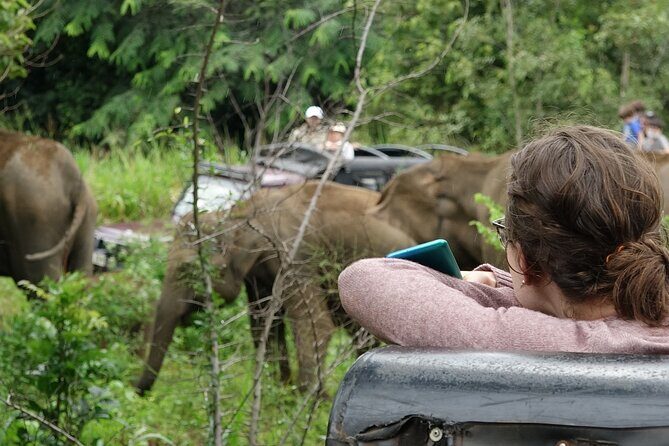
Udawalawe National Park is the route’s elephant anchor. The description is clear that Udawalawe is known for elephants among tourists.
It also gives you a grounded detail: in 1983, the government named the park as a result of the Udawalawe development project. More importantly for wildlife expectations, it references survey findings of more than 600 wild elephants recorded during the last survey.
That number isn’t a promise of sightings, but it does tell you this isn’t a random elephant stop. The park is recognized for elephant presence at a scale large enough to matter for sightings.
Like Yala, this stop is scheduled for about one hour, and admission is listed as free for it. From a value standpoint, that combination is great: you’re getting a major “must-see” safari theme at a time-price that doesn’t spike because of entry costs.
What to watch for: elephant viewing can depend on where the herd is and how the animals are moving. With only one hour, you’ll want to keep your eyes up and be ready for quick changes in what you’re seeing.
A few more Yala National Park tours and experiences worth a look

Stop 4: Elephant Transit Home (ETH) for young elephants and ethical context
The Elephant Transit Home (ETH) is a different kind of experience than the parks. Instead of hunting wildlife with your eyes through the jeep safari rhythm, you’re visiting a facility focused on elephants in a care and transition setting.
The description is specific about what makes ETH meaningful:
- It’s described as Sri Lanka’s first elephant transit home.
- It currently has more than 60 babies and young elephants living there.
That matters because it shifts the emotional tone. You’re seeing young elephants at a site that’s actively housing them, not searching for them in the wild. If you’re traveling with kids, or if you want a more grounded, learning-focused moment after the parks, this stop is often the part people remember most.
This segment is about 40 minutes, and admission is included for this stop. That means you don’t need to wrestle with extra entrance payments just to reach the ETH portion.
One thing to keep in mind: even though ETH is a transit and care home, the sight of young elephants can be intense emotionally. If you’re sensitive to animal welfare stories, give yourself a moment to process what you’re seeing rather than rushing through.
Price and what’s included: is $89 a good value?
At $89.00 per person, this is priced as a “half-day safari sampling package.” The inclusion list says:
- All fees and taxes
- Private transportation
- Entrance Fee (1 Attraction Only)
- Pickup offered
- Mobile ticket
The itinerary also shows admission tickets included at Bundala and Elephant Transit Home, while Yala National Park and Udawalawe National Park are marked as free for admission in the stop details. That makes the $89 feel more reasonable, because you’re not paying separately for every single stop you touch.
Still, you should read one more line carefully: if you want to visit more than one park, entrance fees are charged separately, estimated at $35 per person per park. That warning matters because it affects your total cost if you customize beyond the provided route.
So here’s the value math in plain terms:
- If the tour is truly delivering the planned stops and covering the key admissions it claims, $89 can be a strong deal for a four-part experience.
- If you start adding parks beyond the route, the entrance fees can quickly stack up, and your per-person total climbs.
Also, lunch is not included. That’s not a deal-breaker, but it changes the day planning. If you’re doing this during meal hours, you’ll need to budget for food so the day doesn’t feel incomplete.
When this tour makes the most sense
This is a strong fit if you:
- Have limited time and want to cover multiple safari zones rather than just one park.
- Want both “wild viewing” and an “elephant education/care” stop with ETH.
- Like an itinerary with structure: pickup, a packed route, and a firm end time.
It may be less ideal if you:
- Want a slower, longer, boardwalk-style nature day where you can linger for hours.
- Are strictly focused on one species and feel disappointed if Yala or Udawalawe don’t deliver exactly what you’re hunting in a one-hour window.
Practical planning notes before you go
Because the day is short and the route is multi-stop, small planning details matter more than usual.
- Eat before you start, or plan to buy food later. Lunch isn’t included.
- Confirm which entrance fees your package actually covers. The description states entrance fee is included for one attraction only, but the stop details indicate Bundala and ETH admissions included while Yala and Udawalawe admissions are free in this plan. If you’re adding anything, ask how that changes costs.
- Expect a half-day pace. You’ll spend time moving between locations, even with private transportation.
- Use the mobile ticket you’ll receive. It’s listed as part of the experience, so have it ready on your phone.
Should you book this half-day safari route?
Yes, you should book it if you want a time-efficient safari day that balances big-park wildlife potential with an elephant-focused ending at ETH. The converted Toyota jeeps and private transport are a good match for a fast itinerary, and the stops cover three different safari “themes”: birds at Bundala, leopard odds at Yala, and elephant presence at Udawalawe—then a close-up young-elephant experience at Elephant Transit Home.
Skip it or be cautious if you’re the type who needs long viewing time at a single park. With only about four hours total, you’re trading depth for variety. Also, if you’re considering adding extra parks, plan for the additional $35 per person per park entrance fee estimate.
If you’re weighing options and your schedule is tight, this is a smart way to see more of Sri Lanka’s wildlife personality in one go.
FAQ
How long is the Half Day Safari Guided Tour?
It runs for about 4 hours.
Where does the tour take place?
The tour is in Yala National Park, Sri Lanka, with stops also including Bundala National Park, Udawalawe National Park, and Elephant Transit Home (ETH).
What is the price per person?
The price is $89.00 per person.
Is pickup included?
Yes, pickup is offered.
Do I get a mobile ticket?
Yes, the tour uses a mobile ticket.
Are lunch or meals included?
No, lunch is not included.
Which stops have admission tickets included?
Bundala National Park and Elephant Transit Home (ETH) list admission tickets as included. The tour also states entrance fee is included for 1 attraction only, so it’s worth confirming exactly what your package covers.
Is admission included for Yala and Udawalawe?
For the stop details provided, Yala National Park and Udawalawe National Park list admission as free.
What animals or wildlife does the tour focus on?
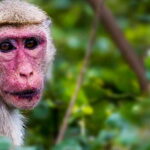
The overall description highlights the chance to see wildlife such as leopards, elephants, monkeys, flamingoes, and alligators, and the specific parks emphasize birds (Bundala), elephants (Udawalawe), and Yala’s leopard reputation.
If I visit more than one park, do I pay extra?
Yes. The information provided says if you visit more than one park, you pay entrance fees separately, estimated at about $35 per person per park.
How far in advance do people typically book this tour?
On average, it’s booked about 39 days in advance.