REVIEW · YALA NATIONAL PARK
Leopard Safari Tour in Yala National Park
Book on Viator →Operated by Shehan Safari · Bookable on Viator
Yala can feel like a wildlife speed-run. This safari is built around timing, with an early start so you can drive in during the park’s golden hours when big cats are most active. I like the focus on leopard and sloth bear chances, and I also like the small-vehicle setup: a safari jeep with up to 6 passengers, plus hotel pickup and drop-off.
My main caution is simple: Yala wildlife is never guaranteed. If your goal is a close-up leopard photo, you’ll need patience, and you may run into comfort hiccups depending on weather and how jeeps are shared.
If you’re the type who likes to spend your time tracking animals instead of sitting around, this tour fits well. You’ll also get a practical guide style shift during the day, going from fast leopard-hunting drives to slower, more explanatory stops once the prime hours pass.
In This Review
- Key Things You Should Know
- Price and Logistics: the real cost of a Yala leopard day
- Entering Yala: racing the 6 AM gate for the first leopard chances
- How the drive strategy changes once golden hours end
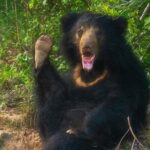
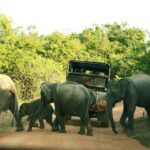
- The Yala “Big 3” focus: leopards, sloth bears, and elephants
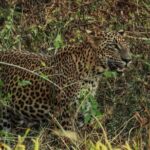
- Leopard reality check
- Sloth bear and elephant encounters
- The bonus animals you may spot along the way
- Jeep comfort and the wet-road truth
- Food options: how breakfast and lunch can save your day
- Guides, English levels, and the art of spotting fast
- Park fees, possible passport checks, and what to prepare
- Who this safari fits best
- Should you book this Leopard Safari in Yala?
- FAQ
- How long is the Leopard Safari in Yala National Park?
- What’s included in the tour price?
- What is the park entrance fee?
- Do I get hotel pickup and drop-off?
- When are the best leopard spotting times?
- Is there a limit on group size?
- Is breakfast and lunch available?
Key Things You Should Know
- Golden hours strategy: first 2 hours after entry and the last 2 hours before closing are treated as leopard prime time
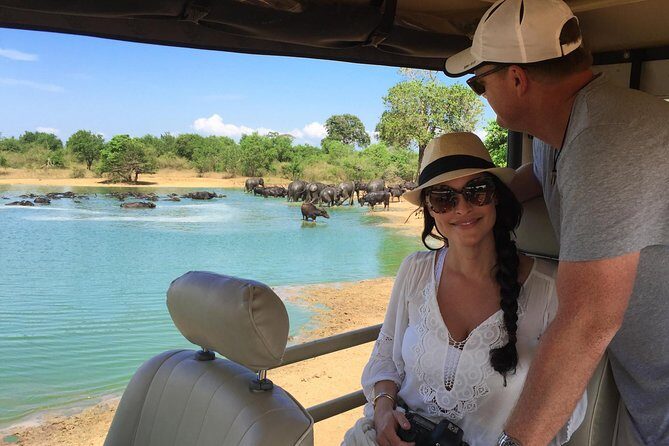
- Small jeeps (max 6): less cramped than big bus-style safaris, and easier for guides to scan the brush
- Strong leopard focus: they aim to reach the park early and drive in with some of the first jeeps
- Realistic costs: the $20 booking price is not the whole bill once park fees are added
- Guide quality varies: some guides are excellent spotters and communicators; English levels can differ
- Jeep comfort can be weather-dependent: rain can mean a wet ride if your jeep has limited side coverage
Price and Logistics: the real cost of a Yala leopard day
The advertised price is $20 per person, but in Yala you should budget beyond that right away. The park entrance and service fee are listed as 13,000 Sri Lankan rupees per person (about $43) and that is not included. Add those together and you’re looking at roughly the mid-$60s per person before any meals you might add.
That might sound steep until you think about what’s actually in the price. Your booking covers the driver/guide, hotel pickup and drop-off, and safari jeep transport (up to 6 passengers). What you’re paying for is not a “show,” it’s access plus time on the road where leopards actually might appear.
So the value is best when:
- you can commit to the morning or late-day timing (the park’s best wildlife windows)
- you’re okay with the reality that leopards are still wild animals
- you want a guide who hunts actively, not just drives casually
Other Yala safari tours we've reviewed in Yala National Park
Entering Yala: racing the 6 AM gate for the first leopard chances
Yala’s rhythm matters. The park gate opens at 6:00 AM, and the safari plan is built to get you inside early. The idea is straightforward: the first couple of hours can produce more leopard sightings, so the tour pushes to be among the first jeeps in.
Once you’re in, you’ll notice how the day is split into two mental phases:
- a fast, leopard-first hunt during the early window
- a slower, more explanatory route once golden hours pass
Golden hours are described as:
- the first 2 hours after entering in the morning
- and the last 2 hours near the end of the day
Why this matters for you: if you only go for a mid-day safari, you often spend more time watching “less” exciting animals. Here, the plan tries to keep you in the park during the moments when big cats are more likely to move.
How the drive strategy changes once golden hours end
During prime time, the tour style is meant to be efficient. There’s an emphasis on not wasting effort on the “common” sightings within that window. Think of it as scanning, moving, and stopping only when it makes sense for the leopard hunt.
After the golden hours, the driving approach shifts into a more interpretive mode. Instead of chasing only the big cat target, you’ll get more explanation while you go—stopping for what you see along the route.
This shift can be a big deal for your enjoyment. Even if you don’t see a leopard immediately, you’re still likely to get:
- better spotting skills from your guide
- more context about the habitat and animals you’re passing
- a less frantic pace as the day cools or as you near the end of your safari
The Yala “Big 3” focus: leopards, sloth bears, and elephants
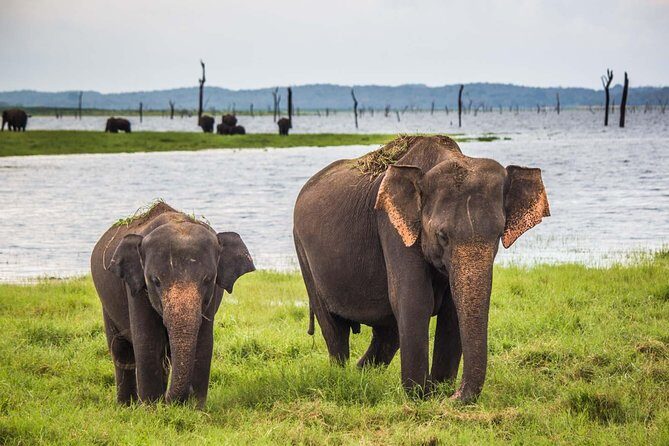
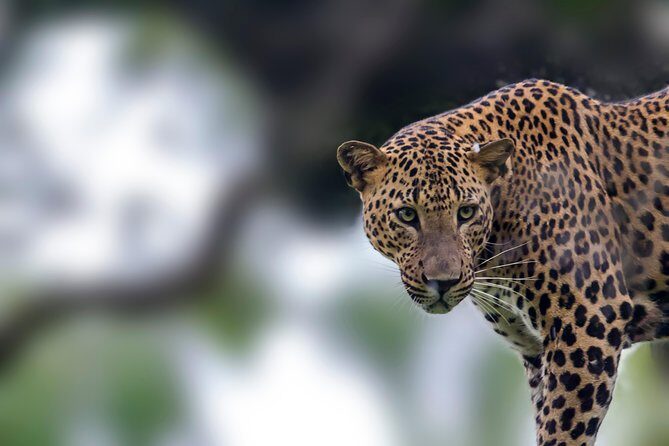
The tour highlights a clear trio: leopards, sloth bears, and elephants. In Yala, that mix is why many people come. You’re not just hunting one species.
Leopard reality check
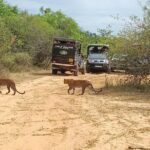
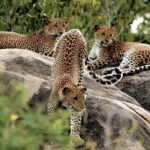
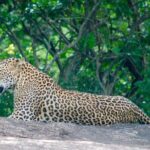
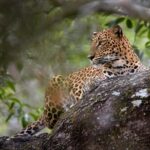
Leopard sightings are the headline, but they’re never a guarantee. Even with a strong plan, leopards can stay hidden in brush, on edges of grassland, or just out of view. One guest described the thrill of seeing a mother leopard with her cub, and another mentioned nearly giving up until their last minutes produced a sighting.
So here’s the practical way to think about it: you are paying for the best chance, not a promise.
Other wildlife safari tours we've reviewed in Yala National Park
Sloth bear and elephant encounters
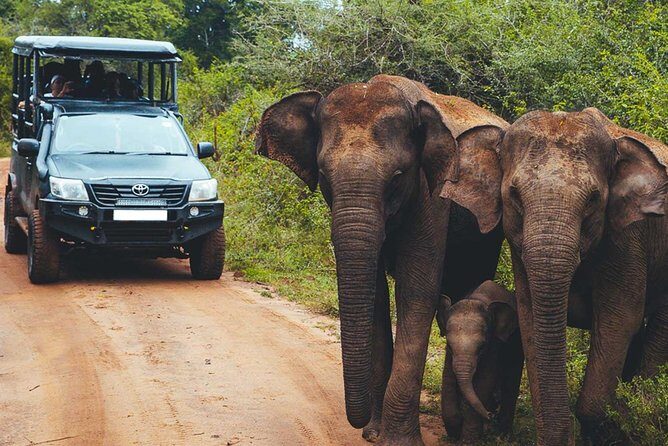
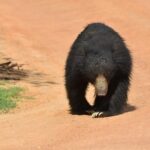
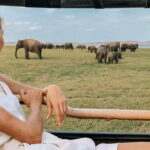
Sloth bears and elephants are also within the tour’s expectation set. From the animal mix described in the safari experience, you can also encounter other wildlife beyond the Big 3. In other words, you can still have a strong day even when leopards are elusive.
A big part of whether you feel satisfied comes down to how your guide works the route.
The bonus animals you may spot along the way
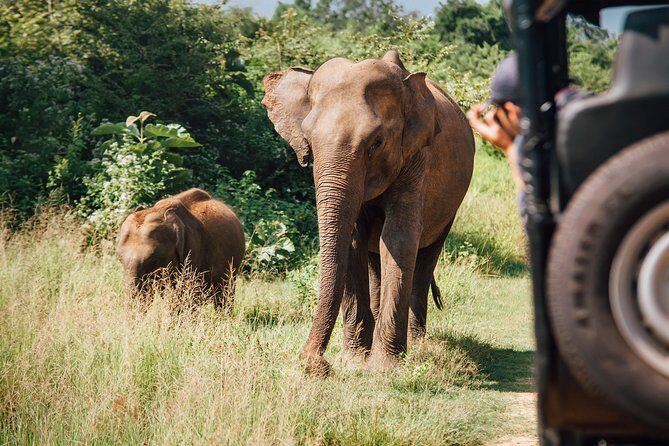
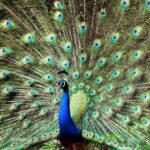
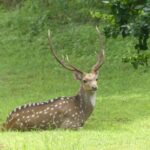
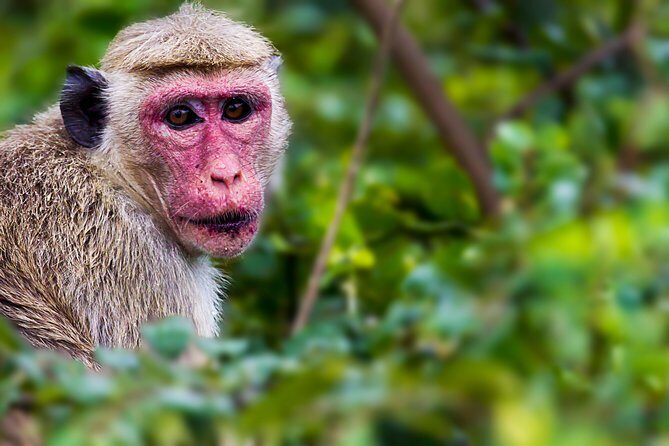
Yala isn’t only big cats. You may see things like water buffalo, iguanas, toucans, and peacocks—plus other birds and wildlife depending on the day.
One of the most encouraging details from the experience reports is how seriously some guides treat scanning. A few guests highlighted:
- a guide who spotted animals from deep in thick bushes
- a driver who turned off the engine when stationary to avoid disturbing wildlife
- guides who held longer stops when something interesting was found
What you can do: ask your guide a simple question when you stop—what are you watching for next? That little interaction often helps you understand why the jeep is stopping, and it makes waiting feel less random.
Jeep comfort and the wet-road truth
Let’s talk about the jeep itself, because Yala roads can test your back and patience.
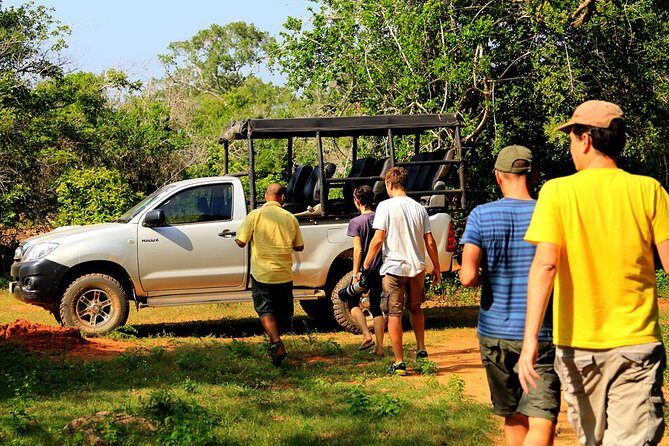
Your transport is in a safari jeep with a maximum of 6 passengers. That’s good news compared with overcrowded rides. But there are trade-offs.
Some reported issues include:
- shared jeep arrangements (meaning you might be with other guests)
- rain making the ride uncomfortable if the jeep has limited side covers
- roads that feel rough, with speed bumps taken aggressively by some drivers
This doesn’t mean your trip will be bad. It means you should plan smart:
- pack a small towel or quick-dry layer if you’re traveling in rainy or shoulder seasons
- wear clothes you don’t mind getting dusty or damp
- bring something to protect your phone/camera from splashes
If your priority is comfort above all, morning vs late-day timing and weather become more important than you might expect.
Food options: how breakfast and lunch can save your day
The tour includes a choice: you can add breakfast and lunch for an extra cost. That matters in Yala because you’re often in the park for hours, and leaving for food can kill the flow of your safari.
If you’re aiming for long time in the park, adding meals can be worth it because it reduces stress:
- fewer logistics during a short wildlife window
- more uninterrupted time with your guide and jeep
If you’re on a tight schedule or you prefer to keep food simple, you can skip the add-on. Either way, just be ready for the fact that your day may stretch up to a long window (the experience lists an approximate range from 4 to 14 hours).
Guides, English levels, and the art of spotting fast
This tour experience clearly depends on guide skill. Some guides are described as excellent spotters with a genuine passion for wildlife. Names that came up include Mudhu, Tikiri, and Rashandra, and the common theme was careful searching and active animal tracking.
A few guests also noted that:
- some guides may not speak much English
- sometimes you may feel like the day was more driving than guiding
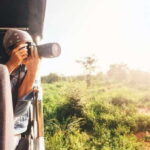
So your best move is to manage expectations. Bring your phone camera, but also bring curiosity. Even if English isn’t strong, good spotting still shows up in how long the guide watches, how quickly they scan, and how often they stop without wasting time.
Also, listen for hints in the way the guide explains what you’re seeing. A great leopard hunt isn’t only luck—it’s pattern recognition: trails, bushes, water edges, and the locations where animals feel safe enough to move.
Park fees, possible passport checks, and what to prepare
The park entrance/service fee is clearly listed as not included. Plan to have that amount ready.
One caution from the experience is that passport checks may happen to verify eligibility for certain discounts. A guest reported being asked to show passports and mentioned SAARC countries getting a discount. The key point for you: bring your passport (or whatever document your tour asks for), because if they request it, showing up without it can slow things down.
Also note the price confusion that can happen when people only see the $20 booking price. Fix that before you go: assume you’ll pay the 13,000 rupees per person park fee on top.
Who this safari fits best
This is a good fit if you:
- want a structured approach to leopard timing (golden hours)
- like active guiding and jeep scanning
- are traveling with a small-group mindset (max 6 per jeep)
- want hotel pickup and don’t want to coordinate your own transport
It might be less ideal if you:
- hate the idea of paying separate park fees on arrival
- need a guaranteed leopard sighting
- are sensitive to bumpy rides or wet conditions
- strongly require fluent English commentary the entire time
Should you book this Leopard Safari in Yala?
I’d book it if you’re realistic about wildlife outcomes and you care more about the hunt and the timing than about comfort perfection. The tour’s logic is solid: early entry, a leopard-focused window, and an active guide style when it matters.
Skip or rethink if:
- you can’t manage the added park fee in your budget
- you’re traveling in bad weather and jeep comfort matters a lot to you
- you strongly need a long, uninterrupted day with lots of explanation (because tour length can vary and guide communication can differ)
If your goal is to give yourself the best shot at leopards during Yala’s most productive windows, and you’re ready for a real safari ride, this one makes sense.
FAQ
How long is the Leopard Safari in Yala National Park?
The experience duration is listed as approximately 4 to 14 hours, with a schedule that includes early morning and a leopard-focused approach during the best time windows.
What’s included in the tour price?
The tour includes a driver/guide, hotel pickup and drop-off, and transportation in a safari jeep with a maximum of 6 passengers per jeep.
What is the park entrance fee?
Park entrance and service fees are not included. The fee is listed as 13,000 Sri Lankan rupees per person (approx. $43).
Do I get hotel pickup and drop-off?
Yes. Hotel pickup and drop-off are included.
When are the best leopard spotting times?
The tour plan emphasizes golden hours: the first 2 hours after entering in the morning and the last 2 hours before the end of the day.
Is there a limit on group size?
The activity lists a maximum of 99 travelers overall, and each safari jeep has up to 6 passengers.
Is breakfast and lunch available?
Breakfast and lunch can be added to the tour for an additional cost.