REVIEW · YALA NATIONAL PARK
Lunugamwehera (Weheragala Entrance) National Park – Ajith Safari
Book on Viator →Operated by Ajith Safari Jeep Tours · Bookable on Viator
Lunugamwehera is the kind of safari day that feels calm, not chaotic. You drive into Sri Lanka’s wildlife world through the Weheragala entrance, where the odds can tilt toward harder-to-spot animals. I also like that the park’s purpose is practical: it protects the catchment for the reservoir and keeps the whole wetland system alive for birds and elephants.
Two things that stand out for me are the licensed driver-guide experience and the more relaxed feel of being on a shared Hilux 4WD. One consideration: park entrance fees are separate, so the headline price doesn’t include the full per-person cost.
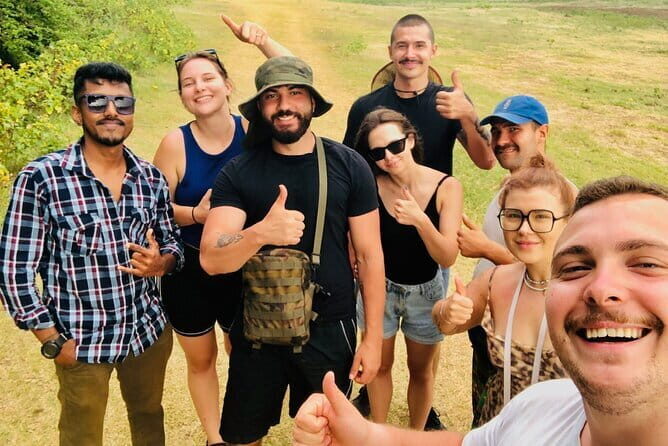
The trip runs about 8 hours and caps at 6 people, which matters because it helps you avoid the feeling of endless vehicles. You’ll meet at Ajith Safari Jeep Tours in Tissamaharama, and if you choose it, you’ll get pickup and drop-off.
In This Review
- Key Reasons This Safari Works
- Lunugamwehera’s Real Job: Water for Wildlife
- Where This Safari Enters: Why Weheragala Matters
- The 4WD Jeep Day: How the Small Group Changes Everything
- Your Day Inside Lunugamwehera: What You’ll Actually Look For
- Water birds and wetland activity
- Elephants and migration corridors
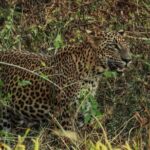
- The leopard question
- Park Fees and Food: The Two Things That Change Your Total Cost
- Park entrance fees (not included)
- Optional breakfast and lunch (on request)
- Timing and Meeting Point: Simple, But Don’t Guess
- What Makes This Feel Better Than a Typical Safari Trap
- Who This Safari Fits Best
- Should You Book Lunugamwehera (Weheragala Entrance)?
- FAQ
- Is the park entrance fee included in the $79 price?
- How do I pay the park entrance fee?
- What’s included in the tour price?
- How long is the safari?
- How many people are in a group?
- Is breakfast or lunch included?
- Where does the tour start and end?
- What happens if weather is poor?
- Can I cancel for free?
Key Reasons This Safari Works
- Weheragala entrance choice: you enter from Weheragala, which can raise your chances for elusive Sri Lankan leopards and generally more sightings.
- A 4WD Hilux with a small group: max 6 passengers on a sharing basis keeps the experience more personal.
- Licensed driver-guides: your guide is licensed from Sri Lanka’s Wildlife Department.
- This park connects habitats: Lunugamwehera acts as a corridor between Yala and Udawalawa, especially for elephants.
- Water-bird focus: the catchment and tanks help support water birds and wetland life.
- Mobile ticket included: less hassle once you arrive.
Lunugamwehera’s Real Job: Water for Wildlife
Lunugamwehera National Park (declared in 1995) was created to protect the catchment area of the Lunugamvehera reservoir. That sounds technical, but it’s exactly why the park can deliver meaningful wildlife watching. The reserve helps maintain water levels for five tanks downstream toward Kirindi Oya. When water stays steady, wetlands stay active, and birds show up.
The park is also important for elephants. It works like a corridor, letting elephants move between Yala National Park and Udawalawe National Park. For you, that means you’re not just looking at animals in isolation. You’re watching a living travel route.
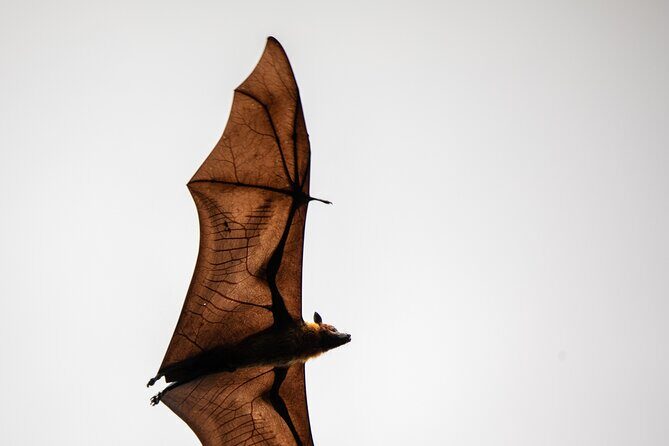
And then there’s the water-bird side. Lunugamwehera is a key habitat for water birds, so even when large animals are quieter, you may still find plenty to watch along the wetland edges and feeding areas. It’s a different “shape” of safari day than parks that are all about one big target animal.
A few more Yala National Park tours and experiences worth a look
Where This Safari Enters: Why Weheragala Matters
There are two entrances to the park. This tour specifically enters from the Weharagala entrance, and that’s a strategic detail worth taking seriously.
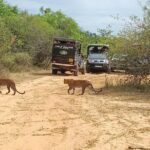
Entering from Weheragala is said to increase the chance of encountering elusive Sri Lankan leopards, along with more animals overall. You’ll also feel the difference in how the day moves once you’re inside: guides can position the jeep based on where sightings are more likely from that side.
In practical terms, entrance choice is one of the few levers you can control before you ever see an animal. You can’t force a leopard to show up. But you can give yourself a better starting point, and this one is built around that idea.
The 4WD Jeep Day: How the Small Group Changes Everything
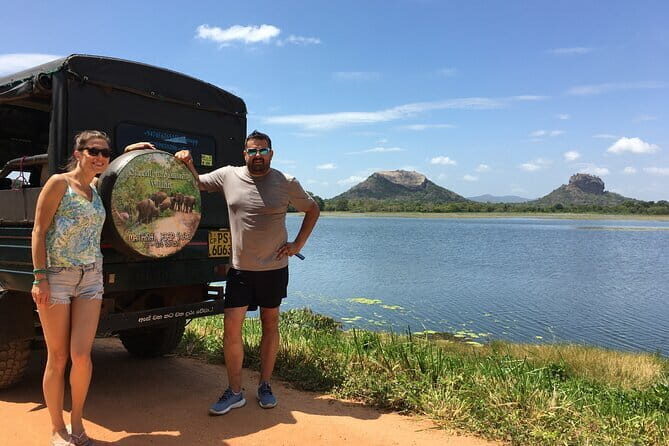
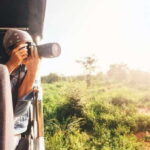
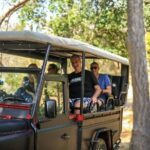
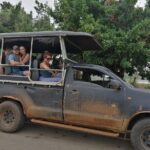
You’ll ride in a Toyota Hilux 4WD safari jeep, designed for off-road access and the slow, scanning pace that wildlife watching requires. The tour is run on a sharing basis, with a maximum of 6 travelers.
That small headcount matters more than you might think. Fewer people usually means:
- easier communication inside the jeep (everyone hears the guide’s pointers)
- less crowding when the vehicle needs to pause
- a calmer rhythm when the driver stops for sightings
A long safari can go two ways: noisy chase energy, or patient watching. The small group format helps you land closer to patient watching.
Also, your driver-guide is licensed from the Wildlife Department of Sri Lanka. That matters because wildlife tracking isn’t just “where do the animals look like they should be.” It’s also about safer driving, respect for wildlife, and reading signs without overdriving the day.
One review note that sticks with me is how a guide named Kasun suggested adding Lunugamwehera to the stay plan. Even when animal frequency felt lower than usual, the day still landed as interesting—because the environment and bird life kept the experience moving.
Your Day Inside Lunugamwehera: What You’ll Actually Look For
There’s one main stop: the safari time inside Lunugamvehera National Park. So the “itinerary” is really about how you spend that protected wildlife time, not a long schedule of separate sights.
Here’s what helps you stay tuned during your game drive:
Water birds and wetland activity
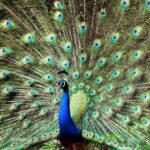
Since the park is a key water-bird habitat, keep your eyes open for feeding patterns, movement along water edges, and birds reacting to changes in light or water flow. You may not always get the dramatic, immediate animal moment—but birds can keep your attention focused.


Elephants and migration corridors
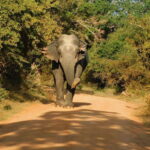
Because Lunugamwehera is a corridor between larger ecosystems, elephants can appear as part of their travel route. That’s a different mental model than “elephant at the watering hole forever.” Instead, think: is there movement, do you see signs, does the guide steer us toward likely routes?
The leopard question
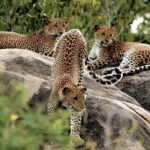
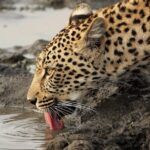
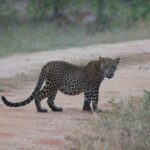
Leopards are hard. The tour’s Weheragala entrance is chosen with that in mind. If you get lucky, you’ll feel it fast. If you don’t, you’ll still get a park day with plenty of natural cues, and your licensed guide can explain what they’re reading in the area.
Park Fees and Food: The Two Things That Change Your Total Cost
The tour price is $79 per group (up to 6), which is a strong deal for a 4WD safari when shared. But you should plan for the real total cost in two parts.
Park entrance fees (not included)
Park entrance fees are 11,000 Sri Lankan Rupees per person, roughly $37. You pay this at the entrance in cash in Sri Lankan Rupees or possibly by credit card. The important detail: there’s no facility at the entrance to make cash payments in foreign currencies right now.
So do this math early. For example, even if you split the $79 group cost across several people, the entrance fee often becomes the largest per-person expense.
Optional breakfast and lunch (on request)
Food isn’t included by default, but you can add it:
- Breakfast: Sri Lankan breakfast with hopper, egg hopper, coconut sambol, sini sambol, fruits (USD 8 per person)
- Lunch: Sri Lankan lunch with rice, chicken, dhal curry, beans, potato tempering, papadam, fruits (USD 10 per person)
If you’re trying to keep the day smooth and not hunt for meals later, adding one or both options can be worth it. If you already have a good breakfast plan before pickup, you might just add lunch.
Timing and Meeting Point: Simple, But Don’t Guess
The experience runs about 8 hours. That’s enough time for real wildlife scanning, but it’s still a single-day commitment from your hotel area.
Your start point is Ajith Safari Jeep Tours in Tissamaharama:
No 984/B, Debarawewa, Tissamaharama 82600, Sri Lanka.
This matters because it tells you what kind of day it is: you’re not bouncing between multiple places. You’re being driven to the park and then spending the day focusing on wildlife.
Also, you’ll receive a mobile ticket, and confirmation comes at booking. Keep an eye on your message because it’s tied to the final details of the pickup option you select.
What Makes This Feel Better Than a Typical Safari Trap
A lot of safari days feel like a contest: chase the vehicle pile, take the photo, move on. Lunugamwehera can feel different because the focus is on an ecosystem that depends on water and movement, not just one headline species.
Here’s what I’d call the “value” behind the experience:
- Small group format keeps the day from feeling like a production line.
- Weheragala entrance is a meaningful choice, not a random route.
- Licensed guides help you get better at noticing what’s actually happening in the habitat.
- Park purpose (tanks, catchment protection, wetland support) translates to a better chance of water-bird viewing even when big animal sightings are slower.
And yes, that quiet factor can be both a plus and a reality check. If you’re the type who needs constant action, you might find the pace gentle. But if you like wildlife watching as patience plus observation, that calm pace is a feature.
Who This Safari Fits Best
This is a great match if:
- you’re traveling with children and families and want a full-day nature experience with wildlife and birds
- you prefer a less hectic feel over constant vehicle traffic
- you want elephants and water-bird habitat, not only the idea of seeing one iconic animal
- you like having an experienced, licensed driver-guide who can explain what you’re seeing
It may be less ideal if you’re short on time and want a half-day snack-sized safari. Also, if your whole trip is built around an absolute guarantee of leopard sightings, you should reset expectations. This is a wildlife experience, not a theme park.
Should You Book Lunugamwehera (Weheragala Entrance)?
I’d book it if your goal is a genuinely wildlife-focused day with elephants, water birds, and real chances for elusive cats, using a smart entrance choice. The small group Hilux format and licensed guidance are exactly the kind of details that improve the odds of a satisfying day, even when sightings are uneven.
I’d think twice if you’re very price-sensitive and you don’t want to deal with the separate entrance fee at the gate. Once you factor that in, it can still be good value, but you need to plan for it.
If you’re in the area and Yala-style safaris are on your list, Lunugamwehera is worth your time because it adds a different habitat story—water tanks, wetlands, and movement corridors.
FAQ
Is the park entrance fee included in the $79 price?
No. Park entrance fees are not included. You pay 11,000 Sri Lankan Rupees per person at the entrance (about $37).
How do I pay the park entrance fee?
The information says you can pay in Sri Lankan Rupees in cash or through a credit card. There is no facility at the entrance to make cash payments in foreign currencies.
What’s included in the tour price?
The package includes licensed experienced driver-guides, Toyota Hilux 4WD safari jeep (max 6 passengers on a sharing basis), and hotel pickup and drop-off if you select that option.
How long is the safari?
The duration is about 8 hours.
How many people are in a group?
The tour has a maximum of 6 travelers.
Is breakfast or lunch included?
Not by default. Breakfast and lunch are available on request for additional cost: breakfast (USD 8 per person) and lunch (USD 10 per person).
Where does the tour start and end?
It starts at Ajith Safari Jeep Tours – Yala Safari Operator in Tissamaharama and ends back at the same meeting point.
What happens if weather is poor?
The experience requires good weather. If it’s canceled due to poor weather, you’ll be offered a different date or a full refund.
Can I cancel for free?
Yes. You can cancel for a full refund up to 24 hours before the experience starts.
If you tell me your travel dates and how many people are in your group, I can help you estimate the real per-person total (tour + entrance fee) and decide whether adding breakfast or lunch makes sense for your day.