REVIEW · KANDY
Kandy Cooking Class with Granny
Book on GetYourGuide →Operated by AGS Tours · Bookable on GetYourGuide
Cooking in a real home changes everything.
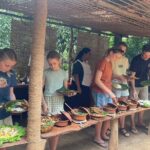
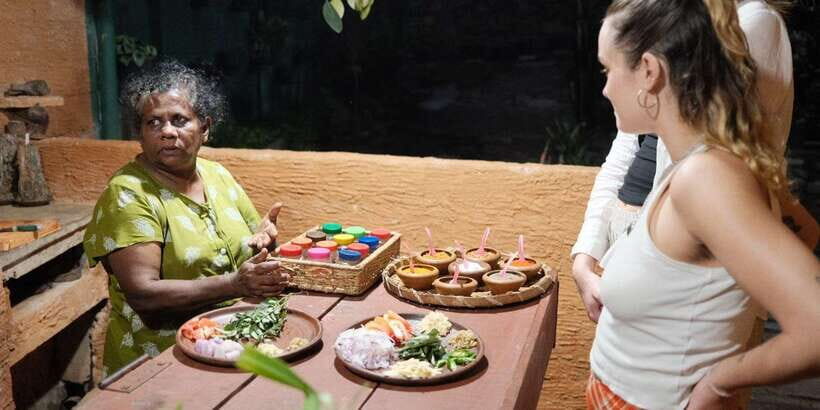
This class takes place inside a village kitchen, about 6.5km outside Kandy, so it feels like daily life instead of a demo. I like how the experience stays focused on traditional Sri Lankan cooking from start to finish, and how you learn by actually cooking, not just watching. You’ll get picked up from your Kandy hotel area and taken out to the family house in a quiet residential setting.
Two things I love: the hands-on format, and the fact that you cook traditional dishes A to Z with the spices and methods explained along the way. The other big win is the environment—no concrete walls, just a home setup that keeps the whole experience relaxed and personal.
One drawback to plan around: the class includes transport from Kandy to the place, but return transport is extra (unless they arrange it for you at the time). Also, it’s not suitable for wheelchair users, so you’ll want to consider comfort with stairs or uneven home settings.
In This Review
- Key things that make this class special
- Entering The Village Kitchen Outside Kandy
- What You Actually Cook: Curries, Vegetables, Sambol, Papadum, and Sweet
- The Spice Education You’ll Use After You Go Home
- Market Time With Granny’s Family: Ingredients, Fruits, and Real Context
- Lunch, Midday, or Dinner: How Timing Changes the Feel
- Transport and Location Reality: Plan for One-Way Inclusion
- Vegan Options and Protein Swaps: What Flexibility Looks Like
- Value for $25: Why This Feels Like a Meal Plus Education
- Who This Cooking Class Suits Best (and Who Might Be Unhappy)
- Should You Book Kandy Cooking Class with Granny?
- FAQ
- How long is the Kandy cooking class?
- What time options are available?
- Is pickup included?
- Do I need my own transport back to my hotel?
- What will I cook during the class?
- Can the class do vegan food?
- Does the class include a market visit?
- What language is the instruction in?
- Are recipe photos included?
- Is it wheelchair accessible?
Key things that make this class special
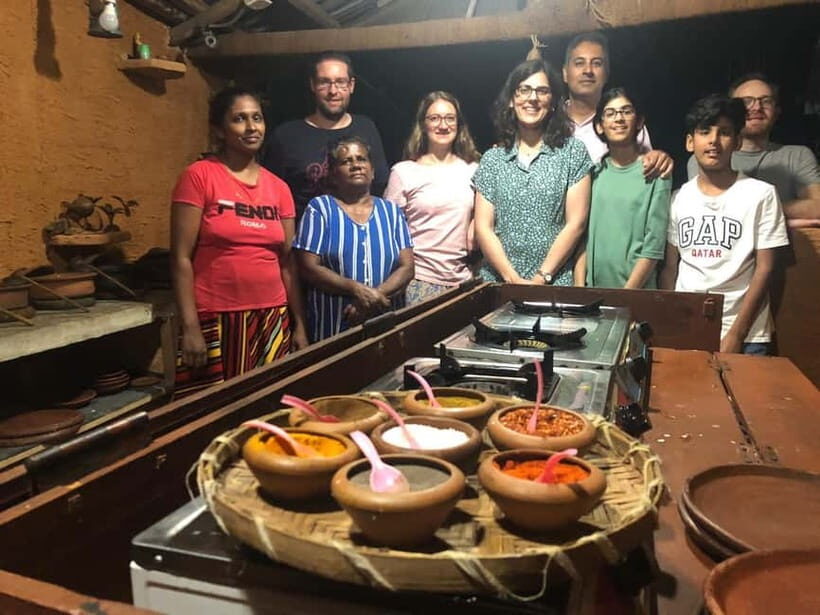
- You cook inside a real village home (not a studio or showroom)
- Granny plus family help with step-by-step guidance in English
- A market stop with Granny’s grandson to buy ingredients (and taste local fruits)
- Traditional menu focus only with curries, sambol, papadam, rice, and dessert
- You can get recipe photos afterward so you can recreate the dishes later
Entering The Village Kitchen Outside Kandy
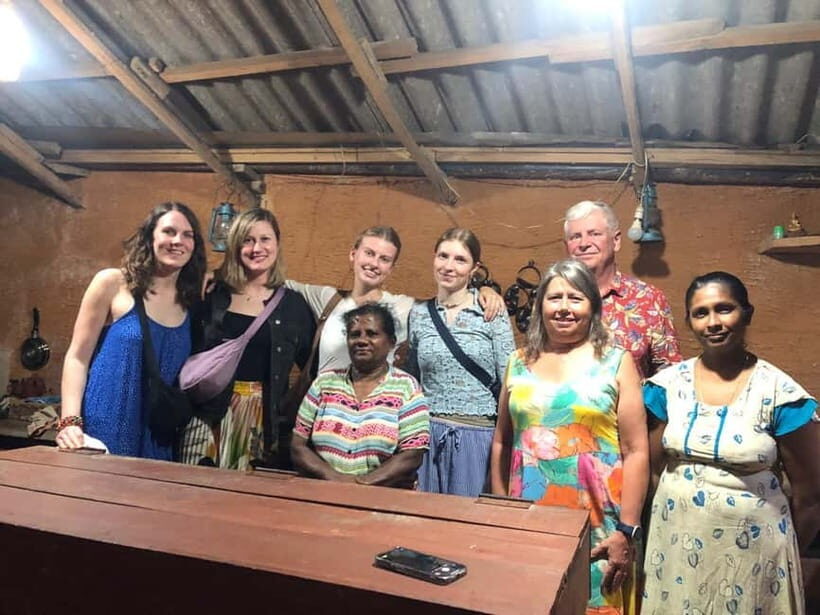
This is one of those Kandy activities that changes your whole idea of cooking in Sri Lanka. The lesson happens 6.5km from the city, in a village setting that feels residential and calm. Multiple parts of the experience lean on that contrast: you start in town, then you’re clearly heading out toward quieter hills and homes.
The house setup matters because you’re not surrounded by people in matching aprons and a big group flow. You’re in a family space where you can ask questions and get corrected as you cook. Even the rides up to the home can feel like part of the day, since you’ll travel out from Kandy via tuk-tuk.
Other Kandy tours we've reviewed in Kandy



What You Actually Cook: Curries, Vegetables, Sambol, Papadum, and Sweet
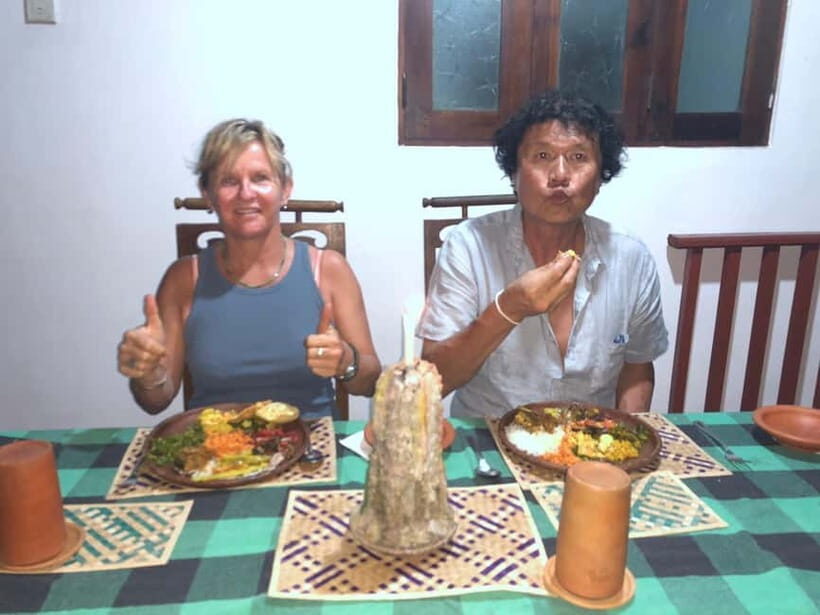
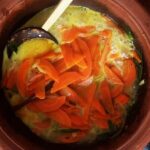
You’re not just learning one dish. Your class builds into a full Sri Lankan meal with several components, and the menu structure is a big part of the value.
Here’s what’s included in the course plan:
- Rice
- 7 vegetables (you’ll help choose or work with vegetables as part of the class)
- Fish or chicken curry (optional based on your preference)
- Coconut sambol
- Papadam
- 1 traditional Sri Lankan sweet (dessert)
And yes—you can do vegan versions. The kitchen can do vegan foods, and if you want it adjusted, they can also include egg, chicken, or fish instead. That flexibility is especially useful because Sri Lankan meals often build their flavor foundation around spice blends and coconut, so you still get the authentic taste even when the protein changes.
A lot of people leave this class feeling pleasantly overwhelmed because there’s a lot of food in the time window. One person even mentioned cooking 8+ dishes in an evening session, which matches the overall structure: multiple curries plus the sides that make the meal feel complete.
The Spice Education You’ll Use After You Go Home
Sri Lankan cooking is spice-forward, but the best part here is how you learn the logic behind it. You’re taught how to use the spices for curry flavor and how to handle the basic techniques that show up again and again.
Expect guidance on things like:
- how spices come together in curry steps
- how coconut milk fits into curries
- how different vegetables change how you cook them
This matters because if you only copy a recipe name, you’ll get stuck later. If you understand what the spice mixture is doing and why coconut is added (and when), you can adjust at home for whatever veggies you can find.
Also, you’ll cook enough to understand timing. Vegetables don’t all behave the same, and curries don’t all build flavor at the same speed. The step-by-step format helps you avoid the most common mistake in home cooking: rushing or adding ingredients in the wrong order.
Market Time With Granny’s Family: Ingredients, Fruits, and Real Context
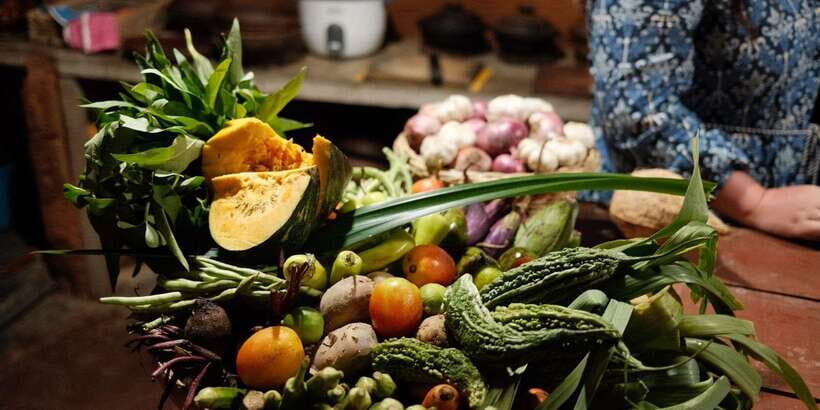
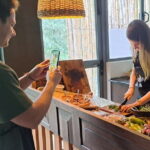
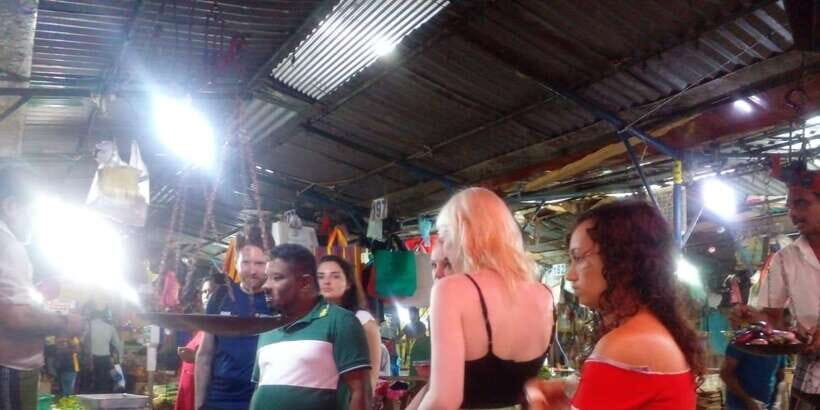
One of the standout moments in the experience is the local market stop. For many sessions, you travel with Granny’s family to buy ingredients, and you get an explanation of what you’re choosing. You may also get a chance to taste fruits like bananas, mango, and passionfruit as part of the market experience.
This is more than a shopping detour. It gives you the ingredients context that restaurants can’t teach. When you know what you’re using and what the ingredients taste like before cooking, you’ll follow the class instructions with way more confidence. And if you’re the type who likes to cook when you travel (not just when you get home), it helps you map out what you can realistically recreate later.
The market portion also adds a human layer. You’re not touring a checklist of sights—you’re seeing how a family chooses produce for the dishes you’ll make.
Lunch, Midday, or Dinner: How Timing Changes the Feel
The class runs in three time slots, and picking the right one can make your whole Kandy day easier.
- Lunch class: 9:00am to 12:30pm
- Mid day class: 1:00pm to 4:30pm
- Dinner class: 5:00pm to 8:30pm
Even though the official “duration” is listed around 3.5 hours, lessons may run 3–4 hours depending on how things go in the kitchen. If you like moving at a slower pace, dinner often feels like the most relaxed option. If you want the rest of the afternoon for Kandy highlights, the lunch or midday slot keeps you flexible.
One practical tip: this is a hands-on cooking session. Even if you’re experienced in kitchens, plan your day like you’ll be sweaty, focused, and a bit hungry. It’s not just sitting and tasting—there’s real prep work and stove time.
Other Sri Lankan cooking classes we've reviewed in Kandy
Transport and Location Reality: Plan for One-Way Inclusion
Transport is where you’ll want to read the fine print in your head and not in your inbox.
You’ll get pickup included from your place in Kandy and around 3km from Kandy. That gets you to the family house outside the city. But the return journey costs extra, and you’ll need to arrange it yourself unless they provide it for you at the time.
This matters because it can change the true cost versus the headline price. The class is $25 per person, and that’s already a solid deal considering you’re getting instruction in English, cooking multiple dishes, eating what you make, and receiving photos of your recipes afterward. If the return tuk-tuk or taxi cost is high, your total value shifts a bit—so I recommend you confirm the return plan early.
Also, because it’s not in the city, budget a little patience. You’re heading out 20 minutes-ish by tuk-tuk in the hills, and rain or traffic can slow things down. One review specifically noted that transport effort increased during heavy rain, which is good to know: they try hard to make it work, but weather can still affect timing.
Vegan Options and Protein Swaps: What Flexibility Looks Like
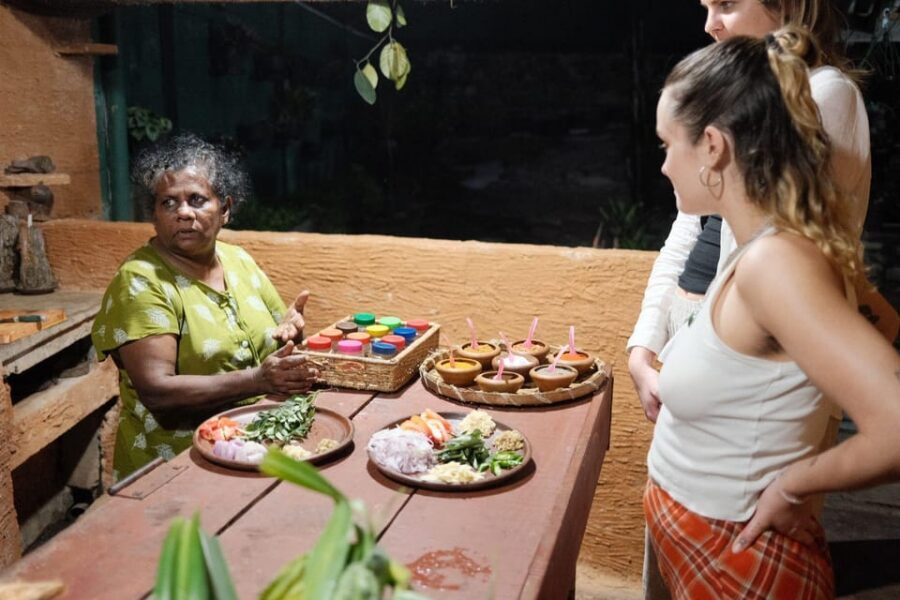
Sri Lankan food can look strict on menus, but this class gives you real control. Vegan dishes are available, and they can also adjust for egg, chicken, or fish if you prefer.
That flexibility is important because it protects the main skill you’re here for: learning the spice methods and curry-building process. Even when the protein changes, the backbone often stays similar—coconut sambol, coconut milk technique, spice layering, and vegetable curry handling.
If you have dietary needs, this class is a good fit because the menu is built with multiple curries and side dishes. You’re not trapped in a single-dish compromise. Just tell them what you prefer when you book, so they can plan the correct ingredients and steps.
Value for $25: Why This Feels Like a Meal Plus Education
At $25 per person for about 3.5 hours, you’re paying for more than food. You’re paying for:
- instruction in English
- step-by-step cooking guidance
- a full meal structure (rice, multiple curries/vegetables, sambol, papadam, dessert)
- market ingredient exposure (in many sessions)
- photos of the recipes afterward
This is exactly the kind of experience where the value depends on what you want. If you simply want a plate of food, you could eat well in Kandy for less. But if you want the know-how—spice combos, coconut milk technique, how to cook multiple vegetables into curry—you’re getting a real skill transfer.
Also, the setting adds value. Cooking in a village home changes the vibe. It’s not only cheaper than fancy cooking schools; it’s more personal.
The main value question is transport back. If return transport ends up being pricey for your plan, you’ll feel it. If the return ride is reasonable, this is one of the best “learn while eating” deals around Kandy.
Who This Cooking Class Suits Best (and Who Might Be Unhappy)
You’ll probably love this if:
- you enjoy hands-on activities over lectures
- you want authentic Sri Lankan flavors, not international fusion
- you like markets and ingredient knowledge
- you travel as a couple, small group, or solo and want something friendly and private
You might skip it if:
- you struggle with home-style walking or the physical reality of a non-commercial house
- you need full accessibility support (it’s not suitable for wheelchair users)
- you hate having extra transport costs to manage
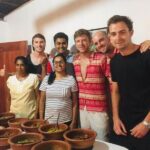
One more practical note: since it’s a private group experience, it can feel more personal and efficient than big-group classes. That’s usually a win for learning, because there’s more attention when you’re chopping, frying, or stirring.
Should You Book Kandy Cooking Class with Granny?
Yes, I’d book it if your goal is to learn real Sri Lankan cooking and eat a proper meal you helped make. The best part is the combination: village home setting, English guidance, and cooking multiple dishes with spice technique you can repeat later. Add in the market ingredient stop with Granny’s family, and it becomes more than a single afternoon activity.
Before you book, do two quick checks so it fits your trip:
- Ask how they handle return transport from the village back to Kandy.
- Confirm your food preferences (vegan, or egg/chicken/fish) so the menu matches what you want to cook.
If those are squared away, this is a high-value, heartwarming Kandy experience that’s more likely to stick with you than a standard meal.
FAQ
How long is the Kandy cooking class?
The lesson is listed as about 3.5 hours, and it typically runs 3 to 4 hours depending on the session.
What time options are available?
There are three sessions: 9:00am to 12:30pm, 1:00pm to 4:30pm, and 5:00pm to 8:30pm.
Is pickup included?
Yes. Pickup is included from Kandy and around 3km around Kandy.
Do I need my own transport back to my hotel?
Return transport is not automatically included. You can arrange it yourself, or they may be able to provide it for an extra cost.
What will I cook during the class?
You’ll cook rice, coconut sambol, papadam, a traditional sweet, and curries featuring 7 vegetables plus fish or chicken curry (depending on your preference).
Can the class do vegan food?
Yes. Vegan foods are available. If you want, they can also include egg, chicken, or fish.
Does the class include a market visit?
Many experiences include a local market visit to buy ingredients, with Granny’s family explaining and helping with selection.
What language is the instruction in?
Instruction is in English.
Are recipe photos included?
Yes. After the class, you can be sent photos of the recipes you cooked so you can recreate them at home.
Is it wheelchair accessible?
No. It is not suitable for wheelchair users.