REVIEW · KANDY
Authentic Sri Lankan Cooking Class in Kandy with Local Family
Book on Viator →Operated by Best Kandy kitchen · Bookable on Viator
This class feels like family dinner with instructions. It’s hosted in a home kitchen near the big Buddhas statue at Bahirawakanda Mountain, and the whole point is to learn how Sri Lankans cook every day, not how a studio chef performs.
Two things I really like: you learn techniques you can repeat at home and you get to spend time with the actual women who cook daily—wife, sister, and mother—plus sometimes their little girls join in. One thing to consider: it’s not a formal restaurant setting, so expect a home-kitchen setup and a schedule built around family life.
In This Review
- Quick highlights
- Why A Kandy Home Kitchen Lesson Is Better Than A Show
- The Bahirawakanda Area: Easy to Find, Calm to Arrive
- A 3-Hour Session Built Around Real Cooking Skills
- What You’ll Actually Do in the Kitchen (Not Just Watch)
- Spices and Vegetables: How the Explanations Pay Off Later
- Optional Local Market Guidance (If You Want More Than a Kitchen Lesson)
- Price and Value: What $35 Gets You in Kandy
- Who This Cooking Class Is Best For
- Should You Book This Kandy Family Cooking Class?
- FAQ
- Where is the cooking class located in Kandy?
- What time does the class start?
- How long is the experience?
- Where does the cooking class take place?
- Who teaches the class?
- Do you get recipes at the end?
- What is the group size limit?
- Can pickup and drop-off be arranged?
- What is the cancellation policy?
Quick highlights
- Women-led cooking: the class is taught by the wife, sister, and mother who cook traditional food regularly
- Home kitchen, real routines: learn how meals fit into everyday family timing
- 5:00pm start: a sweet spot for an evening activity that won’t swallow your whole day
- Practical skills + recipes: you’ll get recipes at the end so you can cook again later
- Optional market guidance: if you want, they can guide you to a local market and explain spices and vegetables
- Small group (max 15): easier to ask questions and get hands-on attention
Why A Kandy Home Kitchen Lesson Is Better Than A Show
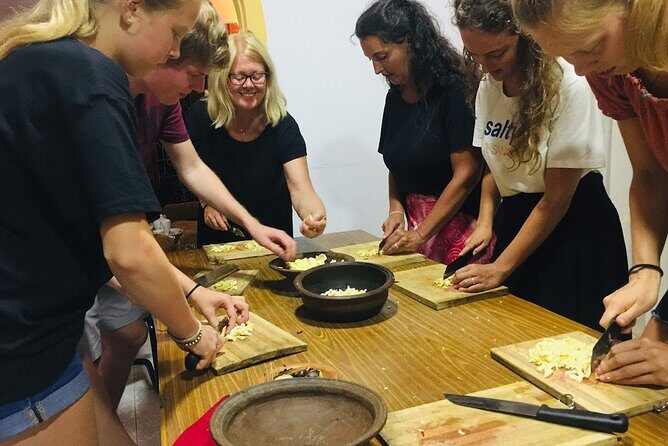
Cooking classes can turn into performance art. This one is different. You’re cooking in a real home kitchen, with people who make these dishes often, not once a week for a class.
I love the focus on techniques, not just copying a single finished plate. Sri Lankan food relies on how flavors are built—spice mixes, fresh ingredients, and everyday methods. When you learn the “how,” you can adjust later at home, even if you can’t find the exact same spices.
It also helps that the teachers are a family unit. The wife, sister, and mother approach food the way most households do: explain, taste, correct, and move on to the next step. It’s not stiff. You’ll feel comfortable asking questions, especially about ingredients and how they’re used in daily cooking.
The tradeoff is simple: because it’s a home environment, the pace and kitchen setup may feel more casual than a polished cooking school. If you want perfectly controlled stations and a very quiet room, this may feel too human. But if you want authenticity, that’s the whole point.
Other Kandy tours we've reviewed in Kandy



The Bahirawakanda Area: Easy to Find, Calm to Arrive
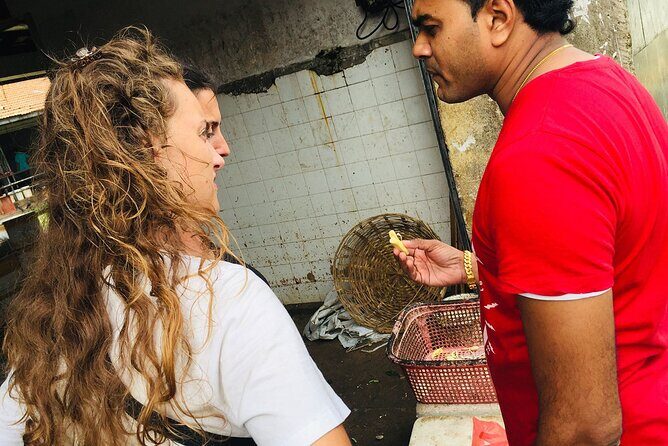
The meeting setup is anchored near Kandy city center, close to the big Buddhas statue at Bahirawakanda Mountain. That location matters, because it keeps the class from feeling like a chore to reach. You’re not commuting across the countryside for a 3-hour session.
They also describe the home as close to big nature—calm and green—so the mood when you arrive is more relaxed than a crowded tourist strip. An evening start (5:00pm) pairs well with that. You get to cool down after Kandy’s daytime energy and shift into something slower.
One more practical note: they mention it’s near public transportation. That’s useful if you’re budget-minded or if your hotel is in the general Kandy area and you don’t want to pay for repeated rides.
A 3-Hour Session Built Around Real Cooking Skills
The total time is about 3 hours, starting at 5:00pm. In that window, you’ll get more than a quick taste of Sri Lankan cooking. You’re there to learn new methods you can repeat later.
The class is taught by the women in the family. Their framing is straightforward: they cook traditional foods multiple times per day, so they’ve got lived-in experience. That’s a big deal. It means you’re not just learning a recipe—you’re learning the reasoning behind it: how ingredients behave, when to adjust flavors, and what matters most to get good results.
Because the group is capped at 15 travelers, you’re less likely to feel like a spectator. Smaller groups usually mean more time for questions and more chances to practice. You can ask what you’re curious about, especially for spice usage and ingredient choices.
What I’d watch for during the class is how they explain daily life alongside cooking. They promise you’ll learn about Sri Lankan food culture and daily routines. That context can actually help your cooking later, because you’ll understand why certain flavors show up together and how meals fit into the rhythm of the day.
What You’ll Actually Do in the Kitchen (Not Just Watch)
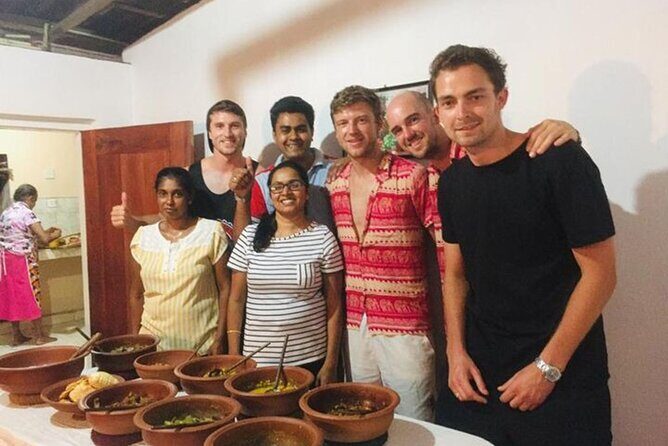
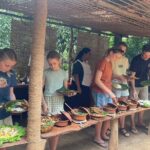
This isn’t a chef-only setup. They specifically note there’s no chef for the class. Instead, your teachers are the wife, sister, and mother, with sometimes their young girls joining. That family feel can make the session lively. It also makes the teaching more practical, because they’re teaching in the way they would teach relatives or neighbors.
Inside the home kitchen, you can expect three big parts:
1) Ingredient and spice talk
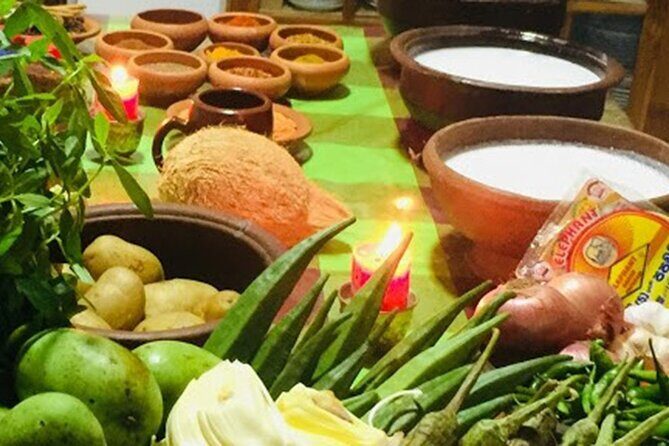
They guide you through spices and vegetables, and if you ask, they can explain what each ingredient contributes.
2) Cooking with instruction
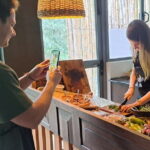
You’ll learn cooking techniques and help prepare food. The best part is that they’re focused on skills you can repeat, not just the final dish.
3) Eating what you cooked
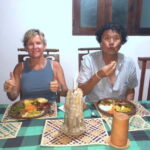
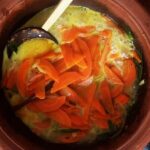
You’ll end the class by enjoying the meal. That’s not just for fun—it’s where you can taste what you just learned and connect it to the steps that created those flavors.
They also mention historical tips about Sri Lankan cuisine. Even if they keep it light (they likely will), that adds meaning. It turns the class from cooking-only into food-culture learning.
Spices and Vegetables: How the Explanations Pay Off Later
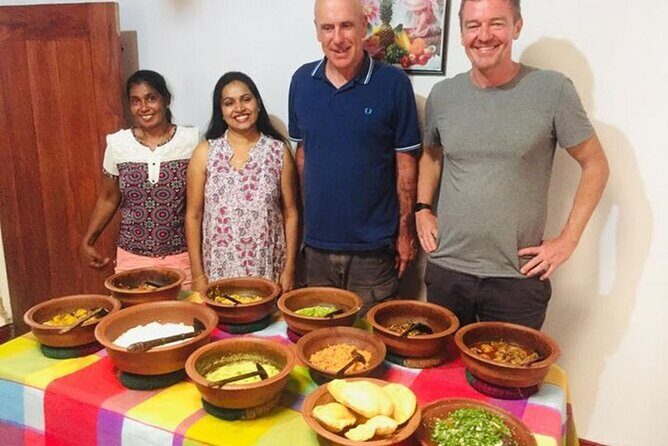
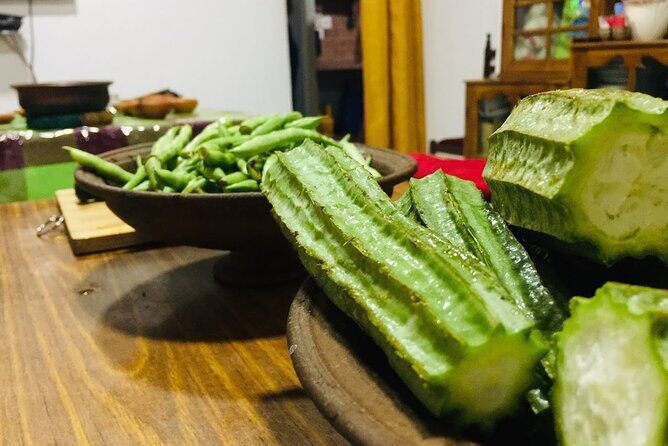
One of the most useful promises here is that you’ll learn about spices and vegetables in a way you can use again at home. Many cooking classes focus on the dish. This one leans into the ingredients.
That matters because Sri Lankan cooking often feels “mysterious” from a distance. People see spice stacks and assume it’s complicated. In reality, it becomes manageable when you understand what each spice does and how fresh vegetables shape the dish.
During the class, your instructors guide you through what they’re using and why. If you’re hoping to recreate this at home, that’s the kind of learning that sticks.
Also, their approach is practical in tone. They don’t frame it as a rare art practiced by a few experts. It’s taught as everyday skill, passed down because it’s needed for family meals. You’ll likely come away with a calmer, more confident view of cooking.
Other Sri Lankan cooking classes we've reviewed in Kandy
Optional Local Market Guidance (If You Want More Than a Kitchen Lesson)
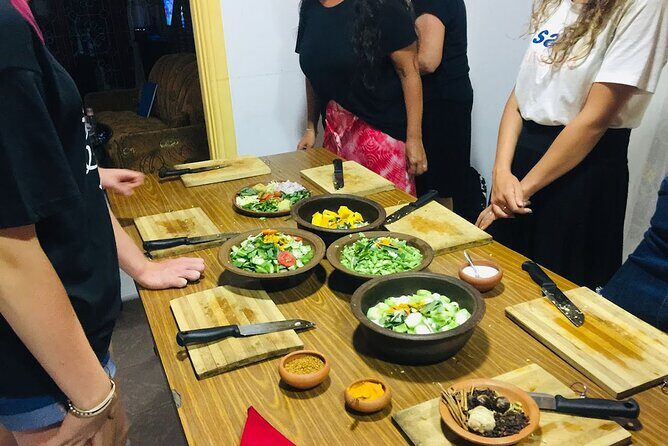
They offer something extra for people who want to go beyond the stove: guidance to visit the local market. If you like markets, you’ll probably enjoy this option.
Here’s the value: markets help you understand ingredients in context. Spices don’t just appear in jars back home. In Sri Lanka, they’re picked, sorted, and used with the local vegetables and the local cooking rhythm. Being shown what to look for—and how spices and vegetables connect—can make your shopping at home less guessy.
They also explain spices and vegetables during market guidance. That can be the difference between buying “random spice mixes” and using them more deliberately.
If you’re short on energy or you prefer a strictly kitchen-only evening, you can skip this. But if you’re a food person who likes to learn where ingredients come from, this option is a smart add-on.
Price and Value: What $35 Gets You in Kandy
At $35.00 per person for about 3 hours, this class is priced like an evening activity, not a luxury event. In return, you get a family-taught cooking lesson in a home kitchen, plus recipes at the end.
The value comes from a few practical pieces:
- Small group size (max 15) helps keep it interactive
- No chef barrier means you’re learning directly from people who cook daily
- Recipes provided means you don’t just leave with memories—you leave with next steps
- Pickup/drop-off around Kandy can reduce friction if you’re staying near the center
Also, the booking pattern matters. They’re often booked around 20 days in advance on average. That tells you the class has steady demand. If you’re traveling in peak season, you’ll want to lock it in early so your evening doesn’t turn into a last-minute scramble.
Is it the cheapest cooking class in Kandy? Maybe. But value is about what you get: real family teaching, hands-on practice, and take-home recipes.
Who This Cooking Class Is Best For
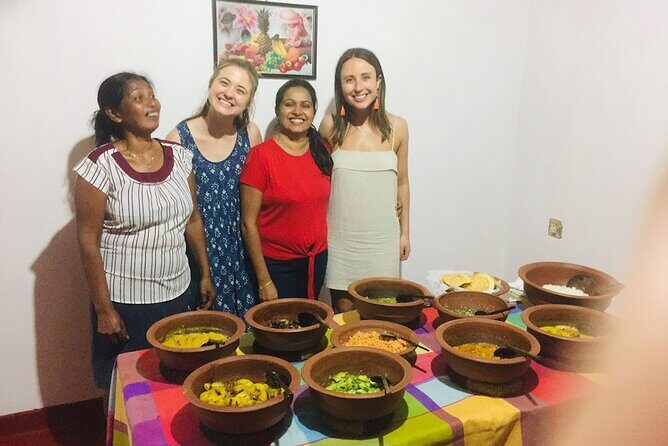
This is a great fit if you want a genuine evening with real people and practical skills.
You’ll probably love it if:
- you’re the type who remembers recipes better when someone shows you the technique
- you like learning about daily life, not just food on a plate
- you want a small-group class where you can ask questions
- you want an activity that works well at 5:00pm without eating your whole day
It’s less ideal if:
- you strongly prefer formal, studio-style teaching environments
- you need lots of English translation detail in a highly structured classroom setting (the data doesn’t promise that level of structure)
- you dislike home-kitchen setups, even when they’re clean and friendly
If you’re traveling with a friend or a couple, it can feel particularly fun—two people asking questions and cooking together makes the learning easier to remember.
Should You Book This Kandy Family Cooking Class?
My answer: yes, if you want practical Sri Lankan cooking skills and a real family setting.
Book it if you value hands-on learning, small group energy, and recipes you can cook later. The family-led format—wife, sister, mother, and sometimes the kids—adds warmth and a living sense of how these dishes fit into everyday life.
I’d hesitate only if you need a perfectly formal setup, a very strict timetable, or you want a large-group party vibe. This is calmer and more personal than that.
If your schedule allows, treat it like a highlight evening. It’s the kind of experience that leaves you with food knowledge you can actually use, not just photos.
FAQ
Where is the cooking class located in Kandy?
The family home is very close to Kandy city center, near the big Buddhas statue at Bahirawakanda Mountain.
What time does the class start?
The class starts at 5:00pm.
How long is the experience?
It lasts about 3 hours.
Where does the cooking class take place?
The class is held inside the family home kitchen.
Who teaches the class?
The teachers are the host’s wife, sister, and mother. Sometimes their three little girls also join.
Do you get recipes at the end?
Yes. Recipes are provided at the end of the class.
What is the group size limit?
The class has a maximum of 15 travelers.
Can pickup and drop-off be arranged?
Yes, pickup and drop-off can be arranged to your hotel around Kandy city only.
What is the cancellation policy?
You can cancel for a full refund up to 24 hours before the experience starts. If you cancel less than 24 hours before, no refund is given. If a minimum number of travelers isn’t met, you’ll be offered a different date/experience or a full refund.