REVIEW · KANDY
Private Traditional Sri Lankan Cooking Class in Kandy with Hotel Transfers
Book on Viator →Operated by Yummy Kandy Cooking Class · Bookable on Viator
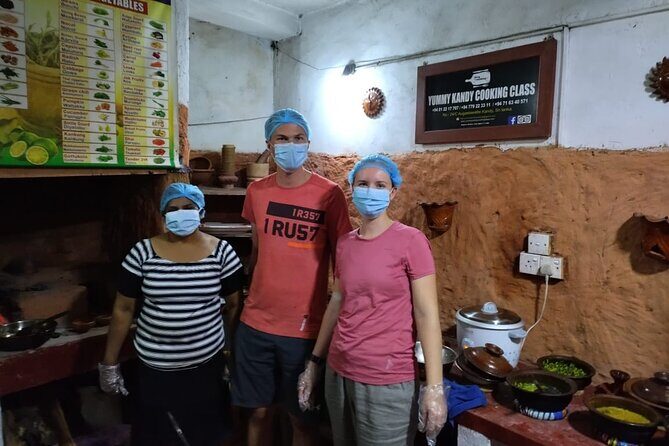
Cooking in Kandy feels like a family visit. You get to learn Sri Lankan food the hands-on way, guided by Chitra in a small group, starting with hotel pickup and a welcome tea or coffee. I like that you aren’t stuck watching from the side. I also like that you choose what curry to make, so the class fits your tastes. One possible drawback: this is not a sit-and-sip show, you’ll be cutting, chopping, and cooking.
This is run by Yummy Kandy Cooking Class, and the pacing is friendly but real. You’ll end by eating the meal you helped create with your instructor and the people in your group. If you need vegan or gluten-free options, the class says recipe choices are available, and that matters for planning a stress-free trip.
In This Review
- Key things to know before you go
- Why this Kandy cooking class is more about technique than just food
- Hotel transfers and a welcome tea/coffee that keep the day stress-free
- Hanthana Mountain Range: the opener that grounds the whole experience
- Meeting Chitra and picking your curry like a local chef
- The spice and vegetable lesson that makes your curry taste like Sri Lanka
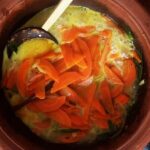
- What dishes you might make, from lentils to jackfruit curry
- Eating together at the end: the part that turns lessons into memories
- Vegan and gluten-free options that don’t feel like an afterthought
- Pricing: what you’re really paying for at $120
- What to expect from the 3-hour rhythm in practice
- Who this Kandy cooking class fits best
- Should you book this Kandy cooking class with transfers?
- FAQ
- What time does the cooking class start, and how long is it?
- Is hotel pickup and transfers included?
- Is this class private or shared with other groups?
- What will I do during the class, and do I eat after?
- Can the class accommodate vegan or gluten-free diets?
- Can I cancel, and is there a full refund?
Key things to know before you go
- Small group, private feel: It’s described as a private activity where only your group participates.
- You choose your curry: Your menu decision happens during the class, not after it’s over.
- A welcome drink starts things off: Tea or coffee sets the tone before you hit the spices and vegetables.
- Dietary options are part of the plan: Vegan and gluten-free recipe options are listed.
- Transfers make it easy: Hotel pickup and transfers reduce the usual Kandy hassle.
Why this Kandy cooking class is more about technique than just food
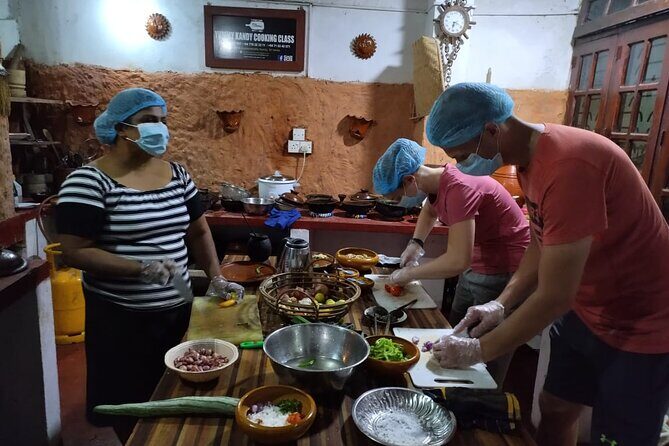
A cooking class can be either a food show or a skills lesson. This one leans toward the skills side. Chitra doesn’t just list ingredients and move on. The flow is built around understanding spices and vegetables, then using that knowledge while you cook your curry.
I like that the class treats cooking as a process you can repeat. You’re taught how to cook, but you’re also involved in prepping the ingredients. That means you’ll remember what changed when you adjusted timing, heat, or texture. And because you’re eating right after, it’s easier to connect the steps to results.
Also, the “sit down and dine together” part isn’t an afterthought. Several people highlight the table conversation as part of the experience, which makes sense in Sri Lankan culture where food and sharing go together. You’re not just consuming a meal. You’re learning how people talk about it.
Other Kandy tours we've reviewed in Kandy


Hotel transfers and a welcome tea/coffee that keep the day stress-free
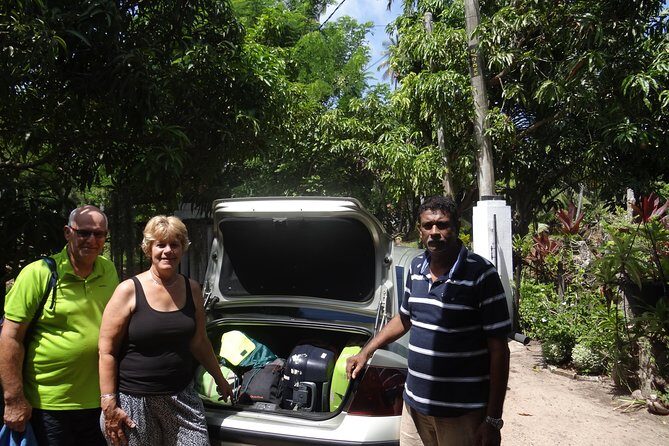
Kandy traffic can turn a simple outing into a time puzzle. The built-in hotel pickup and transfers do real work for you here. Instead of hunting for a meeting point and then worrying about getting back, you start from your hotel, and the schedule is already shaped around the 10:00 am start.
That welcome tea or coffee is small, but it helps. It gives you a calm start before you start chopping and cooking. It also means you’re not thrown immediately into instructions at full steam. You’ll have a minute to settle in, then you can pay attention when the class starts explaining spices and vegetables.
You also get a mobile ticket, and confirmation comes at booking. Those are the kind of details that sound boring until you’re standing somewhere unfamiliar and wondering where you’re supposed to go next.
Hanthana Mountain Range: the opener that grounds the whole experience
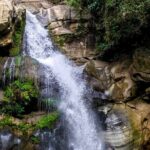
The class includes a stop tied to the Hanthana Mountain Range. Even though the time at this stop isn’t spelled out in the details, it’s clearly part of how the morning begins. For you, that means the experience doesn’t start and end inside a kitchen. It starts in the real Kandy area.
Why this matters: cooking classes can feel disconnected from place. Starting around the Hanthana Mountain Range area makes the food feel tied to where you are. It’s also a helpful pacing tool. You’re not going from hotel door straight to knife work. You get a short pre-kitchen moment, then the day shifts to the smells and sounds of cooking.
If you’re timing a packed Kandy itinerary, keep in mind that a morning start at 10:00 am plus an opening stop means your day will move as a unit. Plan your next activity with some buffer afterward, since you’ll finish the class by eating what you made.
Meeting Chitra and picking your curry like a local chef
The heart of this experience is the instructor. Chitra is described as an experienced culinary instructor, and that shows in the structure. After pickup, you get a welcome drink, then the class explains spices and vegetables. That matters, because Sri Lankan cooking is built on flavor layers, not just one bold ingredient.
Then comes the part you’ll probably enjoy most: you can choose what to make. That choice gives you control over the class experience. Want a lentil-based curry? Want something fruitier like jackfruit curry? You’ll be able to steer your own meal toward what you actually want to taste.
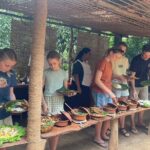
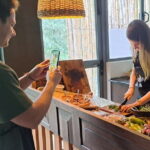
Once you choose, you’ll cut and chop the vegetables. This is where “hands-on” stops being a marketing line and becomes useful. You’ll learn practical handling steps, and you’ll also see why certain cuts cook differently. If you’re new to cooking, don’t worry. You’re taught how to cook, not just left to it.
One more thing I appreciate: this setup naturally creates room for questions. When the class is small and personal, you can ask about ingredients, spice balance, or how to get the texture right. You’re not competing with a crowd.
The spice and vegetable lesson that makes your curry taste like Sri Lanka
Sri Lankan curries depend on spice combinations and on how the spices interact with the base. This class explicitly sets aside time to explain spices and vegetables before you start cooking. That order is smart.
For you, it means you’re not guessing. You’ll understand what each ingredient is doing, even if you don’t know the names yet. Spices aren’t just about being hot. They bring warmth, aroma, depth, and character. Vegetables aren’t just “stuff to cut.” They affect thickness, sweetness, and the final mouthfeel.
After that intro, you’re in motion: chopping, prepping, then cooking. When you cook under guidance, you’ll learn what to watch for, like when a spice blend smells right or when vegetables soften into the curry. The result is that your final meal doesn’t taste random. It tastes intentional.
And yes, you also get to eat. That’s key. Cooking classes where you don’t taste your work are frustrating. Here, you sit down and dine on the meal you made, so the learning sticks.
Other Sri Lankan cooking classes we've reviewed in Kandy
What dishes you might make, from lentils to jackfruit curry
The tour description gives a useful idea of the range. You can learn curries that include lentils, and you may make dishes featuring jackfruit curry. That variety is a big part of what makes Sri Lankan food interesting for first-timers.
Lentils are often a gateway ingredient because they’re approachable and show up in multiple forms. When you cook lentils well, you learn how texture changes with time and how seasoning builds depth. Jackfruit-based curry is a great contrast because it brings a different texture and flavor direction, not just the standard “meat curry” expectation.
Because the class includes “choose what you make,” your exact menu may depend on what you request and what the instructor is preparing. The confident part is that the class covers multiple curry styles and teaches you how to cook them, not just one single dish.
If you want to walk away with something you can cook later, ask Chitra about what makes your selected curry taste the way it does. In a small-group class, that conversation is usually possible.
Eating together at the end: the part that turns lessons into memories
This class ends with you dining on what you cooked. That’s not unusual for cooking classes, but the way it’s described makes it feel more like a shared meal than a quick bite.
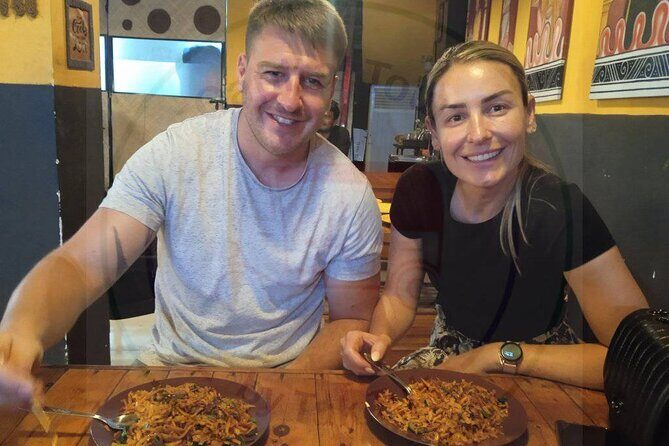
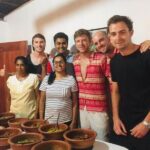
You’ll sit down with your instructor and fellow students. People also mention how interesting the talk around the table was. That matches the practical reality: cooking creates a natural topic list. You’ll compare what you made, ask how certain steps were handled, and talk through what you liked.
For you, this is valuable because you’re not leaving with only recipes. You’re leaving with small details that are hard to capture in a written list. For example, you’ll likely notice how spice levels feel different once they’re in curry form, or how vegetables taste once they’ve cooked down.
Also, if you’re hoping for an experience that feels cultural and human rather than staged, the meal-at-the-end structure is a good signal. It’s a good fit for couples, solo travelers, and small groups who want more than a photo stop.
Vegan and gluten-free options that don’t feel like an afterthought
The class lists recipe options for vegan and gluten-free diets. That matters for planning because it changes how confident you can be about the meal at the end. You want to know you’ll still eat what you make, not just watch something happen.
One review specifically calls out a vegan request being handled without trouble. That’s a strong sign that dietary needs are taken seriously here, not treated as a last-minute complication.
Practical advice: when you book, clearly state what you can and can’t eat. If you’re vegan, confirm if you avoid all animal products. If you’re gluten-free, confirm how you define gluten avoidance for you. Then choose a curry that matches those needs. Since you’re able to select what to make, you’ll have more control than in a fixed menu class.
Pricing: what you’re really paying for at $120
At $120 for about 3 hours, you’re paying for more than ingredients. You’re paying for instruction, hands-on coaching, and a full meal on top. You’re also paying for convenience: hotel pickup and transfers are included, which can quietly add value in Kandy where getting around can take time and effort.
This kind of private, small-group class can be a smart value when:
- you want a more personal teaching experience
- you don’t want to organize transport
- you’ll actually eat the meal you cook (not just sample a few bites)
- you’re traveling with dietary needs and want confidence
It’s less ideal if you’re purely price-sensitive and already have a local cooking setup at home. But if you want the whole package—pickup, learning, cooking, and a shared meal—$120 can feel fair.
What to expect from the 3-hour rhythm in practice
The class is listed at roughly 3 hours. That’s a good length. It’s long enough to cook and eat, but short enough that it won’t swallow your whole day.
A realistic way to think about the timing:
- You start around the 10:00 am window with pickup and a welcome drink.
- You’ll get an intro to spices and vegetables.
- You’ll pick what curry you want and start cutting/chopping.
- Then you cook, and finally you eat the meal you made.
Because you’re eating at the end, plan accordingly. You likely won’t want to schedule a big lunch immediately after. If you have afternoon plans, keep them flexible in case your appetite runs big or your conversation at the table lasts a bit longer than expected.
Also, since there’s a Hanthana Mountain Range stop at the beginning, your schedule will feel like an experience, not just a kitchen appointment. That’s part of the appeal.
Who this Kandy cooking class fits best
I think this class is a strong match if you:
- want a hands-on Sri Lankan cooking experience rather than a tasting-only tour
- enjoy learning through doing (chopping, prepping, cooking)
- like the idea of sitting down together at the end
- need vegan or gluten-free recipe options
- want hotel transfers instead of navigating on your own
It may be less suitable if you’re looking for a purely relaxed activity where you don’t touch ingredients. This is cooking. You’ll be active.
One more point: the experience allows service animals, and it’s near public transportation. So if you rely on any support animal or local transit access, that’s a good sign.
Should you book this Kandy cooking class with transfers?
If you want an experience that turns Sri Lankan food from a list of dishes into something you understand, book it. The combination of Chitra’s instruction, the small-group feel, the spice-and-vegetable lesson, and the fact that you eat your own curry is a rare sweet spot.
I’d book especially if you:
- hate complicated logistics (pickup and transfers solve that)
- want dietary flexibility (vegan and gluten-free options are stated)
- care about authenticity and clear explanations (the class is described as authentic and informative)
If you’re the kind of traveler who likes to collect recipes and technique instead of just photos, this is likely to land well. And if you want a morning activity that feeds you properly, this class does that too.
FAQ
What time does the cooking class start, and how long is it?
The start time is 10:00 am, and the class runs for about 3 hours.
Is hotel pickup and transfers included?
Yes. Pickup from your hotel is offered, and the experience includes hotel transfers.
Is this class private or shared with other groups?
It’s listed as a private tour/activity. Only your group will participate.
What will I do during the class, and do I eat after?
You’ll start with a welcome drink, then learn about spices and vegetables. You’ll choose what curry to make, cut and chop vegetables, learn how to cook, and then sit down to eat the meal you prepare.
Can the class accommodate vegan or gluten-free diets?
Recipe options for vegan and gluten-free diets are available.
Can I cancel, and is there a full refund?
Free cancellation is offered. You can cancel up to 24 hours in advance for a full refund, and cancellation must be made at least 24 hours before the start time for the refund.