REVIEW · SRI LANKA
Kalametiya Sanctuary: Bird Watching by Private Boat Tour
Book on GetYourGuide →Operated by Api machan tours · Bookable on GetYourGuide
Birdwatching here is surprisingly easy.
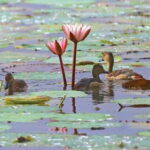
A private boat ride through Kalametiya Bird Sanctuary turns the usual scramble of wildlife spotting into a slow glide over lagoons and mangroves. I love the quiet, non-motor feel of the waterways, and I love that the guide helps you actually identify what you’re seeing, including standouts like painted storks, herons, kingfishers, and even the Sri Lankan junglefowl.
For a short outing, it’s also focused. With $25 per person for 2 hours, you get a high-payoff taste of birdlife instead of a full day of roaming. The only drawback to plan around: sightings depend on season and timing, so go for the experience and the best chances, not a guaranteed checklist.
This is also a good add-on to a safari loop. Pickup is optional from the Udawalawe National park Entrance or hotels near Udawalawe, so you can pair bird time with your broader Sri Lanka travel without overthinking transfers.
In This Review
- Key things to know before you go
- Kalametiya Sanctuary: why this lagoon birdwatching feels different
- Private boat logistics from Kotapola area: the ride pace you want
- What you’re likely to spot: from junglefowl to painted storks
- Morning vs evening: choosing the timing for better bird behavior
- Your guide and boatman: what makes a 2-hour trip feel long
- Refreshments and the small touches that make it feel local
- Price and value: is $25 per person a smart use of time
- Practical tips to get more from your 2 hours
- Should you book Kalametiya Sanctuary birdwatching by private boat?
- FAQ
- Where is this birdwatching tour located?
- How long is the Kalametiya Sanctuary private boat tour?
- What is included in the price?
- Do I need to bring a guide or entrance tickets?
- Is the tour private and in English?
- Is pickup available from the Udawalawe area?
- What’s the cancellation policy?
Key things to know before you go
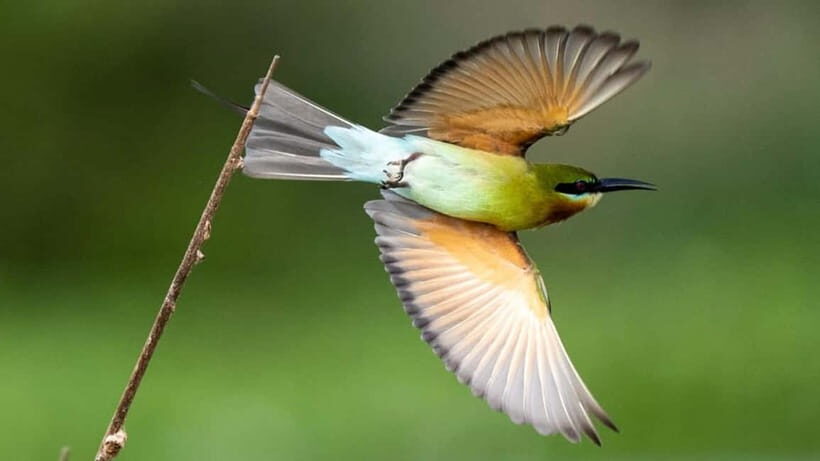
- A quiet boat method: The ride is done in a way that avoids spooking birds, which makes viewing calmer and better.
- 150+ species is the target: You’ll be scanning for a wide mix, including endemic and rarer birds.
- Lagoons, mangroves, and coastal wetlands: Different habitats mean different birds in the same outing.
- Guides do real ID work: Some guides loan binoculars and use tools (like a bird guide book) to help you tell similar species apart.
- Captain skill matters: Maneuvering through the lagoon channels helps you get views without constant repositioning.
- Refreshments during the ride: Expect small treats such as traditional sweets and fruit alongside the birdwatching.
Kalametiya Sanctuary: why this lagoon birdwatching feels different
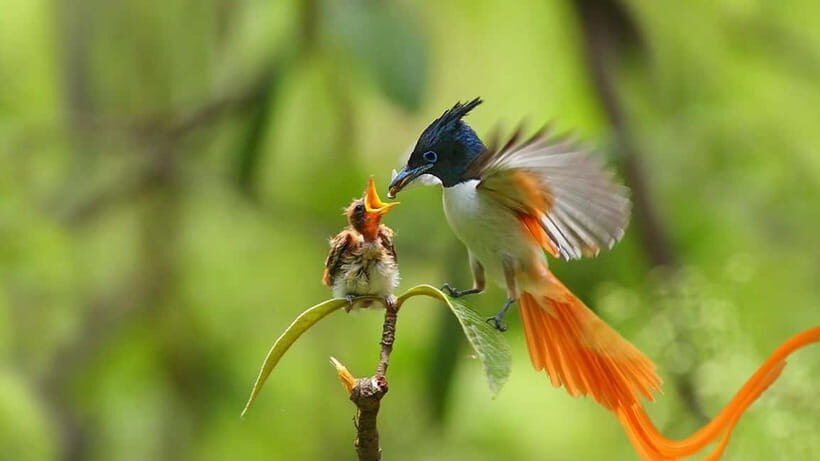
Kalametiya Bird Sanctuary sits along Sri Lanka’s southern coast, and the whole setup is built around watching birds where they feed and rest. Instead of walking through dense areas, you move across serene lagoons and nearby wetland edges, so your eyes do the work and your body stays fairly relaxed.
What makes it special is the balance between wildlife and silence. The boat style and pace keep disturbance low, which matters because birds react quickly to noise and vibration. When you’re in a calm channel, you can actually watch behavior—how a kingfisher hunts, how storks stand and scan, how herons hold their patience—rather than just trying to catch a glimpse.
And yes, you’re there for birds, but the sanctuary also rewards you with other wildlife moments—especially if your guide is actively pointing out what belongs in the habitat you’re passing.
Other boat tours in Sri Lanka
Private boat logistics from Kotapola area: the ride pace you want
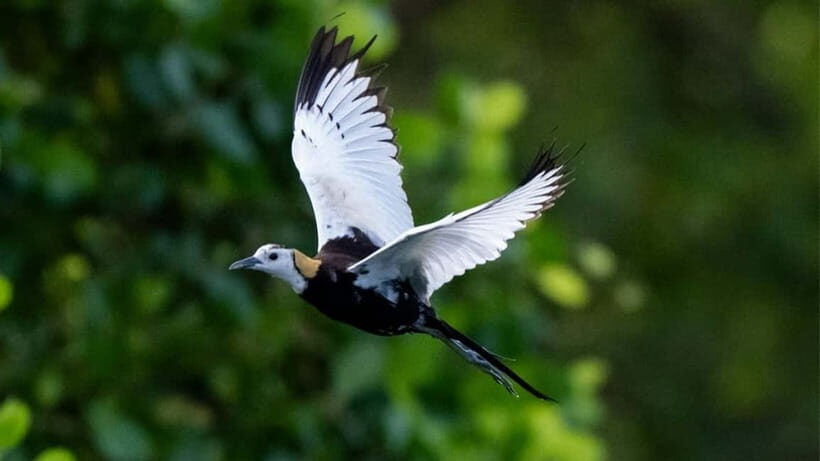
This is a private group tour, which is a big deal for birdwatching. You’re not squeezed into a crowded craft where you spend half your time negotiating for a view. Private also means your guide can adjust the pace: slow down when something interesting appears, and move on quickly if the birds are quiet in that section.
Pickup is optional and tied to the Udawalawe area: you can be picked up from the Udawalawe National park Entrance or from hotels near Udawalawe. In one example, pickup was handled by tuktuk, which hints at how local the logistics can feel—simple, friendly, and geared toward getting you there on time without fuss.
Once you’re on the water, you’ll be on the lagoon pathways for about 2 hours. That duration is just enough to cover multiple micro-habitats without turning it into a slog. It’s also a reminder to plan your expectations: you’re hunting the best opportunities in a short window, not trying to see everything that lives in the sanctuary.
What you’re likely to spot: from junglefowl to painted storks
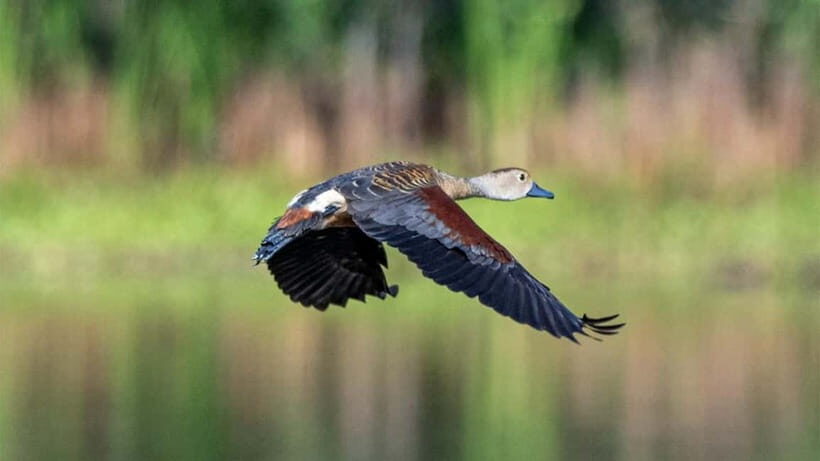
The tour’s big promise is chance at 150+ bird species. That number isn’t just marketing fluff in the way it’s framed here—it’s tied to the sanctuary’s mix of habitat types: lagoons, mangroves, and coastal wetlands. Each one pulls in birds that prefer specific feeding zones.
Here are some of the birds you’re specifically being guided toward:
- Sri Lankan junglefowl (an endemic target and a real highlight when it shows itself)
- Painted storks (often seen around shallow water and open wetland areas)
- Herons (patient hunters that can be hard to spot until you know what to scan for)
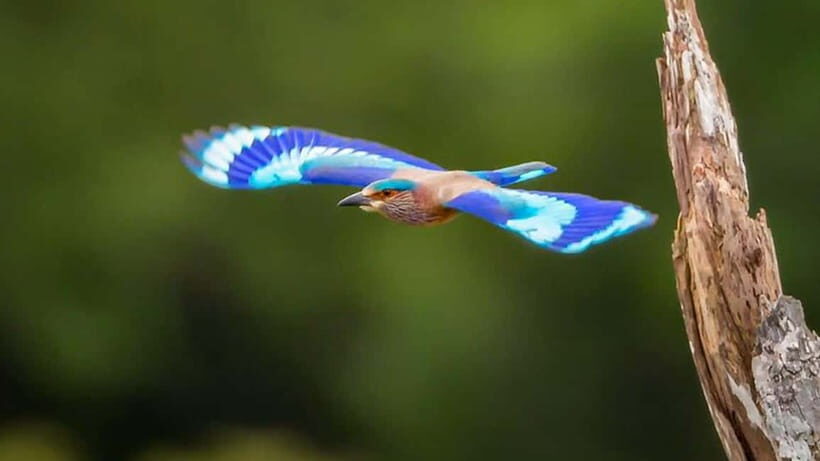
- Kingfishers (fast, directional, and often found where fish activity is likely)
- Migratory birds (seasonal visitors that can add variety to the day’s lineup)
The practical value is that your guide isn’t just naming birds. A good guide helps you build a quick mental map of what you’re looking at—size, silhouette, posture, color patterns—so you’re not dependent on luck every five seconds. In at least one booking, the guide explained differences between similar species, and that kind of teaching makes the whole trip feel like more than boat sightseeing.
Morning vs evening: choosing the timing for better bird behavior
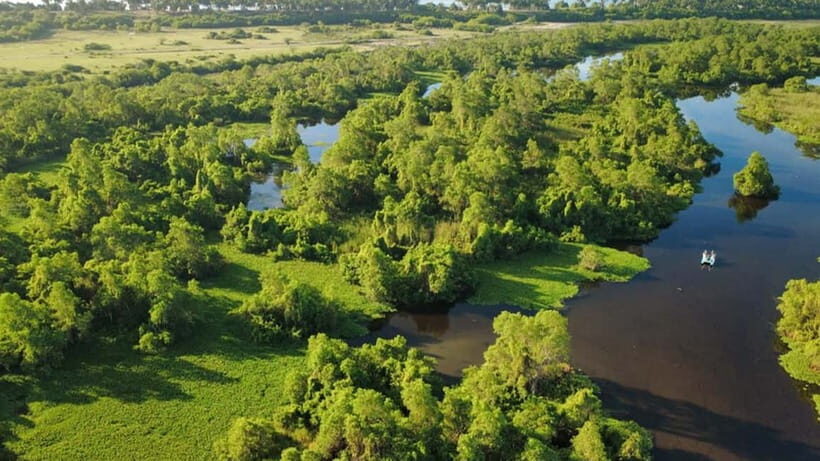
You can do this as a morning tour or an evening excursion. Timing is not just about convenience; it changes bird behavior and how birds respond to the environment.
Morning often gives you birds that are more active as the day starts—things like scanning, feeding, and easier detection when light is clear. Evening can shift things too: as the light softens, you may get better viewing conditions for photography, and birds often settle into repeat routines around feeding areas.
If you’re the type who likes to photograph, morning and sunset both have advantages. The key is to pick the option that matches your energy and the rest of your day plans. Since the total time is 2 hours, showing up rested helps you stay observant instead of rushing.
Your guide and boatman: what makes a 2-hour trip feel long
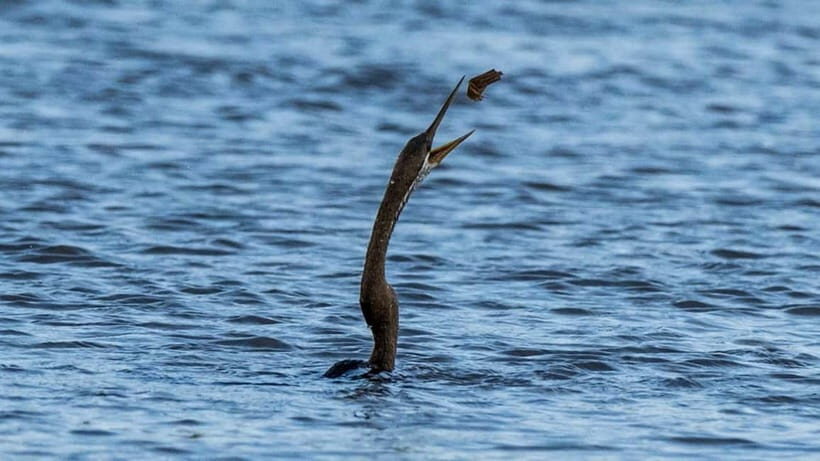
A good bird guide turns motion into meaning. Instead of you staring blankly at reeds, you’re learning a live checklist of clues: where birds like to perch, what direction they move, and what a “maybe this” turns into after you compare details.
In the experiences shared with this tour, guides were praised for:
- spotting birds quickly
- keeping the group calm and quiet so animals aren’t disturbed
- explaining what makes similar species different
- answering questions without making you feel like a nuisance
Some guides also support the viewing with gear or teaching aids. One booking noted binoculars loaned and a bird-identification book used for comparing differences. Another emphasized the guide’s quiet approach to avoid startling animals. Those small things matter. If your guide is confident and calm, you spend more time watching and less time guessing.
Names that showed up in the provided feedback include Pasindu as a guide, and Mahinda as the boat captain. Even if you don’t get the same team, the lesson is consistent: you’re hiring the ability to find birds without pushing them away.
Other private tours in Sri Lanka
Refreshments and the small touches that make it feel local
You’re not getting a full meal here. Meals and snacks aren’t included, but the tour does include refreshments. In one example, traditional Sri Lankan sweets and bananas were served during the ride.
These are the kinds of small additions that fit the setting. They don’t interrupt the experience, and they match the pace: slow water, careful watching, and a snack while the birds keep doing their thing.
So while you should plan to eat before or after based on your schedule, think of the refreshments as a nice bonus rather than the main event.
Price and value: is $25 per person a smart use of time
At $25 per person for a private 2-hour boat tour with entrance fees included, you’re paying for three things:
1) boat access through the sanctuary waterways
2) an experienced local guide and boatman
3) the quiet viewing environment that helps you actually see wildlife
That’s the value equation. If you were to hire a guide separately, pay separate access fees, and then figure out boat logistics on your own, you’d likely spend more time and money to get the same end result.
This is also a good cost structure for couples or a small group who want birding without crowd stress. If you’re traveling solo, it can still be a good deal because private doesn’t mean you’re sharing the viewing space with strangers.
The only time it might feel pricey is if you already know you’re short on time and prefer self-guided activities. But if birdwatching is part of your Sri Lanka theme, this gives you a focused hit of the sanctuary’s best viewing style.
Practical tips to get more from your 2 hours
Since this is mostly about being still and watching, your planning should support that.
- Bring sun protection: You’ll be out on open lagoon areas for a good chunk of the ride.
- Plan for light changes: Morning and evening can mean fast shifts in brightness, especially if you’re focused on photos.
- Wear something comfortable for sitting: You’ll want your legs to stay relaxed so you can keep watching.
- Ask about species ID early: A quick start on how your guide explains birds can turn the trip from seeing birds to understanding them.
- Go quiet when the guide asks: In these areas, quiet behavior protects the wildlife and improves your odds.
Also, if pickup is offered and you’re staying around Udawalawe, choosing pickup can save you time and reduce last-minute stress. In other words, if you want the outing to feel smooth, make the meeting point easy for yourself.
Should you book Kalametiya Sanctuary birdwatching by private boat?
Book it if you want a calm, guided birdwatching session where your odds improve because the boat approach is quiet and the guide helps with identification. The private format is a big plus for staying focused, and the price makes sense for what’s included: boat time, guide/boatman expertise, and sanctuary entrance.
Skip it (or rethink the timing) if you only want a long wildlife day. This is a short 2-hour experience, and while the sanctuary is known for serious bird activity, bird sightings still depend on conditions. If you’re looking for guaranteed sightings of specific species every trip, no guide can promise that.
If your plan includes Udawalawe anyway, this is a smart pairing: you get your safari-style nature day, then add lagoon birdwatching without turning the schedule into a headache.
FAQ
Where is this birdwatching tour located?
The tour is based around Kotapola, Sri Lanka, visiting the Kalametiya Bird Sanctuary.
How long is the Kalametiya Sanctuary private boat tour?
The duration is 2 hours.
What is included in the price?
It includes the private boat tour through Kalametiya Sanctuary, an experienced local guide/boatman, and all entrance fees to the sanctuary. Refreshments are also provided, but meals or snacks beyond that are not included.
Do I need to bring a guide or entrance tickets?
No. Entrance fees and an experienced local guide/boatman are included.
Is the tour private and in English?
Yes, it’s a private group tour and the live guide speaks English.
Is pickup available from the Udawalawe area?
Pickup is optional from the Udawalawe National park Entrance or hotels near Udawalawe.
What’s the cancellation policy?
You can cancel up to 24 hours in advance for a full refund.