REVIEW · SRI LANKA
Udawalawe: Farm to Table Cooking & Authe: Village Experience
Book on GetYourGuide →Operated by OwinRich Hospitality · Bookable on GetYourGuide
Step into Sri Lanka at village speed.
This Udawalawe experience is built around a reconstructed 200-year-old agricultural village, so you get a clear look at daily life: food, spice work, and community cooking in one tight 2-hour visit. I love that it starts with cinnamon tea and then moves straight into hands-on steps like cinnamon peeling and harvesting vegetables, so nothing feels like a staged lecture. One thing to consider: it’s a walking-focused experience (about 90 minutes of walking), so you’ll want comfortable shoes.
Two parts really make the day click: the walk through an ancient gem mine learning how miners worked, and the village kitchen class led by local women where you actually cook. You also end with the part that most cooking classes miss, the communal local meal and time for melas, with crafts and local snacks in the mix. The only snag I’d flag is drinks: during the meal, beverages may be sold separately at a higher price, so ask first so you’re not surprised.
If you’re the type who likes food and real routines more than museums, this is a great fit. Expect a small-group feel and an English/Sinhalese live guide, with the day paced like a relaxed neighborhood visit rather than a sprint. It’s not for wheelchair users, and the “village” setting means it’s outdoors and on foot, so plan for that.
In This Review
- Key Highlights at a Glance
- Entering A Reconstructed Village Near Udawalawe Elephant Orphanage
- Cinnamon Tea Welcome: Why the Start Matters
- The Ancient Gem Mine Stop: Learning Without the Hard Sell
- Cinnamon Peeling Demonstration: Watch the Skill, Then Feel the Spice
- Pick Vegetables Then Cook: Farm-to-Table That’s Actually You-Centered
- Your Village Meal: What You’ll Eat and How to Get the Best Value
- Local Melas After Dinner: Small-Scale Culture You Can Join
- Price and Timing: Is $30 for 2 Hours a Good Trade?
- Practical Tips for a Smooth Two-Hour Village Day
- Who This Udawalawe Experience Fits Best
- Should You Book This Farm-to-Table Village Experience in Udawalawe?
- FAQ
- How long is the Udawalawe village cooking experience?
- How much of the tour is walking?
- Where is the meeting point?
- What’s included in the price?
- What languages do the guides speak?
- Is the experience wheelchair accessible?
- Can I get a refund if I change my plans?
Key Highlights at a Glance
- Cinnamon tea welcome to set the tone right away
- Ancient gem mine visit with a guided look at traditional mining techniques
- Cinnamon peeling demonstration by skilled artisans
- Pick vegetables from the garden before you cook
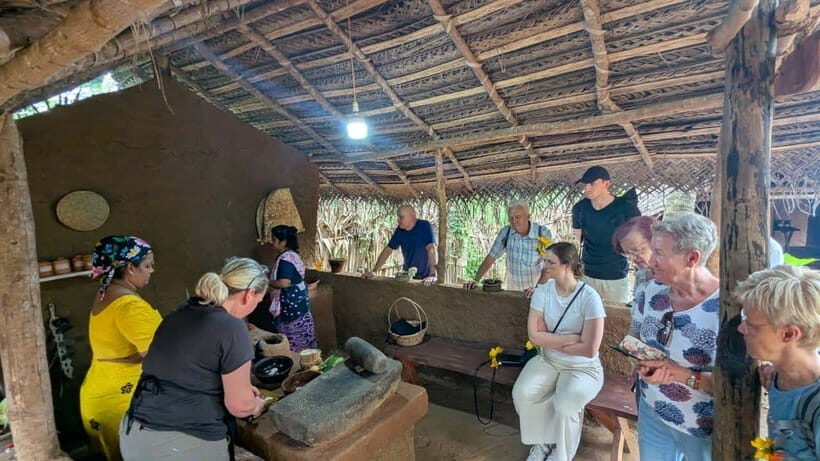
- Hands-on cooking class in a traditional village kitchen with local women
- Local melas participation with crafts and local delicacies after the meal
Entering A Reconstructed Village Near Udawalawe Elephant Orphanage
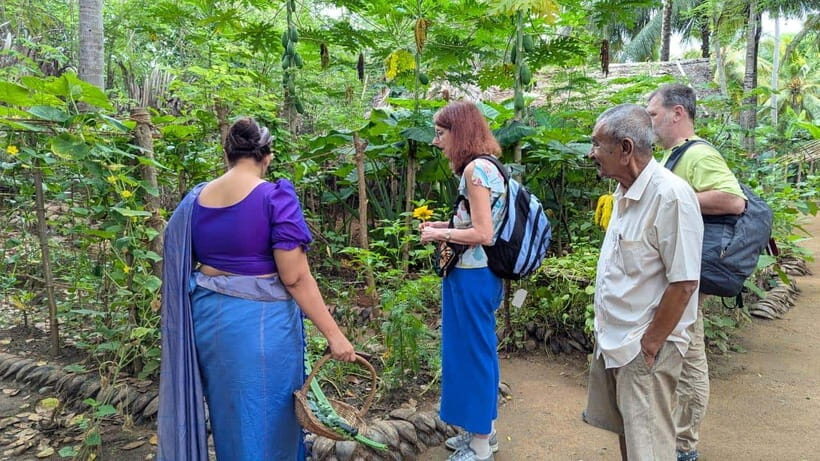
This is set up as a living-history style village experience, but in a practical way. You’re not stuck staring at displays. You’re walked through how people used to live, with food and daily work at the center.
The meeting point is close to the Udawalawe Elephant Orphanage area (about 1.2 km away). That matters because you can pair this with other Udawalawe plans without burning half your day on transfers. The property itself feels like a proper village compound rather than a single-room workshop, which helps the whole day feel cohesive.
The day runs about 2 hours total, with roughly 90 minutes of walking. That pacing is important: you’ll have time for steps that take effort (harvesting, cooking prep) without feeling rushed through everything. It’s also private group, which tends to mean the guide can slow down when you have questions.
Other Udawalawe safari tours we've reviewed in Sri Lanka



Cinnamon Tea Welcome: Why the Start Matters
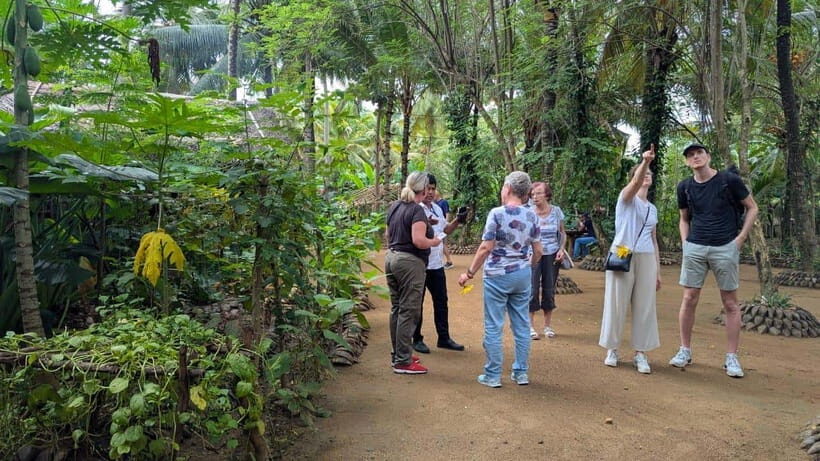
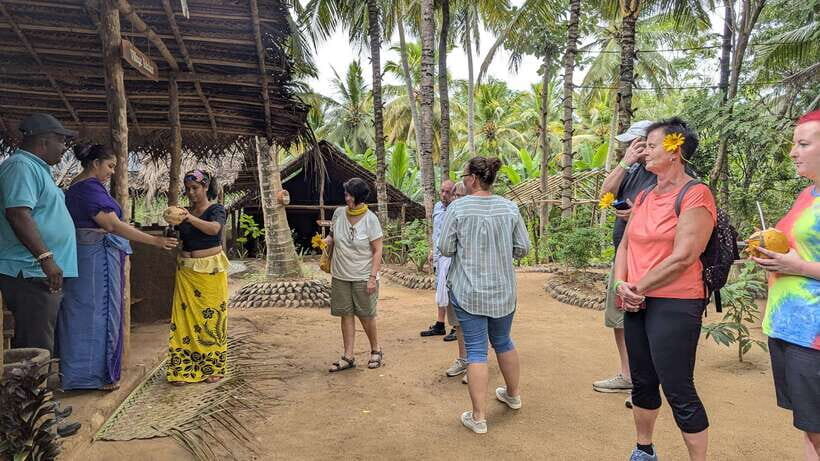
The first “aha” moment is the welcome drink: king coconut plus cinnamon tea. Even if you’ve had cinnamon in a latte before, this is the local starting point for how spices are used in everyday life. Cinnamon isn’t treated like an accessory; it’s part of the culture and economy, and the day keeps pointing you back to that theme.
You’ll also notice how they set expectations early. The cinnamon tea isn’t just a drink; it’s basically a warm-up for the spice work later. If you’re sensitive to strong flavors, take a small sip first and pace yourself. It’s a good idea because the schedule soon includes hands-on cooking activities where you may be tasting and smelling spices for real.
This is the kind of opening that makes you pay attention. You start the day with a flavor, then you meet the people and tools behind it.
The Ancient Gem Mine Stop: Learning Without the Hard Sell
Next comes an exclusive visit to an ancient gem mine. Sri Lanka is famous for gems, and this stop tries to show the human side of that reputation: the processes and the techniques used by miners in earlier times.
What I like about this part of the schedule is that it’s not just “look, gems.” You’re guided through how mining works and what it takes to uncover stones. Even if you’re not a geology person, the story helps you understand why the industry matters locally and why certain skills became specialized.
One practical note: this is a walking tour component. Mine visits can mean uneven surfaces or stairs depending on how the site is laid out, but the key takeaway from the plan is simple: expect to move and keep your footing. Good shoes help here more than anything else.
Cinnamon Peeling Demonstration: Watch the Skill, Then Feel the Spice
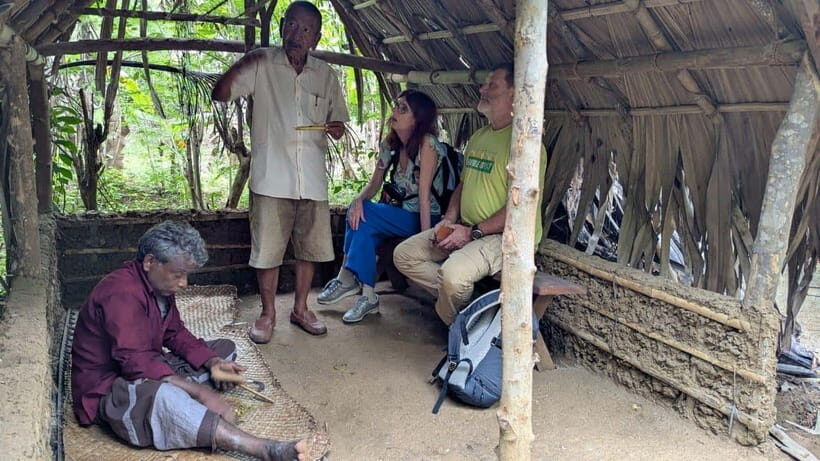
After the gem mine visit, the experience shifts fully into spices with a cinnamon peeling demonstration by skilled artisans. This is where the day gets hands-on in a different way. You’re not cooking yet, but you’re learning the craft step by step: how cinnamon is prepared and why the process matters.
Cinnamon peeling is also oddly satisfying to watch because it’s physical and precise. The artisans use techniques that depend on timing and skill, not just effort. It helps you understand that spices don’t appear magically in jars; they’re made through work that takes practice.
If you like taking memories home, this is the best stop for that. You’ll leave knowing what to look for in cinnamon products and how to recognize quality, at least in a general sense. And even if you never peel cinnamon again, you’ll understand why Sri Lankans treat it like a valued everyday ingredient.
Pick Vegetables Then Cook: Farm-to-Table That’s Actually You-Centered
Now you do the “farm” part for real. You’ll pluck your own vegetables from their garden, which is described as organic. This step is more than a photo moment. It gives you a better sense of what’s in season and why ingredient freshness affects flavor.
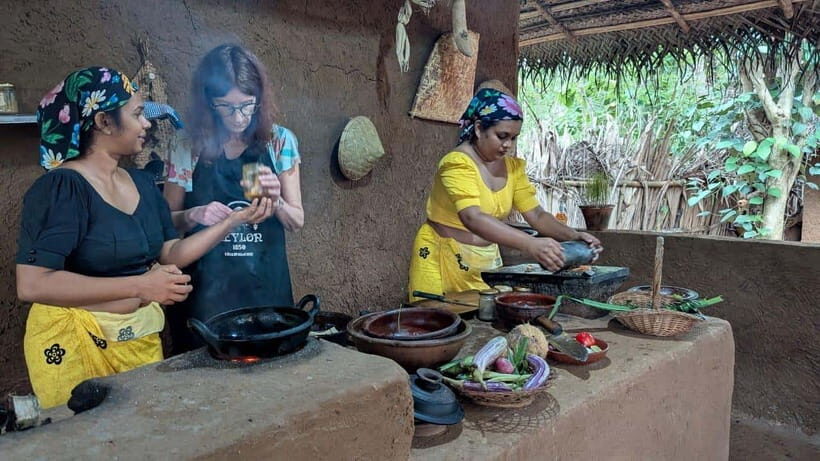
Then you move into the main event: the traditional cooking class in a village kitchen with local women. This is where you’ll typically grind spices, do prep, and cook over an open flame (the day is described that way). It’s practical work, not just watching.
The kitchen structure also changes how you learn. You’re closer to the source of flavor: spices, heat, and technique are all in front of you. That makes it easier to understand why Sri Lankan dishes taste the way they do, especially those built around spice blends and careful balancing.
A note from real experience of this activity type: cooking classes often have “show-and-tell” energy, but here the staff is set up to involve you. One guest highlighted that the ladies involved them in the process and explained steps clearly. That’s exactly what you want if your goal is to come away with skills, not just a full stomach.






Your Village Meal: What You’ll Eat and How to Get the Best Value
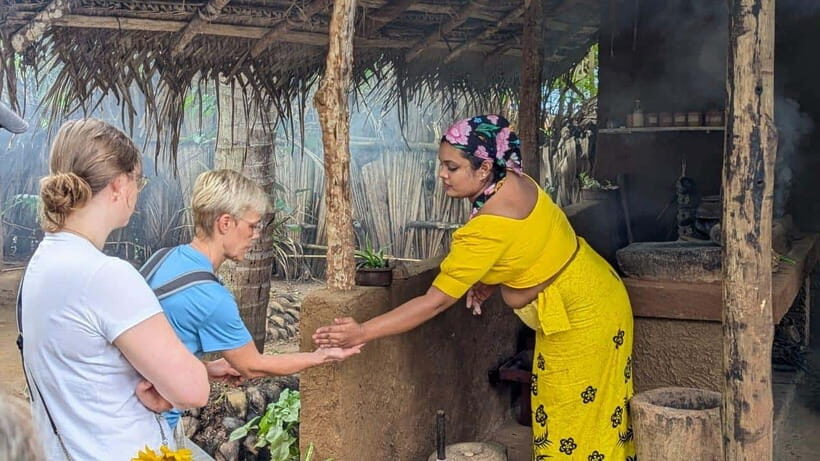
After you cook, you sit down for the meal featuring the dishes you prepared. You’re in a communal setting, which matters more than it sounds. Eating together is part of the village culture theme, and it keeps the day from ending abruptly right after the kitchen work.
The specific dishes can vary by class, but at least one recent session included coconut sambal and dahl, which are the kind of Sri Lankan staples that show up when you want flavor plus comfort. If you see these on the table, you’ll know why guests remember them.
The balanced warning here comes from a common travel frustration: drinks. One participant reported that beverages at meal time were charged at a much higher price and weren’t clearly communicated as separate from the event price. The lesson is easy: before the meal starts, ask what’s included with the meal and what isn’t. If you’re planning to drink anything other than water, clarify the cost on the spot.
Local Melas After Dinner: Small-Scale Culture You Can Join
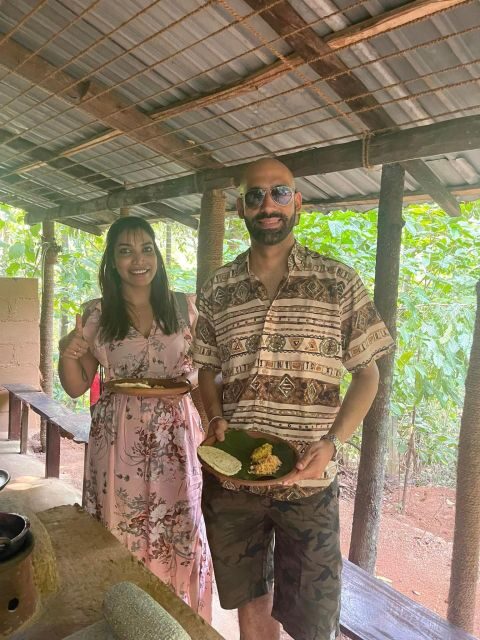
The last step is joining local melas, described as traditional fairs with music, dance, crafts, and local delicacies. This is a smart ending because it lets your brain shift from cooking intensity to lighter social energy.
A mela is also where you’ll see how everyday culture looks when it isn’t packaged. Even if you don’t know the dances, you can still enjoy the rhythm, the craft tables, and the general hum of community activity.
This part also helps if you’re traveling with mixed interests. The cooking lover gets a full hands-on morning/afternoon. The culture person gets a village night atmosphere. And you can usually move at your own pace once you arrive.
Price and Timing: Is $30 for 2 Hours a Good Trade?
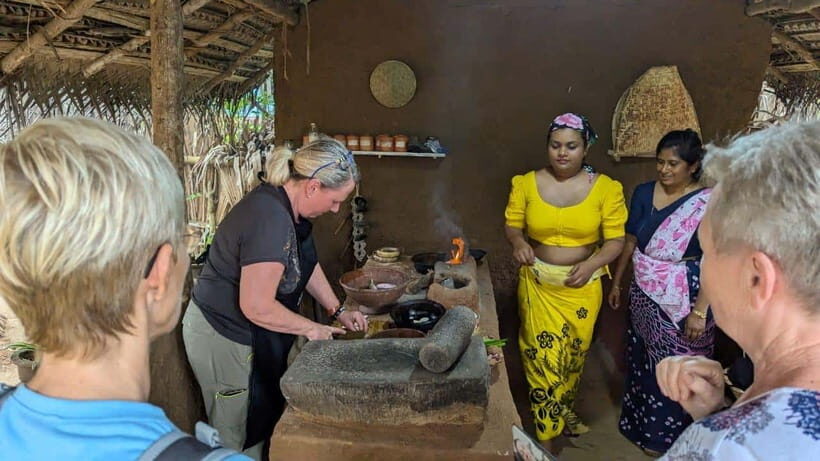
At $30 per person for about 2 hours, this sits in the mid-range category for Sri Lanka cultural food activities. The value comes from the number of distinct experiences packed in: cinnamon tea, gem mine visit, cinnamon peeling demo, vegetable picking, a hands-on cooking class, a meal, and mela time.
If you were to price out those elements separately, you’d likely pay more for the mine visit or for a dedicated cooking class alone. What makes the $30 feel fair is that the day flows like one story, not a grab bag of unrelated stops.
Timing-wise, it’s ideal for Udawalawe travelers who want something more than elephants and safari roads. You don’t need a half-day to be satisfied. But you do need enough energy for walking and kitchen work.
Also note: the tour is a private group, which can be a big deal if you prefer questions over crowds. It tends to make your guide’s explanations feel personal rather than scripted.
Practical Tips for a Smooth Two-Hour Village Day
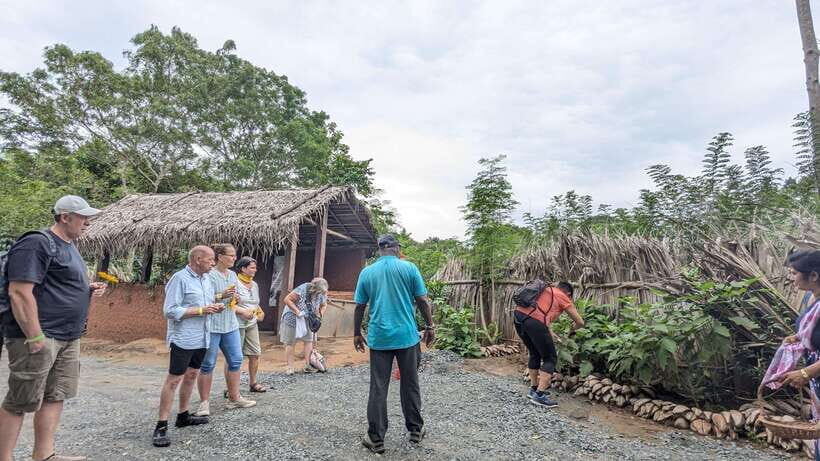
- Wear closed-toe shoes for the walking parts, including the mine-area route.
- Bring a light layer, especially if you’ll be out moving in the open after the cooking.
- Ask about drinks before the meal so you can budget without surprises.
- Come hungry, but also pace yourself after cinnamon tea and during the cooking tasting steps.
- Bring small cash as a backup for any mela snacks or crafts, since the day includes local delicacies.
Languages are English and Sinhalese, and the guide is live, so you can ask questions during the process. Private-group setups usually help here, too.
Who This Udawalawe Experience Fits Best
This is a great match if you want Sri Lanka through practical experiences: spice work, kitchen technique, and village routines. You’ll likely enjoy it if you like cooking, enjoy food markets, or just want a meaningful cultural stop that isn’t only sightseeing.
It’s also good for families and couples who want a shared activity. The mela part adds a playful finish, and the communal meal keeps it warm and social.
It’s less ideal if you can’t manage walking comfortably, since it’s described as a walking tour with about 90 minutes of walking. Wheelchair access is listed as not suitable.
Should You Book This Farm-to-Table Village Experience in Udawalawe?
Yes, I’d book it if your priority is learning how Sri Lankan food is made and seeing how villagers once lived, with spices and daily work as the center of the story. The combination of cinnamon tea, gem mine learning, cinnamon peeling, garden harvest, and a hands-on kitchen class gives you a complete day arc in just 2 hours.
Just do two things before you go: wear good shoes, and ask clearly whether drinks at meal time are included or separate. If you handle that, this kind of experience can be one of the most memorable parts of a Udawalawe trip for the simplest reason: you leave with both full flavor and real technique.
FAQ
How long is the Udawalawe village cooking experience?
It runs for about 2 hours total.
How much of the tour is walking?
The tour is described as a full walking tour around 90 minutes.
Where is the meeting point?
The activity is situated about 1.2 km from the Udawalawe Elephant Orphanage.
What’s included in the price?
Included are the cinnamon tea welcome drink, a guided ancient gem mine visit and demonstration, a cinnamon peeling demonstration, vegetable picking from an organic garden, a traditional cooking class with local women, the meal featuring what you cook, and participation in local melas with crafts and local delicacies.
What languages do the guides speak?
The live tour guide provides English and Sinhalese.
Is the experience wheelchair accessible?
No, it is not suitable for wheelchair users.
Can I get a refund if I change my plans?
Yes. Free cancellation is available up to 24 hours in advance for a full refund.