REVIEW · SRI LANKA
Kumana National Park : Morning or Afternoon Safari Tour
Book on GetYourGuide →Operated by Tiger Safaris · Bookable on GetYourGuide
Birds and leopards, in one long safari.
What makes this Kumana (Yala East) trip feel special is its focus on wildlife photography and bird life, with the park known for 200+ bird species, including rare and migratory types. You also swing past key habitats like mangroves and river areas where wildlife gathers.
I also like the small-group setup: you ride in a 4×4 safari jeep built for off-road viewing, with a maximum of 6 passengers. One consideration: national park entry tickets and food aren’t included, so your day needs a bit of extra budgeting and planning.
In This Review
- Key Things to Know Before You Go
- Kumana’s Bird Life: Why This Park Feels Different
- Pickup and the 6-Hour Rhythm: Get Time in the Park
- The Safari Jeep Setup: Photo-Friendly, But Expect Real Off-Road
- Inside Kumana: Kumana Villu and Kumbukkan Oya
- Kumana Villu: Mangroves That Pull Birds In
- Kumbukkan Oya: A River Scene for Crocs and More
- Wildlife Focus: Birds First, Then the Big-Spotting Game
- Leopards and Elephants: High Interest, Real-World Uncertainty
- Deer and Crocodiles: Often Easier Wins
- Guides and Communication: English Live Plus Audio Support
- Morning vs Afternoon: Choose Based on Your Style
- Price and Value: What $47 Buys (and What It Doesn’t)
- What to Bring: Make the Day Easier on Your Body
- Who This Safari Best Suits
- Should You Book This Kumana Safari?
- FAQ
- Where does the pickup happen for the Kumana safari?
- How long is the safari tour?
- What transport do I use during the safari?
- Are national park entry tickets included in the price?
- Is food included?
- Is the guide available in English?
- Is the tour wheelchair accessible?
- Are alcohol or drugs allowed during the tour?
- Who is this tour not suitable for?
Key Things to Know Before You Go
- Birdwatching is the main event here: Kumana is famous for its bird diversity, so expect lots of stops for spotting and photos.
- 4×4 jeep, small max group: seating is geared toward safari-style viewing, and the group size stays tight.
- Two big habitat stops: Kumana Villu (mangroves) and Kumbukkan Oya (river) help explain why birds and animals show up.
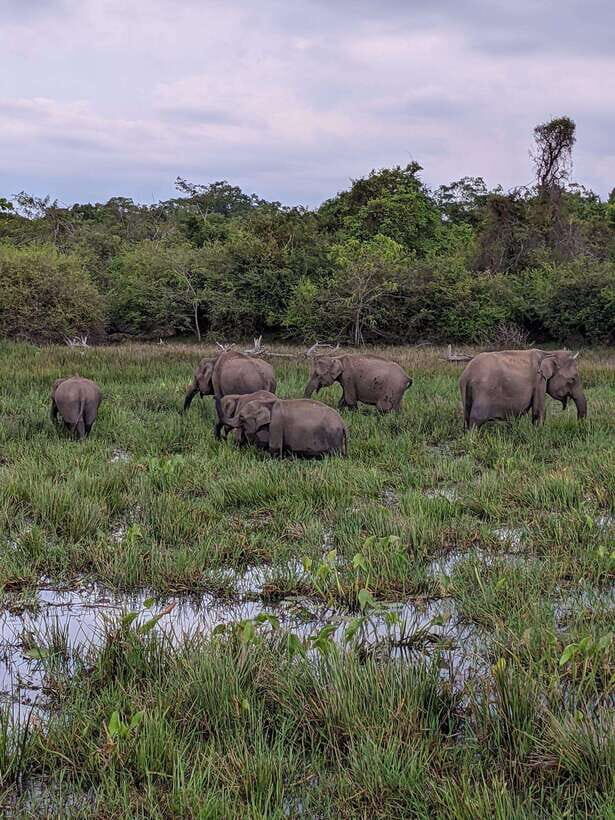
- Leopard and elephant chances are built into the route: your guide leads you through the best odds areas, but sightings are never guaranteed.
- Plan for rain and comfort: a few past departures noted getting wet in the jeep’s rear section when it rained.
Kumana’s Bird Life: Why This Park Feels Different
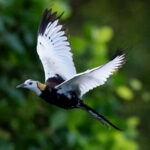
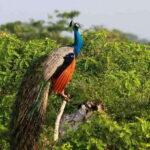
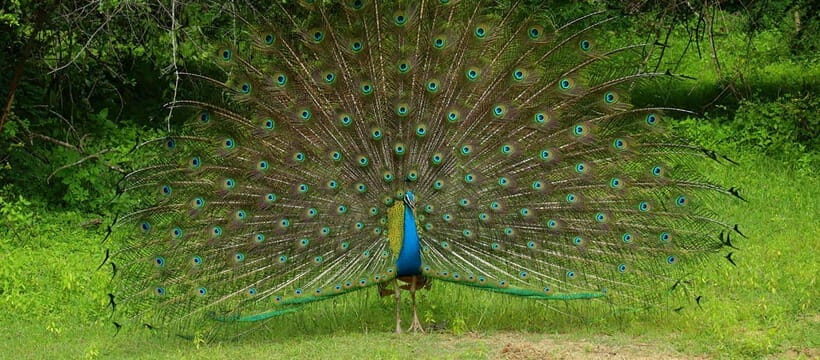
Kumana National Park is often described as a birdwatcher’s playground for a reason. The park is known for over 200 species of birds, including rare and migratory birds. That matters because a “bird-focused safari” doesn’t just mean looking for color—it changes how the whole day runs. You slow down, you scan trees and ground edges, and you stop when someone spots movement.
And once birds are in motion, the rest of the food chain starts to show up. In Kumana, that can mean elephants nearby, deer grazing, and crocodiles along water edges. Your guide’s job is to connect what you’re seeing—calls, tracks, habitat changes—to what might come next, so the drive doesn’t feel like random wandering.
A few more Sri Lanka tours and experiences worth a look
Pickup and the 6-Hour Rhythm: Get Time in the Park
This tour is built around a 6-hour total day with about 1 hour of driving and 4 hours inside the park. That ratio is important. You’re not spending most of your time on roads; you’re spending most of the day where the sightings happen.
You get complimentary pickup from three options near Kumana: Arugam Bay, Pottuvil, or Panama. Drop-off returns to Panama, Arugam Bay, or Pottuvil. For me, the practical win is simple: you’re not figuring out transport on your own after a safari when you’re tired, muddy (maybe), and hungry.
One small detail to respect: you’ll be asked to wait in the lobby about 10 minutes before pickup. That keeps your morning or afternoon from slipping.
The Safari Jeep Setup: Photo-Friendly, But Expect Real Off-Road
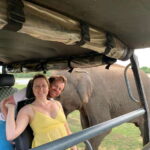
The ride is in a 4×4 safari jeep (max 6 passengers). That small cap is more than a comfort perk. With fewer people, you tend to get better angles for spotting—especially when a guide stops quickly and everyone shifts to look.
The tour also notes a private-tour option for parties of 6 or more, with a max of 6 passengers. Translation: if you’re traveling as a group, you’re less likely to feel like you’re competing for window space.
Still, be honest about conditions. Kumana roads can be bumpy, and if it rains, water can find its way into parts of the jeep depending on how you’re seated and how the vehicle is positioned. One traveler specifically noted getting wet in the rear while the guide sat in the driving section. So if you’re sensitive to rain or back comfort, bring a light waterproof layer and consider asking your operator ahead of time what vehicle you’ll be in for your departure.
Inside Kumana: Kumana Villu and Kumbukkan Oya
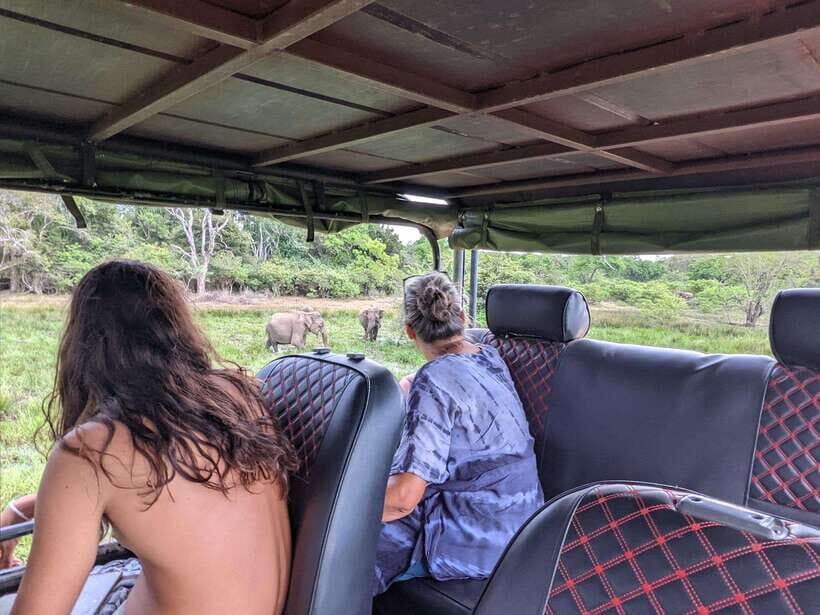
This safari isn’t just “drive until you see something.” It’s built around two named habitats that explain a lot about the wildlife you’re trying to catch on camera.
Kumana Villu: Mangroves That Pull Birds In
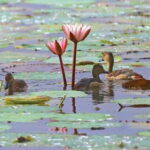
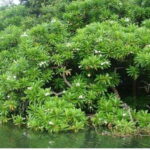
Kumana Villu is a large mangrove swamp area, and it’s a magnet for bird life. Mangroves do two useful things for safari-goers: they provide food and cover, and they create lots of “perch options” at different heights. That means even if big animals are quiet that day, you can still get satisfying bird viewing.
For bird photos, these areas tend to produce better moments because birds keep returning to the same feeding spots. You’re not chasing every bird that flies once—you’re watching patterns.
A few more Sri Lanka tours and experiences worth a look
Kumbukkan Oya: A River Scene for Crocs and More
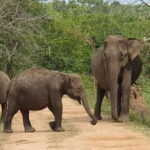
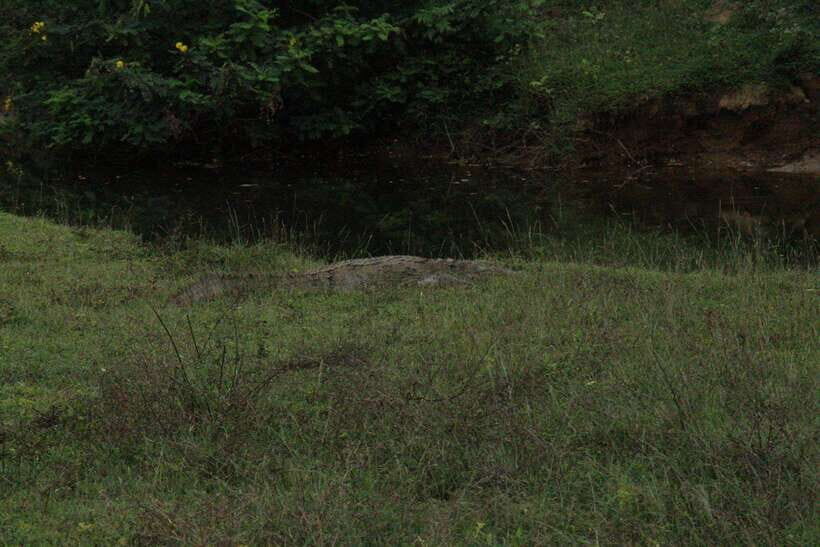
Kumbukkan Oya is the scenic river flowing through the park, and that water line matters for reptiles and animals that rely on water. If crocodiles are around, you’ll often find them near quiet banks and edges where they can rest and watch.
Even when you’re not seeing crocs at every stop, a river system shapes everything: bird feeding, animal movement, and where guides decide to position the jeep for scanning.
Wildlife Focus: Birds First, Then the Big-Spotting Game
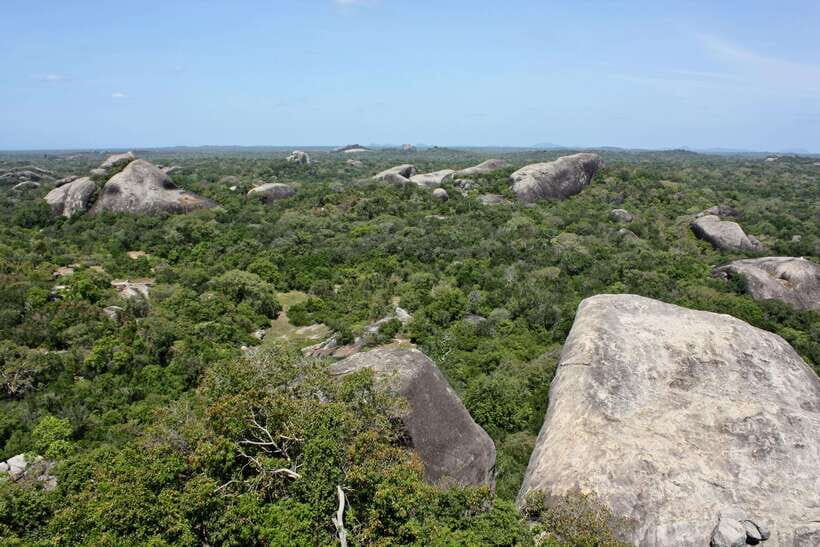
The tour’s aim is to show you Kumana’s wild side—birds, leopards, elephants, deer, crocodiles, and other nature sightings. That mix is what keeps the day from feeling one-note. You might start with owls or eagles-type sightings, then shift into elephant country, and end up with crocodiles at the water edge.
Leopards and Elephants: High Interest, Real-World Uncertainty
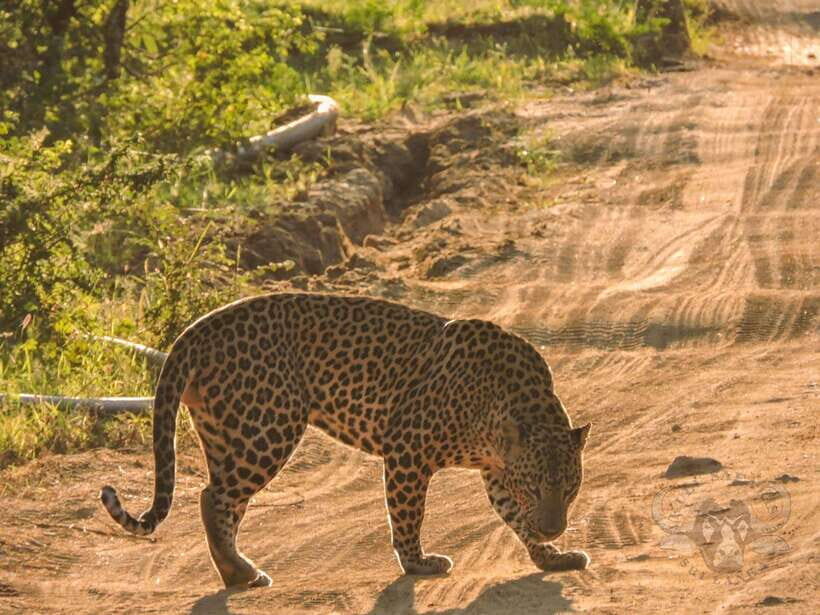
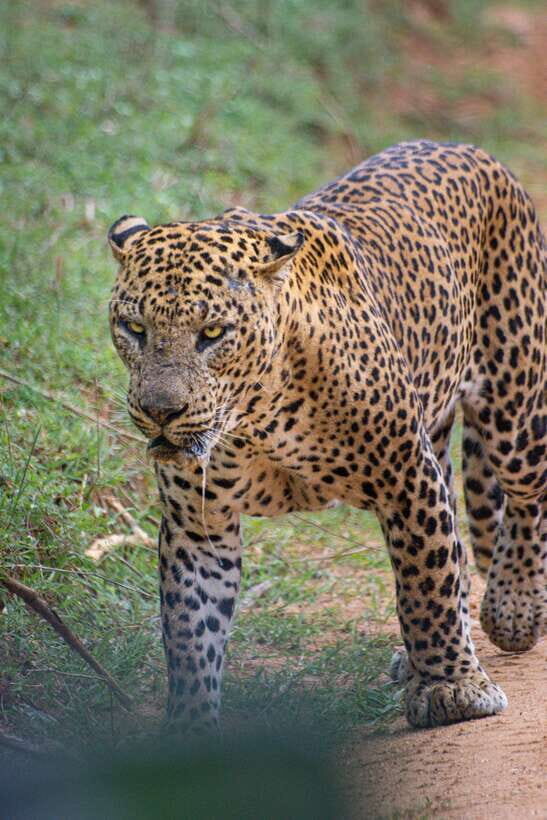
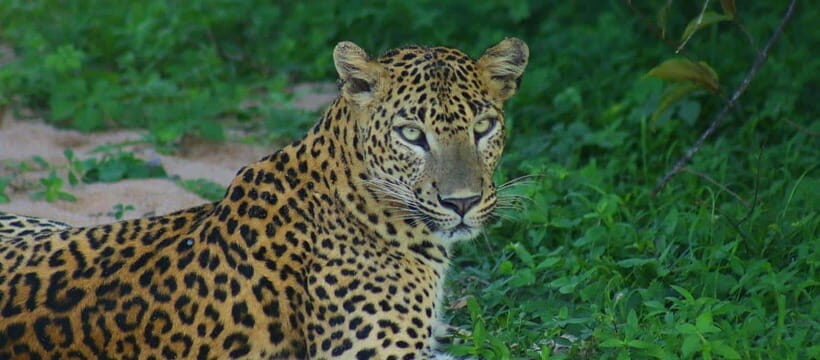
Leopards are a major draw, and Kumana is one of those parks where they’re a serious possibility. But sightings depend on timing, weather, and where the animals move that day. What you can control is how prepared you are to spot, and how actively the guide searches.
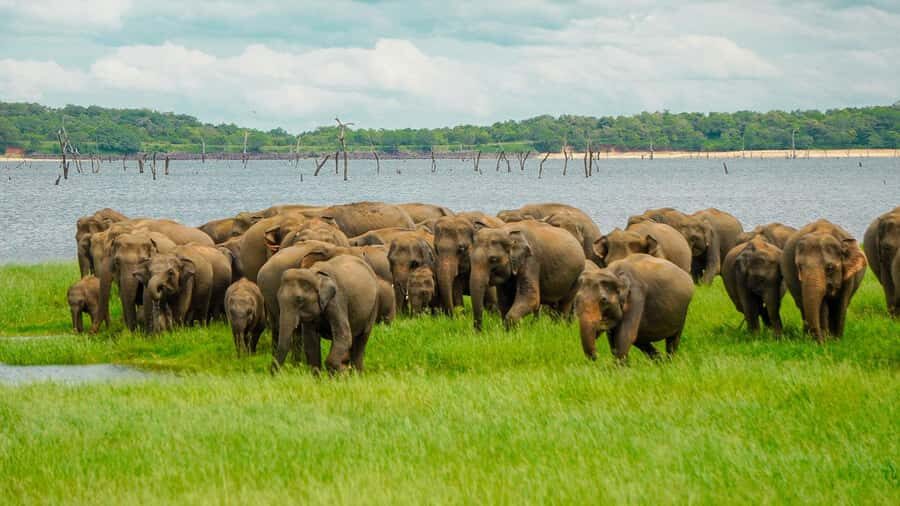
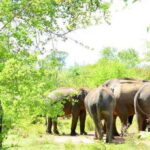
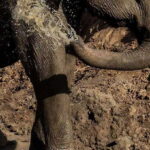
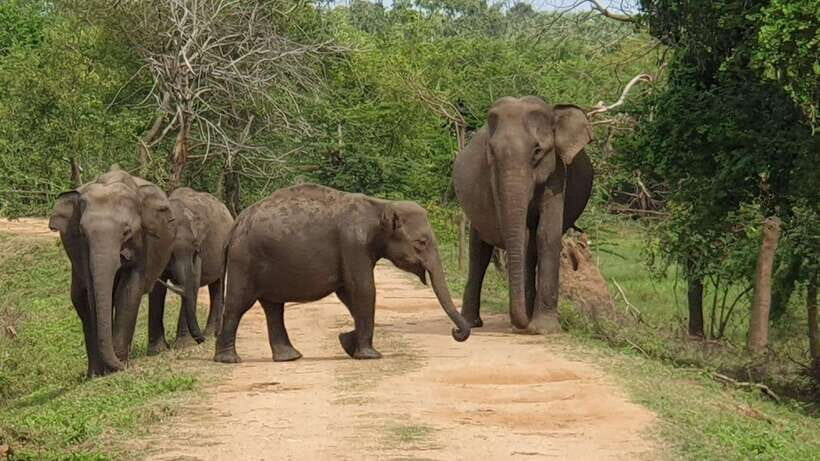
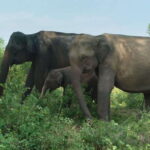
Elephants also tend to show up in Kumana in ways that can feel close and personal when conditions line up. When it works, it’s a powerful moment: animals at the edge of the road, using natural corridors between habitats. When it doesn’t work, at least you’re still getting bird life and water-edge wildlife.
Deer and Crocodiles: Often Easier Wins
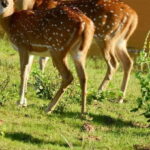
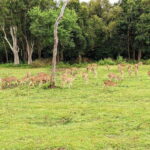
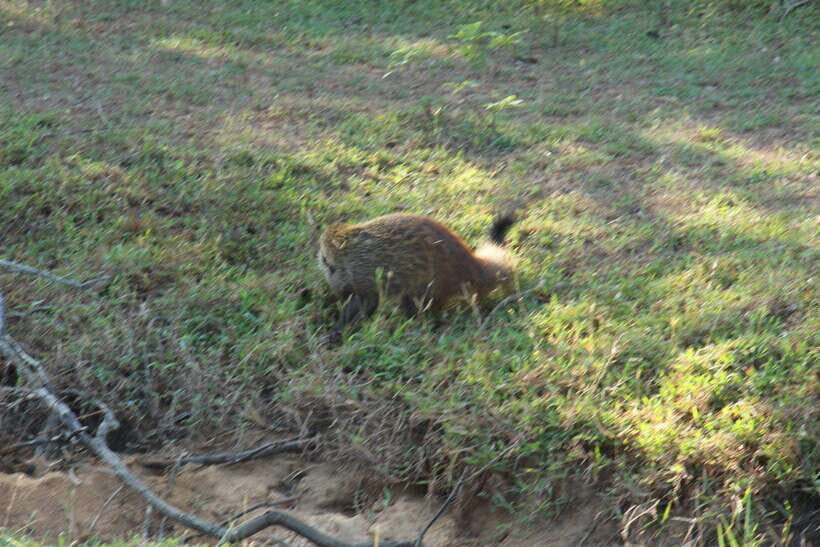
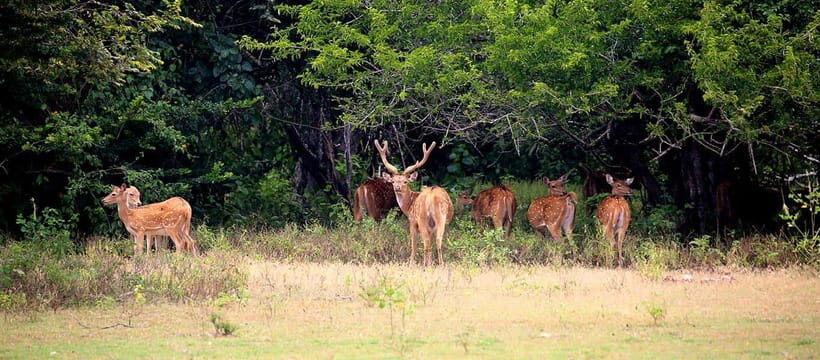
Deer can be easier to read than larger mammals because you might spot grazing movement early, especially around open edges. Crocodiles, meanwhile, can show up in recognizable locations near water. One traveler specifically called out crocodiles as a notable part of the day, which fits Kumana’s river setup.
So I like this safari for a simple reason: even if the leopard scene stays elusive, you’re still building a wildlife day with a range of animals, not just one target.
Guides and Communication: English Live Plus Audio Support
You’ll have a live tour guide in English, plus an English audio guide. That combo is practical. If you’re tired, the audio keeps key points moving; if you ask questions, the live guide can tailor explanations.
The quality of the experience can hinge on how the guide positions themselves and how much they explain during scanning. One past traveler noted that explanations were limited on a rainy day and that the guide stayed in the front. That’s not something you can fully control, but it is a good reason to bring a couple of focused questions: where animals tend to be moving today, which birds are the priorities, and what habitat clues they’re watching.
Morning vs Afternoon: Choose Based on Your Style
The tour is offered as morning or afternoon, but the exact start times depend on availability. Without promising a specific schedule, here’s the practical guidance:
- If you’re a bird-focused photographer and like steady daylight for scanning, pick the slot that matches your energy and weather expectations.
- If you prefer a slower start and want the day’s heat to settle before you head out, an afternoon option might fit your trip rhythm.
Either way, you’re looking at the same structure: pickup near Kumana, a jeep ride, four hours in the park, then back out.
Price and Value: What $47 Buys (and What It Doesn’t)
The price listed is $47 per person, for a 6-hour experience with hotel pickup and drop-off, a 4×4 safari jeep, and a guide with English live and audio support.
Here’s the honest value math:
- What you get in the price: transport from nearby areas, safari vehicle time, guide time, and the habitat route that targets bird and wildlife sightings.
- What you pay separately: national park entry tickets (about $19) and food and drinks.
If you’re splitting costs, the small max jeep can also feel like good value because you’re not in a big crowd. If you’d rather buy your own snacks and drinks at a convenient stop, you’ll likely be fine. If you want a fully catered day with meals included, this isn’t that type of safari.
What to Bring: Make the Day Easier on Your Body
Even though you’re in a safari jeep, it’s still a long day with scanning time. I’d bring:
- A light rain layer just in case (especially for the rear seats)
- Sun protection (cap/sunglasses) and a small bottle of water
- A camera strap you trust and lens cloths (bird spotting usually means frequent wiping)
- Cash for the park entry tickets and any snacks you plan to buy
Also, note what’s not allowed: alcohol and drugs aren’t permitted.
Who This Safari Best Suits
This tour is a strong fit if you want:
- Birdwatching plus big-wildlife odds in one day
- A safari day that isn’t all-day driving
- A guide-led route through named habitats like mangroves and a river
It’s not suitable for pregnant women, based on the tour rules. Wheelchair access is listed as available, so if mobility needs apply, ask your operator how the jeep can be arranged for your situation.
Should You Book This Kumana Safari?
I’d book it if your priority is a bird-heavy safari with real chances for leopard, elephants, deer, and crocodiles—without spending your whole day on the road. The small-group jeep setup and the named habitat stops (Kumana Villu and Kumbukkan Oya) make it feel like a plan, not a roll of the dice.
Pass or ask extra questions first if you’re:
- Budget-sensitive once you add park entry plus your own meals
- Sensitive to bumpy roads or rain getting into the rear seating area
- Expecting lots of explanation at every stop (your experience can depend on how the guide presents information during scanning)
If you’re flexible, bring a rain layer, and go in with a bird-first mindset, this is a practical way to spend a short stay around Kumana—and come away with wildlife memories you can actually talk about on the next beach day.
FAQ
Where does the pickup happen for the Kumana safari?
Pickup is available from Arugam Bay, Pottuvil, and Panama near Kumana National Park.
How long is the safari tour?
The total duration is 6 hours, with about 4 hours spent in Kumana National Park.
What transport do I use during the safari?
You travel in a 4×4 safari jeep designed for safari viewing, with a maximum of 6 passengers.
Are national park entry tickets included in the price?
No. National park entry tickets are not included and are listed as about $19.
Is food included?
No. Food and drinks are not included, so plan to bring your own snacks or buy them separately.
Is the guide available in English?
Yes. There is a live English tour guide, and an English audio guide is also included.
Is the tour wheelchair accessible?
Yes, wheelchair accessibility is listed as available.
Are alcohol or drugs allowed during the tour?
No. Alcohol and drugs are not allowed.
Who is this tour not suitable for?
The tour is not suitable for pregnant women, based on the activity rules.