REVIEW · SRI LANKA
Udawalawe National Park: 4-Hour Safari Tour
Book on GetYourGuide →Operated by Udawalawe Wild Safari Tours · Bookable on GetYourGuide
Udawalawe’s wildlife feels close even before the sightings. A short 4-hour safari here works because the park’s grasslands, forests, and wetlands pull animals into predictable patterns. You’re not just riding around—you’re learning how this place ticks.
I love two things most: the chance to see elephants (often early) and the way the guides help you spot birds, including endemics like the Sri Lankan Jungle fowl and Sri Lankan Spurfowl. One consideration: wildlife isn’t scheduled, so if you come expecting nonstop action, there’s a real chance you’ll spend some time driving through quieter stretches.
If you want a safari that balances big mammals with thoughtful wildlife-watching, this one fits well—just go in with patience and the right expectations.
In This Review
- Key Things I’d Focus On Before You Go
- Getting Rolling: Pickup, Your 4×4 Jeep, and the Right Mindset
- What You Can Actually Expect to Spot in Udawalawe
- Following the Habitats: Grasslands, Forest Edges, and Wetlands
- Grasslands
- Forest areas
- Wetlands and water edges
- Bird-Watching That Doesn’t Feel Like an Afterthought
- How the 4–7 Hours Works on the Ground
- Price and Value: Is $29 Per Person Good Here?
- Practical Safari Tips That Actually Matter
- Bring water (seriously)
- Use insect repellent
- Wear for comfort, not fashion
- Respect the animal rules
- No smoking and no alcohol/drugs
- Who should think twice
- A Quick Word on the Human Factor: Why Guides Change Everything
- Should You Book This Udawalawe Safari?
- FAQ
- How long is the Udawalawe National Park safari?
- What’s included in the tour price?
- Is the national park entry fee included?
- What wildlife might I see?
- Are there endemic birds in the park?
- What language is the guide?
- What should I bring?
- Is the tour suitable for everyone?
Key Things I’d Focus On Before You Go
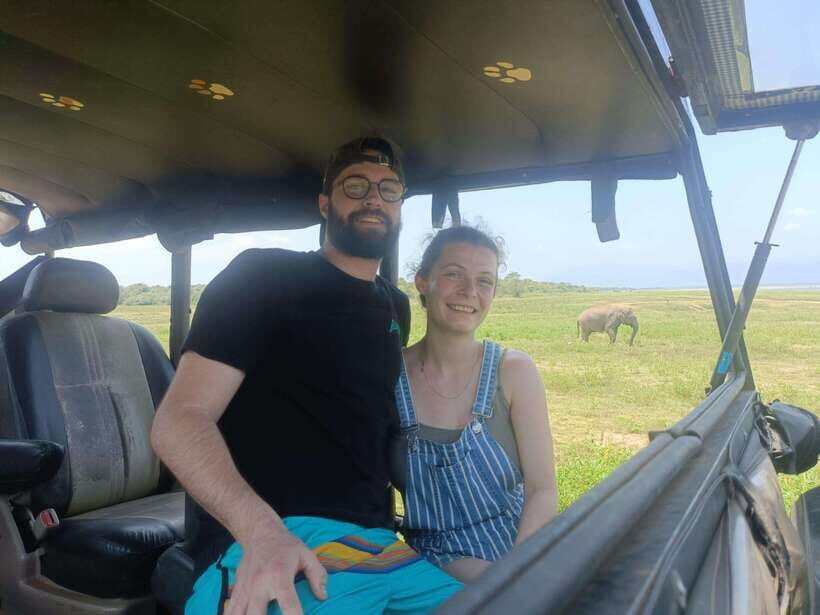
- 4×4 private jeep safari so you’re not stuck with a wandering group
- Experienced driver-guide (10+ years) who can position you for sightings
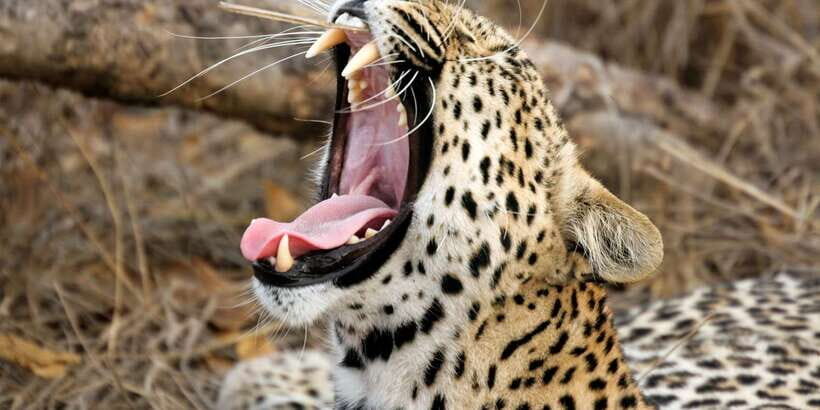
- Elephant odds + big-animal possibilities like sambar deer and leopards
- Birding value, including endemic species such as the Sri Lankan Wood shrike
- Habitat variety across grasslands, forests, and wetlands (more chances for different animals)
- Hotel pickup and drop-off in Udawalawe area to keep the day simple
Getting Rolling: Pickup, Your 4×4 Jeep, and the Right Mindset
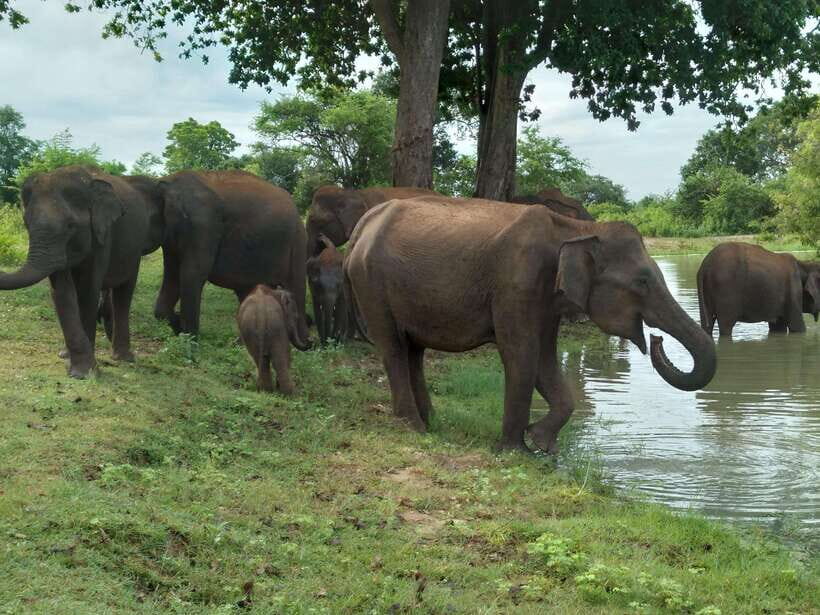
The tour is built around a straightforward idea: you start from the Udawalawe area, get picked up, and get dropped back off after the safari. That matters because a safari day is better when you’re not spending it on extra transfers.
You’ll travel in a private Jeep (4×4), and your driver is also your guide, with more than 10 years of experience. In safari terms, that experience is practical. It affects how quickly you find the kind of habitat where animals tend to show up, and how the vehicle moves when the group needs to be quiet and patient.
I also like that the tour is explicitly English-led with a live guide. When you’re scanning a savanna for motion, a guide who can help you read the landscape is the difference between guesswork and understanding what you’re seeing.
One more mindset tip: this is a wildlife park, not a theme park. Even with a strong guide, there will be stretches where the only thing moving is the breeze. That’s part of the real safari rhythm—especially if the weather shifts or animals are tucked in.
Other Udawalawe safari tours we've reviewed in Sri Lanka
What You Can Actually Expect to Spot in Udawalawe
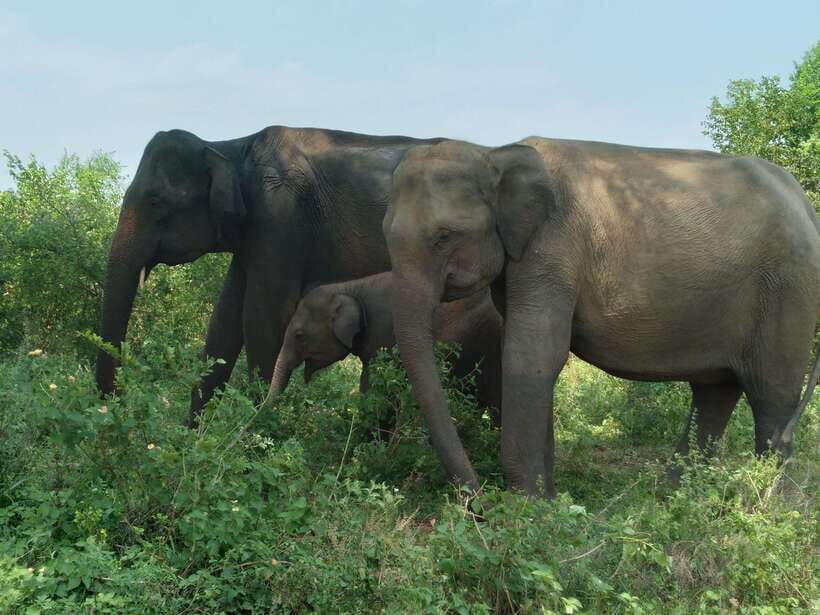
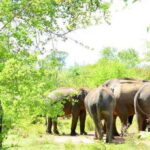
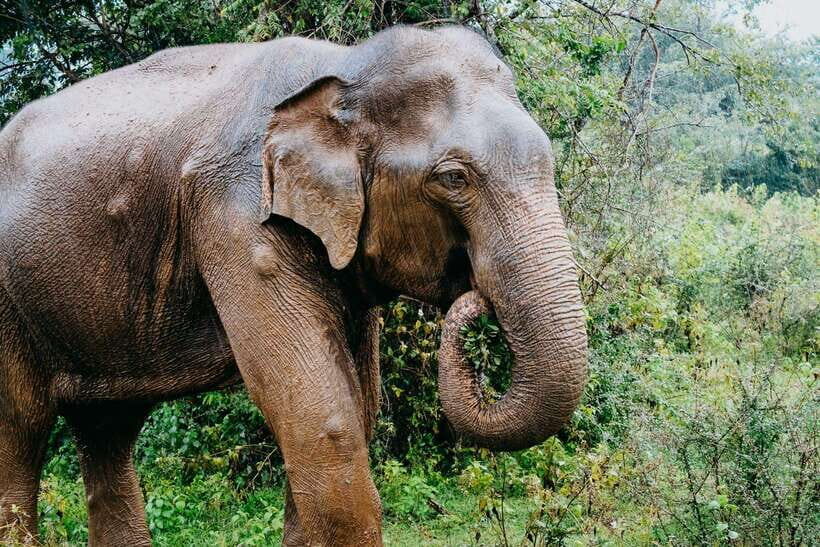
Udawalawe is famous for elephants, and the animal list for this safari is refreshingly wide. You might see:
- Elephants
- Leopards
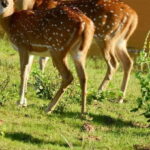
- Sambar deer
- Jungle cats
- Crocodiles
- Water buffalo
- Foxes
- Mongooses
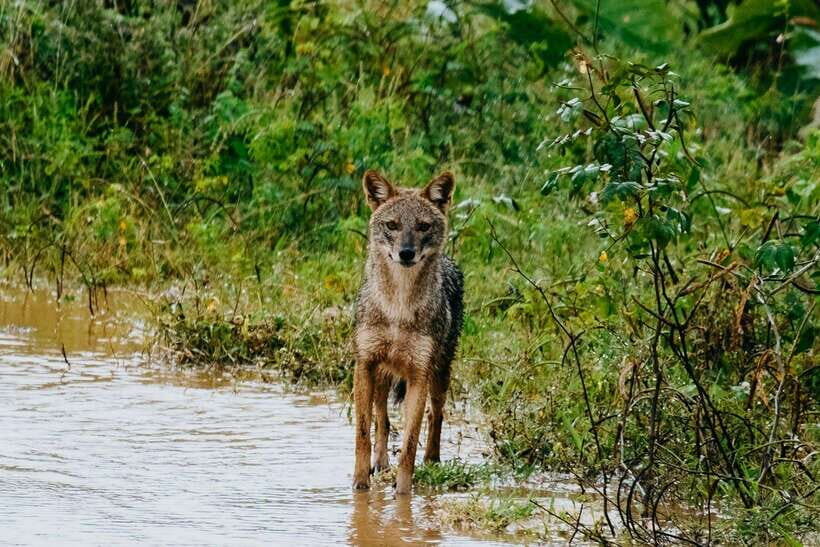
- Jackals
- Wild boar
It’s not a promise that you’ll see every single one. But the point is that the park supports both large and smaller wildlife, and the tour is designed to chase those possibilities rather than focusing on one species only.
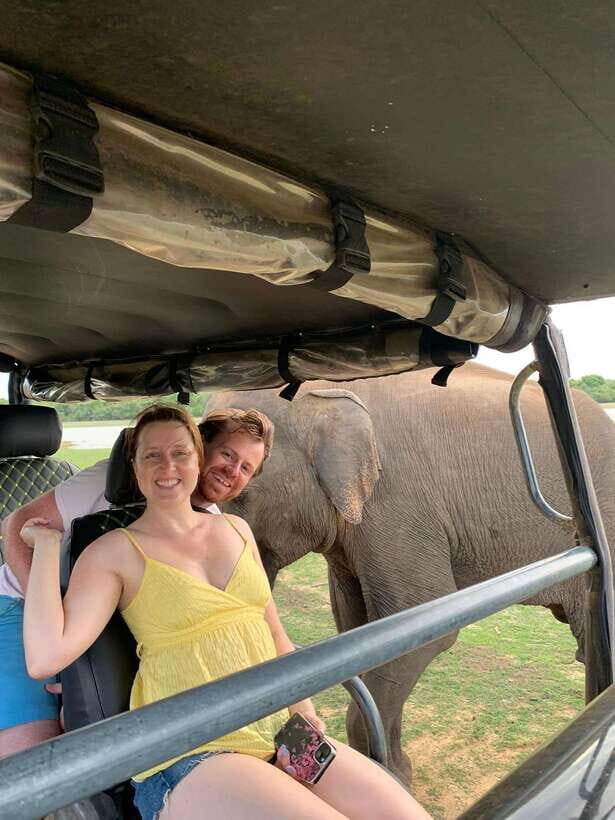
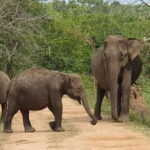
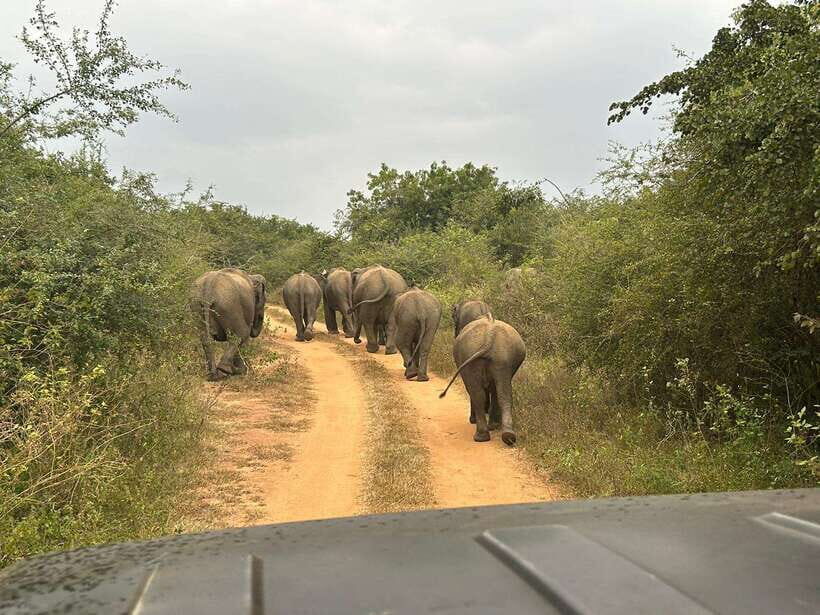
The most common “win” you want to aim for is elephants, and the guide approach seems to matter. One highlight from a past guest experience was how the driver was often ahead of other vehicles at elephant moments, including views of elephants quite close to the road. That’s not just luck—it usually comes from knowing where to position safely and early.
For cats (like leopards and jungle cats), it’s usually more about patience and positioning than about predictability. If you’re okay with slower stretches and scanning, the potential payoffs are real. If you need action on demand, you may feel restless.
Following the Habitats: Grasslands, Forest Edges, and Wetlands
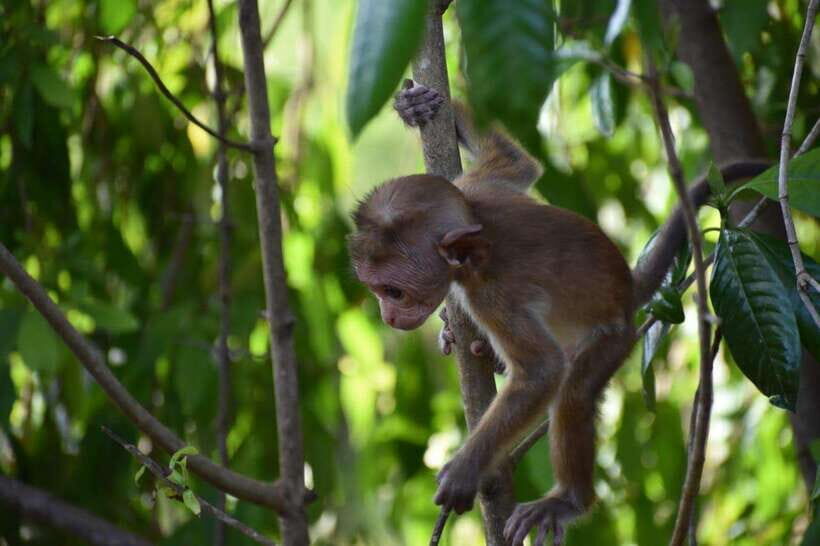
Udawalawe’s best feature for a safari with a tight time window is habitat variety. The tour highlights grasslands, forests, and wetlands, which is exactly how you increase your odds.
Here’s what that means in plain terms:
Grasslands
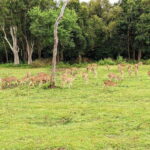
Grasslands tend to draw animals that graze. When the sun warms things up, you’ll often get movement—feeding, walking, or resting with the animals alert to noise and vehicles. This is also a good zone to spot elephants and deer activity.
Forest areas
Forests and forest edges can be where cats and other shy animals work the cover side of the park. You’ll probably spend time stopping, staying quiet, and letting your eyes adjust. Even when you don’t see a cat, forest-edge stops often pay off with other wildlife signs—tracks, movement in brush, or smaller species activity.
A few more Sri Lanka tours and experiences worth a look
Wetlands and water edges
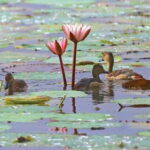
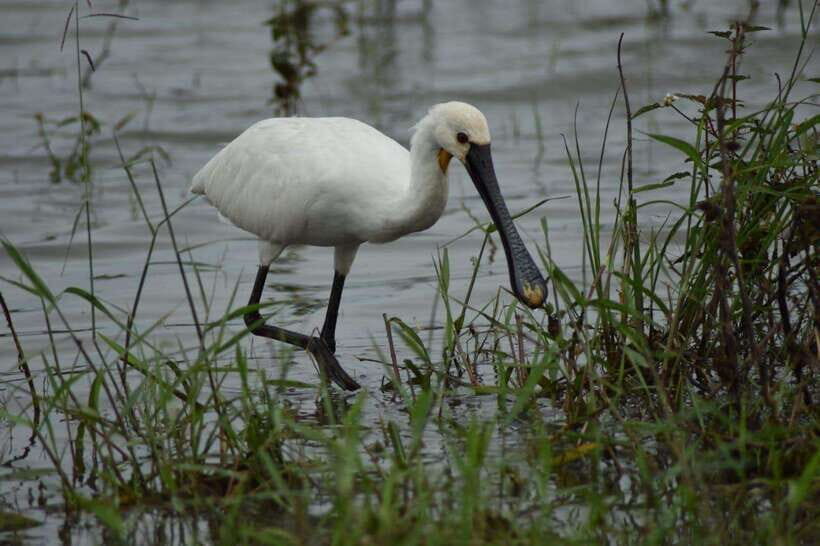
Wetlands bring a different set of creatures into play. With crocodiles and water buffalo on the possible list, the water-edge scenes are often where the tour feels most visually dramatic. Plus, birds love these areas, so wetlands help the birding angle too.
The drawback here is simple: you’re moving between zones during your safari hours. Some drives will feel longer than you want. That’s why it helps when the guide is strong at finding the next productive spot rather than treating the day as a slow loop.
Bird-Watching That Doesn’t Feel Like an Afterthought
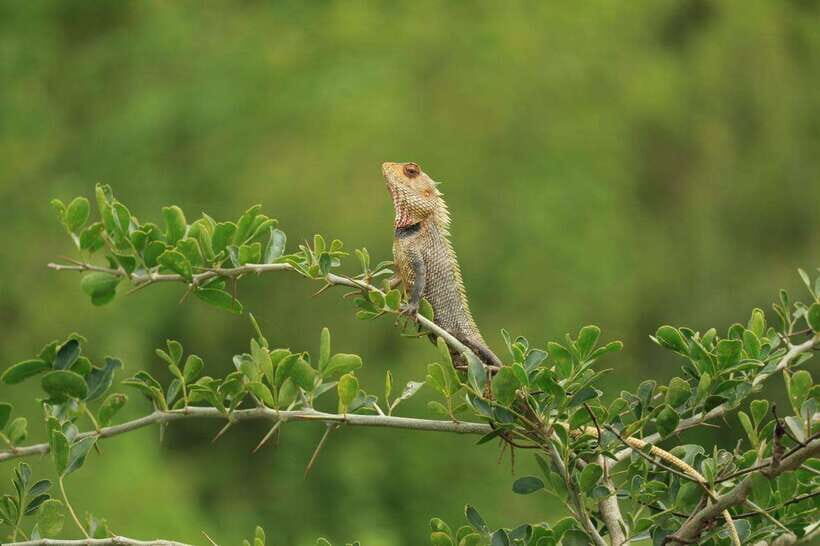
I love that this tour doesn’t treat birding as a bonus. It’s part of the point. You might spot a variety of bird species, including endemic ones that you can’t see just anywhere.
The endemic bird species called out for Udawalawe include:
- Sri Lankan Jungle fowl
- Sri Lankan Spurfowl
- Sri Lankan Wood shrike
Even if you’re not a full-time birder, this matters. Endemic birds are like local fingerprints. When you see one, it instantly makes the trip feel more connected to Sri Lanka rather than just another generic “wildlife” stop.
Practically, birding also helps when large animals are quiet. You can still have a rewarding safari hour by focusing on motion in the trees, calls you can’t ignore, and quick sightings of ground birds and perching species.
If you want to get the most out of it, scan both high and low. Some endemic birds stay close to cover, while others are easier to notice when they move between visible perches.
How the 4–7 Hours Works on the Ground
The tour is listed as 4–7 hours, depending on starting time and conditions. You should think of it like a half-day to late-afternoon wildlife session rather than a tight, timed checklist.
So what makes that range important?
- With more time, the guide can react to what’s happening—steer toward areas where animals are active.
- With less time, you’ll likely focus on the highest-probability zones (especially for elephants and water-related activity).
I’d recommend you mentally plan for two moods: an active wildlife mood and a patient wildlife mood. If you only allow yourself to enjoy the active minutes, the quiet minutes can feel wasted. But if you treat quiet time as part of birding and scanning, it becomes a real safari skill.
Also, the park is wide enough that you’re not going to see everything in one outing. A good guide aims for the best balance rather than chasing every possible sighting.
Price and Value: Is $29 Per Person Good Here?
At around $29 per person, this safari is positioned as budget-friendly compared with many private wildlife experiences. The “value” piece isn’t just the number—it’s what’s included.
What you get for that price:
- a private 4×4 Jeep safari
- a driver who also guides you (10+ years experience)
- hotel pickup and drop-off in the Udawalawe area
What’s not included:
- Udawalawe National Park entry/admission fee
That means your final cost will be a bit higher than the headline figure, but you’re still likely to feel good about the deal because you’re paying for transportation inside the park and expert interpretation—not just a seat.
Is it the cheapest safari option? Possibly, but it’s not trying to be a bare-bones cattle call either. The private Jeep format is a meaningful quality upgrade for sighting control—quieter moments, easier repositioning, and less friction if your guide needs to stop suddenly.
Just keep one thing in mind: wildlife sightings are never guaranteed. If you judge value only by whether you see leopards, you’ll be disappointed. If you judge value by whether you had a well-led safari in multiple habitats (plus strong birding), you’ll likely feel it was fair.
Practical Safari Tips That Actually Matter
This is one of those tours where the “small” stuff affects comfort fast.
Bring water (seriously)
Water is the only item specifically listed as required. A safari can mean sun, dust, and long scanning periods. Keep water easy to reach.
Use insect repellent
It’s not optional in the real world. The tour advises repellent to protect against bites. If you skip it, you’ll spend mental energy swatting instead of spotting.
Wear for comfort, not fashion
Even though the tour doesn’t spell out clothing, the Jeep ride can be bumpy and dusty. Plan for that with breathable layers and shoes you don’t mind getting dirty.
Respect the animal rules
You won’t be allowed to feed or touch animals. That’s good for wildlife and good for your experience. It keeps things natural and reduces the chance of unsafe, chaotic interactions.
No smoking and no alcohol/drugs
These restrictions are listed, and they also keep the day smoother—less distraction, better focus for everyone in the vehicle.
Who should think twice
The tour notes it’s not suitable for pregnant women and people with back problems. That lines up with the reality of a safari Jeep ride: uneven roads, vibration, and a long day of sitting.
A Quick Word on the Human Factor: Why Guides Change Everything
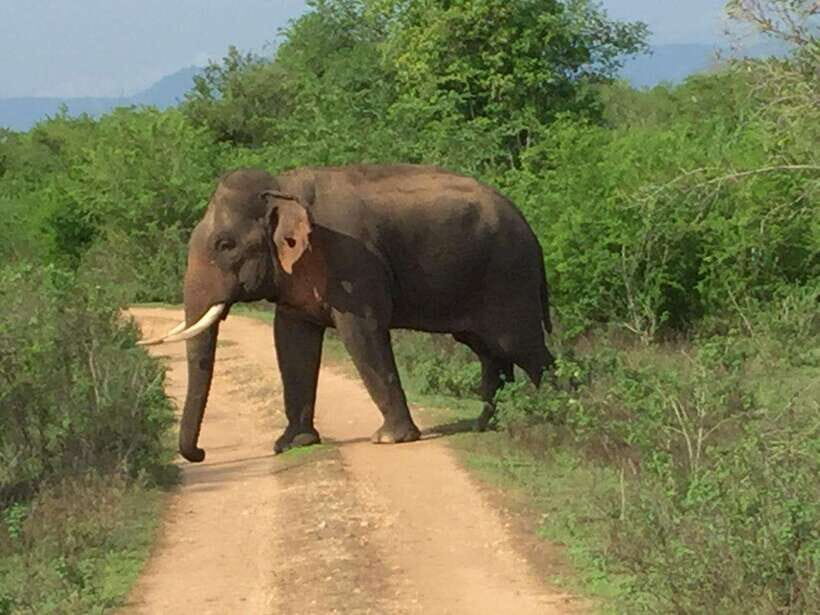
A safari guide isn’t just a translator. In Udawalawe, guide skill shows up fast in where you stop, how quickly you reach elephant zones, and whether the birding stops are sharp or slow.
One standout from previous experiences was mention of a guide named Gimhana, praised for knowledge, strong animal spotting, and getting guests close to elephants, including a baby. While your exact guide assignment can vary, the takeaway for you is consistent: choose this type of tour when you want interpretation and positioning, not just a ride.
If elephants are your top priority, I’d ask the provider about the guide’s experience and style before you go. Even a quick question can help you align expectations.
Should You Book This Udawalawe Safari?
I’d book this safari if:
- you want a private 4×4 with an English live guide
- you care about birds and endemics, not only big mammals
- you like the idea of scanning multiple habitats—grasslands, forests, and wetlands
- your “win” is seeing elephants plus a good mix of other wildlife, even if not every stop is loud
I’d skip it (or be cautious) if:
- you need nonstop wildlife action every hour
- you’re sensitive to long drives and quiet stretches
- you fall into the groups flagged as not suitable (pregnant or back problems)
For most people doing Sri Lanka, this is a solid way to spend a half-day with real nature value—especially if you go in ready to be patient, hydrated, and focused on spotting.
FAQ
How long is the Udawalawe National Park safari?
The safari runs for 4 to 7 hours, depending on starting time and availability.
What’s included in the tour price?
It includes a 4×4 private Jeep safari, an experienced driver who also acts as your guide (10+ years), and hotel pickup and drop-off in the Udawalawe area.
Is the national park entry fee included?
No. Udawalawe National Park entry/admission fee is not included.
What wildlife might I see?
The safari may include elephants, leopards, sambar deer, jungle cats, crocodiles, water buffalo, foxes, mongooses, jackals, wild boar, and various bird species.
Are there endemic birds in the park?
Yes. The tour highlights chances to see endemic birds such as the Sri Lankan Jungle fowl, Sri Lankan Spurfowl, and the Sri Lankan Wood shrike.
What language is the guide?
The tour guide is available in English.
What should I bring?
Bring water. Insect repellent is recommended to protect against bites.
Is the tour suitable for everyone?
It’s not suitable for pregnant women or people with back problems. Also, smoking and alcohol/drugs are not allowed, and you should not feed or touch animals.
If you tell me your travel month and whether elephants are your #1 goal, I can help you decide if the 4-hour window feels right or if you should aim for the longer end of the range.