REVIEW · NORTH CENTRAL PROVINCE
Wilpattu National Park Safari Guided by NATURALIST / RANGER
Book on GetYourGuide →Operated by Wanderluxe Ceylon · Bookable on GetYourGuide
Wilpattu feels like a live nature documentary. This safari is built around an early start, a naturalist or ranger guiding you through lakes, forest trails, and grasslands, and a full day of searching for the animals people come for. I like that the plan targets specific species like leopards, sloth bears, and elephants, not just random driving, and that you get included binoculars and photo time so you can actually work with what you see. One thing to keep in mind: sightings are never guaranteed, and one recent reviewer felt the day leaned more toward birds than big mammals.
You’ll also get the practical stuff that makes long hours in the park easier: hotel pickup and drop-off, a comfortable 4×4 safari jeep, and a small max group inside each jeep (up to 6). The route typically includes a sunrise-focused run plus more time later with sunset and scenic drives. The possible drawback for some people is the “big operation” factor: one reviewer mentioned a convoy of around 50 jeeps, which can feel busy if you’re hoping for a quiet, almost private experience.
If you go in with flexible expectations and good patience, this can be a solid way to spend a day in Sri Lanka’s wildlife heart. I’d treat it as a guided search with better-than-average spotting help, not as a promise of elephants on cue.
In This Review
- Key things to know before you go
- Wilpattu National Park at first light: why this safari starts early
- The 4×4 safari jeep and the Galkadawala start: logistics that affect your day
- Morning route: lakes, forest cover, and your leopard-and-bear search
- Break time, photo stops, and guided viewing that helps you actually see
- Sunset drives and scenic passes: how the later hours can change the odds
- Wildlife targets: what you should hope for and what you should plan for
- Price and park tickets: is $50 good value?
- What’s included (and what to bring) for an easier safari day
- Who this Wilpattu naturalist safari is best for
- Should you book this Wilpattu National Park safari?
- FAQ
- FAQ
- How long is the Wilpattu safari with a naturalist/ranger?
- Where does pickup happen?
- Are hotel pickup and drop-off included?
- Is the national park entrance ticket included?
- How many people are in each safari jeep?
- What animals does the safari aim to see?
- Is the guide language English?
- Are binoculars and water included?
- Is this safari suitable for everyone?
Key things to know before you go
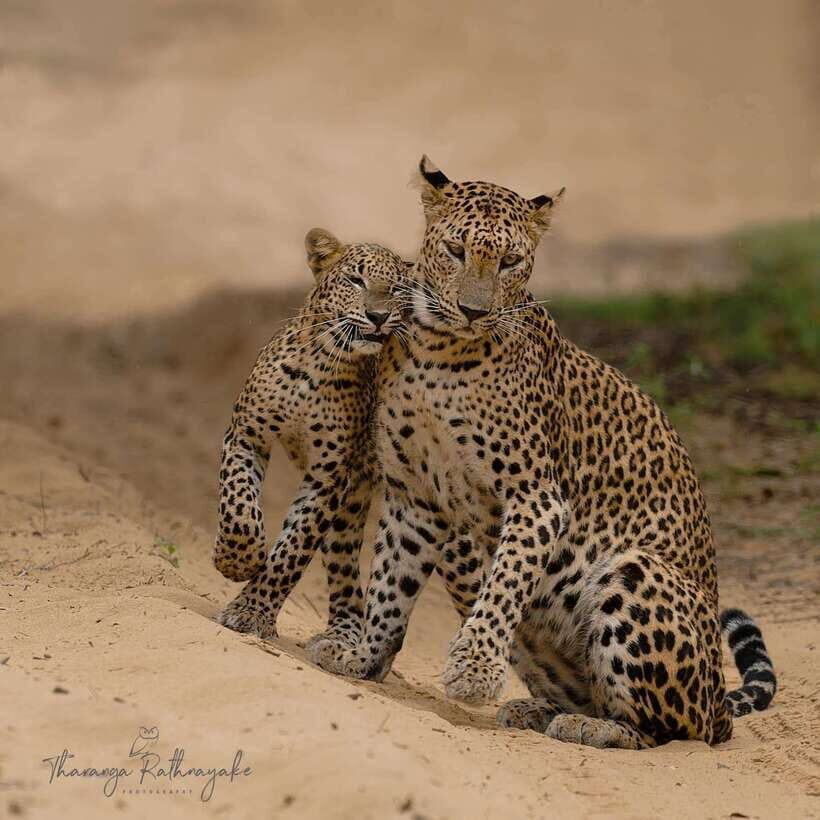
- Naturalist or ranger guidance aimed at leopards, sloth bears, elephants, and other key park species
- Small jeep size (max 6 per jeep) for easier wildlife viewing and less cabin chaos
- Sunrise timing plus later park time (including sunset and scenic drives) to catch different animal rhythms
- Binoculars and water bottles included so you’re not scrambling mid-ride
- Pickup and drop-off included around the Wilpattu area, with the listed pickup at Galkadawala
- Multiple jeeps may be involved (one reviewer cited a convoy), so expect some “busyness” in the traffic
Wilpattu National Park at first light: why this safari starts early
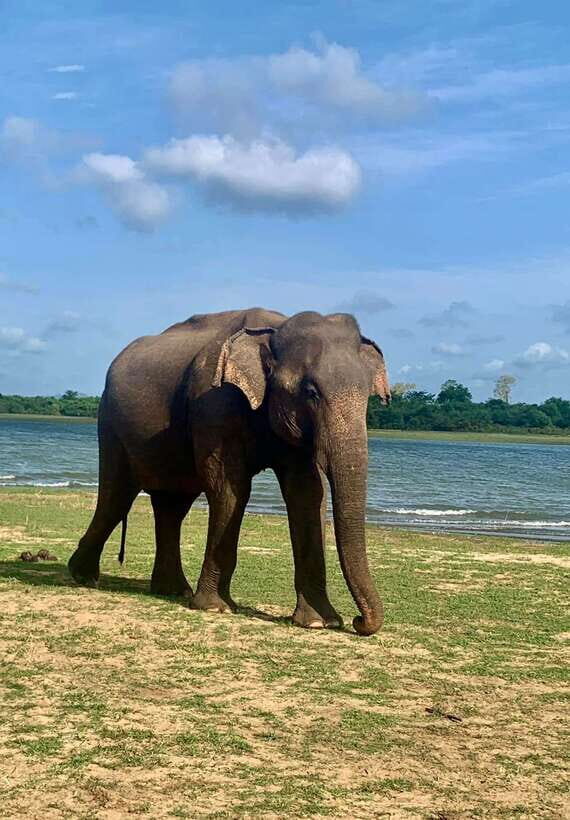
Wilpattu is famous for its lakes and cover—open water, thick vegetation, and the kind of terrain where animals can appear fast and disappear fast. The value of an early start is simple: you’re more likely to catch active behavior when the park is waking up. This safari is timed for a sunrise run (listed as a 4-hour window) and then continues through more park time, including sunset.
I like that the day is not framed as a quick tour. You’re planning for hours of scanning: water edges, clearings, and spots where an animal might be moving without announcing itself.
You should also know this park is big, and wildlife can be spread out. That’s why guide skill matters more than wishful thinking. The plan is led by a professional naturalist or ranger, so you’re not just paying to sit in a jeep—you’re paying for someone to help you interpret signs and keep your search efficient.
If you're still narrowing it down, here are other tours in North Central Province we've reviewed.
The 4×4 safari jeep and the Galkadawala start: logistics that affect your day
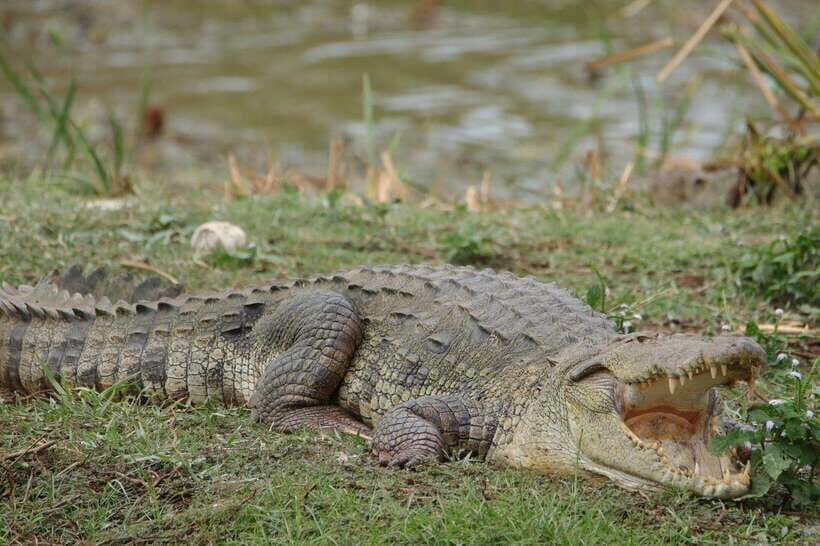
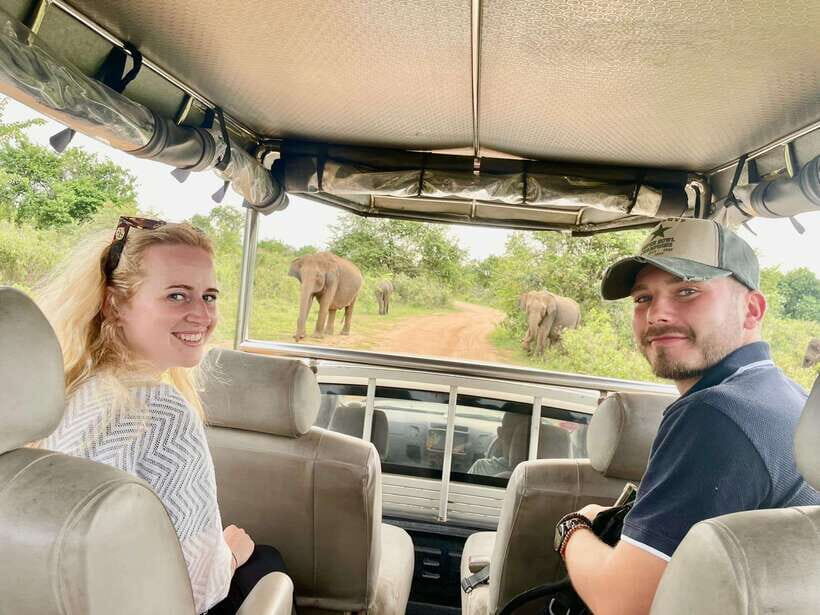
This is a 4×4 safari jeep experience designed for wildlife viewing, with a maximum of 6 passengers per jeep. That small number matters because jeep seating can get uncomfortable during bumpy dirt tracks, and you want clear sightlines when an animal finally shows up.
Pickup is included, and your listed pickup point is Galkadawala. The info says complimentary pickup and drop-off is available from locations in the Wilpattu area (around 10 km), and you should wait in the hotel lobby about 10 minutes before your scheduled time. In other words: be ready early, because sunrise timing leaves little room for delays.
One practical detail: the day can run anywhere from 4 to 12 hours depending on the starting time and how the day is structured. If you’re trying to fit safari into a tight itinerary, confirm the start time and whether you’re booking a shorter sunrise-focused version or a longer full-day run.
A small caution based on a real-world comment: one reviewer mentioned a convoy of around 50 jeeps. That tells you you might not have the park to yourself. If you prefer a quiet, off-peak feel, be mentally prepared for other safari vehicles being in the same areas.
Morning route: lakes, forest cover, and your leopard-and-bear search
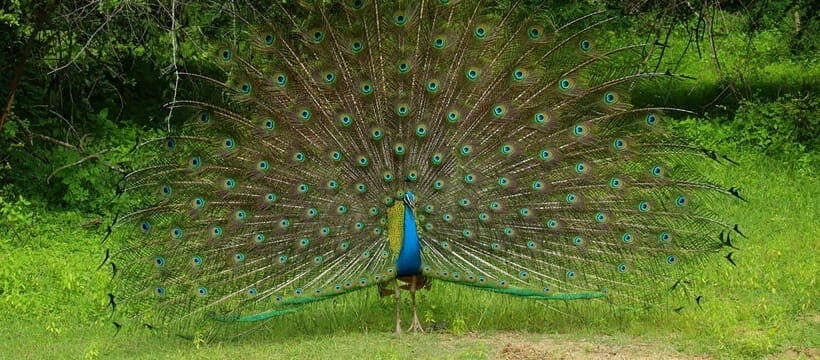
Your guide takes you through Wilpattu’s mix of ancient lakes, dense forest, and grasslands. The point of that variety is to cover the habitats where different animals use different spaces—some prefer water edges, others use thick cover.
The safari is specifically aimed at animals that take patience:
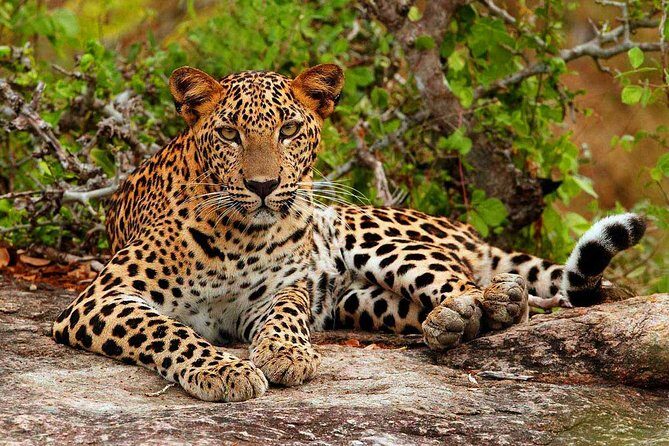
- Leopards (often elusive and not guaranteed)
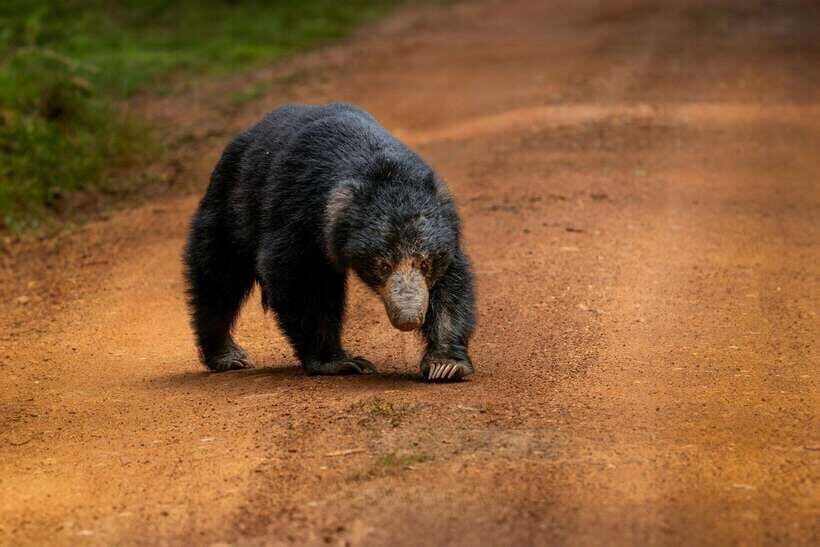
- Sloth bears (also not a sure thing, but worth targeting)
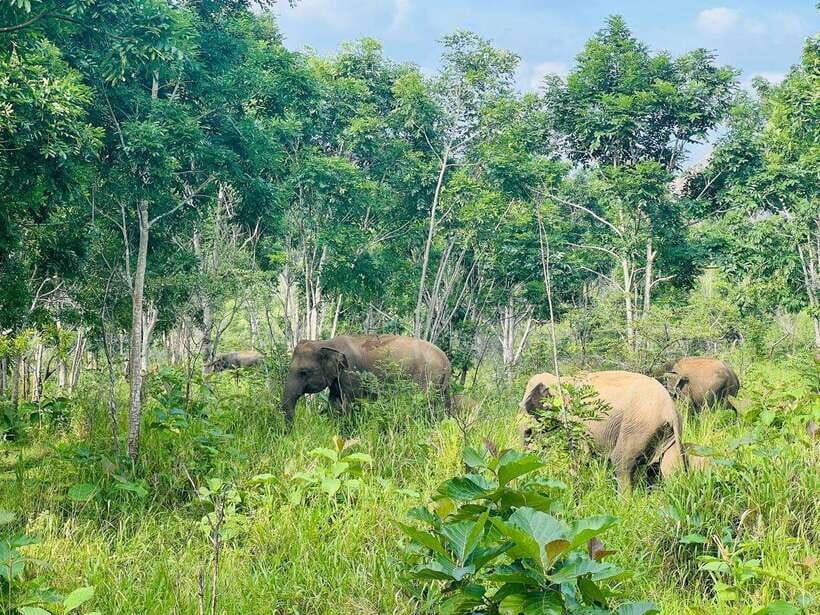
- Sri Lankan elephants (bigger, but still dependent on where they are that day)
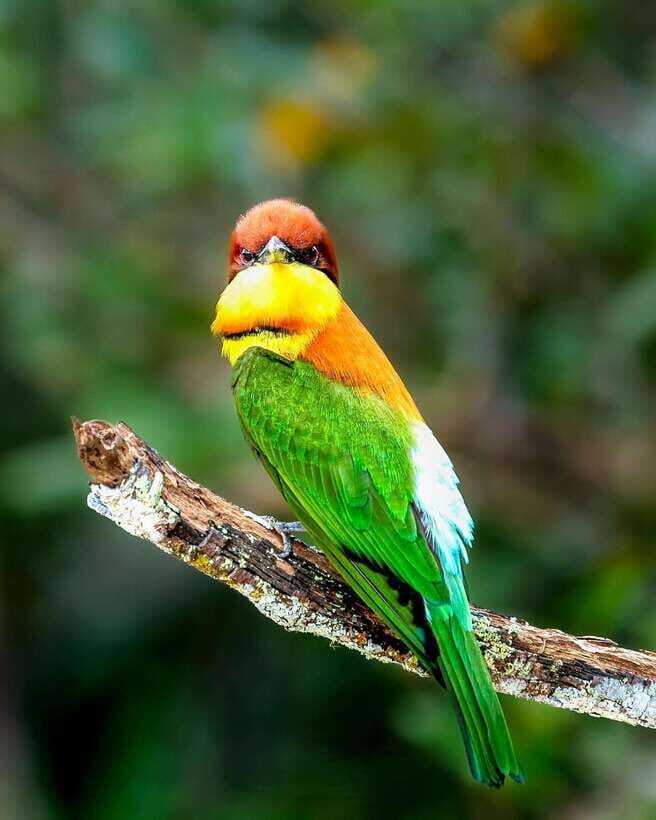
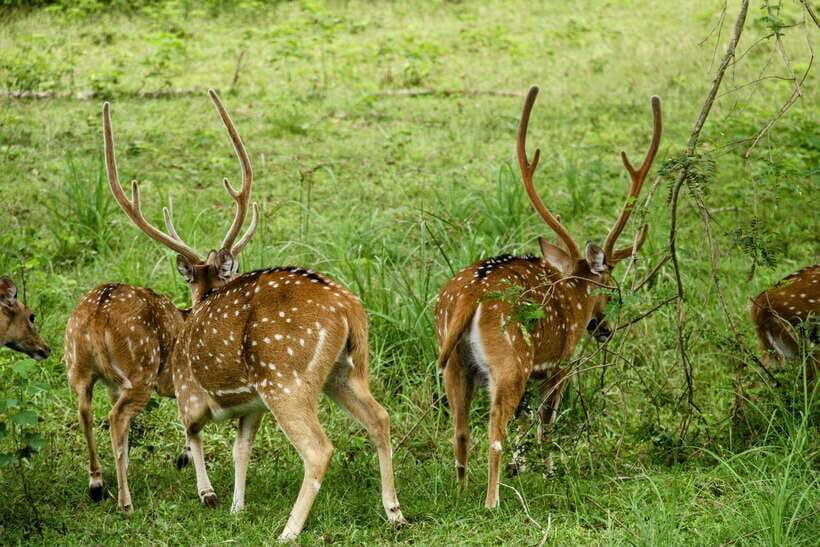
You’ll also be looking for spotted deer, water buffalo, and a range of birds. Birds matter here for two reasons: they’re often easier to spot than large mammals, and their activity can hint at where animals are moving.
What I’d suggest you do during the morning scanning phase:
- Move your attention slowly across water margins and quiet clearings, not just straight ahead.
- Watch for stillness first, then confirm with a head turn or movement.
- Use binoculars when you spot activity from a distance—this is included, so don’t treat it like extra luggage.
A note from the experience’s real feedback: one reviewer felt their day produced few big mammals and lots of birds, with limited elephant/ape/bear sightings. That doesn’t mean the guide won’t work—it just highlights the reality that Wilpattu wildlife days can swing wildly. The morning is where you’re trying to win the odds.
Break time, photo stops, and guided viewing that helps you actually see
The plan includes a break time, photo stop(s), and a guided tour element while you’re inside the park. This matters because wildlife spotting is partly about skill and partly about staying alert for long stretches. A break keeps you from getting numb to the view.
Since photo time is part of the schedule, you can plan how you’ll shoot:
- If you’re using a phone, brace it and use zoom carefully—screens wash out in bright light.
- If you’re using a camera with a lens, make sure your gear is accessible before the stop, not after.
- Don’t expect perfect framing; wildlife often shows up at the edges.
The included binoculars are a practical bonus. When you catch a distant animal-shaped silhouette, binoculars help you confirm what you’re looking at before you waste time chasing the wrong cue.
Based on the mixed feedback, I’d also keep your expectations tied to process, not species checklists. If your mental scorecard is only leopards and elephants, any “bird-heavy” day will feel disappointing. But if your goal is learning how to read the park and enjoy wildlife as it shows up, this kind of guided day can still be worthwhile.
Sunset drives and scenic passes: how the later hours can change the odds
As the day continues, the route includes sunset and scenic drives/pass-by sections. Late-day wildlife behavior can be different from sunrise. Some animals move more casually, some become more noticeable near water, and birds keep feeding and shifting around even when mammals are quiet.
I like the inclusion of sunset time because it gives you more than one “hunt window.” In many safari-style days, the best you get is a single morning push. Here, you have additional time later, so you’re more likely to catch something interesting even if the first hours are slow.
That said, sunset can also mean more vehicles converging on popular viewing areas. Given the convoy comment from a reviewer, you might feel crowds at certain moments. The trick is to stay calm and let the guide position you where you can see. When you get a clear sightline, stay there long enough to wait for the animal to decide what it wants to do.
A few more North Central Province tours and experiences worth a look
Wildlife targets: what you should hope for and what you should plan for
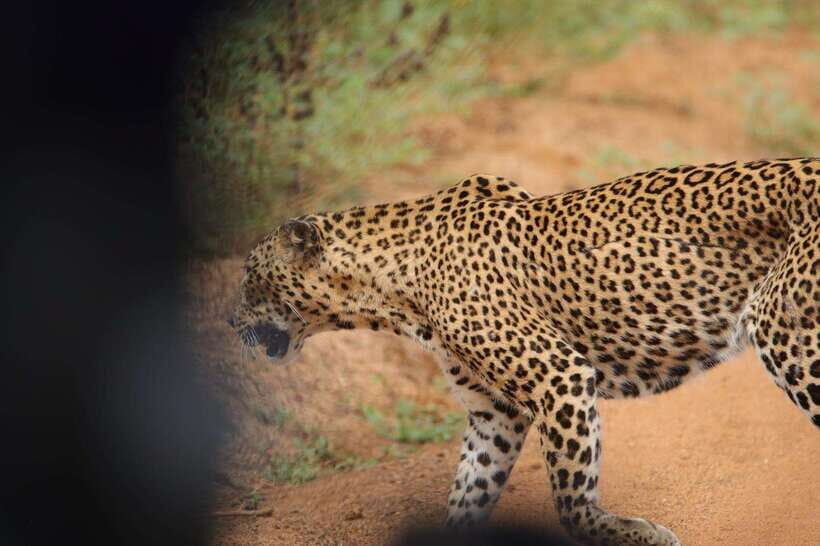
This safari is aimed at big-ticket species, especially leopards, sloth bears, and elephants. The reality of national parks is that you can do everything right and still have a day with fewer sightings than you hoped for.
From the available feedback, one reviewer reported limited luck with major mammals and only brief crocodile views through binoculars, with the rest of the day feeling bird-focused. Another reviewer’s comment suggested that if you like the energy of a large safari convoy, the format may match your style.
So here’s how I’d plan your mindset:
- Treat this as a guided search for wildlife signals, not a guaranteed parade of animals.
- Be ready to enjoy the “smaller wins” like water buffalo, deer, and bird life, because those sightings often come in the same areas as bigger mammals.
- If you care most about leopards or sloth bears, ask the guide how they read signs and where they prioritize scanning—this helps you see that the day has method.
Also, keep in mind that Wilpattu is described as Sri Lanka’s largest national park in the general tour overview. Large area + elusive animals = variable outcomes.
Price and park tickets: is $50 good value?
The safari price is listed at $50 per person for a 4 to 12 hour experience. That’s the cost of the guide, jeep time, and the included gear/comfort (water bottles and binoculars, plus pickup/drop-off).
But here’s the part you shouldn’t gloss over: national park entrance tickets are not included, and the price is given as about $38 per adult. That means your all-in daily cost is roughly $88 per adult, before any extras.
How I’d judge value: if you’re going with a group, you get a small-jeep experience (max 6) and a naturalist/ranger guide, which is the real differentiator. If you’re traveling solo or just a couple people, you may still have a good day, but your “cost per wildlife hour” can feel steep if sightings are slow.
One more nuance: the itinerary mentions a bigger vehicle operation possibility (convoys). When there are many jeeps, you may spend more time sharing prime areas and less time feeling like you’re alone with the landscape. That doesn’t cancel the value, but it changes the vibe.
If you’re the type who wants certainty—like you must see a specific animal—this might feel risky. If you’re the type who values guide skill, comfortable transport, and a long, properly timed search, the pricing can make sense.
What’s included (and what to bring) for an easier safari day
Included:
- Naturalist or ranger-guided safari
- Experienced driver
- Hotel pickup and drop-off in the Wilpattu area
- 4×4 safari jeep (max 6 passengers)
- Water bottles
- Binoculars
Also included in the style of the booking: you can take pictures during the safari.
Not included:
- National park entrance tickets (about $38 per adult)
What to bring:
- Comfortable shoes
- Comfortable clothes
Not allowed:
- Alcohol and drugs
Who needs the “comfort note” most? Anyone who’s sensitive to bumps and long sitting. Even with a good jeep, safari roads are still rough. Comfortable clothes help you stay focused on scanning instead of shifting around to get comfortable.
One more reality check: the safari includes pickup and drop-off, but it doesn’t list a meeting point beyond the pickup location. If you’re staying near the Galkadawala pickup area, plan to be ready on time and bring patience for the early day.
Who this Wilpattu naturalist safari is best for
This safari is a strong fit if you want:
- A wildlife-focused day with a professional naturalist/ranger
- A smaller jeep group (max 6)
- Help finding wildlife signals like water-edge activity and forest movement
- Binoculars and a comfort-minded transport setup
It’s not suitable for:
- Pregnant women
- People with back problems
If you’re traveling with kids, you’ll need to judge based on how they handle early mornings and long rides. The data doesn’t specify child policies, so keep your expectations aligned with the physical demands of a long safari day in a jeep.
If you hate crowds and convoy-style vehicle traffic, you should consider that reality. One reviewer referenced a convoy of about 50 jeeps. That doesn’t mean your entire day is chaotic, but it does suggest you might see a lot of other safari jeeps at key moments.
Should you book this Wilpattu National Park safari?
Book it if you want a guided, wildlife-first day with a naturalist/ranger, included binoculars, and 4×4 jeep comfort, and you’re okay with the fact that animal sightings are weather-and-location-dependent.
Skip it or re-think it if you’re chasing one specific animal as a must-see outcome. The mixed feedback includes at least one report of few major mammals and a day that felt mostly bird-focused. Even when guides do everything right, Wilpattu can still be a “patient waiting game.”
My practical decision rule:
- If your priority is the experience of a guided search, scanning, learning, and being on the move during sunrise and sunset windows, this is a good candidate.
- If your priority is certainty, or you’re planning only around leopard/elephant sightings, you’ll probably feel disappointed.
FAQ
FAQ
How long is the Wilpattu safari with a naturalist/ranger?
The duration is listed as 4 to 12 hours, depending on availability and starting times.
Where does pickup happen?
Pickup is included, and the listed pickup location is Galkadawala.
Are hotel pickup and drop-off included?
Yes. Hotel pickup and drop-off are included for the Wilpattu National Park area (about 10 km). You should wait in the hotel lobby about 10 minutes before pickup.
Is the national park entrance ticket included?
No. National park entrance tickets are not included and are about $38 per adult.
How many people are in each safari jeep?
The jeep is listed as maximum 6 passengers per jeep. For bookings of 5 passengers or more, you can enjoy a private tour in safari jeeps that can accommodate up to 6 passengers.
What animals does the safari aim to see?
The aim is to showcase leopards, sloth bears, and wildlife, and the general target list includes elephants, spotted deer, water buffalo, and various birds.
Is the guide language English?
Yes. The live tour guide is English.
Are binoculars and water included?
Yes. Water bottles and binoculars are included.
Is this safari suitable for everyone?
No. It is not suitable for pregnant women or people with back problems. Alcohol and drugs are not allowed.