REVIEW · HIKKADUWA
Hikkaduwa/Galle/Ahangama: Whale Watching Tour in Mirissa
Book on GetYourGuide →Operated by Api machan tours · Bookable on GetYourGuide
Watching whales in the wild changes your day fast. This Mirissa tour is built around an early-morning boat ride where you keep your eyes on the horizon for blue whales and sperm whales, with dolphins often joining in the mix. I also like the fact that it runs with a limited group size and an experienced English-speaking crew, so the focus stays on what’s happening out on the water, not on loud crowd noise.
There is one clear catch: it’s not suitable for everyone. If you’re prone to seasickness, the open-ocean ride may be a problem, and the tour starts early, which can be tough if you’re not a morning person.
In This Review
- Key Things to Know Before You Go
- Mirissa Whale Watching With a Handy South Coast Pickup
- Early Morning Boat Time: Safety Gear and a Crew You Can Hear
- What You Might See: Blue Whales, Sperm Whales, and Dolphins
- How the 4-Hour Sail Feels: Spotting, Refreshments, and Learning
- Respectful, Eco-Friendly Viewing Rules That Keep Things Real
- Practical Tips: What to Bring for Sun, Photos, and Comfort
- Price and Value at About $87: What You’re Actually Paying For
- Who This Tour Fits Best (and Who Should Skip It)
- After the Tour: Getting Back to Hikkaduwa, Galle, or Ahangama
- Should You Book the Mirissa Whale Watching Tour?
- FAQ
- Where are the pickup and drop-off locations?
- How long is the tour?
- What wildlife can you see on this tour?
- Is meals included?
- Is there an English guide?
- What should I bring?
- Is touching marine life allowed?
- Who is this tour not suitable for?
Key Things to Know Before You Go
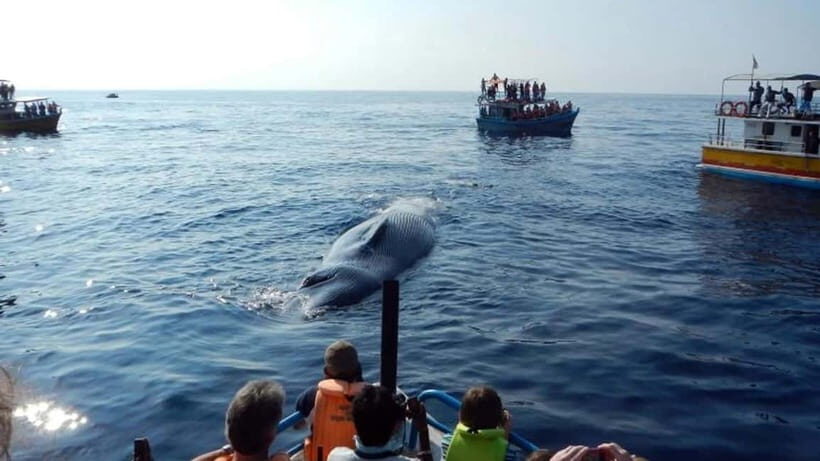
- Small group (up to 8 participants) means more space to look out and fewer people competing for the best view
- Pickup and drop-off from Hikkaduwa, Galle, or Ahangama saves you the headache of getting to Mirissa on your own
- Expert commentary in English helps you understand what you’re seeing, not just point and hope
- Refreshemnts plus safety gear on board keep you comfortable while you wait for whales to show
- Eco-friendly, respectful wildlife rules (including no touching) keep the experience responsible
Mirissa Whale Watching With a Handy South Coast Pickup
This tour is designed for people staying along Sri Lanka’s southwest coast. You get hotel pickup from Hikkaduwa, Galle, or Ahangama and then you head to Kotapola for the water portion of the day. That transfer matters more than it sounds: Mirissa whale tours can be logistically annoying if you’re trying to coordinate transport, parking, and timing on your own.
The schedule is built around an early morning departure, which is when you’re most likely to have calm conditions for searching and spotting. You’ll also start the day with the mindset that you’ll spend most of the time looking—so try not to plan anything right after. You’ll want a relaxed morning rhythm, not a rushed one.
And yes, the main draw is the wildlife. You’re specifically set up for viewing blue whales, sperm whales, and dolphins in their natural habitat, not in some fenced or staged setting. That’s the kind of experience that tends to stick with you.
Other Galle tours we've reviewed in Hikkaduwa

Early Morning Boat Time: Safety Gear and a Crew You Can Hear
Once you arrive for departure, you’ll step onto a well-equipped boat with an experienced crew. You’re not just handed binoculars and told good luck. The tour includes safety gear and professional guidance, and the goal is straightforward: keep you safe while you spend time spotting whales at sea.
A big part of the comfort here is the group size. It’s limited to 8 participants, which is a sweet spot. You can move a bit, reposition for a better angle, and still feel like you’re with a real team rather than a herd.
The boat ride itself is only part of the story. What really makes a difference is that you get expert commentary from the crew. Even if you’ve never whale-watched before, you’ll understand what the crew is looking for and why certain sightings are more exciting than others. It turns the tour from a visual scavenger hunt into something you actually learn from.
What You Might See: Blue Whales, Sperm Whales, and Dolphins
Let’s talk animals, because that’s what you’re paying for. The tour highlights viewing blue whales, sperm whales, and dolphins. Those aren’t random buzzwords. They’re the whole reason Mirissa has whale-watching energy.
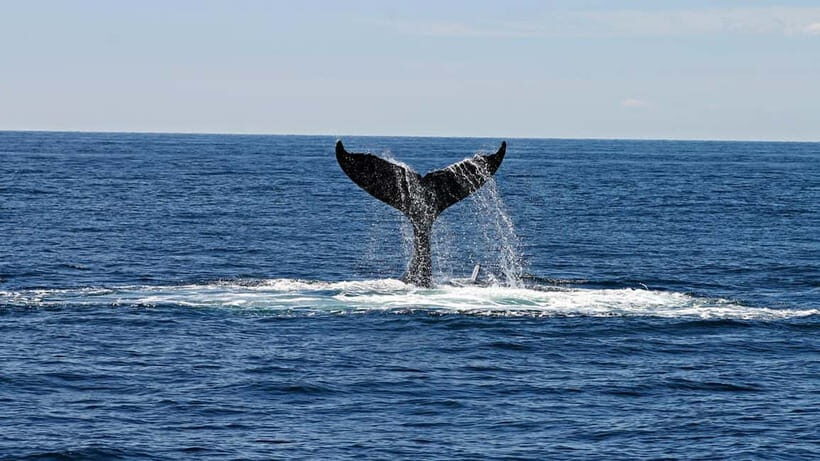
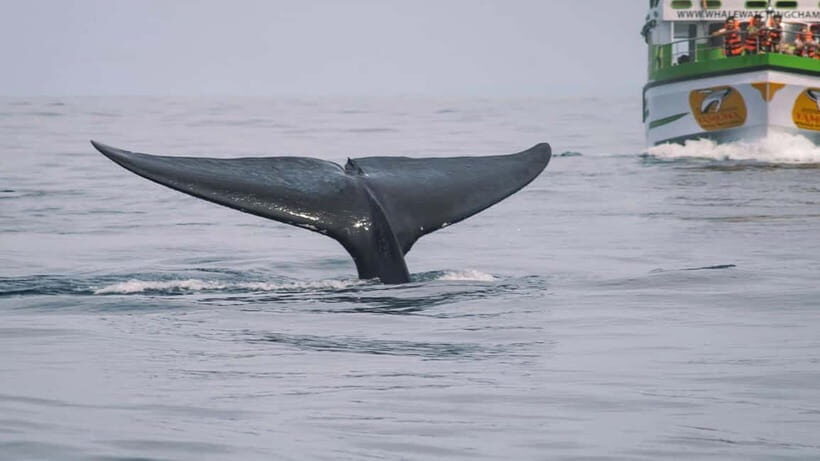
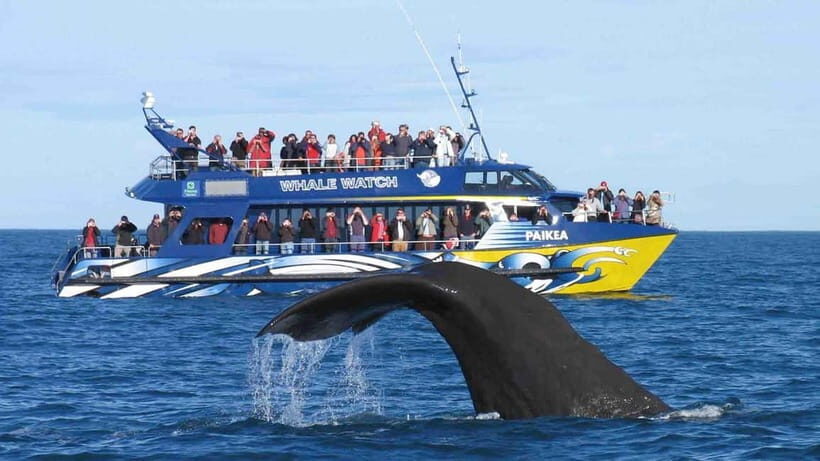
Here’s what you can expect in practice. While you’re sailing on the Indian Ocean, you’re scanning for the tells the crew looks for, like powerful whale spouts and movement you can track from a distance. When whales surface, the spout is often the first thing that makes people react. Then it’s the shape and motion—powerful bodies, tails, and quick changes in distance—that help you realize you’re not watching wildlife from a zoo. You’re watching them do what they do.
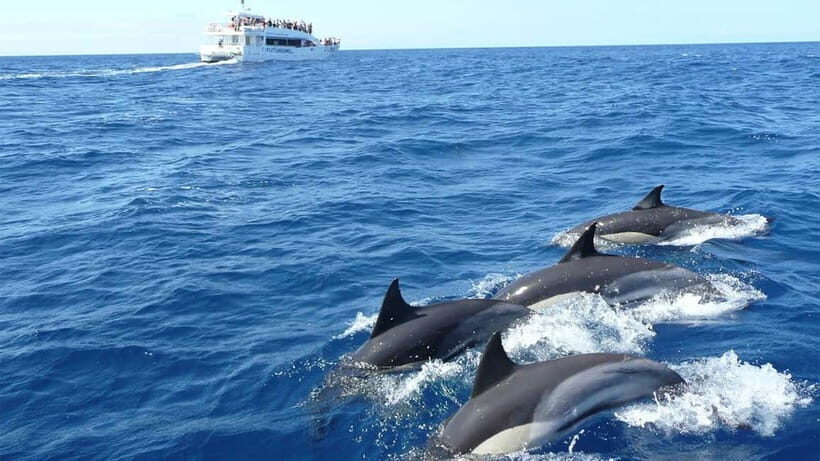
Dolphins can add an extra layer of fun because they may appear more actively around the boat’s area. You’re not guaranteed anything on wildlife time, but the tour is set up to give you consistent time on the water to look.
Also, bring your camera and binoculars if you have them. The tour specifically suggests binoculars, and that’s smart. From a boat, details can be far away. Binoculars help you see the moment you’d normally miss with the naked eye.
How the 4-Hour Sail Feels: Spotting, Refreshments, and Learning
The whale watching portion runs about 4 hours, and that’s long enough to feel like you’re in the rhythm of it. At the beginning, you’ll set out and then it becomes a steady process: scan, wait, and respond quickly when something shows up.
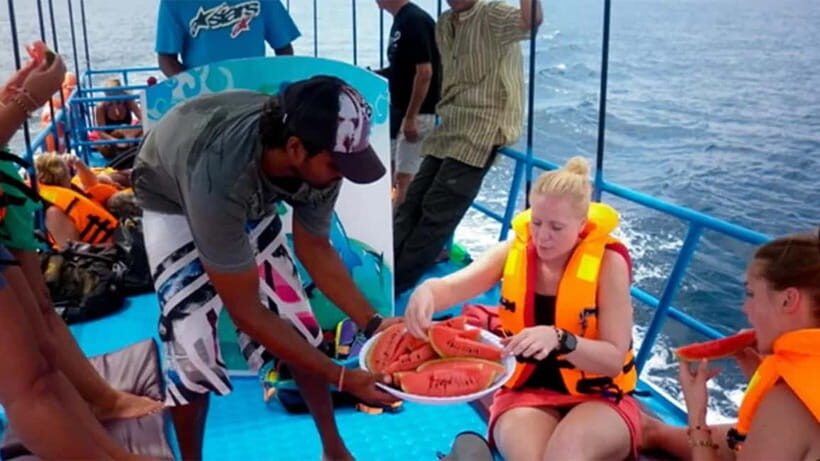
You’ll also get refreshments during the tour. It’s a small detail, but it helps. Early morning + time on open water can sap energy. Having something to drink while you’re watching makes a noticeable difference, especially if you’re not eating a full meal beforehand.
One of the most practical parts is the inclusion of expert commentary. That means you’re not just looking for generic sea “stuff.” You’re hearing guidance that helps you identify what’s happening and why it matters. It’s the difference between seeing whales as a single big moment and understanding the behavior behind what you observe.
And because this is a small group, you’ll likely hear the crew better than you would on a larger boat. Hearing is half the battle in wildlife watching. The crew’s job is to point your attention at the right cues, at the right time.
Respectful, Eco-Friendly Viewing Rules That Keep Things Real
This is an experience with a clear ethic: eco-friendly and respectful wildlife viewing. You’ll also get a direct rule to follow—touching marine life is not allowed.
That rule matters. It keeps the interaction non-invasive and helps protect both the animals and your own safety. When you’re out on the water, “close” doesn’t mean you should approach recklessly. It means you should watch carefully and let the animals decide the distance.
The other eco angle is how the tour is framed: keep things organized, keep your impact low, and focus on viewing rather than interfering. If you care about responsible travel, this is the kind of tour structure that aligns with that mindset.
Other Mirissa tours we've reviewed in Hikkaduwa




Practical Tips: What to Bring for Sun, Photos, and Comfort
You’ll have a few essentials to pack because the tour starts early and you’ll be out on the water under sun.
Bring:
- Hat to cut glare
- Sunscreen because sea light is bright
- Camera for the moment your eyes finally lock onto a whale
- Binoculars since they’re specifically recommended
A practical note: even when the morning feels cool, sea air and sun can still catch you. Sunscreen is one of those items you’ll regret skipping.
Also consider seasickness. The tour is not suitable for people prone to seasickness. If you’re even slightly unsure, be honest with yourself. This is not the right setting to test your stomach.
Price and Value at About $87: What You’re Actually Paying For
At $87 per person, this isn’t a random cheap add-on. It’s closer to a full-value half-day experience with multiple pieces you’d otherwise have to arrange yourself.
Here’s where the money goes:
- Pickup and drop-off from Hikkaduwa, Galle, or Ahangama
- A 4-hour whale watching outing on a well-equipped boat
- Experienced crew and English commentary
- Refreshments
- Safety gear
- A small group size limited to 8
If you’ve tried booking transport separately for coastal day trips, you already know how quickly costs and time add up. This tour bundles the hardest part—getting you to Mirissa’s water time—and then includes the on-board basics you need to have a decent experience.
Meals are not included, so think about what you’ll do for food either before you leave or after you return. Since you’re out for half a day, a simple plan for breakfast and/or a later snack will make the day feel smoother.
Who This Tour Fits Best (and Who Should Skip It)
This is best for adults and older kids who can handle a boat ride and want a serious wildlife outing. You’ll enjoy it most if you:
- Want a small-group whale-watching experience
- Care about learning what you’re seeing, not just seeing it
- Like the idea of early morning when the day feels fresh and focused
It’s specifically not suitable for children under 6 years. And if you’re prone to seasickness, this one is probably not a good match.
After the Tour: Getting Back to Hikkaduwa, Galle, or Ahangama
Once the whale watching portion ends, you’ll get a comfortable return transfer back to your drop-off area. Drop-off options include Ahangama, Hikkaduwa, and Galle.
That’s another value point. After a morning on the water, the last thing you want is to figure out transport and timing. This tour keeps the day simple: pickup, sail, watch, then back to your hotel area.
Should You Book the Mirissa Whale Watching Tour?
I’d book it if you want a focused half-day wildlife trip with real support on board: safety gear, an experienced crew, English commentary, and time on the water geared toward seeing blue whales, sperm whales, and dolphins. The small group size and respectful viewing approach are also big pluses, and the transfer from Hikkaduwa, Galle, or Ahangama makes the logistics painless.
I’d skip it if you know you get seasick easily or if you’re traveling with young kids under 6. Also, if you hate early starts, be prepared for the reality that this tour runs with an early morning departure.
FAQ
Where are the pickup and drop-off locations?
Pickup is available from Hikkaduwa, Galle, or Ahangama. Drop-off is available in Ahangama, Hikkaduwa, or Galle.
How long is the tour?
The total duration is listed as 4 to 5 hours, with whale watching taking about 4 hours.
What wildlife can you see on this tour?
The tour highlights the chance to see blue whales, sperm whales, and dolphins.
Is meals included?
No. Meals are not included, but refreshments are provided during the tour.
Is there an English guide?
Yes. The tour includes a live tour guide in English, along with an experienced crew.
What should I bring?
You should bring a hat, camera, sunscreen, and binoculars.
Is touching marine life allowed?
No. Touching marine life is not allowed.
Who is this tour not suitable for?
It is not suitable for children under 6 years and it’s not suitable for people prone to seasickness.