REVIEW · HIKKADUWA
Hikkaduwa/Galle/Weligama/Mirissa/Tangalle: Udawalawa Safari
Book on GetYourGuide →Operated by Ceylon Nature Tours · Bookable on GetYourGuide
Elephants show up fast here. This Udawalawe safari is built around real wildlife time, with a good shot at seeing Sri Lanka’s famous Asian elephant herd in the wild, plus an inspiring stop at the Elephant Transit Home during feeding. I especially like how the day is timed to maximize sightings, and I find the guide-led spotting helps you do more than just drive past trees. One thing to plan for: you’ll pay extra entry fees on the day, since park and transit home admission aren’t included.
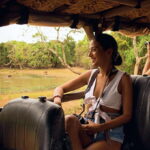
From the coastal areas (Hikkaduwa, Galle, Unawatuna, Weligama, Mirissa, Tangalle and others), you get a hotel pickup in an air-conditioned vehicle and a customized 4×4 jeep for the park. In the best moments, you’re close enough to notice elephant behavior up close, not just see them from a distance. The ride can be bumpy, and early start times can mean very early pickups, so it helps to be ready for a long morning before you expect a relaxed schedule.
In This Review
- Key highlights you’ll care about
- Why Udawalawe Is Such a Strong Choice For Wild Elephants
- Morning-to-Transit-Home Flow: How the Route Works
- Getting to Udawalawe From the South Coast (Hikkaduwa, Galle, Mirissa, Tangalle)
- The 4×4 Jeep Safari: What You’re Likely to See
- If you get car sick
- Elephant Transit Home Feeding Time: The Part With Real Meaning
- Price and Entry Fees: The Real Cost Picture
- Comfort, Group Size, and Guide Styles (Pathum, Mahesh, Janaka, Sheehan)
- Practical Tips: Timing, Snacks, and Rain-Ready Packing
- Who This Safari Suits Best (and Who Might Want to Rethink It)
- Should You Book This Udawalawe Safari?
- FAQ
- FAQ
- What’s included in the Udawalawe safari package?
- What’s not included in the price?
- Where do pickup and drop-off happen?
- How long is the tour?
- What vehicle do you use for the safari?
- What time is Elephant Transit Home visit?
- Are the guides available in English?
- Is the group size small?
- Do I get to cancel for free?
- Is food provided during the day?
Key highlights you’ll care about
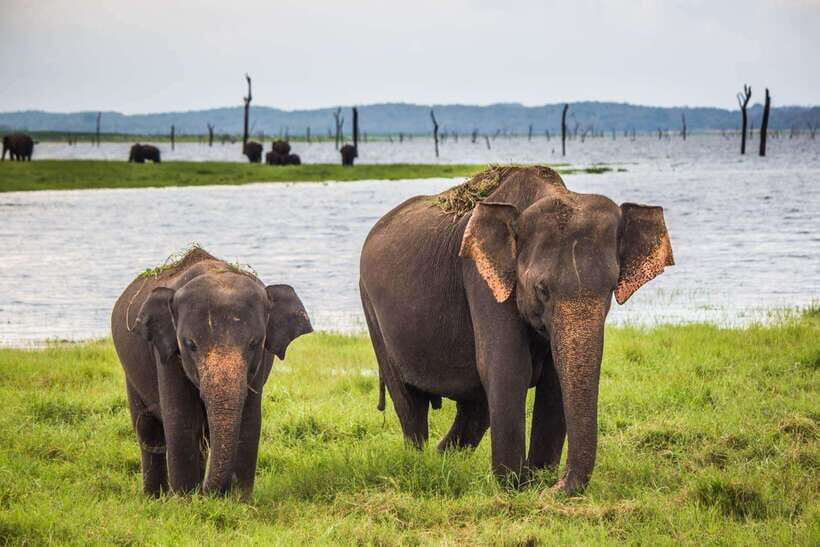
- Wild elephants as the main event, including opportunities to see herds in the national park
- A practical 4×4 jeep safari, driven by a guide who helps you find good viewing spots
- More than elephants: look out for buffalo, deer, crocodiles, and lots of birdlife
- Elephant Transit Home at feeding time (10:30 AM, 2:30 PM, or 6:00 PM) to see orphan care and release prep
- Pickup convenience from the south coast, with air-conditioned transport from many popular beach towns
- Most of the value is in the guide and positioning, with multiple guides praised for spotting animals quickly
Why Udawalawe Is Such a Strong Choice For Wild Elephants
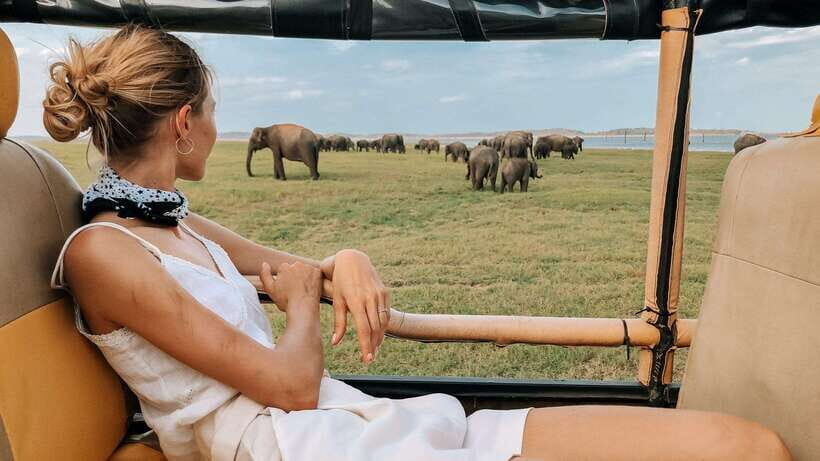
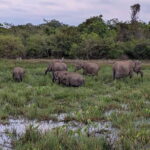
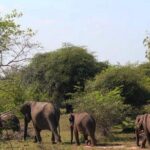
Udawalawe National Park is one of Sri Lanka’s easiest places to have an elephant-focused day without turning it into a logistics puzzle. The park is known for its large Asian elephant herd (around 400 animals), and that matters because it boosts your odds. You’re not gambling on whether elephants exist out there. You’re trying to catch them at the right time and in the right mood.
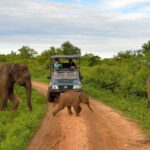
This safari also gives you the best kind of “wild” experience: it’s not a zoo-style event. You’re in a customized 4×4 jeep with a guide who helps you interpret what you’re seeing. Elephants move, pause, approach water, and feed—so the viewing becomes more like wildlife watching than sightseeing.
And then there’s the second half of the experience. The Elephant Transit Home stop turns the day from purely exciting into something with purpose. Seeing young orphaned elephants cared for during feeding time adds meaning without turning the trip into a lecture.
Other Galle tours we've reviewed in Hikkaduwa
Morning-to-Transit-Home Flow: How the Route Works
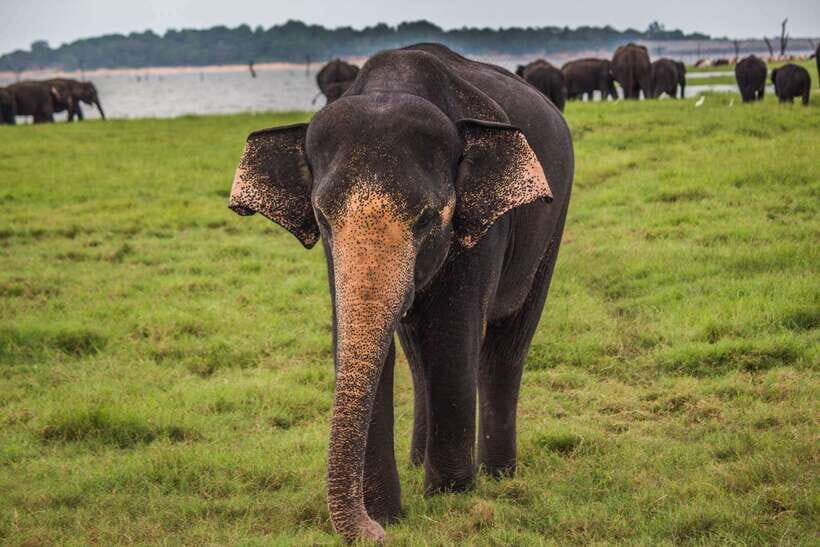
The basic rhythm is straightforward and works well if you like clear structure:
First, you’re picked up from your hotel area on the southern coast. You ride to Udawalawe for an early safari session, when wildlife activity is typically higher and the light is better for spotting. Once you arrive, you switch to the park’s 4×4 jeep and go out into the park with your guide.
During the safari, you’re actively looking for elephants and other animals. Expect slow, careful driving while the guide positions you for the best chances—sometimes that means staying out of the thickest traffic of other jeeps, sometimes it means going where the animals are moving.
After the safari, the day shifts to the Elephant Transit Home. You visit during one of the feeding windows: 10:30 AM, 2:30 PM, or 6:00 PM. That timing is key because the caretaking routines become visible when the young elephants are fed and prepared.
Finally, you return to your pickup area. Most itineraries are set up as a day trip, with the total duration listed as 3 to 8 hours, depending on your hotel location and the start time option you choose.
Getting to Udawalawe From the South Coast (Hikkaduwa, Galle, Mirissa, Tangalle)
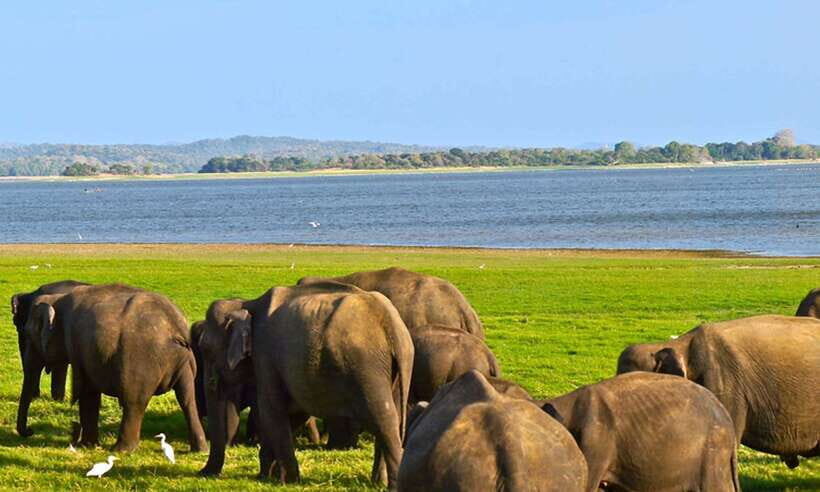
What I like about this setup is that it starts where most people already are. You don’t need to plan an extra overnight inland. Pickup covers a long list of popular bases: Hikkaduwa, Galle, Unawatuna, Thalpe, Habaraduwa, Ahangama, Weligama, Mirissa, Matara, Hiriketiya, and Tangalle.
The transfer is done in an air-conditioned vehicle, which is a big comfort upgrade when you’re heading out early. Realistically, you’re still spending time in a car—Udawalawe is not around the corner from the beaches. But the air-conditioning helps, and it keeps the day from feeling like a punishment before the fun part starts.
One more practical note from the field: some people experienced very early pickup times and had to adjust when the timing was communicated late. If you’re the type who likes your schedule to be fixed, double-check the pickup time the day before you go, and keep your phone handy for updates.
The 4×4 Jeep Safari: What You’re Likely to See
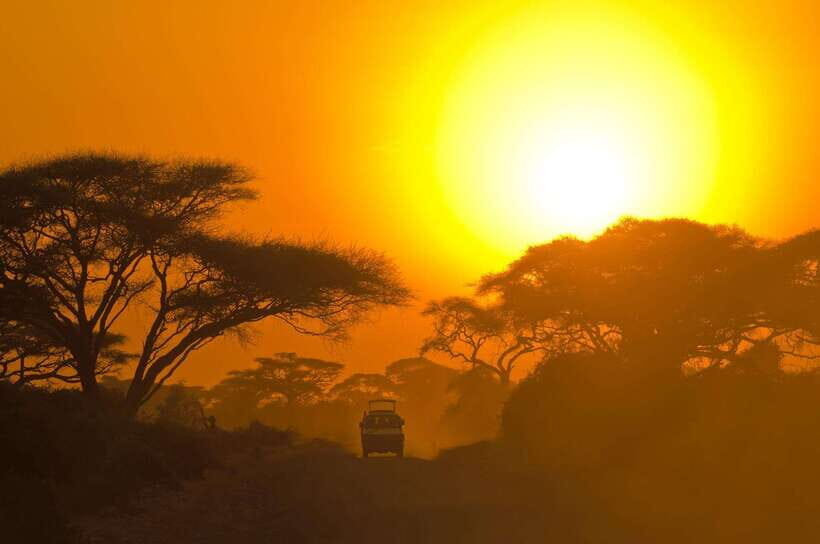
Inside Udawalawe, the safari is the core. This is where you’re driving through natural habitat and watching animals behave normally—plus, your guide helps you avoid the usual tourist problem of staring at the wrong patch of ground.
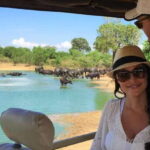
Elephants are the main draw, and multiple guides have been praised for spotting herds quickly and positioning cars close to where the elephants are. In a few accounts, elephants came very near the jeep—close enough that you can see the details of movement and social behavior, not just spot them as dots.
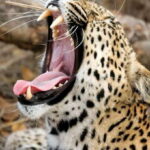
But Udawalawe isn’t only elephants. Based on what’s been reported, you may also see:
- Water buffalo (often easier to spot when you start looking for movement near water)
- Deer
- Crocodiles (watch especially around water edges)
- Monkeys and other smaller wildlife like lizards
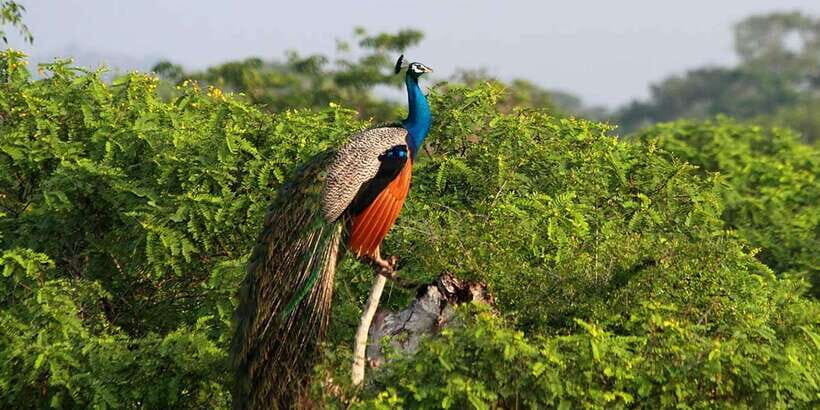
- Birdlife, including raptors and colorful land and water birds
One reason I think this safari works even for first-timers is that the guide role is more than pointing. People repeatedly praised guides for calling out what matters: where animals tend to appear, how to read animal signals, and how to get good viewing angles. Guides like Pathum and Mahesh were specifically mentioned for both spotting and explaining what’s happening out there.
Rain doesn’t stop the mission either. If showers roll in, you might be in for a wet jeep, but covers are reported as part of how the safari is handled. Still, bring a light layer you don’t mind getting damp.
If you get car sick
This park is full of driving on uneven tracks. One traveler flagged that the ride can be rough, and another mentioned the need for car-sick precautions. If you’re prone to motion sickness, you’ll feel better with your usual anti-nausea plan (medicine if you use it, and sitting where you feel least motion).
Other Mirissa tours we've reviewed in Hikkaduwa

Elephant Transit Home Feeding Time: The Part With Real Meaning
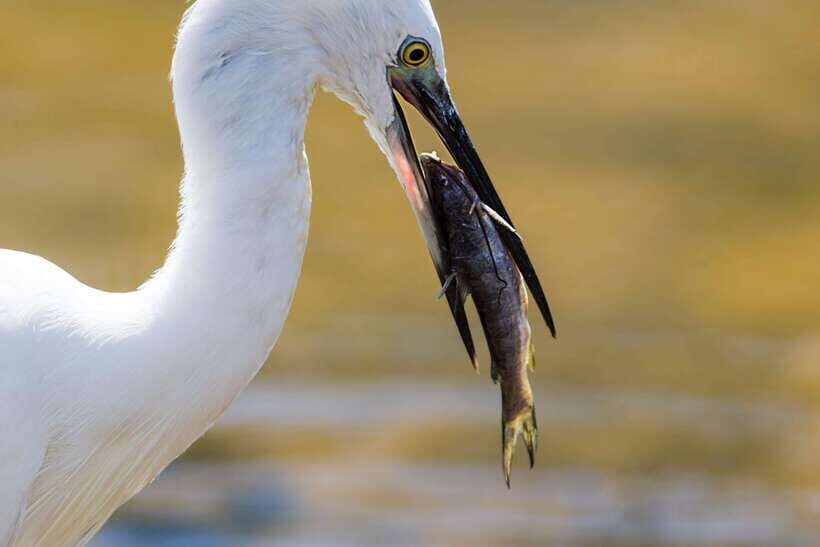
The Elephant Transit Home stop is not just a scenic detour—it’s the conservation side of the day.
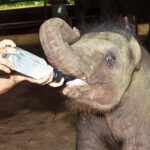
You visit at scheduled feeding times: 10:30 AM, 2:30 PM, or 6:00 PM. The idea is to see young orphaned elephants being cared for as they go through steps that prepare them to return to the wild. That context changes how you look at the animals you saw earlier in the park. Instead of only wondering what you’re seeing, you get a sense of why the feeding and care work exists.
This also adds structure to the day. After the moving, sometimes unpredictable safari, the feeding visit gives a grounded moment where you can slow down, watch feeding behavior, and notice the smaller individuals that you might miss during the fast-paced park spotting.
If you care about animal welfare and don’t want your day to feel like pure thrill-seeking, this is the stop that brings the trip back to earth—in the best way.
Price and Entry Fees: The Real Cost Picture
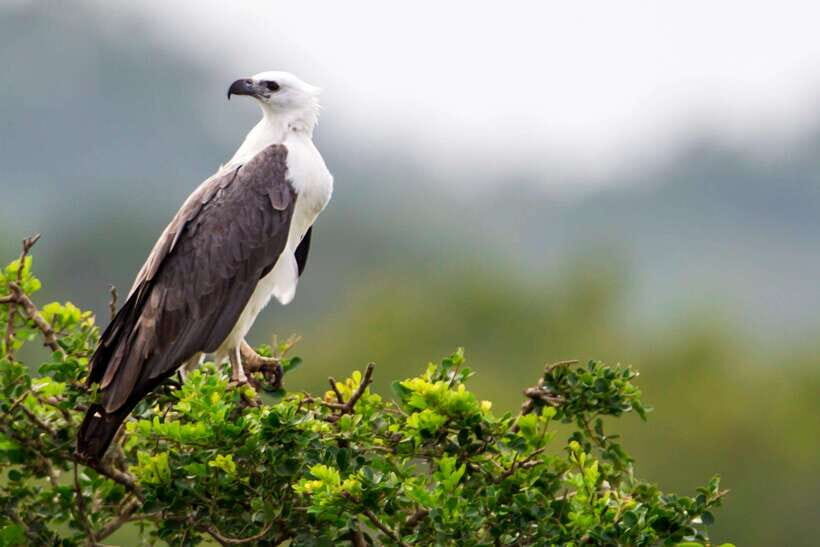
The advertised price is $27 per person, and that’s for the core experience: pickup and drop-off, air-conditioned transfer, 4×4 jeep safari, a driver/guide, and highway toll charges.
But there’s a big catch you must budget for: Udawalawe National Park entry fees are not included (about 36 USD), and Elephant Transit Home entry is also not included (about 6 USD). Food and drinks are not included either.
So what’s the value?
- You’re paying extra on top of the $27, yes.
- But the day still earns its keep because you’re getting a guided safari setup plus a second attraction that has meaning and a defined visiting time.
- You also remove the headache of arranging transport to the park and finding a jeep safari on your own.
My practical take: treat the $27 as the “package base,” then mentally add the park and transit home admissions. Once you do that, you’re comparing this to other Sri Lankan safari days that can cost more for less structure.
Also, remember that the total time can be longer depending on where you start. Longer drive time can reduce how “budget” the day feels, but the AC pickup and the safari vehicle help balance that out.
Comfort, Group Size, and Guide Styles (Pathum, Mahesh, Janaka, Sheehan)
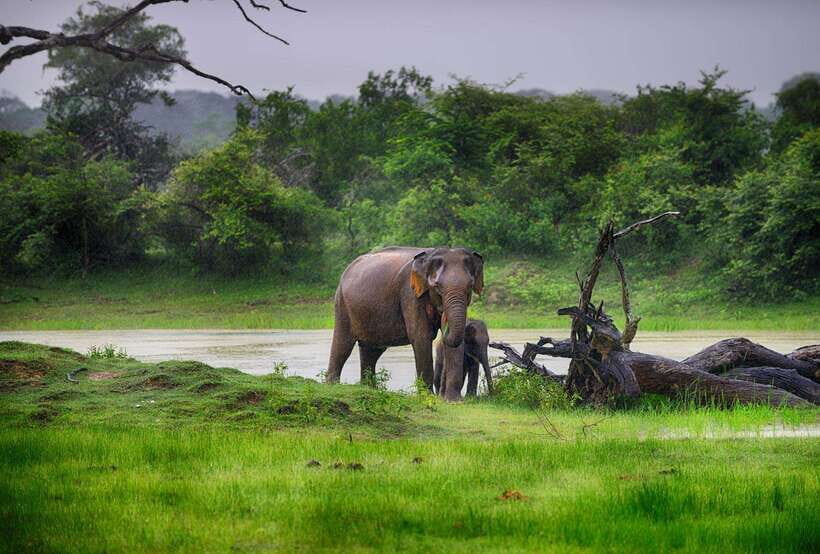
This safari is designed as a small group experience, and that tends to matter in a wildlife park. Fewer people per jeep means you can often see more clearly and get better chances when an animal changes position.
Guide quality is the repeat theme in the feedback. Names that came up include:
- Pathum, praised for spotting and for clear explanations during the safari
- Mahesh, mentioned for finding great spots and managing routes to avoid the busiest areas
- Janaka, praised for smooth pickup and safe, comfortable driving
- Sheehan, noted for helping spot elephants and other wildlife
- Koshala, mentioned for making the experience feel easy and well-run
Beyond names, the pattern is consistent: the guides tend to be active. They look first. They stop at the right moments. They manage jeep positioning so everyone gets a decent viewing angle. And if you want photos, you’re more likely to get good opportunities rather than only a few rushed sightings.
That said, not every transport day is perfect. One report complained about driving speed in small villages and another said lunch was not handled the way they wanted. These aren’t guaranteed issues, but they’re a reminder that you’re dealing with real drivers and real roads, not a perfect machine.
Practical Tips: Timing, Snacks, and Rain-Ready Packing
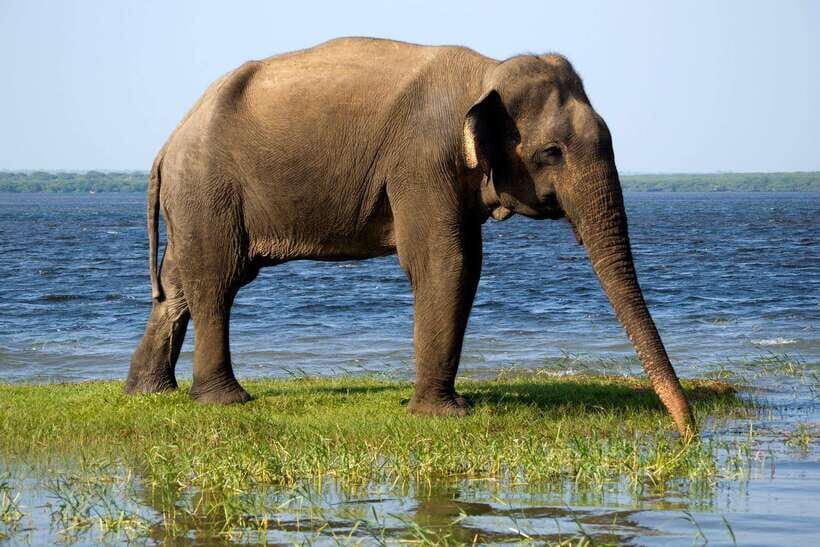
For Udawalawe, the biggest “how to get more out of it” tip is to respect timing. This is an early safari type of outing, and your best sightings generally happen when wildlife is active and the heat isn’t beating down.
So I recommend:
- Plan for very early starts if your pickup is scheduled that way. If you’re traveling with a group, confirm everyone’s ready.
- Bring snacks, since food and drinks are not included. A small pack of snacks makes the day calmer if you’re hungry before or after the park window.
- Bring water or plan to buy it, especially if you’re sensitive to heat or you’ll be out a long time.
- Pack a light rain layer or poncho. Rain gear helped in at least one safari where coverings were used in the jeep.
Also, if you’re tall or have long legs, pay attention to the vehicle size on the transfer. One account said the minibus used for pickup felt tight for taller travelers, even though the safari jeep was more comfortable for viewing.
Who This Safari Suits Best (and Who Might Want to Rethink It)
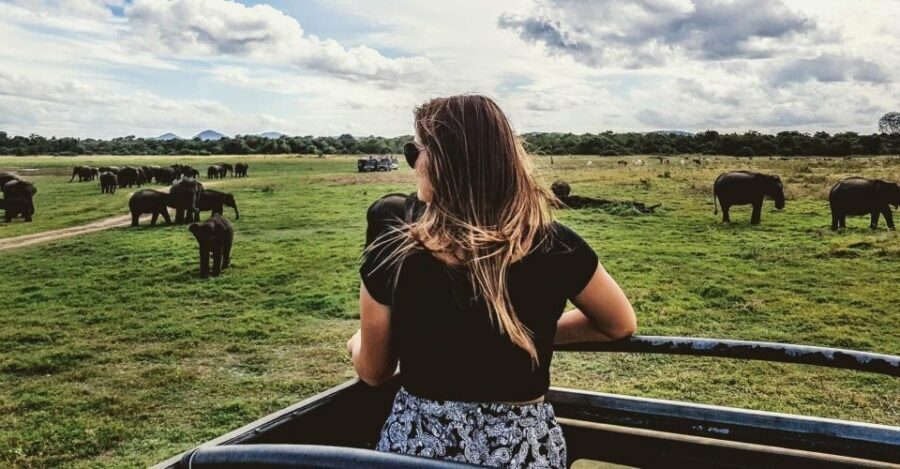
This Udawalawe + Transit Home day trip is ideal if:
- You want wild elephants as the main event
- You like a guided safari where someone else handles spotting and positioning
- You want both excitement in the park and a meaningful conservation stop after
- You’re based on the south coast and want one-day logistics with hotel pickup
It might be less ideal if:
- You’re very sensitive to rough roads and motion sickness
- You need a fully unhurried schedule (early pickup and park driving can take over the day)
- You don’t want to pay extra on the day for park and transit home entry fees
If you’re traveling with kids, it can still work, but this kind of safari is long, early, and wildlife-waiting heavy. The tone of the experience matters, so choose the option that best matches your family’s patience and comfort with early mornings.
Should You Book This Udawalawe Safari?
If your goal is to see elephants in the wild without turning your trip into a scavenger hunt for permits, jeeps, and timings, this is a strong bet. The combination of Udawalawe jeep safari plus a scheduled visit to Elephant Transit Home feeding time gives you two distinct experiences in one day: natural behavior and conservation in action.
Book it if:
- You’re okay paying park and transit home entry fees on top of the package price
- You want a guide-driven day with active wildlife spotting
- Early start times don’t ruin your vacation vibe
Hold off or rethink if:
- You’re motion-sickness-prone and don’t plan for it
- You’re hoping for food to be included
- You’re looking for a super relaxed schedule with no early wake-up
FAQ
FAQ
What’s included in the Udawalawe safari package?
The package includes hotel pickup and drop-off from several south-coast areas, transportation by air-conditioned vehicle, a jeep safari at Udawalawe National Park, a driver/guide, and highway toll charges.
What’s not included in the price?
Udawalawe National Park entry fees (about 36 USD), Elephant Transit Home entry fees (about 6 USD), and food and drinks are not included.
Where do pickup and drop-off happen?
Pickup and drop-off are available from Hikkaduwa, Galle, Unawatuna, Thalpe, Habaraduwa, Ahangama, Weligama, Mirissa, Matara, Hiriketiya, and Tangalle areas.
How long is the tour?
The duration is listed as 3 to 8 hours, depending on the starting time option.
What vehicle do you use for the safari?
You travel through Udawalawe National Park in a customized 4×4 jeep.
What time is Elephant Transit Home visit?
The Elephant Transit Home is visited during one of these feeding times: 10:30 AM, 2:30 PM, or 6:00 PM.
Are the guides available in English?
Yes, the live tour guide is listed as English.
Is the group size small?
Small group availability is mentioned.
Do I get to cancel for free?
Free cancellation is listed, with full refund if you cancel up to 24 hours in advance.
Is food provided during the day?
No, food and drinks are not included.