REVIEW · HIKKADUWA
Udawalawa National Park Safari trip from Hikkaduwa/Galle/Weligama
Book on Viator →Operated by Travelhikka tours Sri Lanka · Bookable on Viator
Udawalawe is one of Sri Lanka’s easiest wildlife days. You get a focused safari drive in a park known for elephants, water birds, and real chances to see big animals near the park’s water sources. It’s also built for comfort, with hotel pickup and an A/C vehicle helping you start the day without suffering.
What I like most is the straightforward plan: you’re picked up around 3:00am (morning session), reach the park by 6:00am, and spend your prime viewing hours where the animals are active. Second, I really like the balance of wildlife and meaning: the park is tied to conservation through the Udawalawe Elephant Orphanage and the Udawalawe Tank as a key water point for animals and birds.
One thing to keep in mind: the listed price doesn’t cover everything. National park entrance tickets and the safari jeep fee are listed as not included, and food/drinks aren’t included either. So your real total will depend on what you need to pay at the park or on the day.
In This Review
- Key Highlights You’ll Actually Care About
- Udawalawe Safari: Why This Park Works
- Starting From Hikkaduwa, Galle, or Weligama (How the Timing Feels)
- Your Udawalawe Safari Drive: What to Look For
- The Other Half: Lunch and the Elephant Transit Home Option
- Price and Logistics: What the $48 Actually Covers
- What It’s Like as a Private Group Safari
- Practical Tips for a Smooth Udawalawe Day
- Who Should Book This Udawalawe Jeep Safari
- Should You Book This Udawalawe Safari From the South Coast?
- FAQ
- Where does pickup happen for the Udawalawe safari?
- What time do you reach Udawalawe National Park on the morning session?
- How long is the tour?
- Is this tour private?
- Are national park entrance tickets included?
- Is the safari jeep fee included?
- Is lunch included?
- Can I visit the Elephant Transit Home?
- What if weather is poor?
- What’s the cancellation window?
Key Highlights You’ll Actually Care About
- Early 3:00am pickup with a 6:00am park arrival for prime wildlife time
- Private group setup so your safari rhythm isn’t shared with strangers
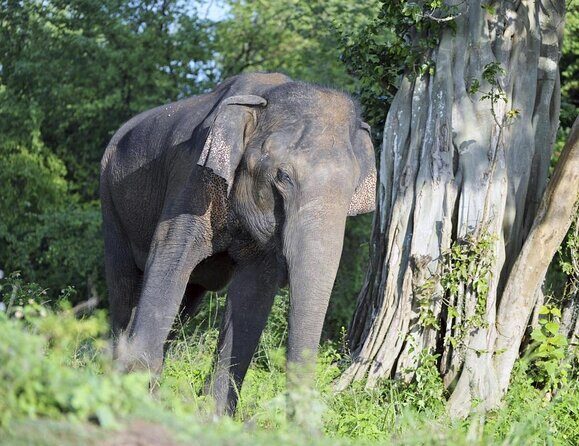
- Elephants plus water birds are the main draw, with over 150 bird species recorded in the area
- Udawalawe Tank as a practical reason wildlife gathers there
- Optional Udawalawe Elephant Transit Home to connect sightings with conservation
- A/C vehicle and bottled water make the long transfer feel less painful
Udawalawe Safari: Why This Park Works
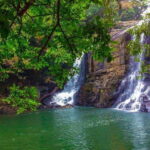
Udawalawe National Park is the kind of place where wildlife spotting isn’t just luck. The park’s big magnet is water. The Udawalawe Tank is a crucial water source for animals and birds, and that means you’re not just driving randomly through scrub. You’re spending time in a landscape that animals repeatedly need—so your odds of seeing something worthwhile tend to be better than in parks where water is scarce.
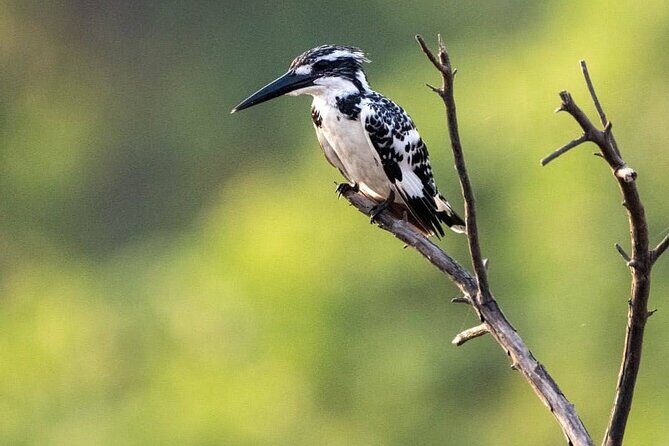
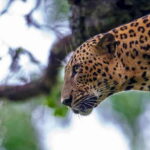
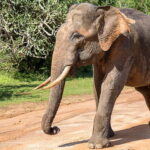
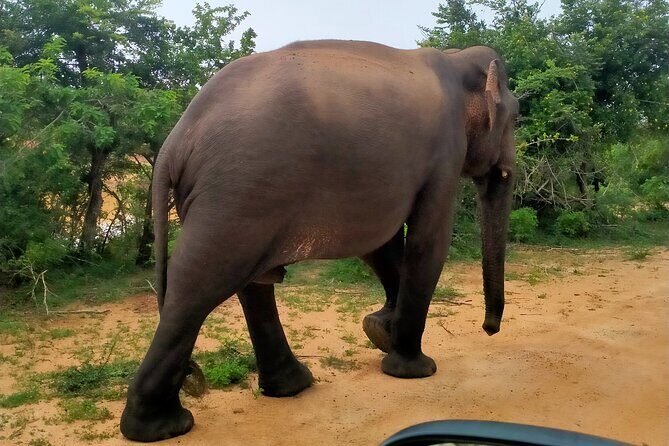
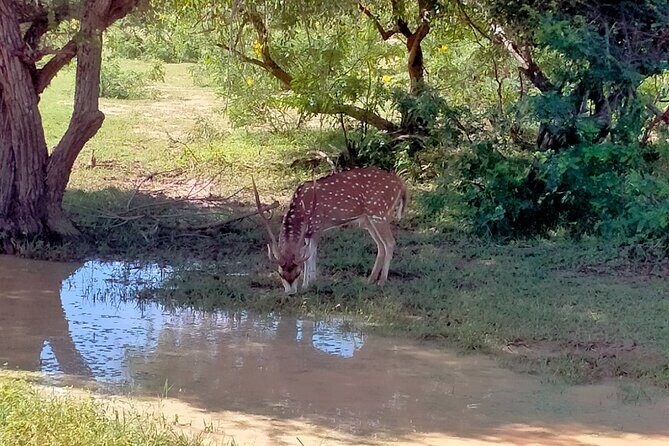
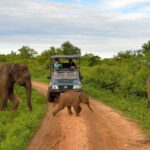
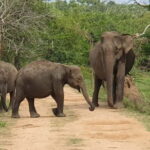
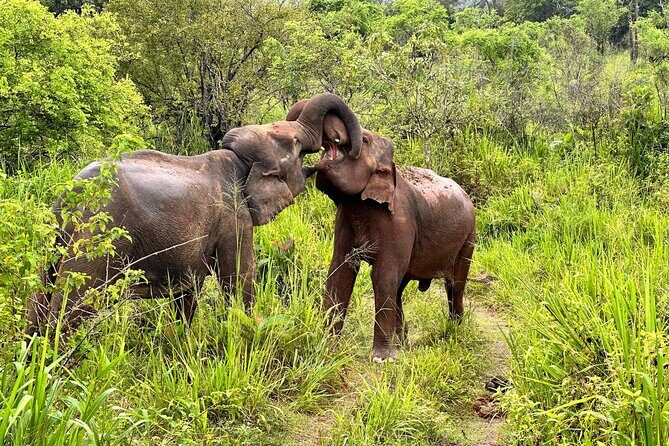
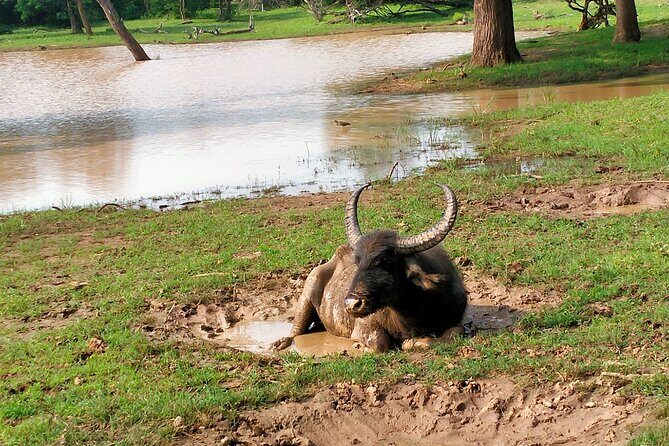
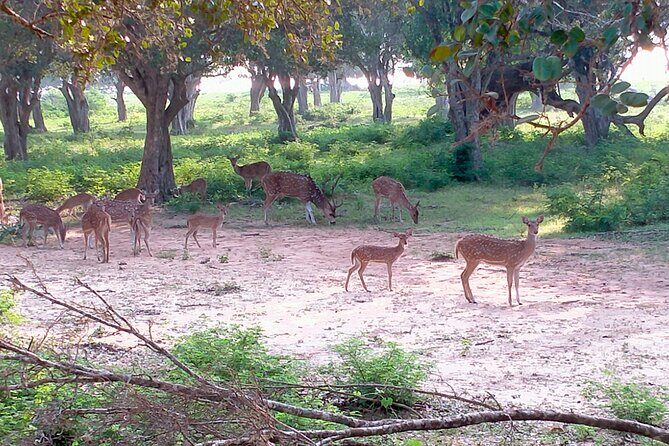
This is also one of the best Sri Lanka safari picks for viewers who want variety. You go for Sri Lankan elephants, but you can also encounter sambar deer, wild boar, water buffalo, crocodiles, and sometimes sloth bears. The park is even known for water birds, and there are over 150 species recorded in the area—so even on days when you’re not locking onto elephant sightings every minute, the birdlife and smaller wildlife still keep you busy.
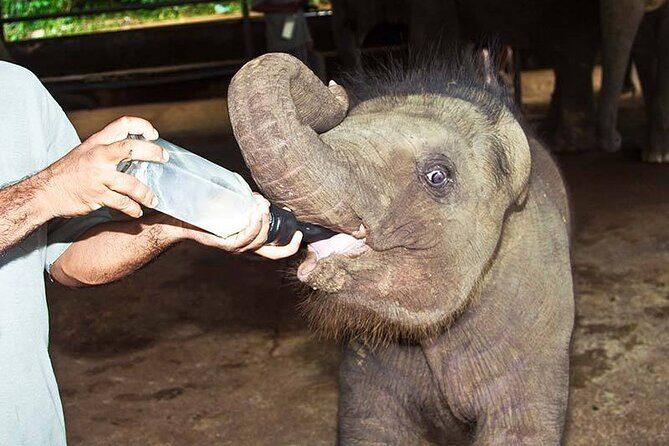
Then there’s the human side of the story. Udawalawe is linked to elephant rehabilitation efforts through the Udawalawe Elephant Orphanage (often described in tour schedules as an elephant transit home visit). You get a chance to match what you see in the wild with what’s being done for elephants that need help.
Other Galle tours we've reviewed in Hikkaduwa
Starting From Hikkaduwa, Galle, or Weligama (How the Timing Feels)
This trip is built for people staying in the Hikkaduwa / Galle / Weligama area. You’re not stuck getting to a distant meeting point alone. Pickup is from your hotel in Hikkaduwa, or you can join from the wider nearby coast range: Benthota to Misrissa.
For the morning session, the schedule is early: pickup around 3:00am, then you reach the park around 6:00am. That early departure is the point. You avoid later traffic and get more hours before the day gets hot and visibility gets tricky. It also helps your brain switch into safari mode fast—grab a little rest, bring a warm layer for the morning chill, and let the drive do its job.
A second practical detail: you’re traveling in an air-conditioned vehicle with bottled water. On a long safari day, this matters more than people expect. It keeps you comfortable enough to stay alert when you finally step into the park’s viewing rhythm.
One note: the tour is listed as about 10 hours total (approx.). Plan that your day is essentially “full day logistics,” even if the safari portion feels like the headline. If you hate wasting time in vehicles, you’ll still want to do this one because the payoff is time in the park.
Your Udawalawe Safari Drive: What to Look For
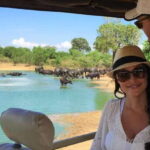
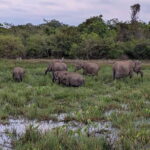
When the safari gets going, the park’s key draw is simple: wildlife gathers around the places that support life, and water is that central theme. The Udawalawe Tank is often a major focus because it’s a dependable water point for elephants and birds. If you see birds first, that’s not a distraction—it’s often a sign you’re close to a vital resource.
Here’s what I’d keep your eyes trained on during the drive:
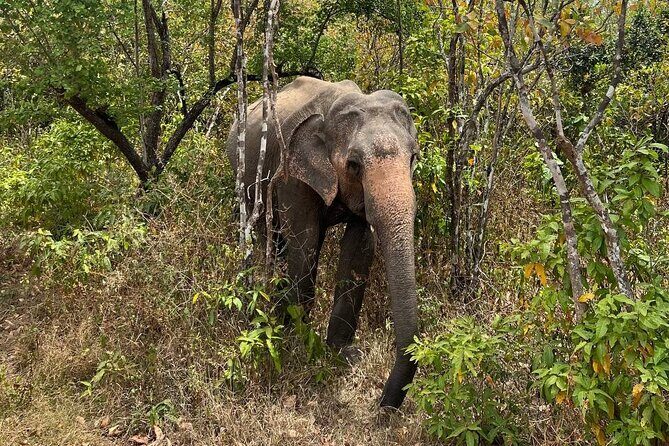
- Elephants (the headline): Look for family groups and their movement patterns—how they pause, drink, or move toward open areas.
- Water birds: The park’s bird numbers are a strong reason to keep scanning even when you don’t spot elephants immediately. Over 150 species are recorded here, so you’re not just hunting one type.
- Crocodiles: If you get eyes on water edges or slower zones, keep watch. Crocs can blend in, so patient looking pays off.
- Deer and wild boar: These animals often show up near cover and open edges where visibility shifts.
The tour is designed as a private tour/activity, meaning your group goes with your driver for the experience. That can change the feel of the day. You’re less likely to deal with stop-start energy from larger mixed groups, and you can adapt your pace to what you’re seeing—within the normal limits of a safari drive.
Also remember: not every sighting is guaranteed. Udawalawe is known for specific animals, but wildlife is still wildlife. Your best approach is simple: slow down mentally. Spend time watching, not just photographing.
The Other Half: Lunch and the Elephant Transit Home Option
After the safari drive, you’ll continue the day with lunch in Udawalawe. The schedule includes it, but food and drinks are listed as not included, so you should budget for meals separately or plan how that works with your booking.
This is a good moment to reset. Safari drives are intense on your attention. A proper meal helps you stay comfortable through the later part of the day, especially if you’re doing the full schedule and not just rushing back to the coast.
Then comes the optional conservation stop: the Udawalawe Elephant Transit Home. If you choose it, you’ll shift from the thrill of spotting animals to understanding what happens when elephants need help. The park area is known for rehabilitation efforts (often connected to orphaned or injured elephants), and this kind of stop gives context to your safari experience. Even if your main goal is wildlife photos, this is one of those “the meaning sticks” add-ons—because it explains why the elephants you saw aren’t just a postcard subject.
Because it’s listed as optional, your best move is to decide based on your travel style:
- If you like conservation context, go for it.
- If you just want the safari and don’t care about facilities, skip and use the extra time to rest.
Price and Logistics: What the $48 Actually Covers
At $48.00 per person, this trip is priced to feel accessible—especially because hotel pickup and drop-off are included, plus bottled water, parking fees, and an air-conditioned vehicle. That’s real value. Long transfers are where budget tours often fail you. Here, at least the essentials are handled.
But the fine print matters, because these items are listed as not included:
- National Park entrance tickets
- Safari Jeep fee
- Food and drinks
So think of the $48 as “transport + arrangement,” not necessarily “everything from your hotel gate to your last snack.” When you total it up, confirm what you’ll pay on-site and what the safari jeep cost looks like for your specific session. A helpful way to check before you go: ask whether the “Safari Jeep fee” is charged separately at booking or on arrival.
Good news: the tour info notes no hidden chargers. That’s reassuring, but you still want clarity on the items that are explicitly listed as not included.
One more small practical point: this is a group discount type of setup, and it’s often booked about 9 days in advance on average. If you’re traveling during busier periods, don’t wait until the last minute.
Other Udawalawe safari tours we've reviewed in Hikkaduwa
What It’s Like as a Private Group Safari
“Private” changes the whole vibe for a wildlife day. Your group is just you, not a mix of different schedules and different interests. That tends to help with two things:
- Your timing stays smoother when you hit a good wildlife moment.
- You spend less energy coordinating with strangers.
Your driver is central to the experience. The tour info describes a pickup, a park arrival, and the safari experience with your group. That means you should take advantage of the drive time. Ask simple questions like where the sightings have been strong (today, recently, generally). You’re not looking for fancy storytelling—you want practical guidance.
Also, keep expectations grounded. The tour can’t guarantee specific animal sightings, and safari timing is influenced by animal movement, park routines, and weather. But Udawalawe is structured around water and habitats that support wildlife year-round, so you’re not going into this blind.
Practical Tips for a Smooth Udawalawe Day
If you want this day to feel easy, plan for the realities of an early safari.
Bring a warm layer for the morning pickup. Even if Sri Lanka feels warm later, early starts can be cool.
Wear long, comfortable clothes. You’ll be in a safari setting where sun, heat, and roadside dust can become a factor. Long sleeves also help with insect irritation.
Pack small essentials: sunscreen, sunglasses, and something to keep your phone/camera protected. You’ll be looking for birds, elephants, and everything in between—so you want your gear ready.
Stay patient with scanning. Udawalawe’s wildlife isn’t always right in the open. If you see birds first, that’s still useful. If you don’t see an elephant immediately, don’t waste your energy getting frustrated. Water sources and animal routes take time.
Finally, keep a flexible mindset about the schedule. The tour runs on a tight time window—especially on the morning session—so your best strategy is to go with the flow and let the driver handle the pacing.
Who Should Book This Udawalawe Jeep Safari
This trip is a strong fit if you:
- Want elephants and water birds in one focused safari day
- Are staying around Hikkaduwa, Galle, or Weligama and want pickup handled
- Prefer a private group over crowded tours
- Like the idea of an optional conservation add-on at the Elephant Transit Home
It may be less ideal if you:
- Hate very early mornings (pickup is around 3:00am for the morning session)
- Want a fully “all-in” price with no extra costs (park entrance, jeep fee, and food/drinks are listed as not included)
- Only want a short outing without any long vehicle time (this runs about 10 hours total)
Should You Book This Udawalawe Safari From the South Coast?
If your priority is a practical, wildlife-first day with comfort and pickup from the southern coast, I’d say yes, book it—with one condition: verify your total costs up front. The $48 rate looks reasonable for transport and arrangement, but national park entrance tickets and the safari jeep fee can change your final number, and meals are separate.
The biggest reasons to feel confident are the structure and focus: early timing to reach the park around 6:00am, a park known for elephants and water birds, and the chance to connect sightings with elephant rehabilitation through the Elephant Transit Home (optional).
If you can handle an early start and you’re okay budgeting for park fees and lunch, this is a smart way to see Udawalawe without adding extra travel stress.
FAQ
Where does pickup happen for the Udawalawe safari?
Pickup is available from Hikkaduwa, and also from nearby destinations along the coast including Benthota to Misrissa.
What time do you reach Udawalawe National Park on the morning session?
On the morning session, you’re picked up around 3:00am and reach the park around 6:00am.
How long is the tour?
The experience is listed as approximately 10 hours.
Is this tour private?
Yes. It’s described as a private tour/activity, and only your group participates.
Are national park entrance tickets included?
No. National Park entrance tickets are listed as not included.
Is the safari jeep fee included?
No. Safari Jeep Fee is listed as not included.
Is lunch included?
Lunch is mentioned as part of the plan, but food and drinks are listed as not included, so you should expect to pay for meals.
Can I visit the Elephant Transit Home?
Yes, the visit to the Udawalawe Elephant Transit Home is listed as optional.
What if weather is poor?
The experience requires good weather. If it’s canceled due to poor weather, you’ll be offered a different date or a full refund.
What’s the cancellation window?
You can cancel up to 24 hours in advance for a full refund.