REVIEW · GALLE
Galle: Traditional Sri Lankan Cooking Class
Book on GetYourGuide →Operated by Ceylon Eco Love Tours · Bookable on GetYourGuide
Spices teach faster than textbooks. In Galle (Kotapola), you cook in a real household kitchen and learn Sri Lankan flavors with the help of the family.
What I like most is the hands-on prep plus clear teaching on why ingredients matter. You’ll also get a proper meal at the end, including desserts, made from what you prepare.
The best part is the family energy: hosts like Malik (and his mother) are warm, and some sessions are led by a chef named Manogi. The meal lands hard, too. One person even notes finishing with buffalo curd and treacle.
The only drawback to plan for: this is not a slow, step-by-step solo cooking marathon. You’ll assist with things like cutting, adding spices, and even some shopping, while the chef does the main cooking—great for many people, but not ideal if you want to do everything yourself for hours.
In This Review
- Key things you’ll notice right away
- Kotapola cooking in a family kitchen near Galle
- What the 3-hour session feels like (and how to enjoy it)
- Learning Sri Lankan spice logic (the part you’ll reuse at home)
- The menu outcome: what you’ll cook, then eat
- Dietary requests and allergies: how to get it right
- Price vs. what you actually get for $40
- Meeting point and on-the-ground logistics (what to plan)
- Who should book this cooking class?
- The cultural payoff: why this feels different
- Should you book Galle traditional cooking in Kotapola?
- FAQ
- Where is the cooking class located?
- How long is the class?
- How much does it cost?
- Is the instructor able to teach in English?
- Is it a private group or shared class?
- What’s included in the price?
- What is not included?
- How do I find the meeting point?
- Are there dietary options?
- Do I need to arrive early?
- Is it wheelchair accessible?
- Can I cancel and get a refund?
Key things you’ll notice right away
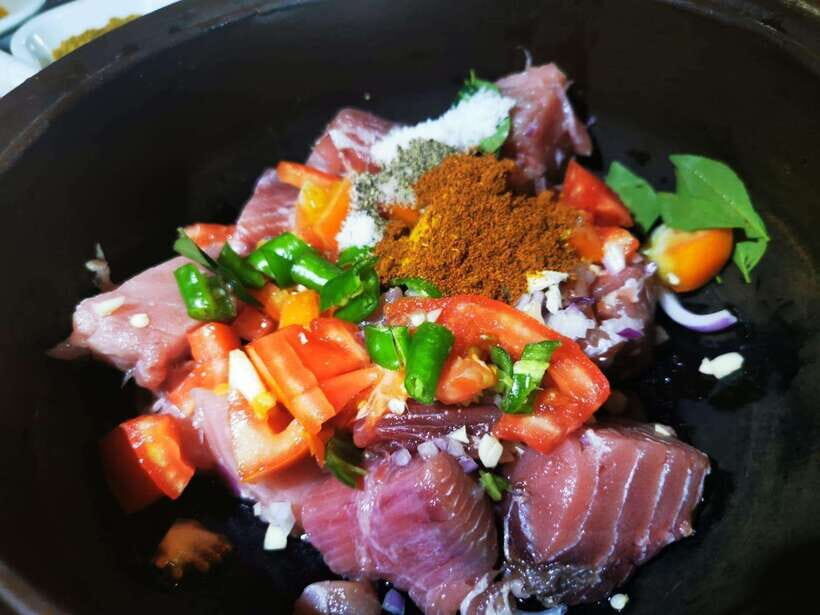
- A real home kitchen in Kotapola, not a showroom studio
- Spice-mix learning, including how to build flavor with Sri Lankan staples
- Chef-led pace, where you help with prep but the cooking may move quickly
- A full meal included (lunch or dinner) plus desserts
- English instruction with a private group format for a more personal experience
- Dietary requests possible, including vegan options if you ask in advance
Kotapola cooking in a family kitchen near Galle
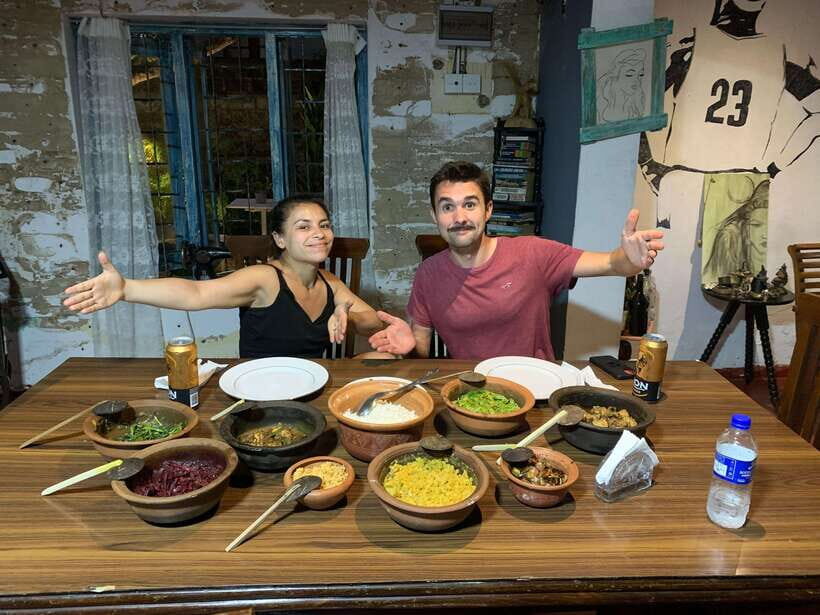
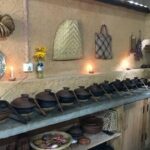
If you’re in Sri Lanka and you want more than a food tour, this class works because it’s built around how Sri Lankan cooking happens at home. The experience takes place in Kotapola, close to Galle, and you’re welcomed into a local kitchen rather than a polished “tour kitchen.” That difference matters. In a home setup, you see the flow: spices out where they’re used, ingredients handled like daily life, and conversation that explains what you’re tasting.
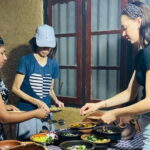
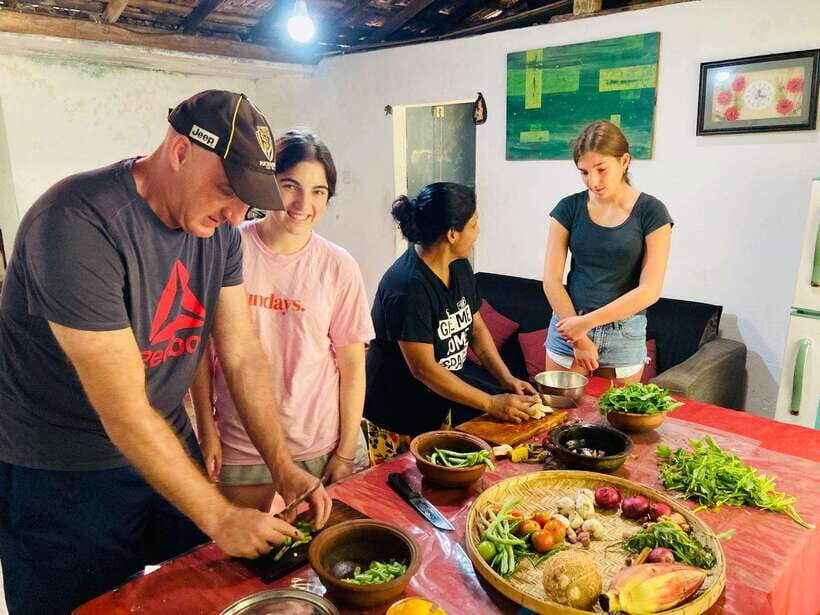
I especially like that you’re not just told what to do. You participate. Expect to wash, cut, measure, and add spices with guidance, then sit down to eat the results. You’re also given context—what certain ingredients are, and why they show up again and again in Sri Lankan meals. That makes the dishes feel less random and more like part of a recognizable system.
And yes, English is supported. Many classes like this can feel slow if you can’t follow the explanation, but the instruction here is offered in English, so you can keep up with what’s happening in the kitchen.
Other Galle tours we've reviewed in Galle


What the 3-hour session feels like (and how to enjoy it)
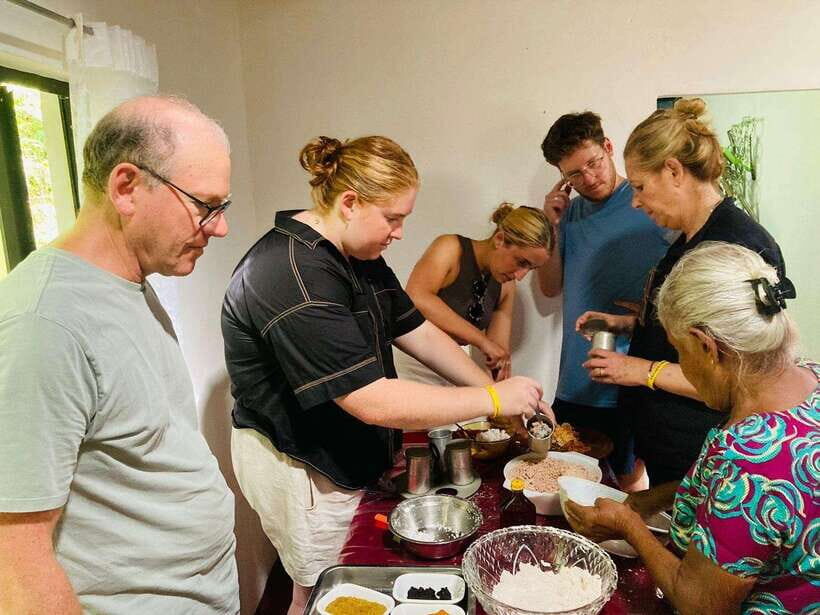
This is a focused 3-hour block. The goal isn’t to keep you busy with tiny tasks for every minute. It’s to get you to a point where you understand the core cooking moves and then eat a meal you made.
Here’s the pacing you should expect:
- You arrive, get welcomed, and start with a drink before cooking begins.
- You’ll learn the ingredients and how they’re used, including cultural notes around the flavor elements.
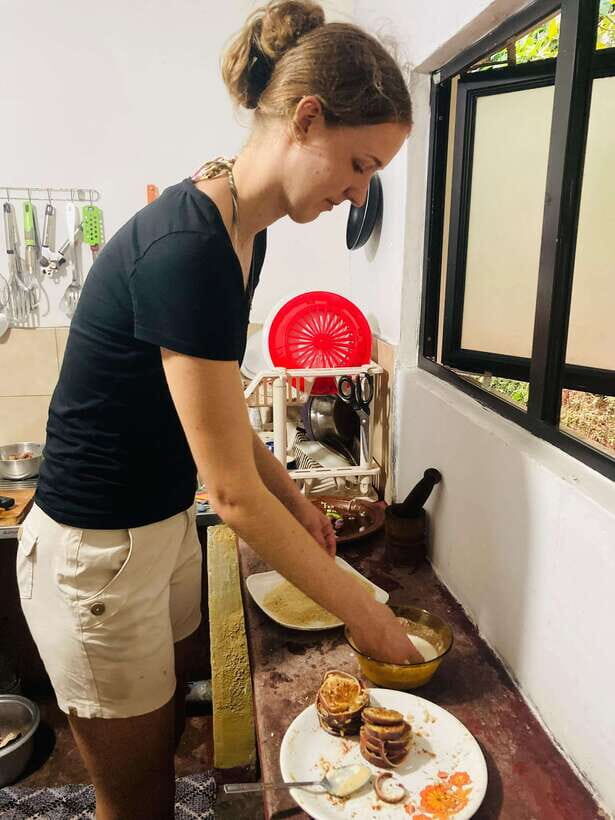
- You’ll do practical work—cutting ingredients, assisting with adding spices, and sometimes helping with shopping steps (the exact amount of shopping varies by flow, but you can expect some participation beyond just standing there).
- A chef handles the main cooking. You assist, taste, and learn the reasoning behind each stage.
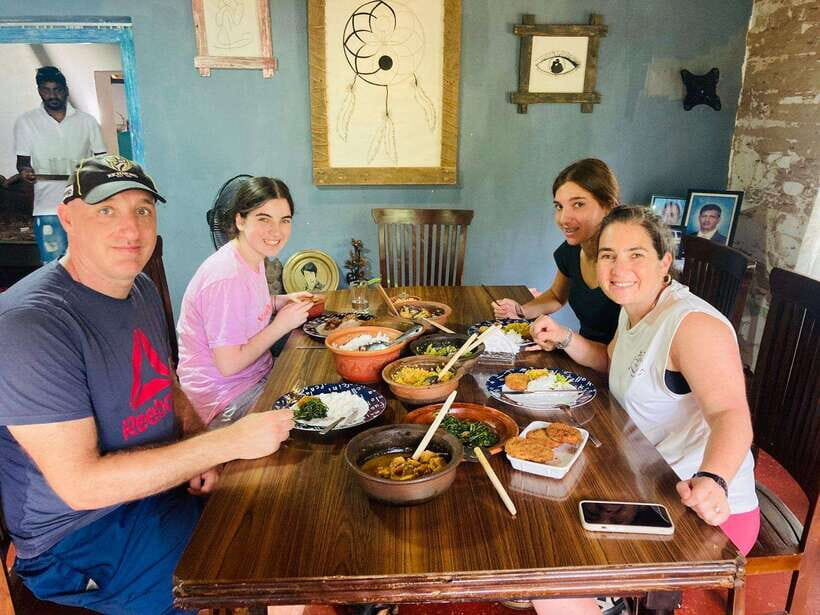
- At the end, you eat lunch or dinner made from your class work.
- Dessert is included, and it can be something sweet and Sri Lankan; one review mentions buffalo curd with treacle as an after-meal treat.
This structure is ideal if you want a satisfying outcome without spending the entire day in the kitchen. But it’s also the main consideration: if your dream is to cook every step slowly and independently, you might feel the pace is too quick. The upside is that you leave with completed dishes and real know-how about spice combinations, not just a few samples.
Also plan your timing smart. One clear tip: don’t eat breakfast or lunch beforehand. If you come hungry, the cooking work and then the meal feel like a reward, not a chore.
Learning Sri Lankan spice logic (the part you’ll reuse at home)
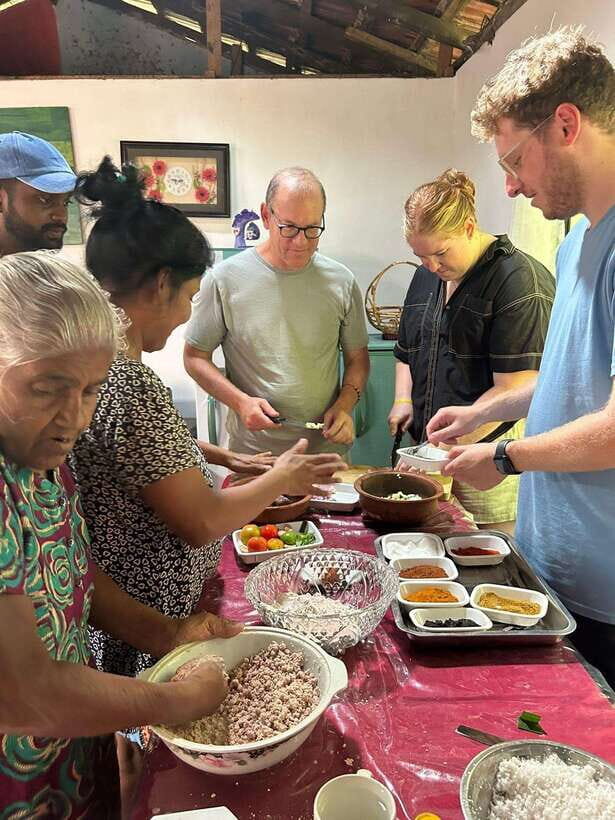
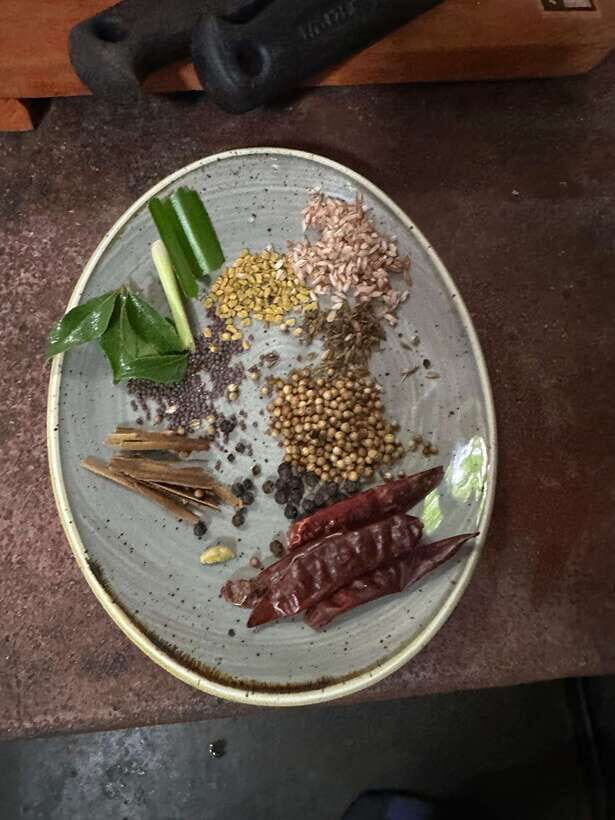
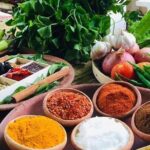
Sri Lankan cooking often starts with a spice mix mindset—layering aromatics, heat, and depth. This class leans into that, not just the final dish. One of the most praised moments is learning how spice mixes are made and used, and that you get explanations while you’re working.
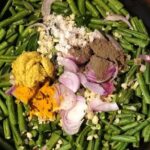
You’re guided through how the flavors build, and you get exposed to the idea that spices aren’t only for heat. They’re for aroma, balance, and structure. You’ll likely handle ingredients like spices and fresh produce that show up in Sri Lankan everyday cooking—think tropical vegetables and spice-heavy combinations.
And you’re not learning this in a vacuum. The class connects ingredients to their cultural role in Sri Lankan food. That’s what makes a home recipe more possible later. When you understand what a spice blend is trying to do, you can adjust it for your own pantry back home.
If you’re a food person who loves learning technique, this is where the class pays off. You get a sense of the flavor “system,” not just a list of ingredients.
The menu outcome: what you’ll cook, then eat
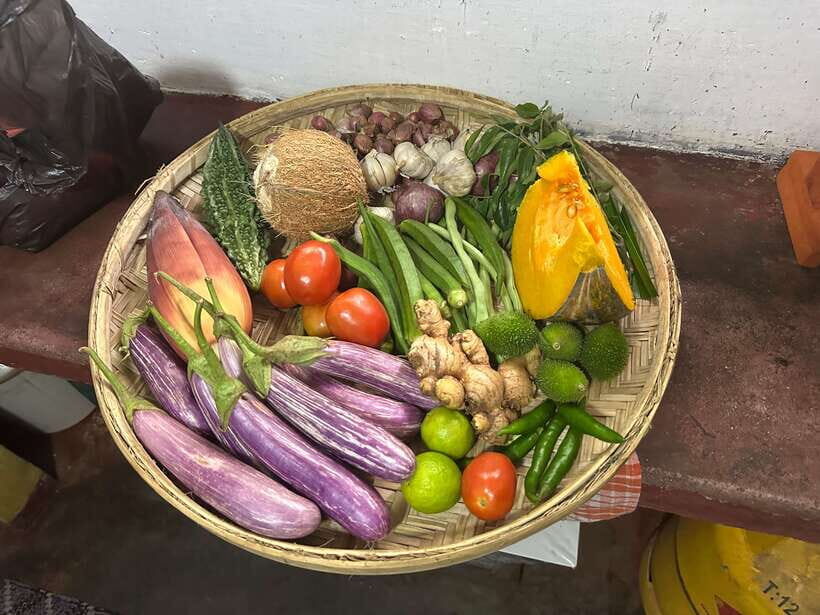
The specific number of dishes can vary, but you should expect a multiple-recipe session that ends in a full meal. In one example, a pair cooked eight different vegan dishes by request. That tells you two things:
1) You can request dietary styles in advance, and
2) The class is set up to produce a substantial spread, not just one small plate.
So what does your meal include? The class includes lunch or dinner with the prepared meal, plus desserts. You’ll taste what you make, and it should feel like a real Sri Lankan plate rather than a couple of bites.
What I like here is that you eat what the kitchen produced during class time. Food classes that skip the eating part leave you wishing for closure. Here, the meal is the point. You get that final moment where everything clicks: aroma while cooking, flavor while tasting, and then satisfaction once you’re done.
If you’re someone who measures experiences by how well you eat, this is a strong match.
Dietary requests and allergies: how to get it right
You’ll want to message your dietary needs ahead of time. The class specifically asks you to notify them in advance about dietary restrictions and allergies.
Also, vegan options are not hypothetical. One review describes cooking eight different vegan dishes when requested. That suggests the kitchen can adapt—not just swap one ingredient and call it vegan.
Two practical tips:
- If you have allergies, be clear about them when you book and again on the day, using simple language.
- If you want vegan dishes, request it early so the kitchen can plan the spice mix and cooking steps.
If you don’t mention restrictions, you should assume the default dishes may include standard Sri Lankan ingredients. The safest plan is to communicate early.
Other Sri Lankan cooking classes we've reviewed in Galle
Price vs. what you actually get for $40
At $40 per person for about 3 hours, the big question is value. Here’s how I’d judge it:
- You’re not paying just for recipes. You’re paying for instruction, ingredients, equipment, and the actual meal and desserts.
- The class includes a local culinary expert plus a welcome drink.
- You’re getting a private group setup, which tends to make teaching more direct and questions easier.
If you add up the cost of a local meal with drinks plus a guided cooking session, $40 feels reasonable—especially because the class ends with food you helped make. The experience is also hands-on, which is usually where cooking classes become worth the money.
The best value angle is that you’re learning spices and technique in a kitchen environment, then you eat a full meal rather than leaving hungry. That makes it feel like a full cultural activity, not just an add-on.
Meeting point and on-the-ground logistics (what to plan)
The meeting point is in Kotapola, and the simplest way to find it is using a map. If directions are tricky, there’s an English-speaking local who can guide you over the phone.
One practical reminder: arrive about 15 minutes early. Not 2 minutes late, not rushed. Early arrival helps you settle in, get your drink, and start cooking without stress.
Hotel pickup and drop-off are not included, so you’ll need to arrange your own way to the meeting spot. If you’re staying in Galle, factor in local transport time.
Who should book this cooking class?
This is a great fit if:
- You want to cook and eat a real Sri Lankan meal in a short time window.
- You care about spices and flavor structure, not only tasting.
- You like learning from people who cook at home and explain as they go.
- You prefer a more personal experience in a private group.
It’s less ideal if:
- You want to run the whole cooking process yourself, slowly, step by step, for the entire 3 hours.
- You prefer very formal, classroom-style instruction rather than kitchen teamwork.
- You don’t want any kitchen participation beyond watching.
Wheelchair accessibility is listed, so if mobility is a concern, it’s worth confirming details when you book—still, it’s a positive sign that accessibility is considered.
The cultural payoff: why this feels different
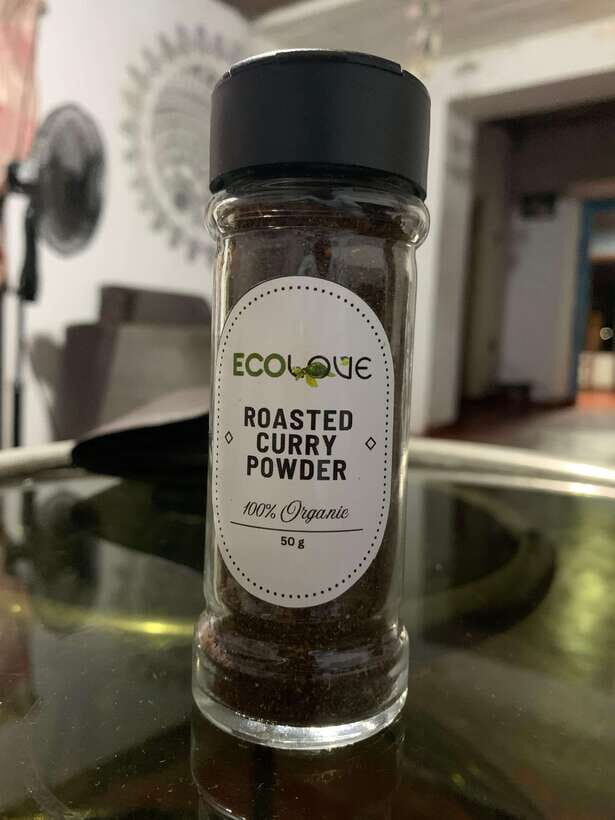
The cultural value here isn’t in a lecture. It’s in the kitchen rhythm: how spices show up, how ingredients are handled, and how meals connect to everyday life. Reviews highlight that the family hosts share stories about Sri Lankan cuisine and local culture along the way. Names that come up include Malik, his mother, and a chef named Manogi. Another person thanks hosts including Tanya (suggesting different family members may host across sessions).
That family setting matters because it changes the tone from performance to sharing. You’re not just collecting dishes; you’re learning how a household cooks.
And when you leave with the spice-mix know-how, the experience keeps paying off. You’ll remember the flavor logic the next time you cook something with curry spices and aromatics.
Should you book Galle traditional cooking in Kotapola?
I’d book it if you want a short, memorable cooking experience that ends with a proper meal and teaches spice technique in a real home kitchen. At $40 for 3 hours with ingredients, equipment, lunch or dinner, desserts, and English instruction, it’s strong value.
I’d think twice if you’re the kind of cook who gets frustrated when the chef leads the main cooking steps. This class is built for teamwork and guided participation, not total solo control.
If you go in hungry, dress for active prep, and mention dietary needs clearly, you’ll likely leave with both full stomach and useful kitchen skills.
FAQ
Where is the cooking class located?
It’s located in Kotapola, Sri Lanka, near Galle.
How long is the class?
The duration is 3 hours.
How much does it cost?
It costs $40 per person.
Is the instructor able to teach in English?
Yes, the instructor is listed as English-speaking.
Is it a private group or shared class?
It’s a private group.
What’s included in the price?
Included items are a local culinary expert, cooking ingredients and equipment, a welcome drink, lunch or dinner with the prepared meal, and desserts.
What is not included?
Hotel pickup and drop-off are not included, and personal expenses are not included.
How do I find the meeting point?
Using a map makes it easier. If you have trouble finding the place, an English-speaking local can provide directions over the phone.
Are there dietary options?
Dietary restrictions and allergies should be notified in advance. Vegan cooking is supported upon request based on past experiences.
Do I need to arrive early?
Yes. You should arrive 15 minutes before the session starts.
Is it wheelchair accessible?
Wheelchair accessibility is listed as available.
Can I cancel and get a refund?
Free cancellation is available up to 24 hours in advance for a full refund.