REVIEW · KANDY
Kandy: Authentic Food Walk with a Local
Book on GetYourGuide →Operated by Eats Kandy · Bookable on GetYourGuide
Kandy tastes better on foot. This 3.5-hour food walk turns street bites like kottu and hoppers into a story about how Sri Lanka’s flavors formed over time.
What I love most is the variety packed into just a few stops. You get to sample the classics side-by-side, from crispy-skirted street comfort to hot, tangy sambols, plus Ceylon tea and traditional sweets.
My one caution is simple: it’s a walking tour. You’ll cover a few hundred meters between food stops, with total walking not exceeding about 3 km, and it’s not suitable for wheelchair users.
In This Review
- Key points you’ll care about
- Kandy food on a simple route from KCC Mall
- What you actually eat: kottu, hoppers, dosas, sambols, tea, sweets
- A practical tip before you go
- The spice trade and colonial influences, explained through real dishes
- Stop-by-stop: how each tasting teaches you Kandy’s flavor logic
- Food Stop 1: Kottu moment
- Food Stop 2: Hoppers and that crisp-edged comfort
- Food Stop 3: Dosas with Sri Lankan-style sides
- Food Stop 4: Spicy sambols that pull the whole meal together
- Food Stop 5: Tea and traditional dessert
- Why Keith’s hosting style is a big part of the value
- Private group pacing, English guide, and a route that doesn’t wear you out
- Price and value: is $26 worth eating five stops?
- Who should book this Kandy food walk?
- What to bring, and how to get the most out of the 3.5 hours
- Should you book this Kandy food walk?
Key points you’ll care about
- 5 tasting stops built around Sri Lankan favorites (kottu, hoppers, dosas, spicy sambols) plus tea and dessert
- Vegetarian options at every stop, so you won’t be stuck eating only “safe” sides
- English live guide led by Keith, with a friendly, story-led pace
- 3 km total walking max, so you can eat a lot without turning the night into a hike
- Food history on the plate, including spice trade and Portuguese/Dutch/British influences
Kandy food on a simple route from KCC Mall
You meet at a very easy landmark: the Burger King on level 4 of the Kandy City Centre (KCC) Mall. That matters because Kandy’s streets can feel a bit labyrinth-y once you’re off the main grid. Starting at a recognizable chain spot keeps the night stress-free.
From there, the tour is built around short walks between places. The key detail is that the total walking distance stays under 3 km. You’re not stuck wandering for hours. Think: gentle city strolling, with the breaks happening because each stop is a real food stop, not a lecture pause.
If you’re coming straight from another activity, give yourself time to arrive hungry and ready. This is the kind of tour where you’ll be happier if you don’t start the night with a full stomach and a big appetite already spent.
Other Kandy tours we've reviewed in Kandy


What you actually eat: kottu, hoppers, dosas, sambols, tea, sweets
This tour is centered on the foods people come to Sri Lanka for. Over 5 food stops, you’ll taste a mix of savory plates and snacky street items, then round it out with Ceylon tea and traditional desserts.
Here’s the lineup you can count on:
- Kottu (a signature Sri Lankan street classic)
- Hoppers (often eggy, bowl-shaped, and cooked until lacy at the edges)
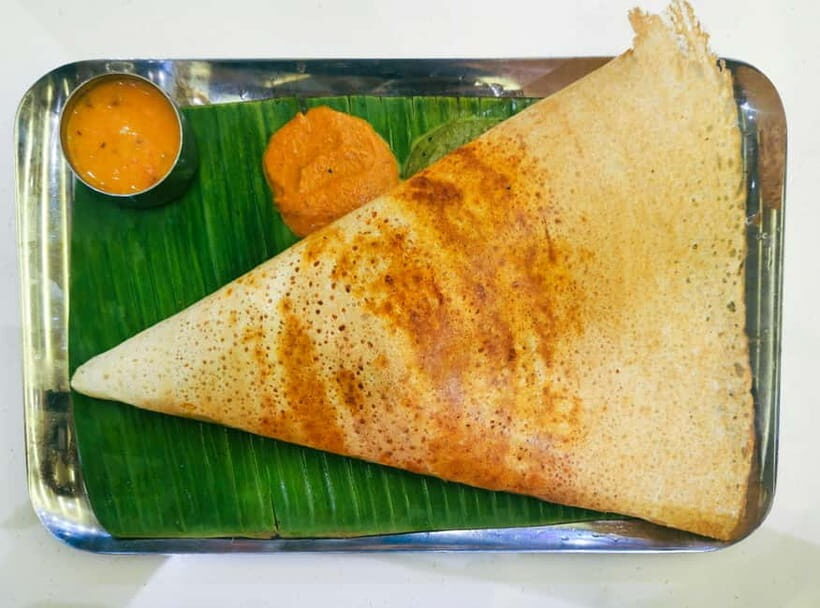
- Dosas (crisp crepe-style fare with Sri Lankan-style sides)
- Spicy sambols (the flavor kick—usually chili-lime-coconut territory)
- Ceylon tea
- Traditional desserts
The smartest part is the way the menu works as a comparison. Kandy’s cuisine isn’t one “thing.” You’ll taste how textures differ—crispy versus soft, savory versus sweet—and how sambols make everything feel more alive.
Also, you’ll have vegetarian options at every stop. That’s not a “maybe they can do it.” It’s built into the tour format.
A practical tip before you go
Expect that “spicy” can be intense in Sri Lankan food. Even if you don’t go full heat-hero mode, it’s still worth tasting a small amount. Sambols are one of those foods where the point is balance: heat plus acid plus fragrant seasoning.
The spice trade and colonial influences, explained through real dishes
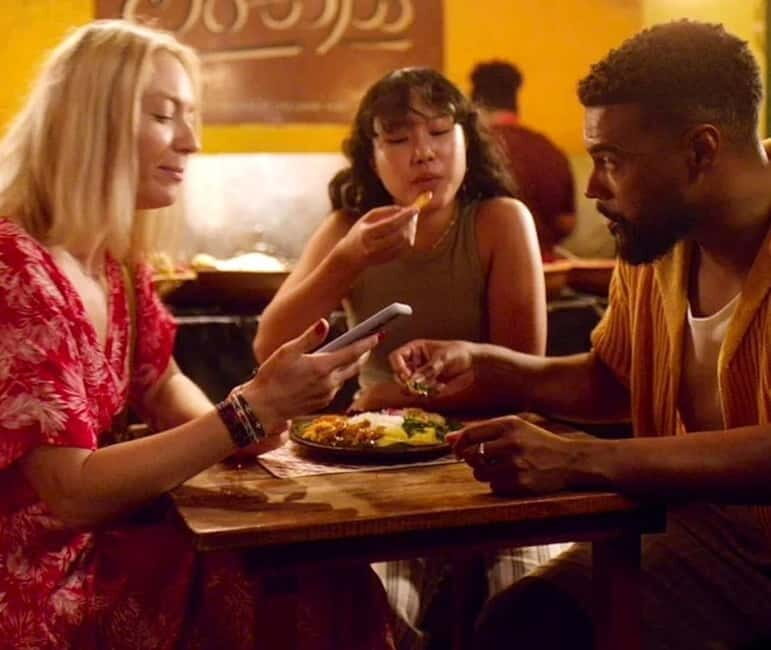
This isn’t a food tour that treats history like a museum script. The guide’s role is to connect what you’re eating to why it ended up tasting the way it does.
You’ll hear how:
- the spice trade shaped Sri Lanka’s role in global shipping routes
- the island’s position along the Maritime Silk Road helped bring in ingredients, techniques, and flavors
- colonial influences from the Portuguese, Dutch, and British helped create a fusion of tastes
The value here is that you’re not learning history as dates. You’re learning it as cause-and-effect. For example, when you taste something that feels like street food but also has deeper layers of flavor, that’s where the “how did this get here?” story makes sense.
And it helps you eat with better attention. Once you understand how old trade routes and colonial mixing affected spice and cooking styles, you start noticing flavor patterns instead of just thinking, This is good.
Stop-by-stop: how each tasting teaches you Kandy’s flavor logic
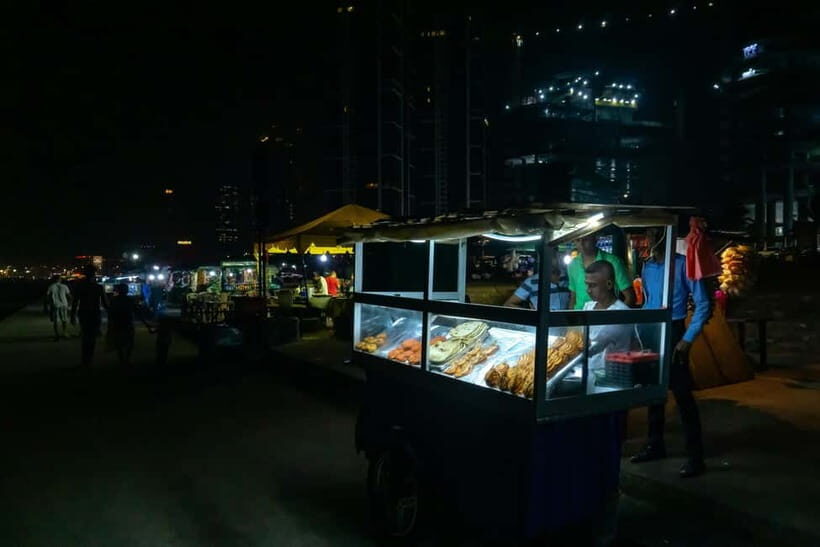
Because the tour is structured around 5 food stops, it’s easy to think of it as five bites. But I like how it actually works as a small education in texture, spice, and sweet finishing.





Food Stop 1: Kottu moment
Kottu is often the one that makes people sit up and pay attention. It’s street food energy: hot, savory, and usually served with a mix of flavors that feel bold even if you’re not chasing spice.
What this stop does for you: it sets the baseline for how Sri Lankan cooking can feel both comforting and punchy. If you’re the type who orders the same dish in every country, this is your reminder to taste bravely.
Food Stop 2: Hoppers and that crisp-edged comfort
Hoppers bring the contrast. Where kottu leans savory and lively, hoppers tend to feel more delicate—cooked in a way that gives you a crisp edge and a softer center.
Why it matters on this tour: it helps you understand why Sri Lanka’s food doesn’t all taste the same. Different cooking methods shape the flavor experience, not just the ingredients.
Food Stop 3: Dosas with Sri Lankan-style sides
Dosas are familiar to many visitors, but you’re tasting them in a Sri Lankan setting. That means the sides, spice levels, and overall balance can feel different from what you might expect elsewhere.
What I’d watch for: how the sambol flavors interact with whatever filling or condiment you’re given. Dosas are a great “flavor sponge.” They show you how the cuisine builds layered taste instead of relying on one note.
Food Stop 4: Spicy sambols that pull the whole meal together
This is where the tour gets fun fast. Sambols are often the missing element in how people think about Sri Lankan food: not just heat, but a mix of tangy, aromatic, and creamy notes—usually with chili playing lead.
On a walk like this, sambols also do something practical: they “wake up” your palate between stops so you can keep tasting without dulling out.
Food Stop 5: Tea and traditional dessert
The end of the night matters. You get Ceylon tea, then traditional dessert to finish the flavor story.
This last part is more than sweet relief. It’s how you learn the arc of the cuisine: savory street foods, spiced balancing acts, then a gentle shift into tea-and-sweets comfort.
If you’re someone who usually skips dessert because you’re full, plan for at least a small bite. Traditional desserts are part of the experience here, not an optional add-on.
Why Keith’s hosting style is a big part of the value
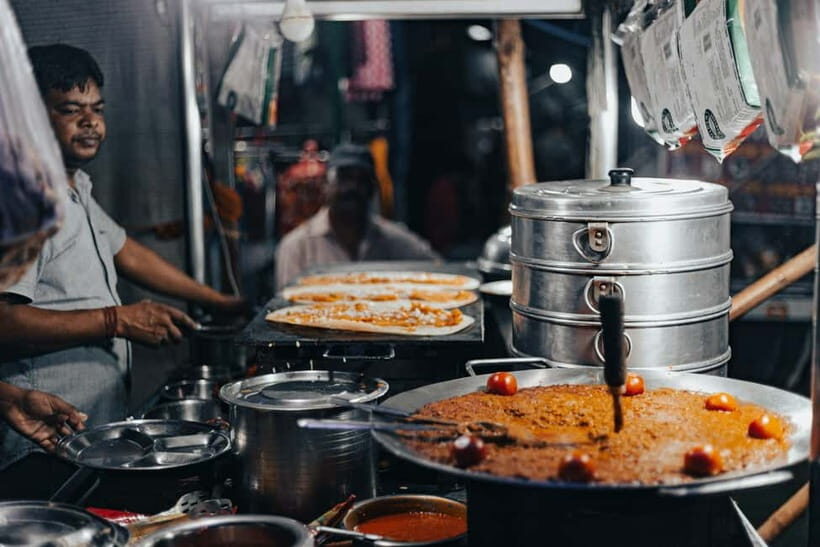
This tour is live-led by an English-speaking guide, and Keith is the name that shows up again and again in the feedback. The common theme is energy plus clarity: he explains what you’re eating and why it matters, and he does it in a way that feels like friendly dinner conversation rather than a classroom.
That matters for you if you want more than “order and eat.” Food tours can turn into a rushed lineup. Here, the guide’s job is to slow the experience down just enough so you remember what you tasted and connect it to the bigger picture.
Keith also seems to pay attention to making the night easy. Some past participants note he went out of his way with extra local suggestions, and a few mention help getting back after the tour. That’s the kind of small extra care that turns a basic walking meal into something more like a proper night out with a local.
Private group pacing, English guide, and a route that doesn’t wear you out
The tour is a private group experience, which changes the feel. You’re not squeezed into a loud crowd where questions die on the spot. It also helps the pace stay human.
It’s also in English, so you’re not stuck decoding menus with a shrug. The point of this tour is to understand what’s in front of you, and language matters.
Timing is a sweet spot: 3.5 hours. Long enough to do real tastings across multiple places. Short enough that you still have energy for other Kandy plans afterward.
Just remember the physical side: walking tour, total up to about 3 km. If you’re someone who gets uncomfortable after long standing or frequent steps, wear comfortable shoes. You’ll be glad you did.
Price and value: is $26 worth eating five stops?
At $26 per person for about 3.5 hours and 5 food stops (meals and drinks included, with options varying), the value is strongest if you look at the tour as buying access to good choices, not just paying for food.
Here’s why that price tends to make sense:
- You’re not guessing where to eat. The tastings are the point, not random restaurant roulette.
- You’re getting multiple classic dishes in one go, including items many first-time visitors struggle to order confidently.
- You’re receiving the “why,” tying food to spice routes and colonial influences.
- You get vegetarian options at every stop, which can be hard to guarantee on less structured tours.
If you’re a serious foodie, this is a fast way to build a shortlist of flavors to chase later in your trip. If you’re not a foodie, it still works because you’re tasting recognizable staples in a guide-led format that keeps the night organized.
The only way it wouldn’t feel like value is if you already know every dish you want and you feel comfortable hunting down the best places on your own. In that case, you might skip the guide. But most people in Kandy benefit from having someone choose well and explain what to look for.
Who should book this Kandy food walk?
This is a great fit if:
- you want a first-night or first-days introduction to Kandy’s cuisine
- you’re curious about how Sri Lankan flavors connect to spice trade and colonial mixing
- you want a guide who keeps things understandable and fun, like Keith’s hosting style
It’s not the best fit if:
- you use a wheelchair (it’s not suitable for wheelchair users)
- you don’t want to do any walking at night
- you hate spicy flavors entirely (you can still participate, but sambols are part of the core plan)
What to bring, and how to get the most out of the 3.5 hours
Keep it simple:
- Wear comfortable shoes for the short walk between spots.
- Come hungry. That’s stated for a reason: you’re tasting multiple dishes, tea, and dessert.
- Pace yourself. If one stop hits with spice or richness, give your palate a moment before the next one.
Also, treat this as a learning night. If you taste something you like, ask about what it is and what flavors drive it. That turns the food tour from a list of dishes into a set of personal preferences you can use later.
Should you book this Kandy food walk?
I’d book it if you want a structured, English-led way to try Kandy’s main Sri Lankan classics without wasting time. Five stops plus tea and dessert, with vegetarian options at every stop, makes it a strong value for a 3.5-hour night.
If you’re very sensitive to walking or need full wheelchair access, skip it. Otherwise, go hungry, trust the guide, and use the tastings to figure out what flavors you want to seek out on your own after the tour.