REVIEW · COLOMBO
Vegan Cooking Class Colombo with Market Tour
Book on Viator →Operated by Ceylon Rustic Guide · Bookable on Viator
A market and a kitchen in one morning plan is a smart combo. What makes this one work is the pairing of a local vegetable market walk with private one-to-one instruction, so you learn both how to buy Sri Lankan ingredients and how to cook them. I also love that the menu lets you tailor choices to your tastes, not just follow a fixed script. One thing to consider: the food options listed include a few non-vegan items (like buffalo curd and a chicken curry choice), so you’ll want to confirm fully vegan versions when you book.
You start at a small, cozy villa area in Colombo’s green belt near Diyawanna Lake, then shift into market mode to learn what “good” looks like in real life. The hands-on clay-pot cooking is a practical skill you can reuse later, not just a one-time show. Plan for about 5 hours, and bring your appetite for spice variety, not just heat.
In This Review
- Key highlights to pay attention to
- Colombo Market Meets a Vegan Cooking Class
- The Villa Check-In and Clay Pots: Why This Setup Matters
- How the Market Walk Helps You Buy the Right Ingredients
- One-to-One Chef Time: Practical Help, Not a Script
- What You’ll Cook: Sri Lankan Rice, Curries, and Mallum Choices
- Rice you can choose
- Curries and savory dishes to choose from
- Leafy salad (mallum) options
- Papdum as an enhancer
- Clay-Pot Cooking: How Technique Changes the Dish
- Drinks, Dessert, and the Real Pace of a Sri Lankan Meal
- Price and Value: Is $80 Fair for a 5-Hour Private Class?
- Who Should Book This Vegan Cooking Class (and Who Might Skip)
- Final Verdict: Should You Book It?
- FAQ
- What does the Colombo vegan cooking class include?
- Is hotel pickup included?
- How long is the tour?
- Do I choose what I cook?
- Is there a vegetarian option?
- Does the class cater to dietary requirements?
- What is the meeting point?
- What should I wear?
Key highlights to pay attention to
- Private one-to-one chef time for fewer awkward questions and more hands-on guidance
- Market + cooking, so ingredients and technique make sense together
- Clay pot cooking that helps food stay tender during long, slow simmering
- Menu choices for rice, curry, and leafy salads, aligned to your tastes
- Spice-mix know-how that’s hard to find in recipes online
- Green-belt Colombo setting with bird sounds and a quieter feel between stops
Colombo Market Meets a Vegan Cooking Class
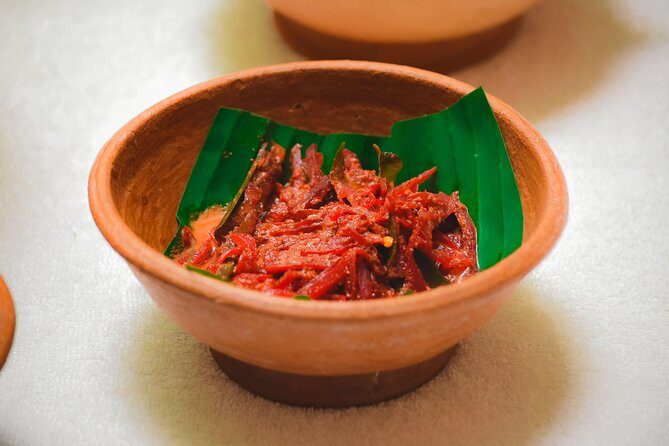
Colombo can feel intense fast, so I like that this experience starts with a purpose: learn your ingredients before you start cooking. You’re not just buying stuff to tick a box. You’re learning how Sri Lankan home cooks choose vegetables, spices, and other staples, which makes the cooking lessons much easier to follow.
Because it’s private, the rhythm stays steady. You can ask why a paste needs a certain texture, or why a particular leafy green works better for a specific mallum. This is especially helpful if you’re worried about language or getting lost in a market.
The vegan angle is the headline, but do pay attention to the exact menu you’ll be taught. The experience is marketed as vegan, and vegetarian options are mentioned, yet the ingredient list includes some items that may not be vegan by default. When you confirm dietary requirements, ask specifically for vegan substitutions for anything dairy- or meat-based that appears on the menu list.
Other Colombo tours we've reviewed in Colombo


The Villa Check-In and Clay Pots: Why This Setup Matters
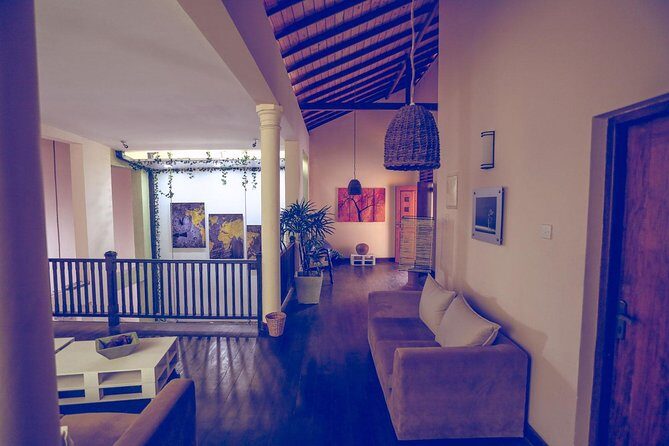
Before the market, you’ll be welcomed with freshly made fruit juice or a herbal drink. Then you’ll check in at the villa, refresh, and get ready for the day’s shopping and cooking. That small lead-in matters because you’re not rushing straight from the street into intense food decisions.
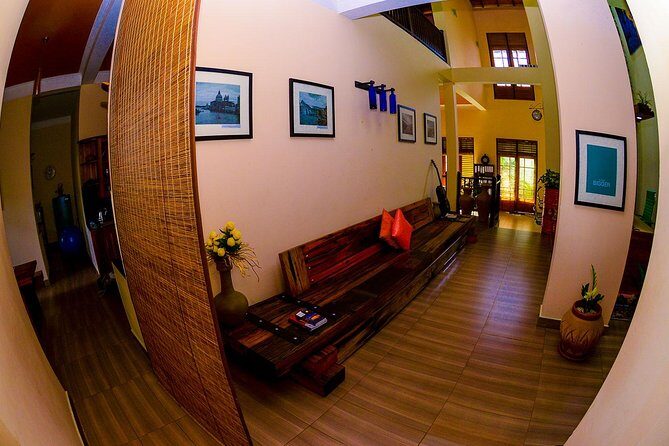
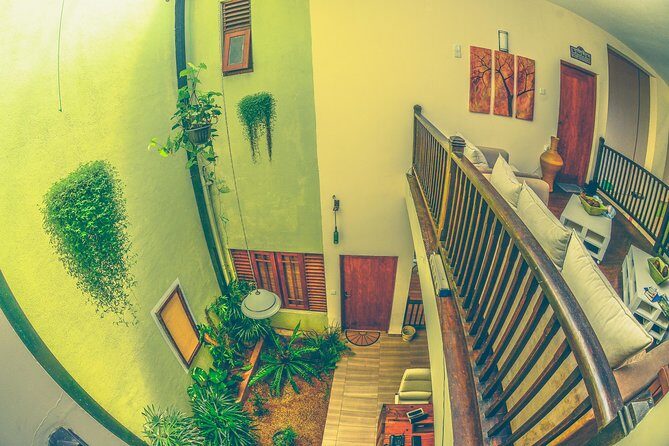
The villa location is part of the value. You’re in Colombo’s quieter green belt area, within walking distance of the Sri Lankan Democratic Parliament, the Immigration Office, and Diyawanna Lake. It’s a calmer feeling break between city motion and hands-on cooking, and the bird sounds are a nice reminder that this is a cooking day, not a marathon.
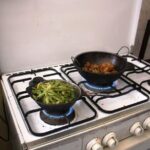
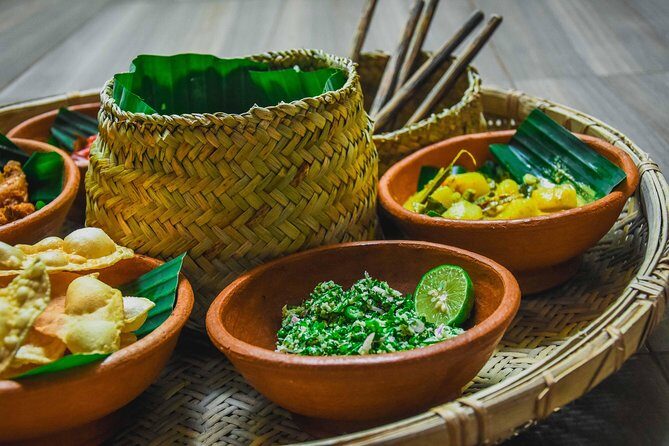
Now, the clay pots. This is one of the most practical parts of the experience. Clay pottery is an old craft in Sri Lanka, and these pots are described as well-seasoned to help food turn tender and flavorful. The porous walls absorb moisture, which helps prevent drying out. That’s the kind of detail that explains why many clay-pot dishes taste different from the same recipe in a metal pot.
It’s also a lesson you can reuse later. Once you understand how moisture retention changes simmering, you stop treating clay pots as a novelty and start treating them as a technique.
How the Market Walk Helps You Buy the Right Ingredients
The market portion is where a lot of cooking classes feel vague. This one tries to fix that. You explore a local market with help that’s meant to reduce the language barrier, so you’re not just wandering and hoping.
You’ll also learn what “right” looks like in the ingredients. The experience emphasizes how even locals rely on selection skills—freshness, size, smell, and proper spice choices. If you’ve ever tried to cook a regional curry with the wrong spice mix, you know the result can be bland or flat fast.
The market is described as unique, similar to European eco shops in the sense that it feels organized around produce and natural products. That makes it easier to focus even if the market is busy and noisy.
This is the key idea: when you buy better ingredients, your cooking has a chance. You’re not rescuing a recipe with extra salt and luck later. You’re starting with the correct building blocks.
One-to-One Chef Time: Practical Help, Not a Script
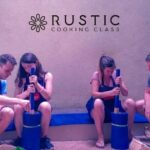
In a group cooking class, you often wait your turn. In a private setting, the pace is different. You get one-to-one instruction, which is ideal if you want to understand technique rather than just collect steps.
The class format is described as small and hands-on, with plenty of questions answered. That matters for vegan cooking too, because vegan Sri Lankan dishes still rely on depth: spice mixes, texture from grinding and simmering, and the right balance of aromatics.
Expect the chef and helpers to explain what they’re doing and why. If you’re trying to recreate the dishes at home, this kind of guidance is the difference between a dish that tastes “close” and one that tastes like it belongs to Sri Lanka.
Also, the menu is designed to be flexible. You choose what you’ll make from options like Sri Lankan rice types, curries, and leafy salads. In practice, that means you’re more likely to cook dishes you actually want to eat, not just dishes that the class template assumes you’ll like.
What You’ll Cook: Sri Lankan Rice, Curries, and Mallum Choices
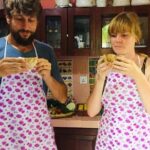
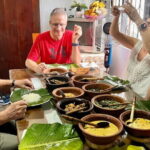
The cooking lesson centers on Sri Lankan staples you can recognize and then learn to cook with real confidence: rice varieties, traditional curries, leafy salads (mallum), plus a few classic enhancers.
Other Sri Lankan cooking classes we've reviewed in Colombo
Rice you can choose
You can pick one of the rice options:
- White Rice
- Yellow Rice
- Brown Rice
This choice is useful if you want a dish that matches your eating style. Yellow and brown rice can set a different flavor and texture tone for the meal.
Curries and savory dishes to choose from
You’ll choose one from a list that includes:
- Sri Lankan Dhal curry
- Sri Lankan Coconut Sambol
- Sri Lankan Potato Curry
- Fried Mushroom
- Sri Lankan Chicken Curry
Here’s the careful part: the experience is vegan, but chicken curry appears on the choice list and dairy is mentioned elsewhere. So if you keep it strictly vegan, confirm what will be cooked and how it will be adapted. If the class can adjust, you’ll still get the technique lessons behind these curry builds.
Leafy salad (mallum) options
You choose one mallum, with options including:
- Gotukola
- Mugunuanna
- Gova Mallum
- Kankun Mallum
- Aguna Kola Mallum
Leafy salads can feel simple until you cook them in a Sri Lankan style, where spice, texture, and the treatment of greens matter. Having multiple leafy options also helps you avoid one “unknown” ingredient that you may not love.
Papdum as an enhancer
Papdum is listed as an enhancer. It’s a classic side in many Sri Lankan meals, and it’s the kind of small add-on that makes a plate feel complete.
Clay-Pot Cooking: How Technique Changes the Dish
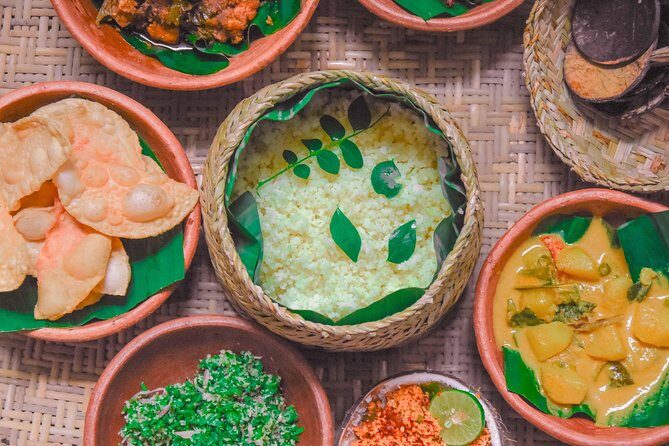
The clay-pot explanation isn’t just marketing. It points to why slow cooking works in Sri Lankan kitchens. Food cooked in these pots is described as tender and flavorful, with porous walls helping keep moisture in during longer simmering.
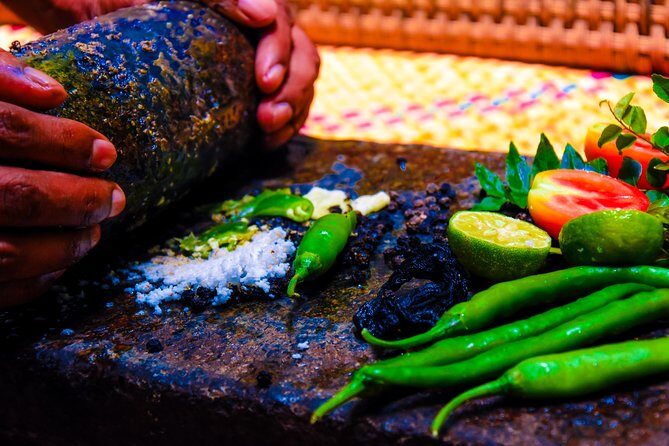
You also get a sense of why Sri Lankan cooking can taste complex even when the dish looks straightforward. The spice mixes are a big part of the flavor engine, and those mixes are described as hard to find online. That makes the market stop extra valuable, because buying the right spices is part of getting that flavor right.
You’ll also learn that Sri Lanka has thousands of curry types and multiple cooking methods that produce different tastes—even when the dish color or aroma might not look dramatically different at first glance. That’s a great mindset shift: don’t judge only by how it looks in the pot. Learn to read aroma, texture, and seasoning balance.
And because you’re cooking with clay pots, you’ll see how moisture retention affects the way ingredients soften and meld.
Drinks, Dessert, and the Real Pace of a Sri Lankan Meal
Before you cook, you’ll start with fruit juice or a herbal drink, which helps with energy before market walking and shopping decisions.
After or alongside the meal, the experience includes taste components and refreshments: bottled water and light refreshments are part of the included items. Coffee and/or tea is included as well, and tropical fruits are listed for dessert timing.
Local beer is mentioned as something you taste, but alcoholic drinks (including beers) are also listed as not included. So don’t assume you’ll get alcohol. If that matters to you, ask what’s actually provided in your session so you don’t get surprised.
For dessert, buffalo curd with honey is listed, but that may conflict with vegan expectations. If you’re strictly vegan, confirm what you’ll receive instead. The experience does say you should advise dietary requirements at booking, so this is exactly the moment to be specific.
Price and Value: Is $80 Fair for a 5-Hour Private Class?
$80 for a private vegan cooking class with a market visit sounds straightforward, but the value comes from what’s included. You get:
- a professional guide
- bottled water and light refreshments
- coffee and/or tea
- all taxes and fees
- a private format with one-to-one chef instruction
- a market component that teaches selection skills
In other words, you’re paying for the combination of shopping guidance plus cooking instruction, not just the act of cooking. That matters because you can learn recipes from a book. It’s harder to learn what spices and vegetables to pick and how to treat them.
The duration is about 5 hours, and the tour is described as booked about 30 days in advance on average. That usually means the sessions are popular and schedules fill up. If you want a specific day, don’t wait until the last minute.
Pickup is listed as offered in the summary, but hotel pickup is listed as not included. If you’re relying on pickup, confirm what “pickup offered” means for your location, or plan to meet at the stated meeting point.
Who Should Book This Vegan Cooking Class (and Who Might Skip)
This is a good match if you:
- want a hands-on cooking day with time to ask questions
- care about learning ingredient selection, not just recipes
- like Sri Lankan food and want to understand the spice logic behind it
- enjoy markets and don’t mind a bit of active shopping energy
- want clay-pot technique you can replicate later
You might consider skipping or asking a lot of questions if:
- you need strictly vegan and also dairy-free dessert alternatives (since some menu items listed may not be vegan by default)
- you’re sensitive to alcohol confusion (because beer is mentioned but also listed as not included)
- you prefer a fully predictable menu with no ingredient substitutions
The private setup also makes it easier to tailor the menu choices to your tastes, including rice type and leafy salad selection.
Final Verdict: Should You Book It?
I’d book this if you want both sides of Sri Lankan cooking: the ingredient choices from a local market and the technique from a private clay-pot class. The one-to-one format and the market walk are the big wins, because they help you understand what makes the food taste right, not just what to cook.
If you’re vegan, do one extra thing: confirm that your session will be fully vegan end to end, including dessert and any listed animal-based options. Once that’s clear, you’ll leave with practical skills you can use again at home.
If weather turns and the experience is canceled due to poor conditions, you’re offered a different date or a full refund. And if plans change, there’s free cancellation up to 24 hours before the start time, which gives you some breathing room.
FAQ
What does the Colombo vegan cooking class include?
The experience includes a professional guide, bottled water, light refreshments, coffee and/or tea, and all taxes/fees/handling charges. You’ll also do a market visit and a hands-on cooking session.
Is hotel pickup included?
The summary says pickup is offered, but hotel pickup is listed as not included. It’s worth confirming what pickup option applies to your address.
How long is the tour?
It runs for about 5 hours (approx.).
Do I choose what I cook?
Yes. You can choose one of several Sri Lankan rice options, one traditional curry, and one leafy salad (mallum). Papdum is listed as an enhancer, and dessert includes tea/coffee plus options noted for the class.
Is there a vegetarian option?
A vegetarian option is available. You should advise your needs at booking.
Does the class cater to dietary requirements?
Yes. You’re asked to advise specific dietary requirements at booking, so you can request fully vegan adaptations where needed.
What is the meeting point?
The meeting point is Travel Footprint -Srilanka, Kollupitiya, Colombo (VW99+VCV), Sri Jayawardenepura Kotte, Sri Lanka. The activity ends back at the meeting point.
What should I wear?
Dress code is smart casual.