REVIEW · COLOMBO
Authentic Sinhalese Cooking Class in Colombo with a Local Family
Book on Viator →Operated by Traveling Spoon · Bookable on Viator
Cooking in a real home beats a classroom. This Sinhalese cooking class in Colombo is built around one key idea: learn the way locals learn, in the kitchen where the food actually happens. I love that you can choose lunch or dinner, and the menu adjusts with the season, so you’re not repeating the same tourist worksheet. I also like that you’ll see the full process, from a local market run (optional) to hands-on cooking in Shasikala’s family space, including an old, traditional kitchen setup.
There’s one thing to consider: this isn’t a high-tech, polished operation. You’re visiting a modest home, meeting Shasikala and her family directly, and working hands-on with real ingredients and real tools. If you prefer a very formal experience, or if you want hotel pickup, plan around the fact that you start and end at the meeting point.
In This Review
- Key things I’d circle before you book
- Meeting Shasikala at Home: Bellanthara Kitchen Reality Check
- Kirulapone Market Option: What You Buy and Why It Matters
- The Cooking Lesson: Three Sinhalese Dishes From Scratch
- Lunch or Dinner With the Family-Style Meal
- How Much Time You’re Really Spending (and Where It Starts)
- Price and Value: Is $148 Worth a Private Home Class?
- Who This Class Fits Best (and Who Might Want Another Option)
- Should You Book This Colombo Sinhalese Cooking Class?
- FAQ
- What’s included in the cooking class?
- Where does the class meet, and do you get picked up?
- How long is the experience?
- What dishes will I learn to make?
- Is a market visit available?
- Can you accommodate dietary restrictions or preferences?
- Is this a commercial cooking school?
- What’s the cancellation policy?
Key things I’d circle before you book
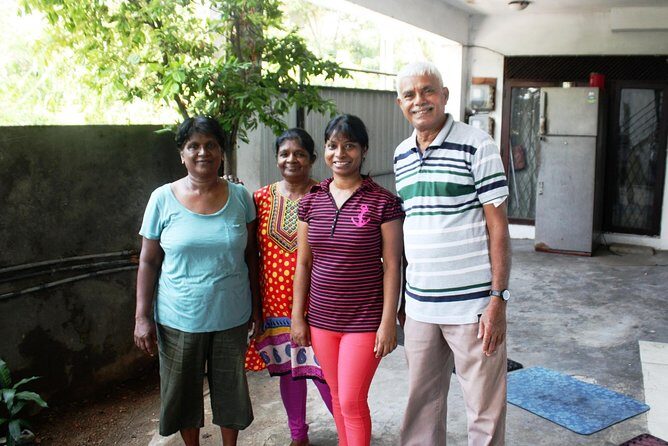
- Meet Shasikala in her family home in Bellanthara, Dehiwala with direct, face-to-face hosting.
- Optional Kirulapone Market trip by tuk tuk, where you shop for what you’ll cook.
- Hands-on cooking of three Sinhalese dishes, chosen by you from the core set.
- Learn the flavors behind coconut sambol and curry, using ingredients from local stalls.
- Lunch or dinner format, so you can fit it into your day without forcing a schedule.
- Clear dietary options on request, including vegetarian, vegan, and halal.
Meeting Shasikala at Home: Bellanthara Kitchen Reality Check
This experience starts at Mayura Mawatha in Dehiwala-Mount Lavinia area. From there, you’re headed to Shasikala’s family home in Bellanthara, Dehiwala. The vibe is personal from the first minutes: Shasikala greets you warmly, and you’ll spend time meeting the family before anyone touches a cutting board.
You’ll likely start with a casual welcome drink, either milk tea or fresh juice, while Shasikala introduces you to the family and the food setup. This matters more than it sounds. When you cook in someone’s home, you learn how they think about ingredients and timing, not just how to follow steps. You’re also more likely to ask questions that come up in real life, like what to do if a curry needs a bit more balance.
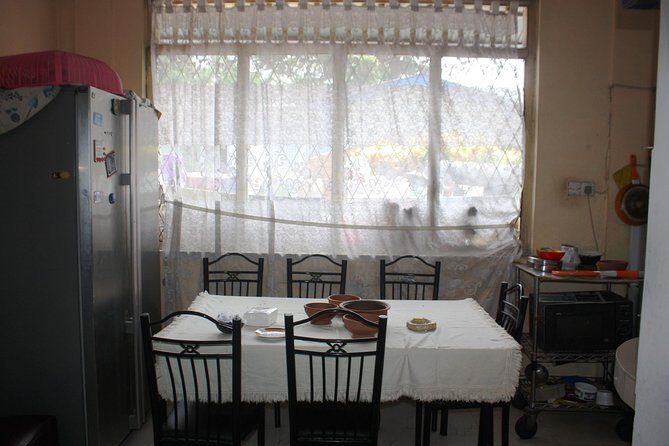
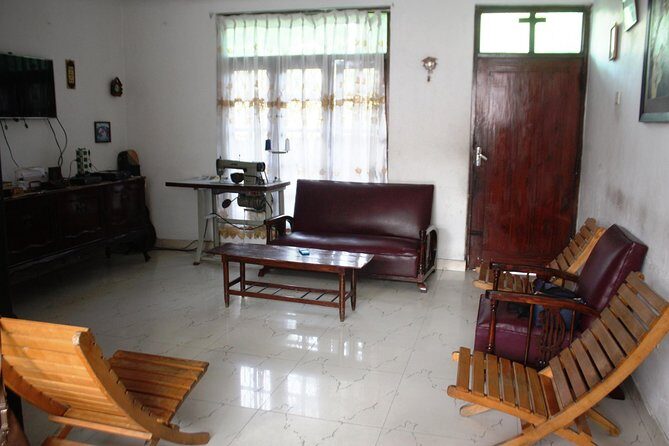
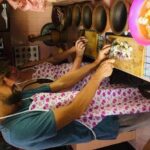
The class portion takes place in Shasikala’s kitchen, described as an older, traditional kitchen. That’s a good thing. It means you’ll see home-style cooking rhythms—where the work is practical, and where the kitchen isn’t staged for photos. Expect a hands-on session centered on three Sinhalese dishes, with the rest of the time used to prepare, shop (if you choose that option), and eat.
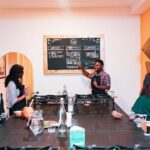
The private setup is another major plus. This is not a big commercial class with strangers rotating in and out. Only your group participates, so if you want to cook slower, ask for explanations, or adjust how something is done, you’re not competing with 20 other people for attention.
Other Colombo tours we've reviewed in Colombo


Kirulapone Market Option: What You Buy and Why It Matters
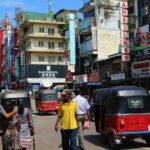
If you choose the market option, you meet Shasikala at the home first, then take a short ride by tuk tuk to the nearby local market. The market is specifically described as the kind of neighborhood place where locals shop for fruits, vegetables, spices, seafood, and meat.
Walking through the market is useful because it connects the idea of Sinhalese cooking to real sourcing. You’re not just buying ingredients—you’re learning what locals grab and why. You may also taste a few locally grown fruits, which is a small moment but a helpful one. It trains your palate before you cook.
Here’s the practical part: you can purchase a seasonal vegetable of your choice during the market visit. That vegetable later becomes part of what you cook in the class. Since the menu can vary by season, this is a good way to make the meal feel tied to the moment you’re actually in Colombo.
One consideration: markets can be warm and busy in real life, even when they’re not chaotic. If you’re sensitive to heat or crowds, wear comfortable shoes and plan to move at a local pace. Also, you’ll want to be okay with carrying whatever you buy briefly—your class experience ends back at the meeting point, but there isn’t mention of luggage storage or special transport.
The Cooking Lesson: Three Sinhalese Dishes From Scratch
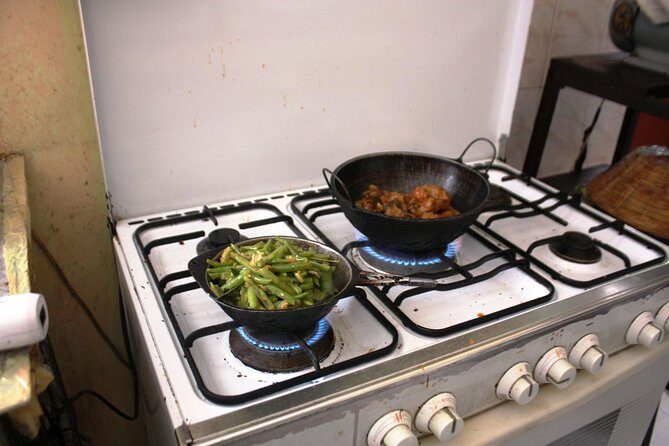
The core of the experience is a hands-on cooking class for about 1 hour inside Shasikala’s home kitchen, focused on three Sinhalese dishes. You’ll prepare from scratch, with guidance from Shasikala and support from her family.
The dish set you’ll learn includes:
- A seasonal vegetable
- Coconut sambol
- Fish or chicken curry (your choice)
I like this structure because it covers the essentials of everyday Sinhalese flavor. Coconut sambol is one of those dishes that can feel tricky if you only taste it in restaurants. But in a home setting, you’ll see how ingredients come together and how the balance works in real time. Same idea for curry. Instead of treating curry as one monolithic thing, you learn it as a process: building flavor, adjusting, and tasting.
Customization is another smart element. You choose your menu within the available dish set, so you can pick fish or chicken curry depending on your preferences. And if you’re cooking vegetarian, vegan, or halal, Shasikala can offer options on request—so you’re not stuck with a default menu that doesn’t fit you.
Seasonality changes what you cook. The seasonal vegetable may vary, and that’s exactly the point. It’s how home cooking stays grounded, and it also means you might end up with ingredients that you can’t easily find back home.
Expect to do real work: chopping, mixing, shaping, and cooking—not just watching from the sidelines. And because this is a private, in-home class, questions land better. If you get stuck, it’s not a group setting where only one person can ask at a time. You can slow down and get clarification.
Lunch or Dinner With the Family-Style Meal
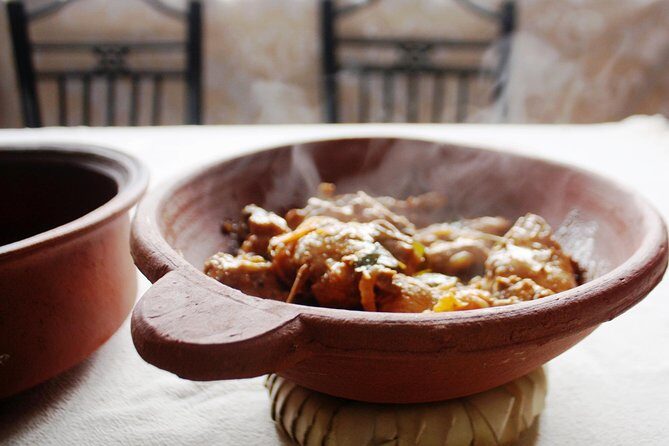
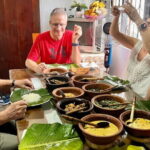
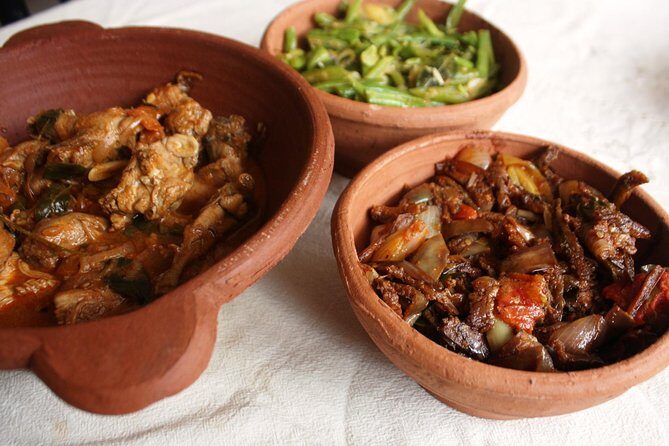
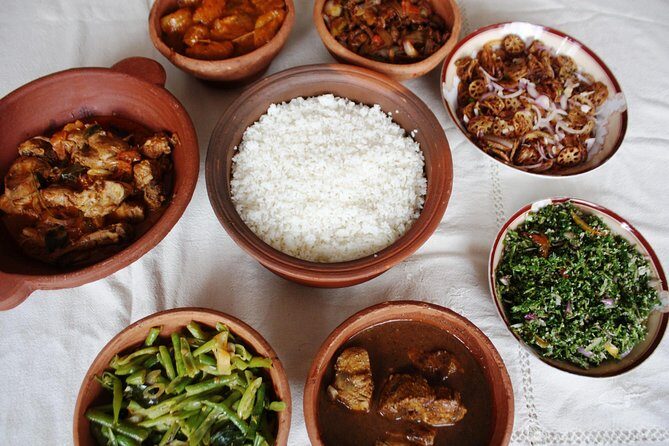
After cooking, you eat what you helped make. The experience includes the meal as part of the package, and you’ll enjoy it family-style in the home environment.
Choosing lunch or dinner is more than timing. In Colombo, your energy changes depending on whether you’re doing this earlier in the day or later. Lunch can be a reset in the middle of exploring. Dinner can be the calm close to a busy day, especially if you plan to keep the rest of your evening flexible.
The included non-alcoholic beverages help the meal feel complete without turning it into a restaurant experience. There’s also an interesting detail: the listing notes gratuities are included. That’s useful for budgeting clarity—you don’t have to wonder how much to add on top.
If you want a souvenir that’s not a magnet, pay attention to how the dishes taste as a full meal. Coconut sambol is often the bridge between sides and curry. The seasonal vegetable adds a fresh note, and the fish or chicken curry anchors the whole table. In a home, you’ll understand how these flavors work together, not just as separate dishes.
And yes, there’s a practical takeaway feel here. One of the strongest signals from the experience write-ups is that Shasikala and family go out of their way to make sure you leave feeling cared for. That might show up in little touches like extra herbs or helping you get back quickly and safely by tuk tuk at the end.
How Much Time You’re Really Spending (and Where It Starts)
The total time is listed as about 3 hours. That’s long enough to handle a market visit (if you pick it) and still get a proper cooking session and meal.
Without market time, the class day is still structured:
- meet the host family at the home
- welcome drink and brief introduction
- hands-on cooking for about 1 hour
- eat together
With the market option, you add:
- tuk tuk to the local market
- walk through the stalls (spices, seafood, produce)
- taste a few fruits
- buy your chosen seasonal vegetable
- return to the home for the cooking session and meal
A key logistics point: there’s no hotel pickup and drop-off. You’re starting and ending back at the meeting point on Mayura Mawatha. The listing also says it’s near public transportation, which is helpful if you’re using Colombo’s transport options instead of rides the whole time.
What to bring? You don’t need fancy cooking gear. Focus on comfort and practicality:
- closed-toe shoes (market walking and kitchen work)
- an outfit you’re comfortable wearing in a working home kitchen
- a light layer if you tend to get cold after AC or in the evening
- any dietary notes ahead of time
Also, because the menu may vary, don’t expect every ingredient to match a specific photo you’ve seen online. Think seasonal, local, and flexible.
Other Sri Lankan cooking classes we've reviewed in Colombo

Price and Value: Is $148 Worth a Private Home Class?
At $148 per person, this isn’t the cheapest cooking class in Colombo. But you’re not paying just for recipes—you’re paying for access, time, and personalization.
Here’s where the value comes from:
- Private format: only your group participates, so the teaching attention is more focused than in a multi-group class.
- Market option: if you choose it, the experience includes a visit to a local neighborhood market and the chance to buy the seasonal vegetable you’ll cook.
- Hands-on instruction: you cook three dishes, including coconut sambol and either fish or chicken curry.
- Meal included: you eat the results in the home. That turns the experience into something more than a class.
- Cultural context: you’re not just learning techniques; you’re learning how a Sinhalese home approaches everyday food.
- Dietary flexibility on request: Shasikala can offer vegetarian, vegan, and halal meals.
If your goal is to get a few cooking videos and call it done, then the price may feel high. If your goal is to understand how to make Sinhalese comfort food in a way you can actually recreate later, the value makes more sense.
This is also a good “buy once, learn deep” option. A well-run private class can save you time when you’re trying to cook later, because you’ll understand the logic behind flavor and the workflow—not just memorized steps.
Who This Class Fits Best (and Who Might Want Another Option)
This cooking class is a great match if you:
- want authentic Sinhalese cuisine in a home setting rather than a studio
- enjoy markets and want to see where ingredients come from
- like practical learning where you do the cooking, not just watch
- want lunch or dinner options that fit your day
- need dietary accommodations and want them handled by the host, not by generic substitutions
It might be less ideal if you:
- want hotel pickup as a non-negotiable
- prefer a modern, commercial teaching kitchen
- strongly dislike the idea of cooking in a modest home space
- have limited ability to walk through a local market area (if you pick that option)
One more note: confirmation is stated within 48 hours of booking, subject to availability. That’s normal for private home experiences, where schedules depend on the household.
Should You Book This Colombo Sinhalese Cooking Class?
If you’re choosing between a “cook for an hour, eat somewhere else” option and a real home experience, this one leans toward the real-home side. I’d book it if you want to learn Sinhalese dishes—especially coconut sambol and curry—using ingredients you pick up at a local market and cooking techniques taught in a family kitchen.
Book it confidently if you can make your way to the meeting point on your own and you’re okay with a modest home setting. If you want a polished, staged culinary show, look elsewhere. But if you want a meal with context and a class that feels personal, this is the kind of Colombo experience that sticks.
FAQ
What’s included in the cooking class?
The package includes the private cooking class and meal with host Shasikala, non-alcoholic beverages, all taxes, fees and handling charges, and gratuities. If you choose the market option, you’ll also visit a local neighborhood market.
Where does the class meet, and do you get picked up?
The start point is Mayura Mawatha, Dehiwala-Mount Lavinia, Sri Lanka. Hotel pickup and drop-off are not included, and the activity ends back at the meeting point.
How long is the experience?
It’s listed as about 3 hours total, with about 1 hour of hands-on cooking during the class.
What dishes will I learn to make?
You’ll learn three Sinhalese dishes: a seasonal vegetable, coconut sambol, and a fish or chicken curry. You can choose fish or chicken for the curry.
Is a market visit available?
Yes. If you choose that option, you’ll take a tuk tuk to the nearby local market (Kirulapone Market) with Shasikala, shop for ingredients, and may taste some local fruits.
Can you accommodate dietary restrictions or preferences?
Yes. Shasikala can offer vegetarian, vegan, and halal meals on request. If you have allergies or dietary restrictions, you should advise at the time of booking.
Is this a commercial cooking school?
No. This is described as a visit into a local’s home to meet an expert cook and share Sri Lankan culture and cuisine together, not a commercial cooking class.
What’s the cancellation policy?
Free cancellation is available. You can cancel up to 24 hours in advance for a full refund, and changes within 24 hours of the start time are not accepted.