REVIEW · COLOMBO
Market Tour and Hands-On Cooking Class Colombo
Book on Viator →Operated by Ceylon Rustic Guide · Bookable on Viator
Food shopping starts the real adventure. In Colombo, you pick your menu, visit the market, and cook a 5-course lunch or dinner with Chef Nim in a home-style villa setting. I especially love the hands-on pace of the class, where you clean, measure, and cook step by step, plus the way the guide teaches you the small techniques that make Sri Lankan food taste right. The only real catch is time: the cooking takes longer than what you might expect from a faster Western demo, so go in ready to enjoy a slower rhythm.
Logistics are manageable because you meet at Villa Ivy Crest and your small group stays under 8 travelers. You also get a choice between lunch or dinner, and there’s a vegetarian option if you need it. One more thing to consider: this class is built around market ingredients and a lively spice style, so if you’re very sensitive, tell the team your dietary limits early.
In This Review
- Key things to look forward to
- Why Colombo’s market stop matters more than the menu
- Meeting at Villa Ivy Crest: how to show up and get started
- Transport reality: airport pickup, hotel pickup, and what it costs you
- Picking your menu from family recipes (and why that’s the point)
- The market walk: what you learn besides where to buy spices
- Hands-on cooking with clay-pot technique and step-by-step guidance
- The Sri Lankan table manners lesson you can use right away
- What you eat: a 5-course lunch or dinner plus tea and light refreshments
- Price and value at $80: what you actually get
- Who this is best for (and who should reconsider)
- Should you book this market tour and cooking class?
- FAQ
- How long is the cooking class in Colombo?
- Where do I meet for the experience?
- Is it lunch or dinner, and can I choose?
- How many people are in the group?
- Is there a vegetarian option?
- What’s included in the price?
- Is alcohol included?
- Do I need to bring anything or have special needs?
- What if the weather is bad or the minimum group size isn’t met?
Key things to look forward to
- Choose a menu from family recipes and cook what you picked, not a generic “tourist menu”
- Learn produce and spice logic in the market, including how to spot real vs fake cinnamon
- Cook using traditional techniques, with clay-pot cooking included
- Practice Sri Lankan dining etiquette, including serving others first
- Leave with recipes and a certificate, so you can recreate the meal at home
Why Colombo’s market stop matters more than the menu
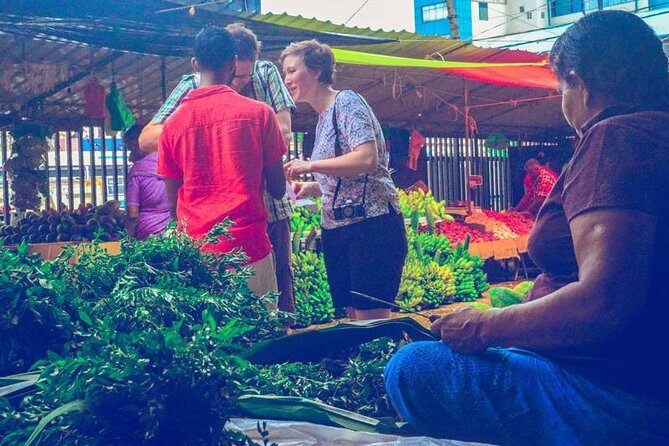
This tour starts where most cooking classes skip the fun part: the shopping. In the Colombo market, you’re not just buying ingredients. You’re learning how Sri Lankan home cooks think about them—what matters, what you can swap, and what flavors build together over the whole meal.
I like that the market walk is tied directly to your menu. You see and handle the fruit and vegetables, then you cook with them in the same session. That makes the later dishes feel less like “I watched someone cook” and more like “I understood why this ingredient matters.”
You’ll also get practical spice education. One standout detail I’d never guess unless you’re shown is the talk about real versus fake cinnamon. It’s the kind of thing that changes a whole dish, and it’s exactly the sort of home-cooking knowledge you won’t get from a supermarket shelf label.
Other Colombo tours we've reviewed in Colombo


Meeting at Villa Ivy Crest: how to show up and get started
Your meeting point is Villa Ivy Crest, near Sri Jayawardenepura Kotte (Colombo area). The experience ends back at the meeting point, so you’re not trying to coordinate your own transport at the end of a full afternoon.
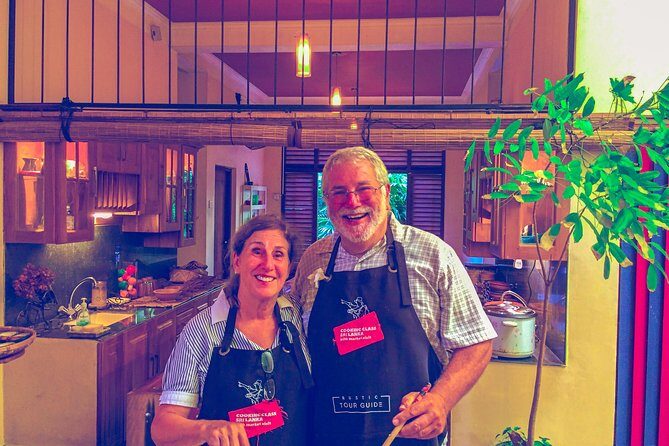
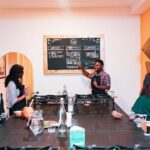
The friendly start matters here. When you arrive, you’ll get a welcome drink—fresh fruit juice or a herbal drink—plus a chance to get oriented at the villa. Your guide briefs you on what’s coming, and that quick setup helps the rest of the day feel smooth, even if the market is busy and lively.
If you want a low-stress meetup, message the team on WhatsApp at +94756066645 to get the specific meeting point for your booking. That’s especially useful in a city where the “same-sounding” locations can be confusing.
Transport reality: airport pickup, hotel pickup, and what it costs you
You have a couple transport options, and they affect how easy your day feels.
If you’re arriving at the airport, airport pickup costs $38 USD. It includes a fully air-conditioned car for roughly 2–3 people, a welcome board, and expressway entrance. That’s good value if you’re landing with luggage and don’t want to figure out Colombo traffic on day one.
Hotel pickup is different: the cost depends on the distance (mileage), and you have to contact them for assistance. If you’re staying in central Colombo, this can still be straightforward, but it’s not a fixed price like the airport option.
Either way, plan for transfer time in your schedule. The class itself is about 5 hours, and the market can also shape timing based on the day’s flow.
Picking your menu from family recipes (and why that’s the point)
One of the best parts of this class is menu choice. Before you cook, you select your dishes from family recipes, so the meal feels personal instead of pre-decided.
That matters because Sri Lankan cooking is layered. You don’t just make one curry and call it a day. You’re building a whole table—flavors and textures that work together—so your choices lead the cooking process.
You’ll also learn how traditional cooks measure and time things. The chef shares techniques that are explained less in books or YouTube-style videos, including a method similar in concept to how Italians measure pasta by palm technique. It’s not about “flexibility” for the sake of it. It’s about consistent results using what’s available and what feels right in a home kitchen.
One more note: your guide sets expectations that Sri Lankan meals can take longer to prepare than European or American pacing. That’s normal here. The trade-off is you actually learn the steps, not just the final look.
The market walk: what you learn besides where to buy spices
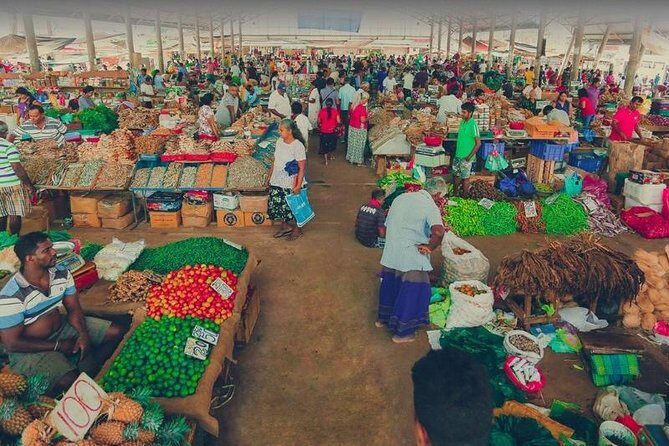
The market section is fun, but it’s also where the knowledge clicks. You’ll wander and get explanations about produce you may not recognize—fruits, vegetables, and spice ingredients that don’t always show up in Western kitchens.
I like that the guide doesn’t treat the market as a photo stop. You learn what each item is used for and how it influences taste, aroma, and color. That makes your later cooking feel like problem-solving.
A couple useful things you can watch for during your visit:
- Ask about which produce is best fresh versus which you can buy already prepared (if that’s an option for the day)
- Pay attention to spice handling, especially around cinnamon and other aromatics
You’ll come away understanding why Sri Lankan cuisine can taste both bold and balanced. It’s not random heat. It’s the right ingredients in the right roles across multiple courses.
Other Sri Lankan cooking classes we've reviewed in Colombo

Hands-on cooking with clay-pot technique and step-by-step guidance
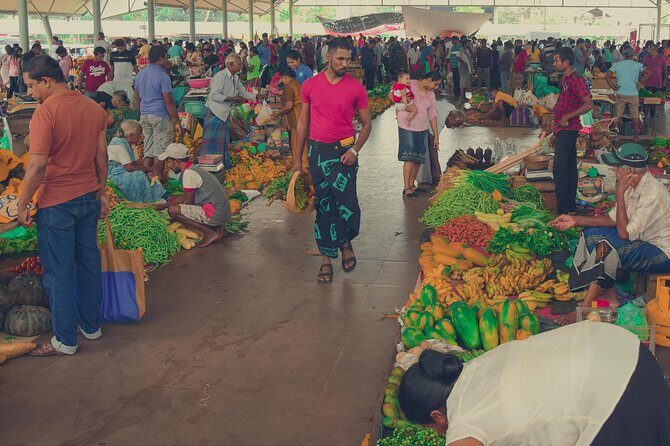
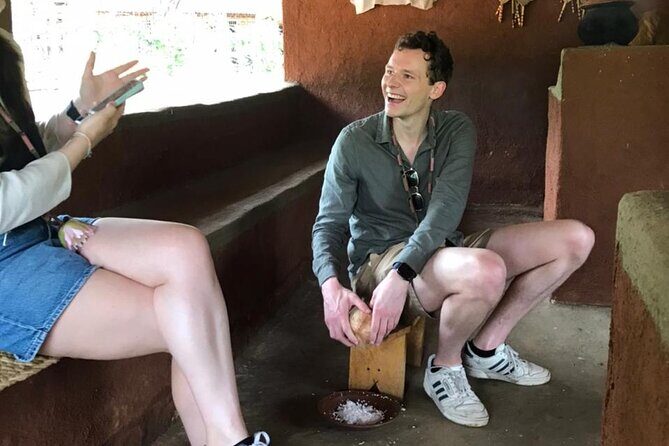
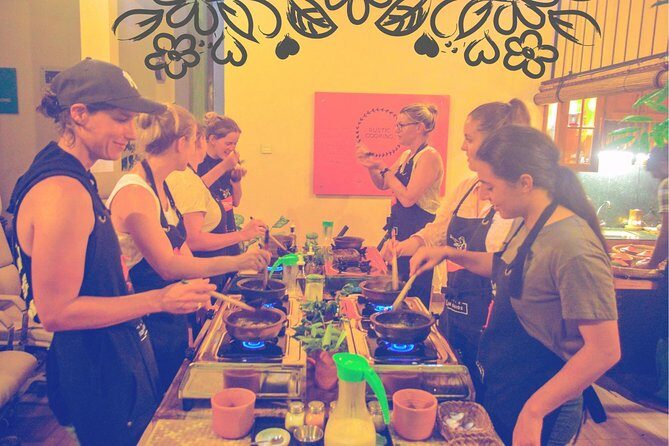
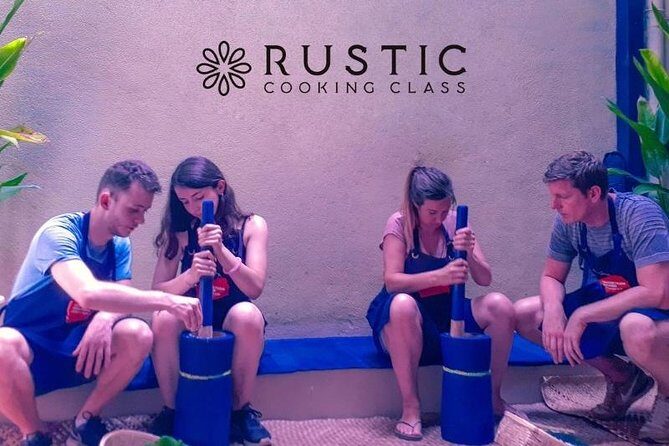
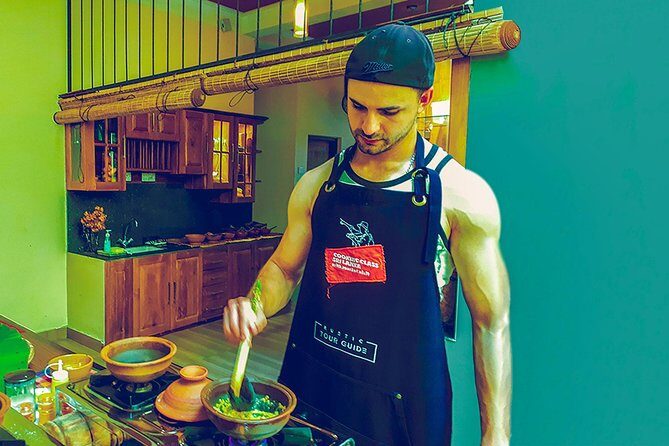
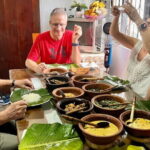
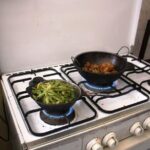
Once the shopping is done, you shift to cooking at the villa. This is the practical part: you get involved in every step, from cleaning to measuring to actual cooking.
The chef’s teaching style is built around process. You’re not just watching. You’re doing, while learning the “why” behind small choices. That includes how aroma develops during cooking and how certain steps affect color.
Clay-pot cooking is included, which is a big deal if you’re serious about learning techniques rather than collecting recipes. Clay can change heat distribution and help flavors come through in a more rounded way. Even if you can’t replicate the exact pot at home, learning how the cooking behaves will help you adjust your stovetop method later.
Also, don’t expect speed. The longer cooking time is part of the instruction. If you rush yourself, you’ll miss the lesson. If you lean into it, you’ll understand how each dish fits the next.
If you’re a beginner, this class still works. The chef and guide are patient, and the focus is on teaching you what to do next, not grading you on whether you can already cook like a local.
The Sri Lankan table manners lesson you can use right away
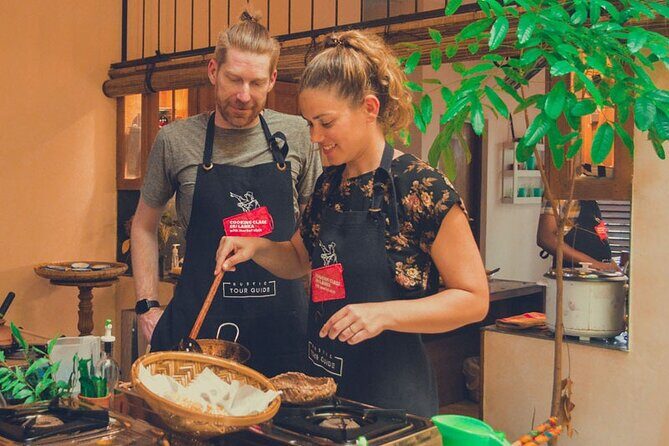
Dining etiquette is built into the experience, not tacked on. You’ll learn ways to behave at the table, including the idea that you serve others before yourself. It’s simple, but it changes how the whole meal feels.
The chef and guide also explain that every culture has its own food beliefs and traditions. In Sri Lanka, the meal is treated like a ritual. That shows up in how dishes are served, how people share, and how attention moves around the table.
If you’re the type who likes “authentic experience” but doesn’t want to stumble around awkwardly, this is a strong reason to book. You’ll know what to do when food arrives and how to participate without overthinking it.
And yes, there’s a practical side too: the better you follow the local rhythm, the more enjoyable the meal becomes. It’s not only polite. It’s functional.
What you eat: a 5-course lunch or dinner plus tea and light refreshments
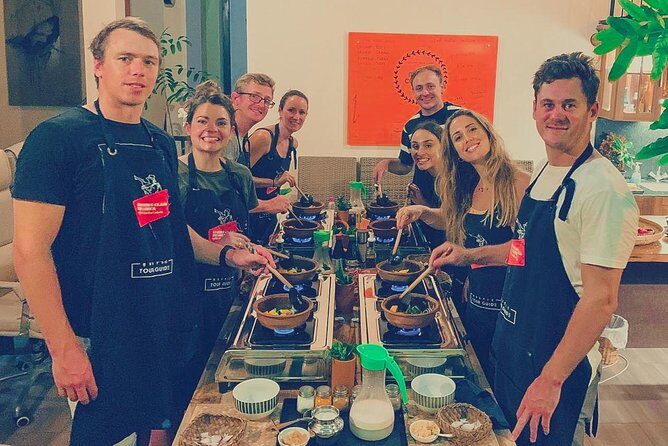
You’ll prepare and then eat a 5-course Sri Lankan feast. The experience offers either lunch or dinner, so you can match it to your sightseeing plans and energy levels.
Before and during cooking, you’ll have welcome refreshment and light refreshments, plus afternoon tea. You also get bottled water, so you’re not scrambling for hydration while you’re busy with spices and stovetop work.
One smart detail is that you select the menu upfront. By the time you’re eating, you’re already invested in the choices you made. That turns the meal into a kind of proof-of-learning moment: you see how the ingredients you handled in the market translate into the final dishes on your plate.
If you choose vegetarian, there’s a vegetarian option available—just advise the team at booking. Don’t wait until the day-of if you can help it.
Price and value at $80: what you actually get
At $80 per person, you’re paying for more than a cooking show. You’re paying for:
- Market time where you learn ingredients and spice context
- Professional guidance throughout the cooking process
- A meal structure built around a 5-course menu
- Clay-pot cooking included
- Recipes and a certificate to take home
- A small group size, capped at 8 travelers
When you compare that to typical cooking classes that only cover a couple dishes with limited ingredient explanation, this feels more like a full home-kitchen education session. The market portion alone can justify a big chunk of the value because it turns the cooking into a connected experience.
Transport affects total cost. Airport pickup is an extra $38 USD. Hotel pickup varies by distance. If you’re already budgeting for a private transfer anyway, this can fit nicely. If you need to keep costs tight, just plan for how you’ll get to Villa Ivy Crest and back.
Who this is best for (and who should reconsider)
This class is a good match if you want something hands-on in Colombo that’s not just “watch and eat.” You’ll enjoy it if you like learning technique, shopping for ingredients, and eating what you actually made.
It’s also a strong option for couples and small friend groups. The group size is limited to 8, and a smaller group often means more attention during cooking.
It’s less ideal if you’re on a tight schedule or you dislike slower-paced meal preparation. Sri Lankan cooking here takes more time than you might expect. You should also be cautious if you want a very mild flavor profile and haven’t communicated dietary needs ahead of time.
If you like direct teaching and practical takeaways—like recipes you can follow later—this tour makes sense.
Should you book this market tour and cooking class?
I’d book it if you want a real Colombo food day with two anchors: a market visit that teaches you ingredient thinking, and a chef-led cooking session where you do the work. The added dining etiquette lesson is a nice bonus that helps you feel confident at the table, not just fed.
Skip it only if you’re extremely time-sensitive or you prefer fast demos with little ingredient explanation. This is a process tour. The reward is understanding, not just the final plate.
If you go, message the team for the exact meeting point, pick your menu with curiosity, and give yourself permission to enjoy the slower cooking pace. That’s when the whole day clicks.
FAQ
How long is the cooking class in Colombo?
It runs about 5 hours (approx.).
Where do I meet for the experience?
You meet at Villa Ivy Crest. You can WhatsApp +94756066645 to get the specific meeting point for your booking.
Is it lunch or dinner, and can I choose?
Yes. You can choose between lunch or dinner classes to fit your schedule.
How many people are in the group?
The experience has a maximum of 8 travelers.
Is there a vegetarian option?
Yes. A vegetarian option is available if you advise the provider at booking.
What’s included in the price?
Included are welcome refreshment, bottled water, light refreshments, a professional guide, and the 5-course lunch/dinner you prepare. Recipes and a certificate are included, and clay-pot cooking is included as well.
Is alcohol included?
Alcoholic drinks (beers) are not included. If you plan to buy extra beers, you’ll need local cash.
Do I need to bring anything or have special needs?
If you have dietary requirements, advise them at booking. Otherwise, just come ready to shop and cook.
What if the weather is bad or the minimum group size isn’t met?
The experience requires good weather. If it’s canceled due to poor weather, you’ll be offered a different date or a full refund. If the minimum number of travelers isn’t met, you’ll also be offered a different date/experience or a full refund.