REVIEW · COLOMBO
Market Tour and Cooking Class from Colombo
Book on Viator →Operated by Lakpura LLC · Bookable on Viator
A good curry starts at the market. This Colombo Pettah Market to-table cooking class is all about hands-on Sri Lankan flavor, from picking ingredients to cooking rice and curry in a kitchen studio. You’ll do it at a private pace, with a local chef guiding each step.
What I really like is that it’s practical, not just show-and-tell. You get to buy produce at Pettah, then make dishes you can actually repeat later, including a breadfruit curry and a meat or fish main. Plus, the schedule gives you a morning or late-afternoon option, so you can fit it around other sightseeing.
One thing to consider: it runs outdoors at the market and the transfer is weather-dependent, so you’ll want decent conditions. If weather is poor, the experience may be moved or refunded, and that can affect your day.
In This Review
- Key things to know before you go
- Colombo’s Market-To-Table Format: Why This Works
- Picking the Morning (9:45) or Late-Afternoon (3:45) Slot
- From the Cooking Studio to Pettah: What the Transfer Is Like
- Pettah Market Shopping: Produce First, Spice Stalls Next
- The Main Event in the Kitchen Studio: Breadfruit Curry and a Meat or Fish Dish
- The Rice-and-Curry Lesson: How You’ll Learn More Than a Recipe
- What You’ll Eat and How the Timing Lands
- Private Chef Touch: Getting the Fun Parts, Not Just the Basics
- Transportation, Duration, and How to Plan Your Day
- Price and Value: Is $120 Worth It?
- Who Should Book This Colombo Cooking Class
- Should You Book This Experience?
- FAQ
- What time does the class start?
- On which days is the experience available?
- Where does the experience begin and end?
- Is this experience private?
- What’s included in the price?
- What will I cook during the class?
- How do you get to Pettah Market?
- How long does the experience take?
- What happens if the weather is bad?
Key things to know before you go
- Private chef-led shopping and cooking: your group cooks together and moves as one unit.
- Pettah Fresh Produce market time: you’ll shop produce and spend time in the spice stalls area.
- You cook breadfruit curry plus a protein main: meat or fish is part of the plan, not an afterthought.
- Timing choices: a morning session starts at 9:45 am and wraps around 2:00 pm; late-afternoon starts at 3:45 pm and wraps around 8:00 pm.
- Tuk tuk or car transfer: transport depends on the weather, which can matter in Colombo.
Colombo’s Market-To-Table Format: Why This Works
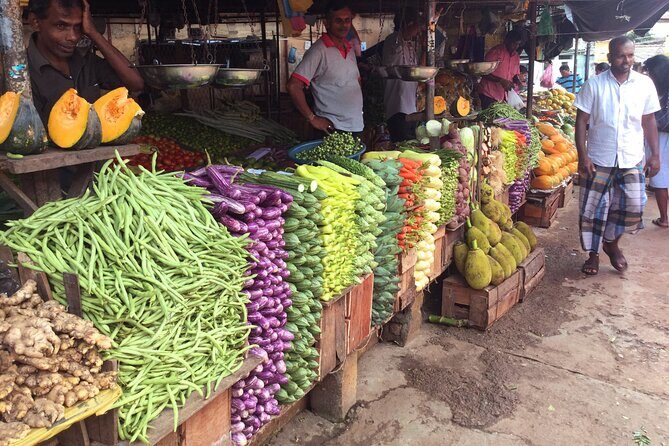
This is one of those Sri Lanka food experiences that makes sense fast. You start by shopping, then you cook with the same ingredients you chose. That order matters because Sri Lankan cooking is built on balance: aromatics, spice layers, and the way curries sit with rice.
I also like that the class is structured but not robotic. You follow chef instructions, but you’re also learning what the ingredients are doing and how to put them together. You’re not just collecting recipes for a folder—you’re building muscle memory for how the dishes work.
Other Colombo tours we've reviewed in Colombo



Picking the Morning (9:45) or Late-Afternoon (3:45) Slot
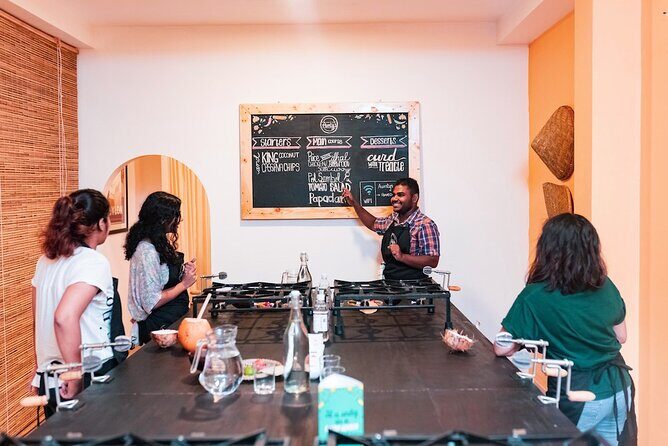
You can choose either a morning or a late-afternoon class, and the difference affects the whole feel of the day. The morning start is 9:45 am, and the experience wraps around 2:00 pm. The late-afternoon start is 3:45 pm, and it finishes around 8:00 pm.
I think the morning slot is best if you want the rest of the day free for markets, temples, or beach time. The late-afternoon slot can be a smart move if you’ve already spent the morning sightseeing and just want one focused food window before dinner.
Also note it runs on any day of the week except Sundays. So if you’re planning a weekend schedule in Colombo, you’ll want to adjust.
From the Cooking Studio to Pettah: What the Transfer Is Like
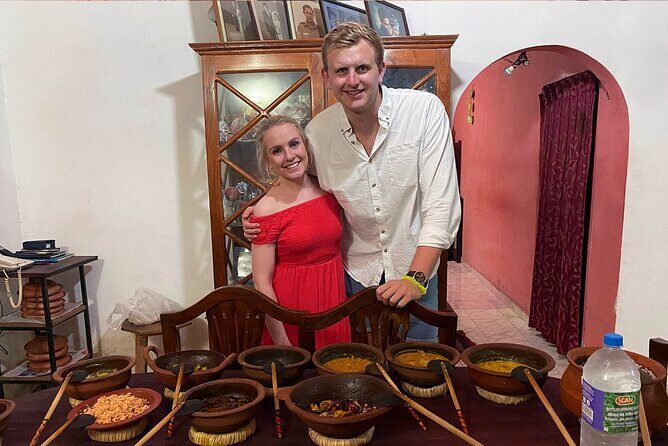
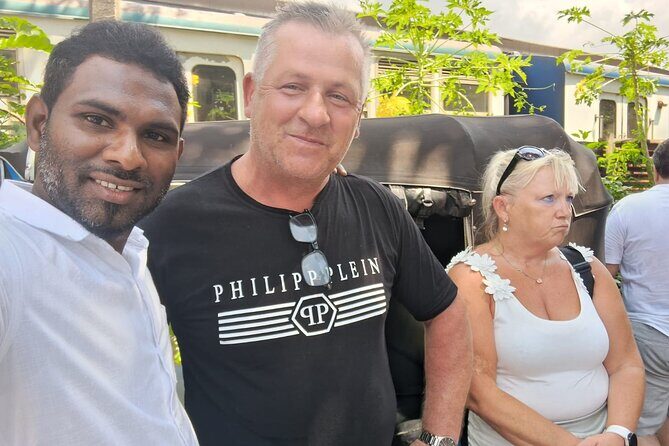
The tour begins at the Cooking Studio area in Pettah, Colombo. You’ll get the address and directions, and then you’ll meet your chef. From there, you head to Pettah Market in a tuk tuk or car, depending on the weather.
That sounds small, but in real life it’s useful. Colombo weather can shift quickly, and moving in the right vehicle keeps the market part of the morning or evening focused instead of stressful. You’re still going out into the market area, but you’re not stuck soaking wet or sweltering in transit.
Pettah Market Shopping: Produce First, Spice Stalls Next

Pettah Market is the heart of this experience. You’ll go through the Fresh Produce stalls, where you’ll see colorful fruit and vegetables lined up in rows. The market area is known for older warehouse spaces and lane-like alleys that shift from one section to the next, so you’ll spend your time moving through distinct areas rather than one single open hall.
I like this approach because it forces you to think like a cook. Instead of ordering a pre-planned list, you get to choose items that will go into your curry work. The chef’s guidance helps you pick what fits the dish.
You’ll also spend time in the spice stalls area. That matters for Sri Lankan cooking, where spices aren’t just about heat—they’re about aroma, depth, and the way flavor builds as it cooks. If you’ve only ever used store-bought blends, you’ll probably notice the difference right away in how the ingredients behave.
The Main Event in the Kitchen Studio: Breadfruit Curry and a Meat or Fish Dish
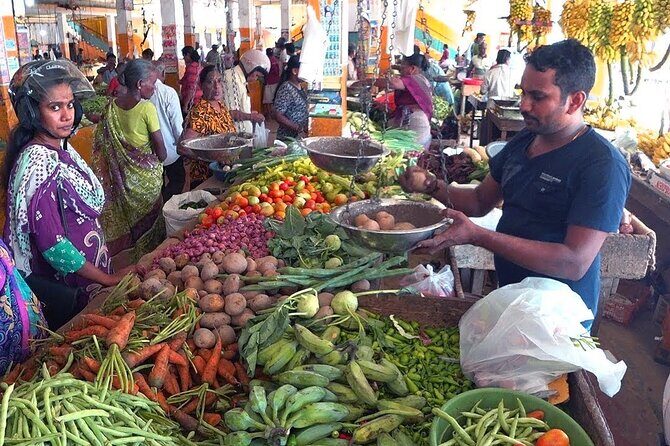
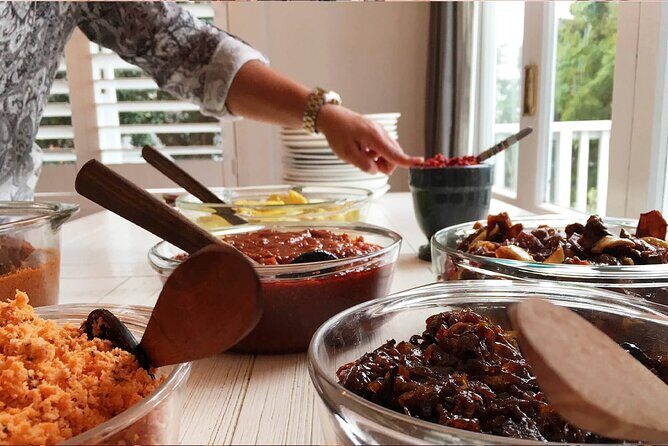
After the market, you return to the cooking studio and the workshop begins. The class centers on Sri Lankan home-style rice and curry cooking, taught step-by-step. You’ll follow instructions from the chef, and you’ll cook a breadfruit curry plus a meat or fish main dish.
Breadfruit is not something most visitors cook on their own, and that’s a big part of the value. You’re getting a dish you can’t easily fake with generic international recipes. Even if you’re an experienced cook, this is a chance to learn a Sri Lankan approach, not just copy a method.
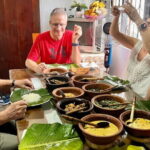
One detail I appreciate: your meal is part of the lesson. You’re not sent back out into the world with a tote bag of ingredients and a vague hope. You cook, then sit down to eat what you made as the class wraps.
Other Sri Lankan cooking classes we've reviewed in Colombo



The Rice-and-Curry Lesson: How You’ll Learn More Than a Recipe
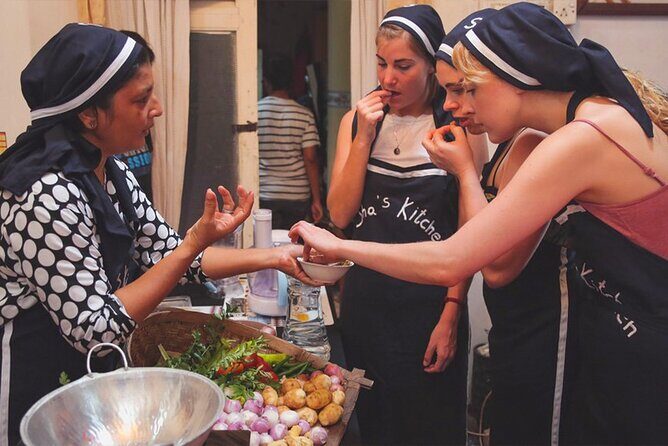
Sri Lankan cooking can look simple from far away: rice, a curry, maybe a second curry or side. Up close, it’s a system. This class teaches that system by keeping you focused on the core pieces: selecting ingredients, building curry flavor, and cooking rice-and-curry portions that belong together.
I also like that the class is described as learning beyond fixed recipes. In practice, that means you’re getting the thinking behind the instructions, not only memorizing steps. When you’re back home, that helps you adjust when ingredients aren’t identical to what you found in Pettah.
And that’s exactly what you should aim for in cooking classes: take home the method, then let ingredients and timing do what they do in your kitchen.
What You’ll Eat and How the Timing Lands
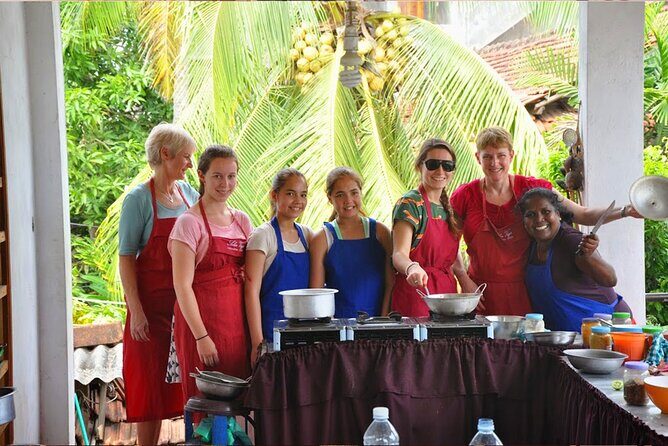
Your session ends after you enjoy your meal. Morning classes finish around 2:00 pm, and late-afternoon classes finish around 8:00 pm. That timing makes it easier to plan dinner: morning might cover lunch, while evening is basically dinner plus cooking.
The class includes lunch or dinner depending on your start time, and it’s built around an essentially Sri Lankan home-cooked rice and curry meal. You’ll get to taste the results while everything is still fresh and you’re in the same learning rhythm as the chef.
Private Chef Touch: Getting the Fun Parts, Not Just the Basics
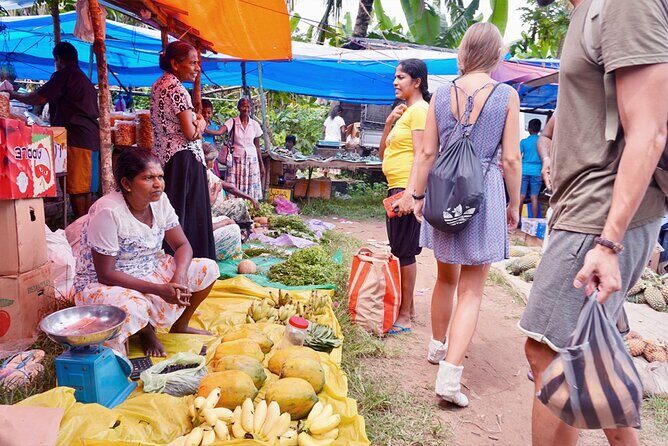
This experience is private for your group, which changes the energy a lot. Instead of squeezing your questions into a group chat, you can ask about ingredients, cooking decisions, and substitutions as you work.
One past participant specifically mentioned Piumi, saying she was amazing and that they had a private class in her home. They also highlighted that she was informative, engaging, and fun, and that the food was exquisite. Even without naming every chef you might get, that feedback signals something important: the human side of the class matters here, not just the meal.
If you enjoy cooking when someone explains the why behind each step, this format fits well.
Transportation, Duration, and How to Plan Your Day
Expect about 4 hours total. The class starts either at 9:45 am or 3:45 pm, and ends back at the meeting point. You’re covered for the market visit and the cooking workshop, plus the meal.
Because it’s a timed experience, treat it like a real appointment in your schedule. You’ll want a little buffer before and after, especially for the late-afternoon session that runs close to evening dinner time.
If you’re traveling with tight sightseeing blocks, I’d pick the morning slot for maximum flexibility. If you’ve already planned a light morning, the late-afternoon session can feel like a satisfying payoff.
Price and Value: Is $120 Worth It?
At $120 per person, you’re paying for a private, chef-led market shop plus a cooking workshop plus your meal. That’s a lot more than a basic cooking demonstration. Market-to-table experiences usually cost more because you’re not just eating—you’re actively learning and selecting ingredients.
Here’s how I judge the value for this one:
- You get a market visit (fresh produce plus spice stalls), not just ingredients handed to you.
- You cook a specific Sri Lankan menu: breadfruit curry and a meat or fish main, plus the rice-and-curry structure.
- You leave with a plan you can repeat at home, because the class is designed around instruction you can actually use.
If you want a hands-on food memory from Sri Lanka—something that goes beyond photos and tastes—this price starts to feel reasonable.
Who Should Book This Colombo Cooking Class
This is ideal if you:
- Want to learn Sri Lankan food in a way that sticks, not just eat it once.
- Like markets and enjoy choosing ingredients for cooking.
- Prefer private group attention rather than cooking elbow-to-elbow.
It’s also a strong fit if you’re the type who plans meals after the trip. You’ll likely come home with more than recipes—you’ll come home with an approach.
If you’re the kind of traveler who only wants the simplest possible food activity with zero market time, you might find Pettah’s spice-and-produce wandering takes a bit of getting used to. But if you’re open to it, that’s where the learning starts.
Should You Book This Experience?
I’d book it if you want a Sri Lanka food experience that feels real and repeatable. The structure is smart: shop at Pettah, cook in a kitchen studio, then eat what you made. The dish choices—especially breadfruit curry plus a meat or fish main—give you something distinct from generic cooking classes.
Two practical reasons to lean yes:
- You can match it to your day with the 9:45 am or 3:45 pm slot.
- It’s private, so your questions and preferences have room to matter.
Skip it only if weather is a big risk for your dates or you don’t want to spend time in the market area at all. Otherwise, this is a strong way to spend a few hours in Colombo and come away with real cooking confidence.
FAQ
What time does the class start?
You’ll start at either 9:45 am or 3:45 pm, depending on the session you choose.
On which days is the experience available?
It runs on any day of the week except Sundays.
Where does the experience begin and end?
You start at Pettah, Colombo, Sri Lanka, and it ends back at the meeting point.
Is this experience private?
Yes. It’s a private tour/activity, and only your group participates.
What’s included in the price?
The price includes the Sri Lankan cooking workshop, a lunch or dinner (depending on the start time), and a tour of the Pettah fresh produce market and spice stalls.
What will I cook during the class?
You’ll prepare breadfruit curry and a meat or fish main dish, following instructions from the chef.
How do you get to Pettah Market?
You’ll travel in a tuk tuk or a car, depending on the weather.
How long does the experience take?
It lasts about 4 hours (approx.), with the meal finishing around 2:00 pm for morning sessions or around 8:00 pm for late-afternoon sessions.
What happens if the weather is bad?
This experience requires good weather. If it’s canceled due to poor weather, you’ll be offered a different date or a full refund.