REVIEW · GALLE
Negombo: Turtle hatchery, River safari, moon stone & Galle
Book on GetYourGuide →Operated by Apple Vacations Sri Lanka · Bookable on GetYourGuide
Sri Lanka feels like two stories at once. This day trip strings together sea turtle conservation and a Madu River safari, then finishes with Galle’s fort and lighthouse. The English-speaking driver (you may get someone like Dhanesh or Raga, based on past groups) tends to keep the day moving with helpful route facts and stop suggestions.
I especially like the hands-on turtle hatchery start, because you’re not just looking at animals—you’re seeing how conservation works and learning what happens before hatchlings reach the ocean. I also like the contrast later on: moonstone extraction and the Tsunami Museum’s reminders of Galle’s resilience. One consideration: the advertised $85 doesn’t cover key costs like the turtle hatchery entrance ticket and the Madu River boat ride, plus food is on you.
In This Review
- Key highlights you should care about
- Turtle hatchery at Kosgoda: where conservation starts before the sea
- Madu River safari by boat: your best nature reset (and the separate fee)
- Moonstone mine viewing: how Sri Lanka’s sparkle becomes a product
- Bentota Beach photo stop: quick coastal air, optional water-sport energy
- Tsunami Museum in Galle: history you don’t brush off
- Galle Fort and lighthouse: Portuguese-Dutch-British layers on foot
- How the 10-hour schedule really feels in practice
- Price and value: what $85 covers, and what to budget for add-ons
- What to pack (and what not to bring) for a day like this
- Should you book this Negombo-to-Galle day tour?
- FAQ
- Where do I get picked up, and where can I be dropped off?
- How long is the tour, and how much walking should I expect?
- Are entrance tickets and the Madu River boat safari included?
- What is included in the price?
- Is lunch included, or do I pay for food separately?
- What should I bring for this tour?
- What items are not allowed during the experience?
- Is Galle Fort guided or self-guided?
- Is the tour refundable if I cancel?
Key highlights you should care about
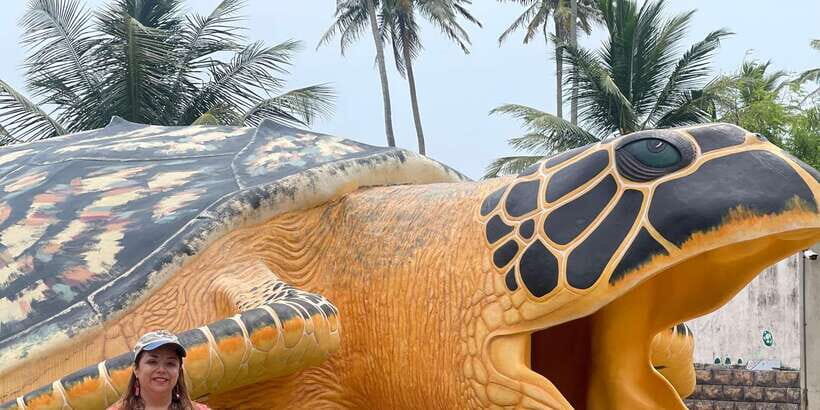
- Kosgoda turtle hatchery: a short, early stop focused on conservation and hatchlings’ journey
- Madu River safari by boat: the main nature moment, with a separate boat fee depending on your group size
- Moonstone mine viewing: you’ll see the extraction process behind the sparkle
- Tsunami Museum in Galle: a serious visit with exhibits tied to the 2004 tsunami
- Galle Fort walk and lighthouse: self-guided time in car-free streets and on the fort walls
Turtle hatchery at Kosgoda: where conservation starts before the sea
Your day begins with pickup from your accommodation in Negombo (or Colombo, depending on your selected option). Once you’re in the vehicle, the rhythm becomes simple: short stops, clear transitions, and just enough time at each place to absorb it without feeling rushed.
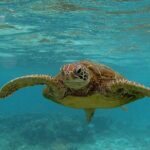
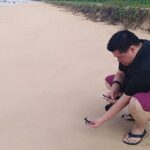
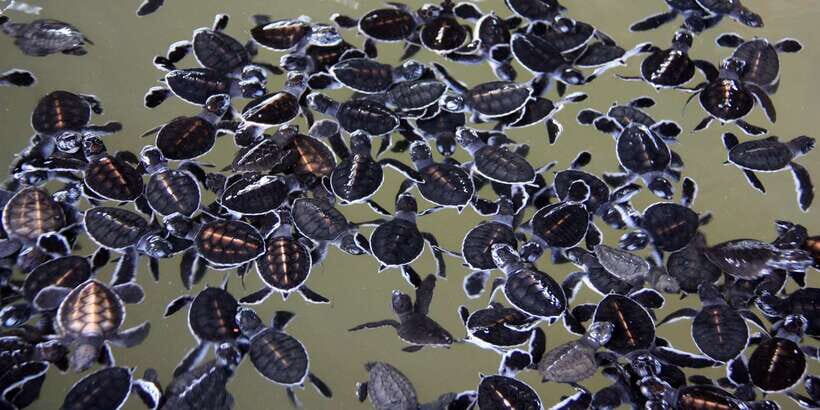
The sea turtle hatchery stop is scheduled for about 30 minutes at the Kosgoda Sea Turtle Conservation area. This is a conservation-focused site, so the point isn’t a quick photo and out the door. You’re there to see how the hatchery supports sea turtles and what the hatchlings’ path looks like after they leave the nest. The experience is also human-scale: the tour includes time to observe and interact, and it’s the sort of place where conservation stories land harder than generic wildlife sightings.
Practical tip: if you’re sensitive to sun and bugs, this morning stretch can still feel bright. Bring sunglasses, sunscreen, and insect repellent, and wear shoes you’re comfortable walking in, even if the grounds are manageable.
Other Galle tours we've reviewed in Galle

Madu River safari by boat: your best nature reset (and the separate fee)
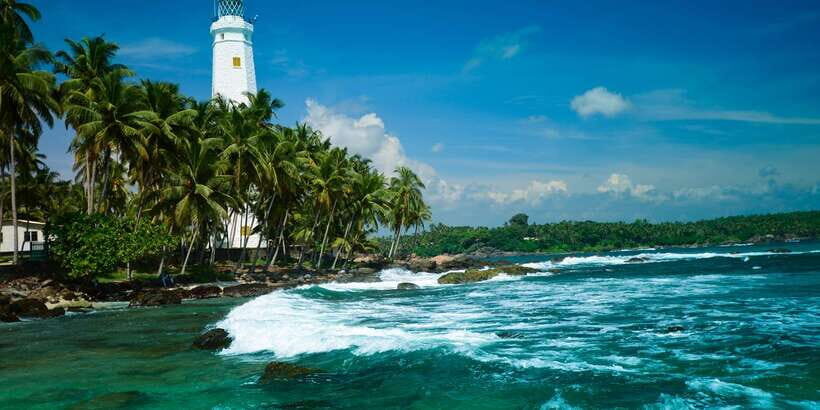
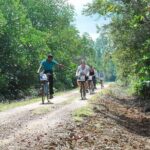
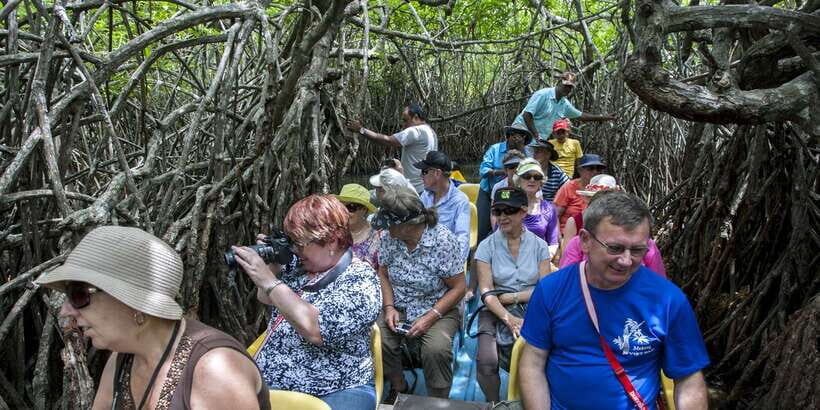
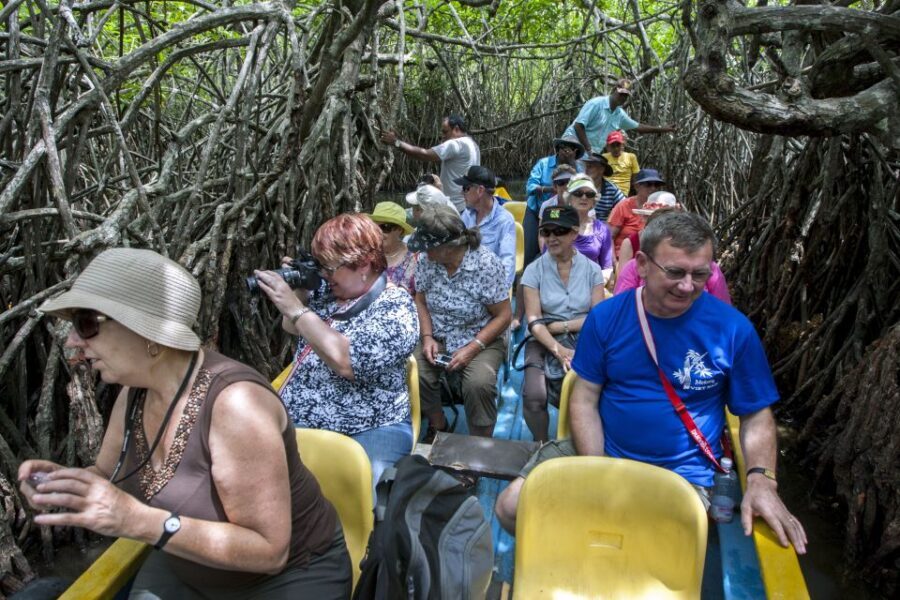
After the hatchery, you head toward the Madu River area for a boat cruise lasting about 1.5 hours. This is the part of the day that most people tend to remember, mainly because you’re moving through the environment instead of standing beside it.
The boat ride is a separate paid add-on. Cost is listed as $30 for solo travelers and $25 per person if you’re traveling in a group of 2–3 passengers. So when you’re budgeting, don’t just multiply the base price. This is the one “big-ticket” activity on top of the $85.
What you can expect on the river itself:
- a real boat safari format (not just a roadside viewing stop)
- lots of time spent on the water during the cruise
- a chance to slow down compared to the rest of the itinerary
Motion-sickness note (important): the activity is not suitable for people with motion sickness. If you’re even slightly unsure, take that seriously. The vehicle ride and then a boat ride can be a lot in one day.
Bring along what helps:
- binoculars if you like spotting birds or small wildlife from the boat
- sunscreen and a hat since river time can still mean strong daylight
- insect repellent because you’re on water, and insects love that mix of humidity and shade
Moonstone mine viewing: how Sri Lanka’s sparkle becomes a product
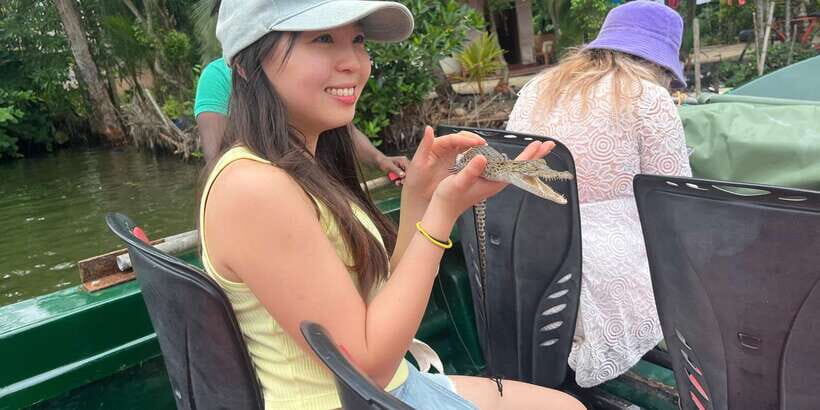
Next up is the moonstone mine. The stop is designed to show you the extraction process and connect it to the natural beauty of the stones.
This part of the day works best if you enjoy seeing how “pretty things” are made. Instead of treating moonstones like magic, you’ll get a look at how the gem world ties back to geology and local craft knowledge. Even if you don’t buy anything, it helps you understand what you’re looking at later in shops back in town.
Practical tip: wear comfortable clothes you don’t mind getting a bit dusty. Mines and extraction areas can vary in how clean and polished they look. The tour details don’t promise a formal presentation—it’s more of a real-world process stop—so dress accordingly.
Bentota Beach photo stop: quick coastal air, optional water-sport energy
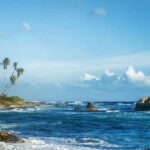
Bentota Beach is on the itinerary as a brief photo stop of around 10 minutes. That’s not a long beach hang, so manage expectations: you’re mainly getting a coastal break and some quick views rather than a full sun-and-swim session.
The highlight mentions thrilling water sports, but your time here is short. If water sports are available at the moment and you have energy, this can be a fun burst. Just don’t plan your day around staying in the water for long.
Bring sunglasses and a hat, because even a short beach stop can feel intense in Sri Lanka sun.
Tsunami Museum in Galle: history you don’t brush off
Then you’re back in Galle, with a visit to the Tsunami Museum. This is one of the most emotionally serious stops on the day.
You’ll walk through exhibits that focus on Galle’s resilience after natural disasters, with specific attention to the 2004 tsunami. The museum’s role here is simple and meaningful: it turns a tragedy from the news into something local, human, and grounded in what communities faced and how they recovered.
This stop can hit harder if you take a quiet minute to read at your own pace. It’s not the kind of museum where you rush to a final headline. If you prefer lighter sightseeing all day, you might find this moment heavy, but it’s also the part that gives the trip weight.

Galle Fort and lighthouse: Portuguese-Dutch-British layers on foot
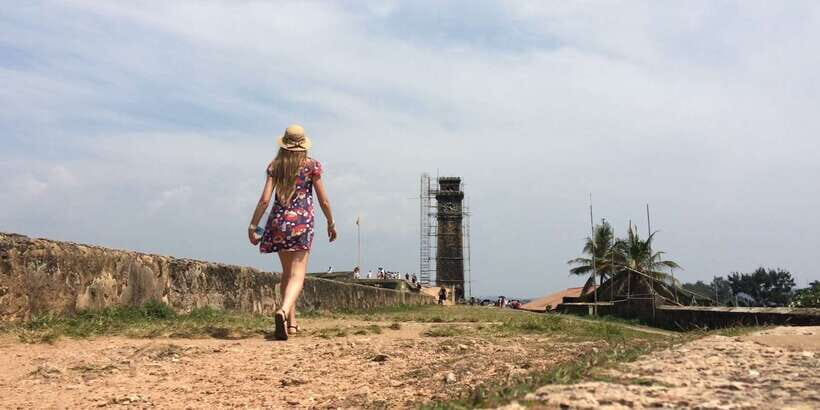
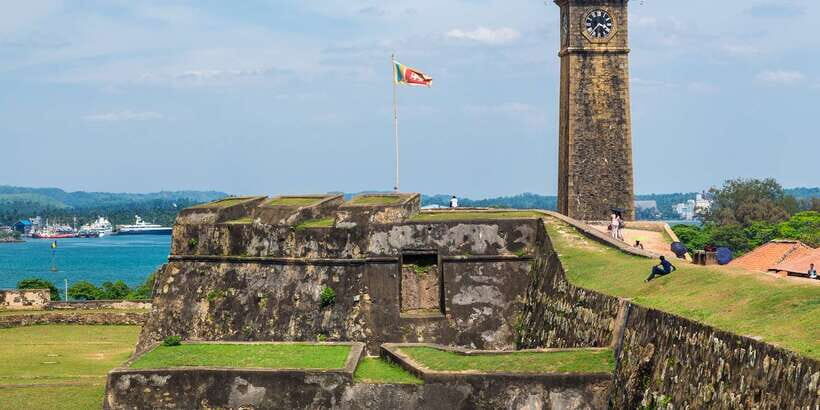
The day ends in Galle City with about an hour at Galle Fort for a walk and self-guided tour. This is the classic format: you get the important setting, then you explore at your own speed.
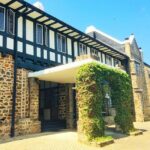
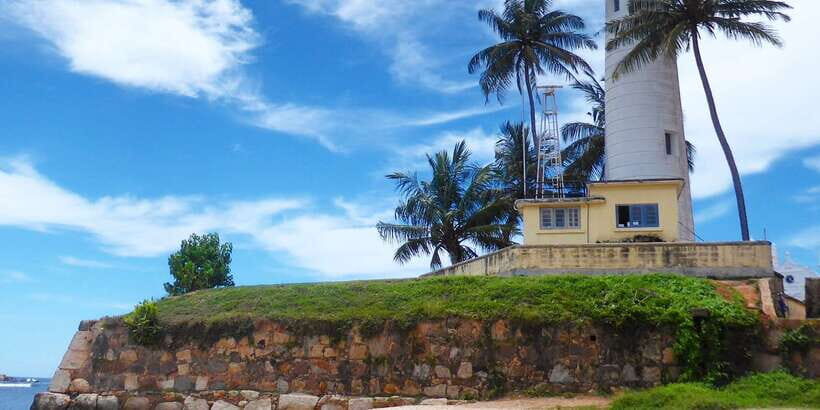
Galle Fort is encircled by stone sea walls, and the fort’s streets inside are car-free. The architecture reflects Portuguese, Dutch, and British influence—so even if you’re not a history person, you’ll notice the visual changes as you move.
The tour time is long enough for meaningful sightseeing if you choose your stops carefully:
- the 18th-century Dutch Reformed Church
- fort streets and sea-wall views
- and the Galle lighthouse at the fort’s southeast tip
Since it’s self-guided, you’ll do best if you pick a simple route: start inside the fort, follow the walls for sea views, and finish at the lighthouse area. If you scatter too much, your hour disappears.
Practical tip: the fort walk includes time on uneven ground and stairs in places, so comfy shoes matter more than you’d think.
How the 10-hour schedule really feels in practice
The tour runs about 10 hours total, though transfer time is described as roughly 8–10 hours depending on traffic and the time of day. It’s a shared transfer, which means your pickup and drop-off can depend on other people in the vehicle.
A few logistics points that affect your comfort:
- you’ll be picked up at your accommodation, but the pickup instructions stress arriving at the lobby about 10 minutes before the agreed time
- the tour isn’t designed for early or late pickup
- the pickup area may be outside city limits depending on where you’re staying, so additional charges may apply for some locations—contact the operator if you’re unsure
Also, expect a moderate amount of walking across the day. It’s not a hiking tour, but it’s not “sit the whole time” either.
Who this day trip suits:
- people who like a tight mix of nature + history
- first-timers who want Galle Fort without planning their own route
- anyone who enjoys seeing conservation and local processes, not just monuments
Who should skip it:
- pregnant women
- people with back problems, heart problems, recent surgeries, kidney problems
- people with motion sickness
- people with animal allergies or insect allergies
- people with a cold
Price and value: what $85 covers, and what to budget for add-ons
At $85 per person, this tour can be good value because it bundles a lot of major stops into one day: hatchery, river cruise, moonstone viewing, Tsunami Museum, Bentota beach, and Galle Fort.
But you should budget the extras that are clearly listed as not included:
- Turtle hatchery entrance ticket: $10 per person
- Madu River boat safari: $30 for solo, $25 per person if traveling in a group of 2–3
- Food and drinks: not included
Included items are helpful:
- pickup and drop-off at your accommodation in an air-conditioned vehicle
- an English-speaking driver
- bottled water and a water bottle
A realistic budget example:
- Solo: $85 + $10 turtle ticket + $30 boat + lunch of your choice
- Group of 2–3: $85 + $10 turtle ticket + $25 each boat + lunch
So the value comes from using the base tour price for transportation and the structured stops, while the “hands-on” components (entry ticket + boat ride) you pay separately.
My advice: if you’re trying to keep the day inexpensive, travel in a group of 2–3 so the Madu River boat price drops to $25 per person.
What to pack (and what not to bring) for a day like this
The tour asks for a pretty clear packing list, and it makes sense given sun, humidity, and boat time.
Bring:
- comfortable shoes (you’ll walk on the fort and around stops)
- sunglasses and a sun hat
- rain gear (weather can change fast)
- sunscreen and insect repellent
- a camera
- cash (for entrance tickets and the boat ride)
- binoculars (nice for river time)
- water bottle is provided, but you’ll still want your own comfort items
Not allowed items include:
- pets
- luggage or large bags
- drones
- alcohol and drugs
- glass objects
- fireworks or explosive substances
- making noise or making fire
- nudity
That list is unusual because it reads like a standard safety policy, but it’s still worth paying attention to. Keep your day bag light.
Should you book this Negombo-to-Galle day tour?
Book it if you want a structured, one-day sweep of Sri Lanka coastal life: turtle conservation, a true river cruise, moonstone extraction, and the emotional context of the Tsunami Museum, ending with a classic fort walk in Galle. The price can work well once you factor in the add-ons, and the English-speaking driver support helps make the day smoother than trying to stitch the stops together yourself.
Skip it if you’re not comfortable with a full day of driving plus some walking, or if motion sickness, insect allergies, or animal allergies apply. Also think twice if you hate paying extra once you arrive—because the turtle entrance and boat safari are not included, and lunch is on you.
If you match the pace and budget, this is the kind of day trip that gives you more than one kind of memory: living nature, local materials, and a city shaped by history and sea.
FAQ
Where do I get picked up, and where can I be dropped off?
Pickup is available in Negombo and Colombo (you choose the option). Drop-off is also available in Negombo and Colombo.
How long is the tour, and how much walking should I expect?
The duration is listed as 10 hours. There is a moderate amount of walking during the day.
Are entrance tickets and the Madu River boat safari included?
No. The turtle hatchery entrance ticket is USD 10 per person, and the Madu River boat safari is also not included. The boat costs $30 for solo travelers and $25 per person if traveling with 2–3 passengers.
What is included in the price?
The price includes pickup and drop-off at your accommodation in an air-conditioned vehicle, an English-speaking driver, and bottled water plus a water bottle.
Is lunch included, or do I pay for food separately?
Food or drink is listed as not included. The day includes a local restaurant stop for lunch time, but you’ll pay for what you choose there.
What should I bring for this tour?
Bring comfortable shoes, sunglasses, a sun hat, camera, sunscreen, rain gear, insect repellent, comfortable clothes, cash, and binoculars.
What items are not allowed during the experience?
The tour lists no pets, no luggage or large bags, no drones, and no alcohol and drugs. Glass objects, fireworks/explosives, making noise or making fire, and nudity are also not allowed.
Is Galle Fort guided or self-guided?
Galle Fort is listed as a walk with a self-guided tour for about 1 hour.
Is the tour refundable if I cancel?
Yes. There is free cancellation up to 24 hours in advance for a full refund.