REVIEW · BALAPITIYA
Madu River Boat Tour and Cinnamon Garden visit
Book on GetYourGuide →Operated by Ceylon Nature Tours · Bookable on GetYourGuide
Mangroves change how you see Sri Lanka.
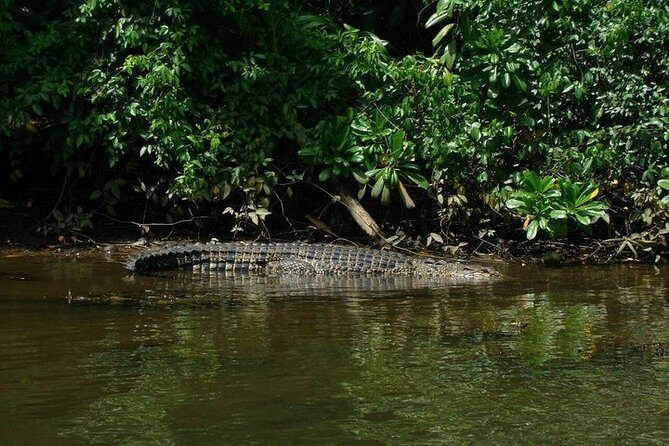
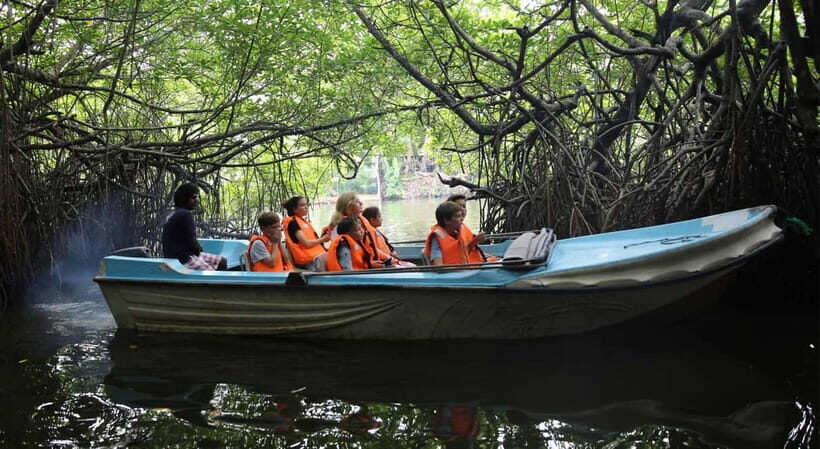
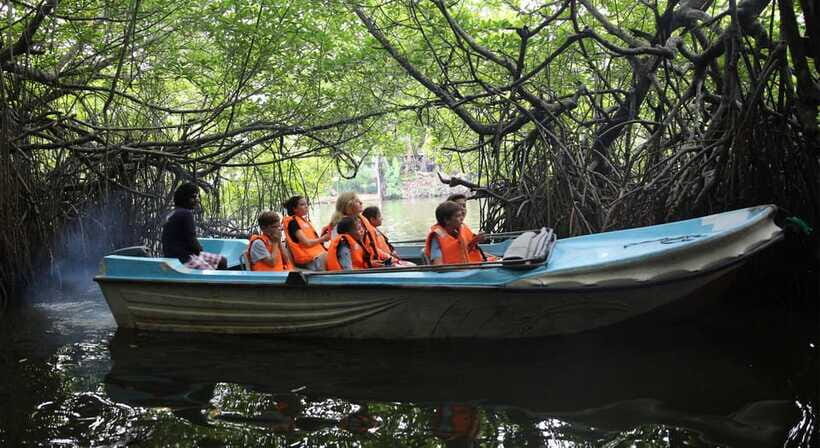
I love the boat ride through mangrove tunnels and the chance for close-up wildlife, including crocodiles basking in the shallows. It’s one of those outings where the scenery does the entertaining, but the wildlife surprises keep coming.
One thing to plan around: the experience can feel a bit rushed, and the on-board explanations may be basic even if English is advertised. That doesn’t ruin it, but it does mean you should come ready to enjoy mostly by watching, not by a long lecture.
The best part for many people is the mix: nature on the river, then a cinnamon island stop and an ancient Buddhist temple on an island—short enough to fit into a full day.
In This Review
- Key things that make this tour worth your time
- Finding the right starting point near Balapitiya
- The Madu River boat ride: slow enough to watch, fast enough to feel alive
- Wildlife spotting you can actually enjoy (not just hope for)
- A quick note on conservation
- Cinnamon island and plantation stop: buy spice like a local
- The ancient Buddhist temple island stop: small, meaningful, easy to respect
- Optional fish massage: weird in a good way
- Timing and pacing: how to plan the rest of your day
- Price and value: is $29 fair for what you get?
- Who should book this tour, and who might not love it
- Final call: should you book the Madu River boat tour and cinnamon visit?
- FAQ
- How long is the Madu River boat safari?
- How much does the tour cost?
- What’s included in the ticket price?
- Is food included?
- Where is the meeting point?
- Is the guide available in English?
- What stops do you make besides the boat ride?
- Is the fish massage included?
- Cancellation and refunds
Key things that make this tour worth your time
- Shaded mangrove tunnels plus open sun sections for changing views on the same cruise
- Wildlife spotting in real habitat, including crocodiles and other river-dwelling creatures you can actually see
- Traditional prawn and shrimp traps in the shallows, giving you a working-farmer feel for the river
- Cinnamon plantation and cinnamon island visit, with the option to buy fresh spice
- Island temple stop, adding cultural context to the natural setting
- Optional fish massage, a fun, strange add-on if you want to try it
Finding the right starting point near Balapitiya
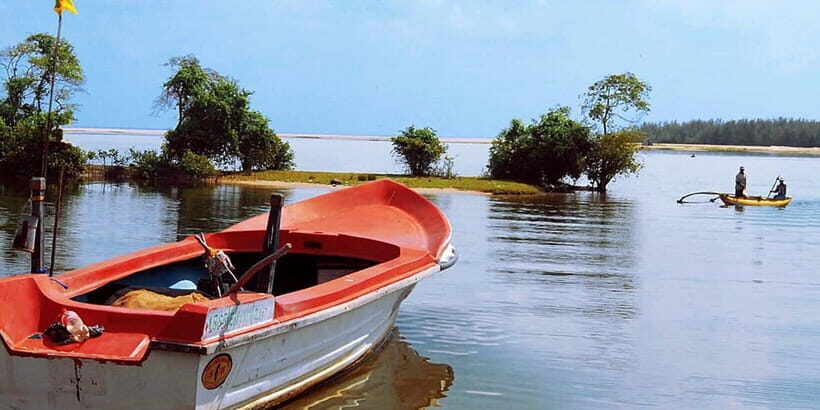
This tour runs from the Balapitiya area and meets at Madu River Safari by Nilwala (you can find it on Google Maps). That matters because the region has more than one “river tour” option, and you don’t want to guess on the day.
If you’re going with a pickup, I’d still treat the meeting point as your anchor. A couple of people have run into messy pickup timing, so having the exact location in your phone helps you keep control of your morning.
If you're still narrowing it down, here are other tours in Balapitiya we've reviewed.
The Madu River boat ride: slow enough to watch, fast enough to feel alive
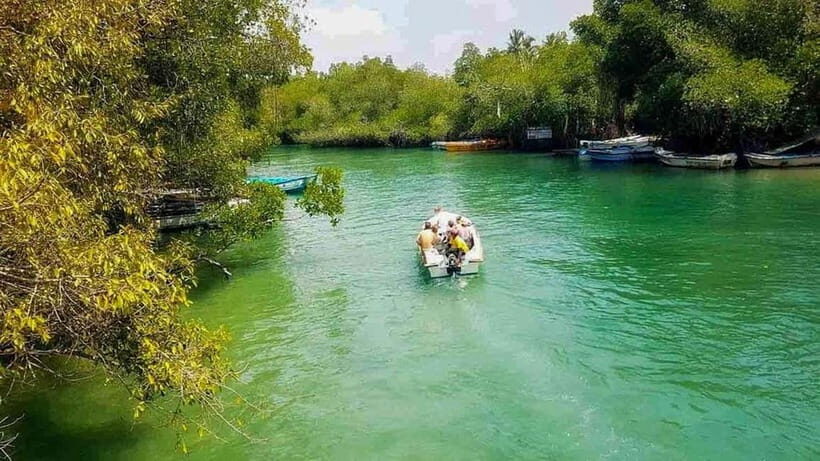
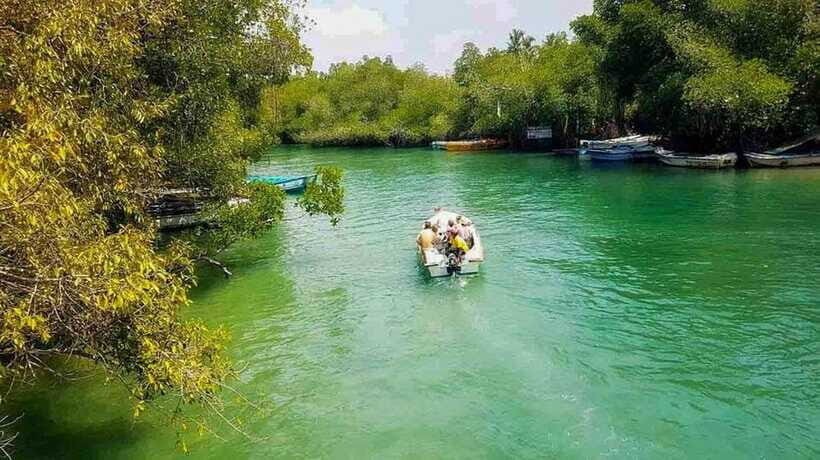
The main event is a 1–2 hour boat safari on the Madu River. You glide out from the Balapitiya area and travel through mangrove marshlands, where the boat can shift between shaded stretches (thicker mangrove cover) and brighter open-water sections.
What I like about this format is that it works on two levels:
- You can relax and let the river noise fade out.
- You also get repeated chances to spot animals as the boat moves from tight cover to more visible edges.
In practice, it’s not a “sit still and stare” kind of tour. The captain and guide keep moving the boat through channels, which means wildlife may show up when you’re not expecting it—like a crocodile or a bird that suddenly pops into view near the banks.
Wildlife spotting you can actually enjoy (not just hope for)
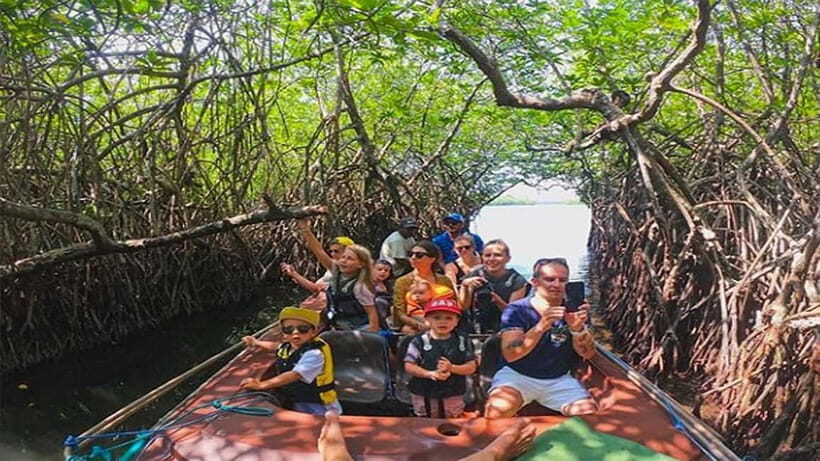
Madu River is famous for wildlife, and this tour is built around that. You can look out for crocodiles, water snakes, birds, and even larger animals such as wild boars (depending on the day and where the boat is guided).
A standout is how the guide helps you notice things in the undergrowth and along the waterline. Even when the commentary is limited, the act of searching through mangroves is part of the fun. Some people have reported seeing very small surprises too, like jellyfish and baby alligator-type sightings, plus big lizards in the right conditions. That’s the payoff: the river keeps giving you “wait—what’s that?” moments.
You’ll also see traditional prawn and shrimp traps in the shallows. This is one of those details that makes the whole area feel less like a theme park. You’re seeing a working river system, not just a pretty backdrop.
A quick note on conservation
Mangroves are fragile, and the river is crowded with life for a reason. I’d go in with a conservation-minded attitude: keep your expectations realistic, don’t demand extra attention for photos, and follow whatever instructions the guide gives about how close to get (and where not to go). The more the experience stays respectful, the better it stays for wildlife long-term.
Cinnamon island and plantation stop: buy spice like a local
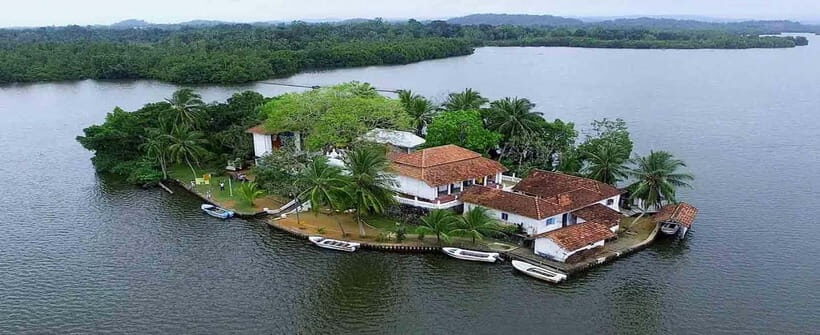
After the river cruise, the tour includes a stop on a cinnamon island / cinnamon plantation area. This is one of the best value moments because you’re not just hearing about cinnamon—you can buy fresh cinnamon.
Here’s how I’d think about it if you like souvenirs:
- Most “tropical spices” you buy elsewhere are already dried and processed for retail.
- A cinnamon island stop gives you a chance to purchase a fresh product tied to the growing area.
You’ll also get to see different plants and watch how the plantation area sits right next to river life. Even if you’re not a spice nerd, it’s a pleasant break from boat time—breeze, sun, and a more open pace.
And if you’ve ever tried to find good cinnamon at home, this is the kind of memory you can bring back in a small jar and use daily.
The ancient Buddhist temple island stop: small, meaningful, easy to respect
Another key stop is an island with an ancient Buddhist temple. It’s the culture side of the day, and it’s valuable because it connects the river landscape to the people who live around it.
Keep it simple when you visit. Move carefully, dress respectfully, and don’t rush through it for photos. The island setting makes the temple feel quieter than a city site. If you want a moment to reset after scanning for animals, this is a good place to do it.
Optional fish massage: weird in a good way
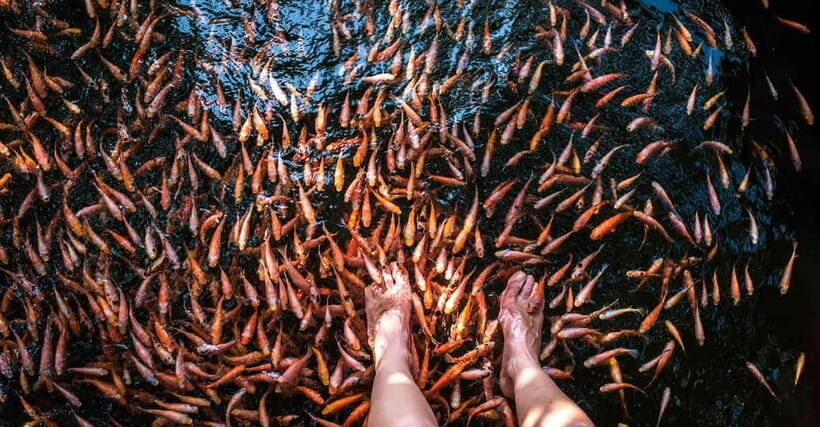
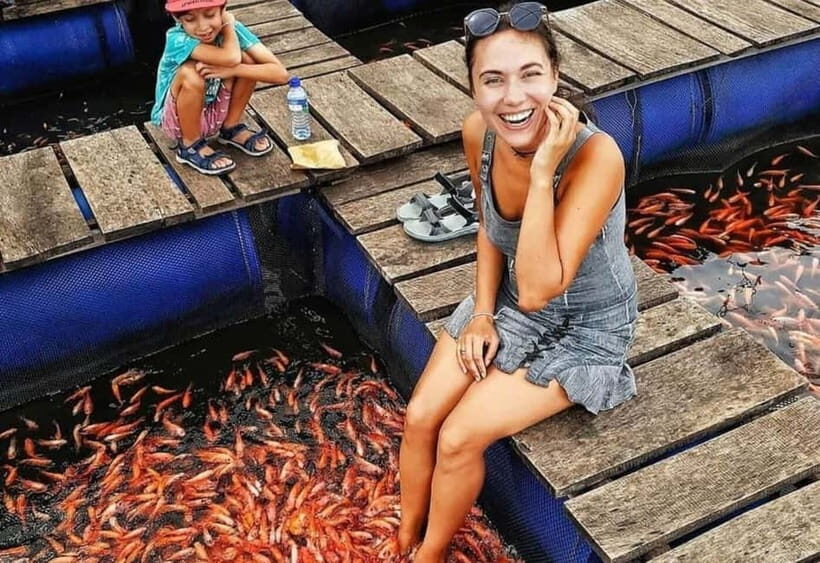
Some tours offer a novelty “fish spa,” and this one gives you an optional fish massage. Tiny fish gently massage your feet, and the whole thing is pretty short.
If you’re curious and not squeamish, it can be a fun capstone after the river boat. If you don’t like the idea of insects or fish near skin, skip it. The rest of the day still works without it.
Timing and pacing: how to plan the rest of your day
Although the tour is listed as lasting 1 day, the actual boat safari time is typically 1–2 hours. That’s a good setup if you’re juggling other plans in Sri Lanka and want something that doesn’t eat a full afternoon.
Still, pacing can be a factor. Some people have felt the overall experience was a bit rushed, which usually comes down to how long you get at each stop. If you’re the type who loves lingering—taking your time in nature or reading every sign—this may feel tighter than you expect.
If you’d rather maximize the feel-good parts, plan for a slower day elsewhere. I’d keep a bit of buffer before and after, especially if you want time for a relaxed lunch on your own (since food isn’t included).
Price and value: is $29 fair for what you get?
At $29 per person, this tour sits in the “worth it if you like nature” category. The price covers the 1–2 hour boat safari, a live tour guide (English language is listed), and all taxes/fees/handling charges.
What you’re paying for is basically this mix:
- A river boat ride through mangrove marshes (the main attraction)
- Wildlife viewing in habitat (not a zoo-style show)
- Cinnamon plantation time (a tangible shopping moment)
- An island temple stop (culture in a short format)
What can reduce the “all-in” value is this: some people have noticed that certain stops or add-ons can be extra once you’re there. The fish massage is mentioned as optional, and there may be other paid items depending on the day and how the program runs. So I’d budget a little wiggle room if you plan to buy cinnamon or do any extras.
Also: food and drinks aren’t included, so you’ll want to plan a meal on your own afterward. The good news is you can usually pair this with a relaxed lunch, since the core outing is short.
Who should book this tour, and who might not love it
This is a great match for you if:
- You like wildlife sightseeing where the animals aren’t performing on cue.
- You want mangrove scenery without a long travel commitment.
- You’re interested in both nature and culture in the same outing.
- You enjoy practical, hands-on experiences like seeing prawn/shrimp traps and buying cinnamon.
You might hesitate if:
- You expect lots of detailed, fluent narration the entire time.
- You hate rushed pacing at stops.
- You want a fully packaged, food-included day (this one doesn’t include meals).
Final call: should you book the Madu River boat tour and cinnamon visit?
I’d book it if you’re aiming for one memorable, nature-centered day that doesn’t lock up your whole schedule. The mangrove channels, the realistic wildlife potential, the cinnamon purchase, and the quick island temple stop make it a strong “value + variety” combo for Sri Lanka’s southwest coast.
Just go in with the right expectations: enjoy the river first, treat information as a bonus, and leave room for short stop times. If that sounds like your kind of day, this tour is a very solid pick.
FAQ
How long is the Madu River boat safari?
The tour includes a boat safari of about 1–2 hours.
How much does the tour cost?
The price is $29 per person.
What’s included in the ticket price?
It includes the 1–2 hours boat safari, a live tour guide, and all taxes, fees, and handling charges.
Is food included?
No. Food and drinks aren’t included.
Where is the meeting point?
Meet at Madu River Safari by Nilwala (you can find it on Google Maps).
Is the guide available in English?
Yes. The tour lists a live English-speaking guide.
What stops do you make besides the boat ride?
You’ll visit an ancient Buddhist temple on an island, and you’ll stop by a cinnamon plantation/island where you can buy fresh cinnamon.
Is the fish massage included?
The fish massage is described as an option. It’s not presented as a required part of the tour.
Cancellation and refunds
If you book, you can cancel up to 24 hours in advance for a full refund.