REVIEW · GALLE
Sinharaja Rain Forest Day Tour from Mirissa, Galle, Bentota Area
Book on Viator →Operated by Top Guide Sri Lanka · Bookable on Viator
Sinharaja is the real Sri Lanka nature fix. This private day trip takes you into Sinharaja Forest Reserve, a UNESCO-listed primary rainforest, then pairs it with a tea plantation visit so you get both wildlife and the Ceylon tea story. It’s a great way to turn a beach-day base in Mirissa or Galle into something wilder and more memorable.
I especially like how the forest time is guided with intent. With guide Chamara (and a support ranger/forest guide when needed), you’re not just walking—you’re being pointed toward the good stuff like waterfalls and animal sightings, plus help on slippery rocks. I also love that lunch is included (Sri Lanka rice and curry), so you’re not hunting for food mid-trek.
One consideration: entrance tickets (and other small add-ons) are not fully included in the base price, so the final cost can be higher than the headline number. Also, it’s best for people with at least moderate walking comfort—expect uneven ground and wet conditions.
In This Review
- Key points to know before you go
- Sinharaja from the south coast: why this day feels special
- Pickup and timing: turning Mirissa and Galle into a real day trip
- Inside Sinharaja Forest Reserve: waterfalls, animals, and slippery-rock reality
- What you may notice once you’re there
- Tea plantation stop: learning how Ceylon tea actually gets made
- Handunugoda Tea Estate: Virgin White Tea and why it’s different
- Lunch of Sri Lanka rice & curry: one included meal that helps a lot
- Snacks and extra items
- Price and logistics: what $55 really buys
- Value check in plain terms
- Who should book (and who should skip)
- A guide like Chamara makes a difference
- What to pack so the forest day stays enjoyable
- Quick decision: should you book this Sinharaja day tour?
- FAQ
- How long is the Sinharaja Rain Forest day tour?
- What areas are picked up for this tour?
- Is the Sinharaja Forest Reserve entrance ticket included?
- Is lunch included?
- Is tea included in the itinerary?
- What is the cost for Handunugoda Tea Estate admission?
- Do I get hotel pickup and drop-off?
- Is this tour private or shared?
- Can I cancel for free?
Key points to know before you go
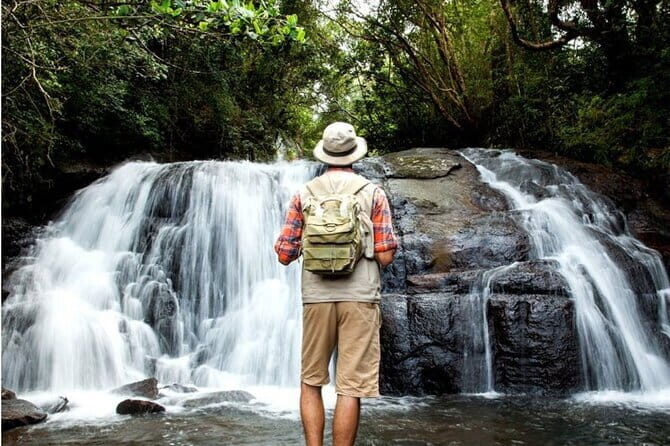
- Sinharaja Forest Reserve is a UNESCO Biosphere Reserve area and one of the last primary tropical rainforests in Sri Lanka’s wet zone
- Chamara-guided trekking helps you find waterfalls and manage slippery spots safely
- Tea stops cover both production basics and a specialist estate visit
- Lunch of rice & curry is included, plus bottled water for the day
- Bring long clothes and proper shoes because the forest is damp and the ground can be slick
Sinharaja from the south coast: why this day feels special
If your Sri Lanka trip has mostly been about trains, temples, and coastal views, this is a sharp change of pace. Sinharaja Rain Forest is the kind of place where the air feels different—cooler, damper, and full of small movement you’d miss on your own. It’s also famous for being one of the last viable areas of primary tropical rainforest in the world, and it’s been protected as a Biosphere Reserve and UNESCO World Heritage Site.
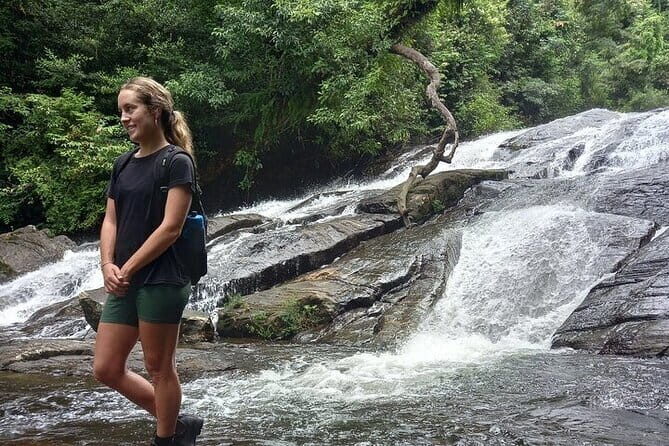
What I like for your planning purposes is that this isn’t just a scenery drive. You’re getting real time in the forest—enough to notice birds, lizards, and monkeys, and to feel how the rainforest “runs” on water, shade, and time of day. Several people also highlight waterfalls you can reach within the reserve, including spots where cool pools are used by swimmers (your guide will tell you what’s safe).
You’re also doing a smart two-part mix: rainforest first, tea second. That matters because tea estates are a natural contrast. One moment you’re watching misty green layers and hearing insects, and the next you’re learning how Sri Lanka turns leaves into tea you’ll actually drink back home.
Other Galle tours we've reviewed in Galle

Pickup and timing: turning Mirissa and Galle into a real day trip
This runs as a private tour with hotel pickup and drop-off across the south coast belt—Colombo, Bentota, Ahungalla, Balapitiya, Hikkaduwa, Galle, Unawatuna, Ahangama, Weligama, Mirissa, Matara, and Tangalle. That means you avoid the “where’s the bus?” stress and start moving toward the rainforest straight from your base.
Expect a 4 to 8 hour window, depending on how your day shapes up. It’s often best when you treat this as a full-on block of time, not a quick add-on. The forest side needs breathing room—stopping for photos, pausing for animal spotting, and working around wet, slippery patches.
Comfort is handled with private air-conditioned transportation and bottled water. It’s a small detail, but on a humid day it keeps the “energy cost” reasonable before you even reach the trail.
Inside Sinharaja Forest Reserve: waterfalls, animals, and slippery-rock reality
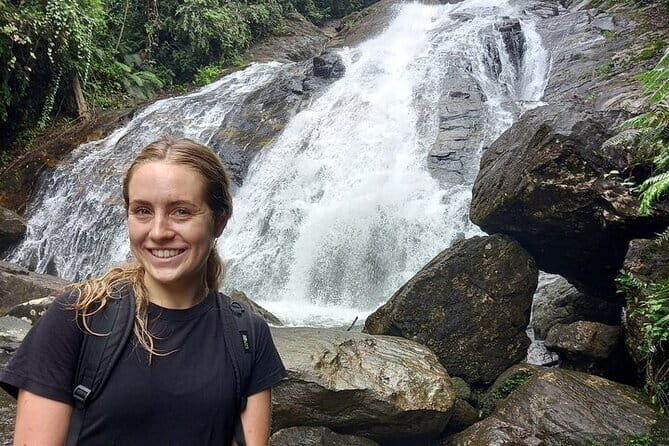
The heart of the trip is Sinharaja Forest Reserve. You arrive, then you’re guided into the rainforest area to look for wildlife and reach highlights such as waterfalls. People often mention seeing birds, snakes, lizards, and monkeys, and that’s the main point: the rainforest is alive in a lot of ways, not just with big scenery.
Bring the right mindset. The best rainforest days are not about sprinting. They’re about slow scanning—waiting for a movement, listening for calls, and letting your guide show you where to stand.
Several notes that help you prepare:
- Expect wet ground. One guide (Chamara) is specifically praised for helping negotiate slippery rocks during the day tour.
- Waterfall time can be wet and slippery too. If you’re aiming to get near pools, you’ll want to follow your guide closely on safe footing.
- Clothing matters. Reviews strongly recommend long clothes and shoes, not sandals and not flimsy sneakers.
Also plan for moderate physical effort. You don’t need to be a trail athlete, but you should be ready for uneven paths and a damp, grippy-sometimes-not type of footing.
What you may notice once you’re there
In a rainforest, you start “reading” the place differently. You see how water channels the sound—bird calls carry, insects buzz in layers, and the shade cools you down in bursts. You’ll also likely spot more than you expect if you go with patience and don’t treat every stop as a photo-only moment.
The guided part is the difference between seeing trees and seeing rainforest life.
Tea plantation stop: learning how Ceylon tea actually gets made
During the first half of the day, you’ll also get a tea plantation visit that explains the tea production process in Sri Lanka. This is a useful stop even if you’ve seen tea fields before, because the learning angle is about how the leaves move from plant to processing.
Why I think this is valuable for your trip: tea is one of Sri Lanka’s biggest exports and cultural signals, but it can feel abstract if all you’ve done is taste tea in a café. A plantation visit puts the story into physical steps—fields, harvesting, and processing stages—so when you buy tea later, you’ll understand what you’re paying for.
Since the tour includes lunch and forest time, this plantation stop also helps break the day into “active trek” plus “explain-and-watch” rhythm.
Other Mirissa tours we've reviewed in Galle


Handunugoda Tea Estate: Virgin White Tea and why it’s different

Next up is Handunugoda Tea Estate, a family-owned operation in the Ahangama area near Galle. The estate runs about 200 acres, with roughly 150 acres dedicated to tea, plus rubber, cinnamon, and coconut.
The big star here is their Virgin White Tea. The catch is that it’s made using an old Chinese-style approach: during harvesting and processing, the tea is never touched by human hands. Workers use sterilized scissors and gloves to pick tender buds at dawn. The result is positioned as a very pure, high-antioxidant style of tea.
You’ll spend about 45 minutes at this estate visit. That’s short enough to keep it from dragging, but long enough to get the explanation and see what makes this tea method stand out.
Cost note: admission at this tea estate is listed as LKR 1000, and the tour also notes that entrance tickets aren’t included in the base price. So budget for it, even if you’re not planning to buy anything.
Lunch of Sri Lanka rice & curry: one included meal that helps a lot

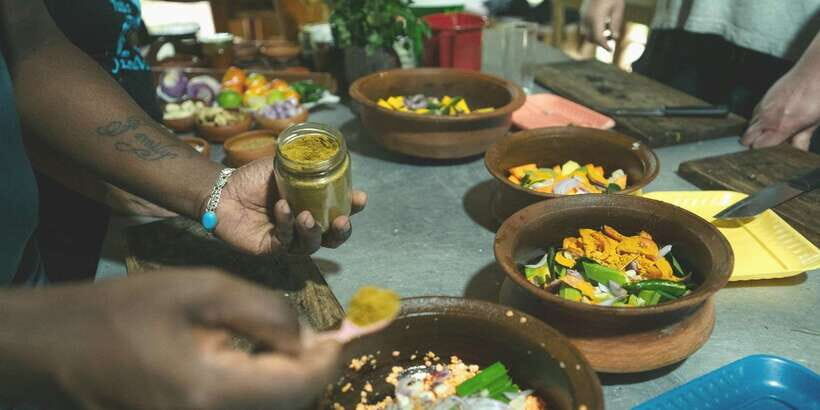
One of the easiest “value wins” on this tour is that lunch is included: Sri Lanka rice & curry, plus the day is supported with bottled water.
If you’ve done rainforest treks before, you know how quickly energy fades when you’re walking and humidity is high. Having a meal planned in advance means you can keep your day moving instead of turning the trek into a hangry hunt for food.
Some people also describe lunch as homemade-feeling and personal, which makes sense on a tour like this where the guide and local contacts do a lot of the day-to-day arranging. Even if your portion varies, the point stays the same: you get a proper meal included, not snacks you have to buy yourself.
Snacks and extra items
The tour listing indicates that snacks per person aren’t included under the add-on cost. So if you snack often, bring your own small extras or plan to budget once you’re out.
Price and logistics: what $55 really buys
The base price is $55 per person, which already covers some major “day-trip friction” like pickup and drop-off, private air-conditioned transport, a licensed tour guide, bottled water, and lunch.
Where you need to be a bit street-smart is the add-on cost. The tour details say entrance ticket and guide/snacks are not included, with an extra $30 per person mentioned for tour guide, entrance ticket, and snacks. At the same time, the “included” list says a licensed tour guide is part of the package.
So here’s the practical way to handle it: before you pay on the day, confirm what that $30 covers for your exact booking—especially entrance/park fees and whether it’s for any additional ranger support inside the reserve. Don’t assume it’s only entrance tickets.
Value check in plain terms
This tour is usually worth it if you want:
- Private transport from your hotel area
- Forest guiding (the spotting and waterfall routing)
- Lunch without planning it
- A tea pairing that adds meaning beyond just walking
It may feel less like a deal if you’re the type who prefers DIY hiking and you already have cheap transport sorted out. The “guided rainforest with pickup” is the value engine here.
Who should book (and who should skip)
This trip fits best if you:
- Like nature walks and want a real rainforest experience
- Want a guided day where animals and waterfalls are more likely to happen for you
- Prefer a structured tour where lunch and transport are handled
It’s also a good fit for couples and small groups because it’s private—so you’re not stuck behind strangers who stop every ten meters for photos.
Skip or rethink it if:
- You’re sensitive to wet, slippery ground and don’t want moderate walking
- You hate paying extra for entry-related items on top of the base price
- You want a totally relaxed, no-walking day (this is a trek day, not a sit-and-look tour)
A guide like Chamara makes a difference
A standout theme in the experience details is the role of the guide. Chamara is specifically praised for being strong with the Sinharaja forest and its surroundings, including helping with tricky, slippery areas. That kind of guidance is what keeps the day fun instead of stressful.
You’re also more likely to find the highlights—waterfalls and the spots where wildlife activity is higher—when the guide is directing your pace and positioning you well.
Even if you’re an experienced hiker, rainforest navigation and waterfall footing are a different game. In this setting, a skilled local guide is not a luxury. It’s part of what makes the tour work.
What to pack so the forest day stays enjoyable
I’d plan for damp ground, mud risk, and a day that mixes walking with short stops. Here’s what you should take seriously:
- Long clothes to protect your legs and arms
- Solid shoes with grip (one of the best recommendations from the experience notes)
- A light layer for cooler, shaded forest air
- Any basic rain gear you like (the wet zone can surprise you)
- Sun protection for tea-plantation time in open areas
Also, keep your phone charged. Rainforests don’t care about your battery life.
Quick decision: should you book this Sinharaja day tour?
Book it if you want one efficient day that gives you Sinharaja rainforest time, a real guide-led experience with waterfalls and wildlife potential, plus included lunch and a tea stop that adds context to what you’re tasting later. The private pickup from Mirissa, Galle, Bentota, and nearby towns is a big quality-of-life win.
Pass or compare if you’re on a super-tight budget because entrance and related add-ons bring the total up. And if you don’t enjoy moderate walking on uneven, wet ground, look for a shorter, easier nature option.
If your goal is a memorable, authentic rainforest day without the hassle of planning transport and entry details, this one makes a lot of sense.
FAQ
How long is the Sinharaja Rain Forest day tour?
The tour runs about 4 to 8 hours, depending on how the day flows.
What areas are picked up for this tour?
Pickup is offered from Colombo, Bentota, Ahungalla, Balapitiya, Hikkaduwa, Galle, Unawatuna, Ahangama, Weligama, Mirissa, Matara, and Tangalle.
Is the Sinharaja Forest Reserve entrance ticket included?
Entrance tickets are not included in the tour price, and there is an additional cost mentioned for entrance tickets.
Is lunch included?
Yes. Lunch Sri Lanka rice & curry is included.
Is tea included in the itinerary?
Yes. You’ll visit a tea plantation and also stop at Handunugoda Tea Estate.
What is the cost for Handunugoda Tea Estate admission?
The admission fee listed for Handunugoda Tea Estate is LKR 1000.
Do I get hotel pickup and drop-off?
Yes. Hotel pickup and drop-off are included.
Is this tour private or shared?
It’s private. Only your group will participate.
Can I cancel for free?
Free cancellation is available. You can cancel up to 24 hours in advance for a full refund. Within 24 hours, there is no refund.