REVIEW · GALLE
Bentota: All Inclusive Galle Dutch Fort & Madu River Safari
Book on GetYourGuide →Operated by Sign of Lanka (Pvt) Ltd · Bookable on GetYourGuide
A day of forts and river wildlife. I like how the route strings together Galle Dutch Fort and the Madu Ganga boat safari in one go, then adds real conservation work at a Kosgoda hatchery. The one watch-out: the quality of on-site explanation can depend on the guide, so don’t count on every stop having the same level of English detail.
What makes this outing feel special is the mix of architecture, wetlands, and wildlife—Portuguese-era walls on the hill, then a 900+ hectare river system where locals fish and birds hang out. You’ll be moving at a travel-friendly pace, but you should be ready for a long, full day (roughly 8 hours) rather than a slow wander.
In This Review
- Key Things to Know Before You Go
- Galle Dutch Fort: Portuguese Walls, 14 Bastions, and Photo-Friendly Stops
- From Hotel to Fort: Timing That Keeps the Day Smooth
- Balapitiya and Madu Ganga: Wetland Wildlife Without the Theme-Park Feel
- Cinnamon Island, Temple Island, and the Fish Therapy Moment
- Kosgoda Sea Turtle Hatchery: Conservation You Can Actually See
- Price and Value: Does $80 Cover the Stuff That Usually Adds Up?
- Logistics: Pickup Options, English Guide, and What to Bring
- Who This Tour Suits Best (and Who Might Want a Different Plan)
- Should You Book This Galle Fort and Madu River Safari Day?
- FAQ
- How long is the tour?
- Where do you get picked up and dropped off?
- What are the main stops during the day?
- Is lunch included?
- What language is the guide?
- What should I bring?
Key Things to Know Before You Go
- Galle Dutch Fort (1588) with 14 bastions: Portuguese-built fortifications mixing European and South Asian design.
- Utrecht Bastion lighthouse (1883): built to mark Queen Victoria’s diamond jubilee.
- Protestant Church (1775) inside the fort area.
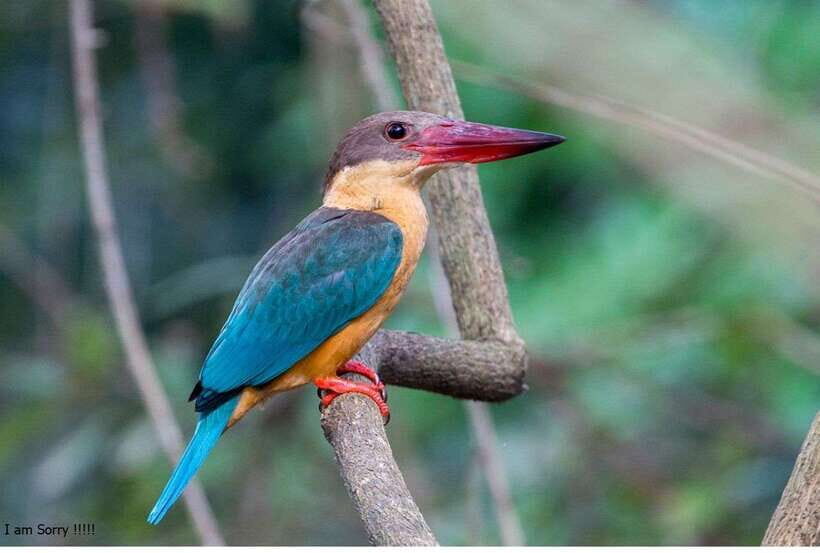
- Madu Ganga wetland safari in Balapitiya: kraal fishing structures plus birds such as pond herons and kingfishers.
- Cinnamon Island and Temple Island stops with short walks and photo time.
- Kosgoda turtle conservation visit: see how hatchlings are protected and later released.
Galle Dutch Fort: Portuguese Walls, 14 Bastions, and Photo-Friendly Stops
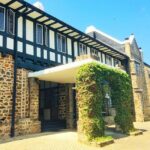
Galle Dutch Fort is the kind of place where you don’t need to be a history nerd to feel the impact. The fort area dates to Portuguese construction in 1588, and you’ll notice a blend of styles as you move through the stonework and bastions. The tour typically starts with a photo stop and guided walk, then gives you free time to explore on your own.
Inside the fort, the standouts are very specific and very concrete. You’ll see the Utrecht Bastion, which has a lighthouse built in 1883 to commemorate Queen Victoria’s diamond jubilee. You’ll also visit the Protestant Church from 1775. These are easy “anchor points” for photos, and they also help you understand that the fort wasn’t just for defense. It became a living European-style town center in its own way.
Here’s the practical side: when a guided tour is doing its job, you get faster context—where to look, what matters, and how to read the fort layout. Some past participants felt the fort explanation wasn’t strong or wasn’t well covered in English, so if you’re someone who needs a running commentary, arrive ready to ask questions during the guided portion. If you just want the sights and a chance to roam, the free time helps you make your own connections.
Tip: wear shoes you can walk in. Galle Fort is not hard walking, but it’s still uneven stone and ramps, and you’ll appreciate comfortable footing.
Other Galle tours we've reviewed in Galle
From Hotel to Fort: Timing That Keeps the Day Smooth
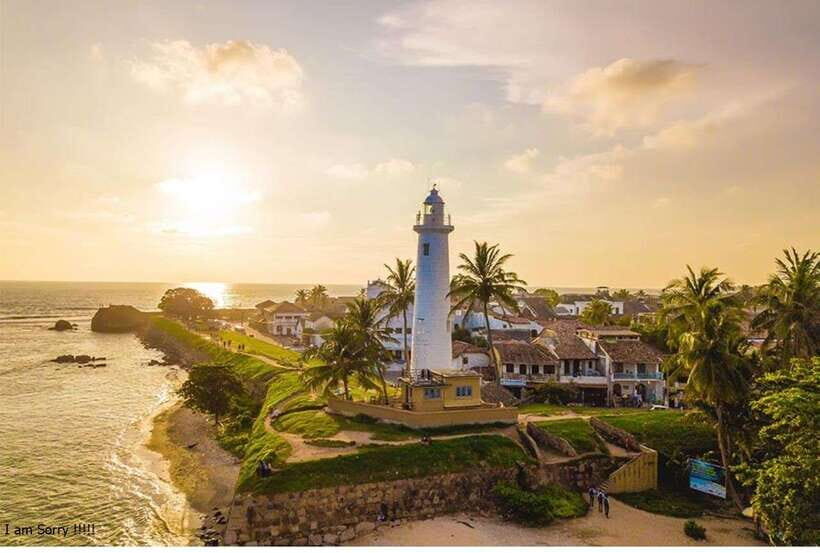
The day is designed as a one-day loop with pickup and drop-offs across the south-west coast. Your morning starts around 7:00 AM, with hotel pickup from one of these areas: Kosgoda, Balapitiya, Beruwala, Bentota, or Induruwa. The plan is to reach Galle Fort for about 9:00 AM, so you get the fort before the late-afternoon light turns everything into a guessing game.
The schedule then moves you toward Balapitiya by around 12:00 PM, and your river safari takes place at about 2:00 PM. After that, you shift to the Kosgoda turtle hatchery area around 5:00 PM. You finish the whole circuit back at your hotel around 5:00 PM (with the exact timing depending on traffic and your drop-off location).
Why this matters: you’re not trying to cram everything at night, and you’re not spending your day stuck waiting around. In a region where roads can slow down, this kind of timing is the difference between a fun day and a rushed one.
Balapitiya and Madu Ganga: Wetland Wildlife Without the Theme-Park Feel
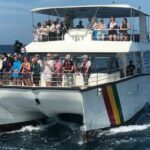
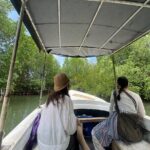
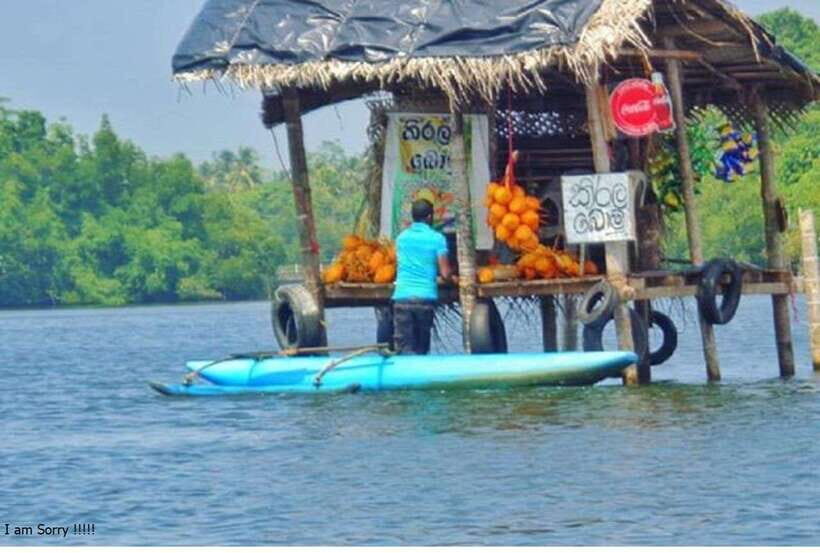
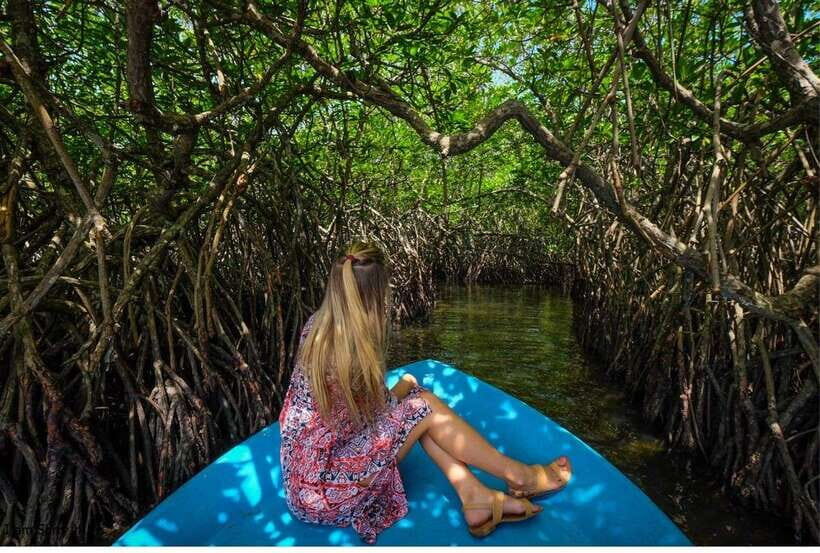
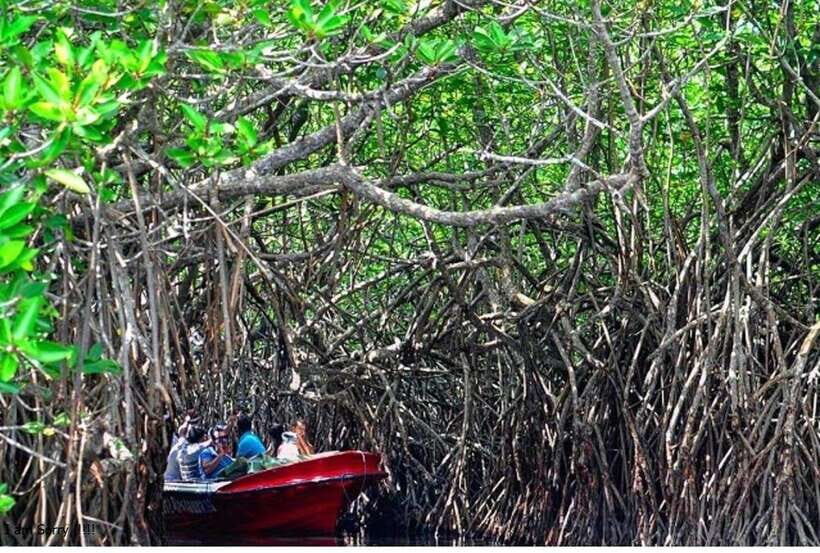
Your next big stop is the Madu Ganga River Safari in Balapitiya. This is one of Sri Lanka’s top eco-tourism attractions, and the tour frames it in a way that makes sense immediately: this isn’t a “sit and watch” outing. It’s a boat ride through wetlands where you can see how the ecosystem works, and you can spot activity that locals have depended on for generations.
The tour description calls out the Madu Ganga wetland system of about 915 hectares—huge enough that you feel like you’re moving through a living maze rather than a narrow channel. During the ride, you’ll encounter kraal fishing structures, local fishermen, and birds such as pond herons and kingfishers.
This is where the trip earns many of its fans. One review specifically praised the river guide and said the captain/Fisher-guide did a lot of talking and showing while also staying attentive on the water. That combination matters. If you get a confident, communicative boat team, you don’t just see wildlife—you understand what you’re seeing.
Also, expect a bit of walking time as part of the safari segment. The plan includes “walk” at this part of the tour, so bring shoes you can stand and move in comfortably.
Cinnamon Island, Temple Island, and the Fish Therapy Moment
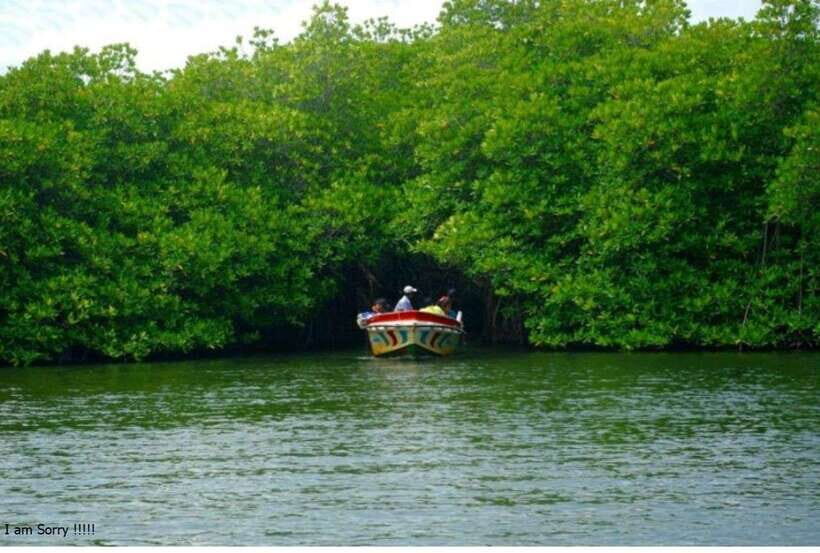
The safari usually includes Cinnamon Island and Temple Island. These are great breaks from the boat, because you get short, change-of-scenery stops that still stay connected to the wetland theme. You’ll also have chances for photos and small stretches of time to take in the setting without rushing.
One detail people either love or are curious about: fish therapy during the boat ride. The tour includes it as part of the experience, which means at some point you’ll likely encounter the hands-on interaction element that’s become common in these eco-safari waters. If you’re the cautious type, you can decide what you’re comfortable with in the moment—just remember this is presented as part of the activity flow.
The bigger value, though, is the wetlands context. If you only focus on birds and scenery, you’ll miss the whole point: these areas support fishing and local livelihoods, and the river system is tied to daily life rather than being cut off from it. When a guide explains what kraal fishing is doing and how the wetlands function, the boat ride stops being “pretty water” and becomes a real window into the region.
A small caution: because it’s wildlife-focused, conditions can vary. If it’s windy or the water is choppy, expect the boat ride to feel more “real” and less smooth than a calm lake cruise.
Kosgoda Sea Turtle Hatchery: Conservation You Can Actually See
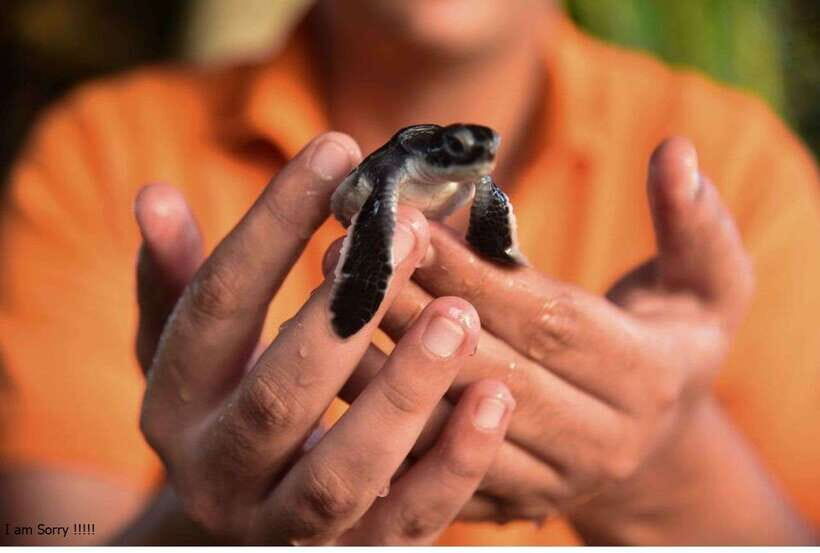
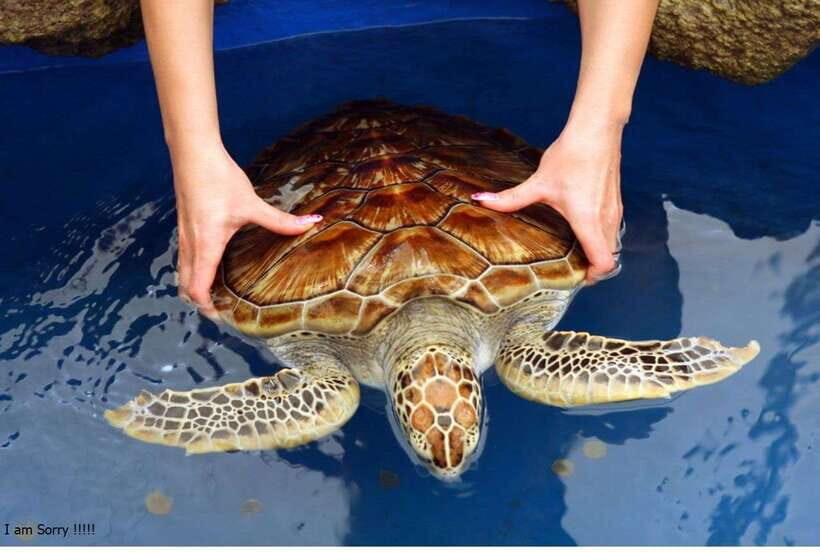
The last major stop is the Kosgoda sea turtle conservation hatchery. This is the part of the day that tends to hit a different emotional note than forts or boats, because you’re watching hands-on conservation processes rather than just viewing a landscape.
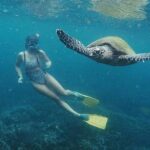
The tour plan is straightforward: you’ll learn how the hatchery protects eggs, nurtures hatchlings, and later releases them back into the ocean. In other words, you get the full chain instead of only hearing “they help turtles.” The visit is also described as including entrance fees and a guided tour, which matters because turtle conservation involves specifics that are hard to infer just by looking at tanks and pens.
Why I think this is worth building into your schedule: many travel days include wildlife sightings, but fewer include direct conservation work where you can understand what “helping” means. Even if you’re not an animal person, seeing the steps in a hatchery visit makes conservation feel practical.
Comfort note: the itinerary includes a “walk” component here too. Wear practical clothing for a warm day, and keep in mind you’ll be shifting from boat time (possibly damp) to a land-based visit.
Other Bentota tours we've reviewed in Galle
Price and Value: Does $80 Cover the Stuff That Usually Adds Up?
The listed price is $80 per person for an 8-hour day tour. For this region, the value comes from what’s included, not just what’s optional.
Included items:
- Hotel pickup and return transportation by private vehicle
- Boat charges for the Madu Ganga river safari
- Entrance fees for the Kosgoda turtle hatchery
- Fuel surcharge and driver charges
- Parking fees
- Complimentary refreshments and water
- All government taxes
Not included:
- Lunch (you’ll need to arrange a local restaurant meal yourself)
So what does that mean for you? If you tried to DIY this, you’d likely spend money and time negotiating separate transport and separate admissions. Here, the planning is already done and you don’t get hit with lots of “small charges” at each step. That’s a big part of why this package feels like an all-day deal rather than a collection of separate tickets.
One more value point: you’re getting three distinct experiences in one day—fort, wetlands boat safari, and hatchery conservation—without needing to change plans or track multiple timing systems.
Logistics: Pickup Options, English Guide, and What to Bring
This tour is built for convenience. It offers pickup from five areas—Kosgoda, Balapitiya, Beruwala, Bentota, Induruwa—and drop-offs at Bentota, Kosgoda, Induruwa, Beruwala, Balapitiya. That reduces the “how do I get there” friction, which is especially helpful if you’re staying on the coast and don’t want to spend your day routing buses or negotiating rides.
You’ll have a live tour guide in English as part of the experience. That’s good on paper, but do note that at least one prior experience pointed out weak English explanation and another said there was no tour guide during the fort portion. Translation: if commentary quality is a must-have for you, don’t treat every segment as equally guided. In the river safari and turtle hatchery parts, you’re more likely to get meaningful direction, especially because the activity itself benefits from explanation.
What to bring is simple:
- A charged smartphone
- Passport or ID card
And bring your travel basics: sunglasses, sun protection, and something light for the day. You’ll get water and refreshments, but you’ll still want personal sun comfort.
Who This Tour Suits Best (and Who Might Want a Different Plan)
This is a great fit if you want:
- A single-day plan that covers top-tier sights: Galle Dutch Fort, Madu Ganga safari, and the Kosgoda turtle hatchery
- A mix of architecture + nature + conservation, not just one category
- Simple logistics with transport, fees, and boat charges handled
It’s a less perfect match if:
- You’re the type who needs detailed, consistent commentary at every stop. The fort portion may not always get the strongest English guidance.
- You hate long drives or a full-day schedule. This is built as an 8-hour loop, so you’ll feel the day.
If you’re traveling as a couple, family group, or friends, the private group option can make it easier to ask questions and keep the pace comfortable—especially helpful for kids who need short breaks and parents who want less waiting around.
Should You Book This Galle Fort and Madu River Safari Day?
Yes, I think it’s worth booking if you’re looking for real value and a tight itinerary. The best parts, based on what people highlight, are the Madu Ganga river safari experience (especially when the river guide is active and communicative) and the turtle conservation visit, where you see clear conservation steps rather than just pictures.
If you’re picky about guide explanations—especially at the fort—go in with the right expectation: treat the fort as your self-guided photo and exploration anchor, and lean into the moments where a good guide can explain the river ecology and the hatchery process.
Overall, this is a well-shaped day tour that balances major sights with practical logistics. If you want a classic Sri Lanka coastal-and-wildlife day without extra planning stress, this one is a strong candidate.
FAQ
How long is the tour?
The tour lasts about 8 hours.
Where do you get picked up and dropped off?
Pickup is available from hotels in Kosgoda, Balapitiya, Beruwala, Bentota, and Induruwa. Drop-off is available in Bentota, Kosgoda, Induruwa, Beruwala, and Balapitiya.
What are the main stops during the day?
You visit Galle Dutch Fort, take a Madu Ganga River Safari in Balapitiya, and then visit the Kosgoda Sea Turtle Conservation hatchery.
Is lunch included?
No, lunch is not included.
What language is the guide?
The live tour guide works in English.
What should I bring?
Bring a charged smartphone and a passport or ID card.