REVIEW · SIGIRIYA
Cooking Class: Sajee’s Place Cooking Class sigiriya
Book on GetYourGuide →Operated by Sajee’s place cooking class sigiriya · Bookable on GetYourGuide
Food lessons near Sigiriya can be hit or miss.
This one is different because you do the work, not just watch: Sajee and Suzy run the class as a husband-and-wife team and keep it friendly, step-by-step, and very practical. You’ll learn to build a full Sri Lankan meal around rice and curry, using fresh local ingredients and the spice combinations that make these dishes taste like home cooking, not restaurant shortcuts.
I really like that the teaching is detailed and adaptable. You’re guided through making fluffy rice and curries like dhal, plus chicken curry or fish curry, along with seasonal vegetable curries and a stir-fried/tempered dish. You’ll also learn the classic sides, especially coconut sambol, and you get to cook together with everyone in the group.
One consideration: the menu includes meat or fish (it’s not listed as vegetarian-only). If you need a strict vegetarian meal, message them in advance and confirm what’s available.
In This Review
- Key highlights you’ll care about
- Cooking Near Sigiriya: How This Class Feels and What You’ll Make
- Your 3-Hour Flow: From Welcome to Rice and Curry Station
- Fluffy Rice: Why This Step Matters in Sri Lankan Cooking
- Dhal, Chicken, Fish: The Curry Core You’ll Repeat at Home
- Seasonal Vegetable Curries and a Tempered or Stir-Fried Dish
- Coconut Sambol and Papadams: The Finishing Flavors
- How the Hosts Teach: Sajee and Suzy’s Hands-On Style
- What You Eat at the End: Sit Down to Your Own Work
- Price and Value: Is $36 Fair for This Much Cooking?
- Practical Tips Before You Book
- Who This Class Is Best For
- Should You Book Sajee’s Place in Sigiriya?
- FAQ
- How long is the Sajee’s Place cooking class in Sigiriya?
- How much does the cooking class cost?
- What dishes are included in the class?
- Is the class vegetarian?
- Does the class include recipes to take home?
- What language is the instruction in?
- What is the group size?
- Is the activity wheelchair accessible?
- Is pickup included?
- Do they offer a refund if plans change?
Key highlights you’ll care about
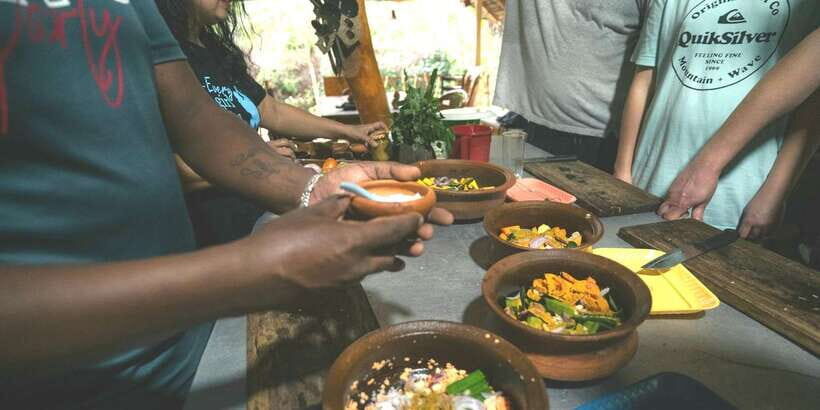
- A full rice-and-curry meal, not one dish for photos
- Small group cooking up to 10 people, so you get real attention
- Fresh coconut sambol prep, with grated coconut you likely handle yourself
- Detailed, teachable spice technique, including on-the-fly spice tolerance adjustments
- PDF recipes and spice tips sent after the class
- English instruction plus optional pickup for an easier day
Cooking Near Sigiriya: How This Class Feels and What You’ll Make
When you pick a cooking class near Sigiriya, you’re really choosing between two styles: “watch and snack” or “learn and cook.” Sajee’s Place Cooking Class is firmly in the second camp. It’s built around a full Sri Lankan rice and curry spread, and you’re part of the action for nearly every step.
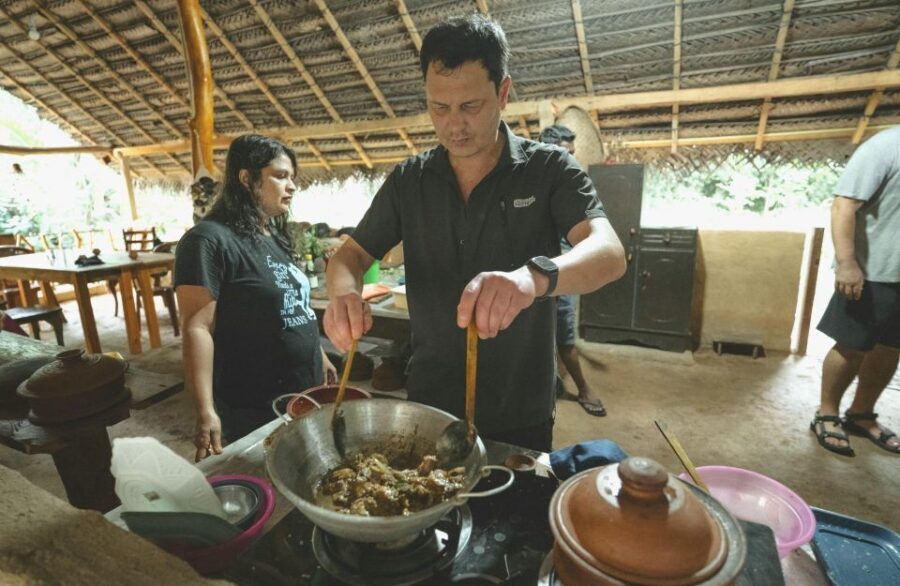
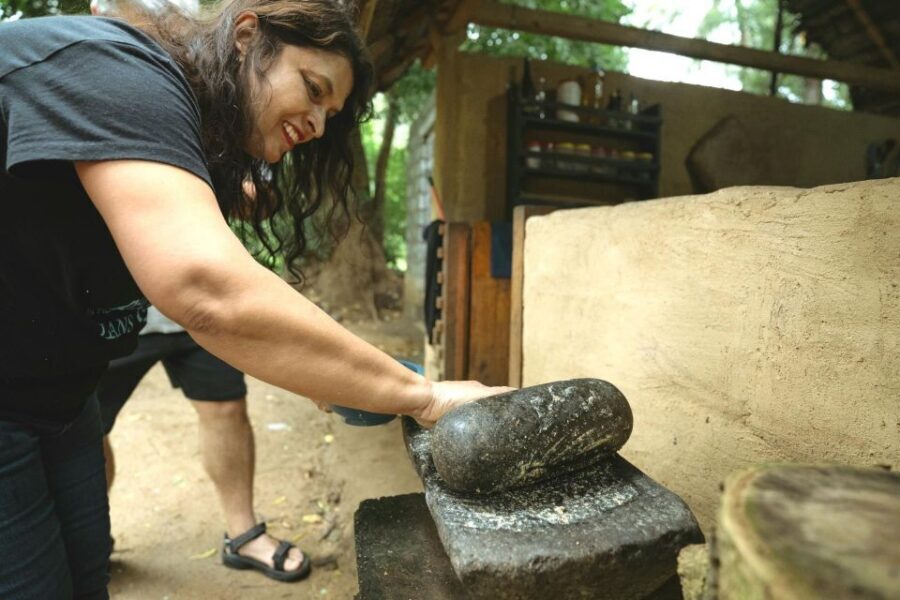
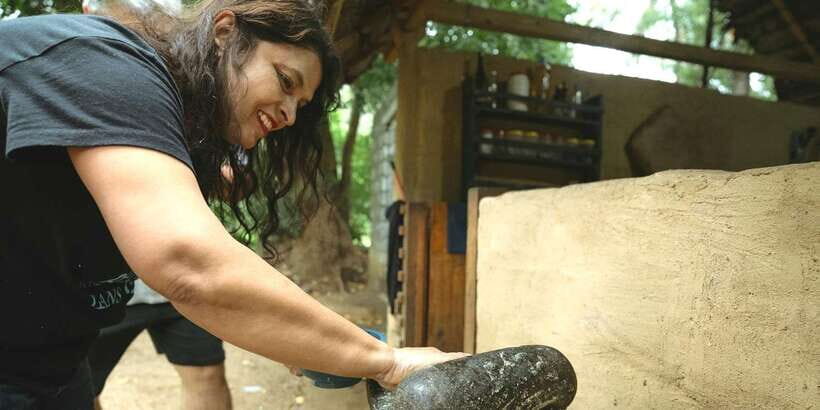
The setting has a homestyle vibe. Multiple people mention the warm welcome, patient pace, and a kitchen setup that lets you work comfortably without feeling rushed. A couple of reviews even call out an open-garden house feeling, surrounded by wood, which is a nice change from a cramped studio kitchen.
The group size matters here. With a maximum of 10 participants, you’re not stuck waiting your turn forever. In practice, that usually means more questions answered and more chances to adjust things while you cook—especially when it comes to spices and texture.
And yes, the core of the class is traditional Sri Lankan flavors: rice, curries, sambol, papadams, and the little technique choices that turn “spiced food” into Sri Lankan cooking.
Other Sigiriya tours we've reviewed in Sigiriya



Your 3-Hour Flow: From Welcome to Rice and Curry Station
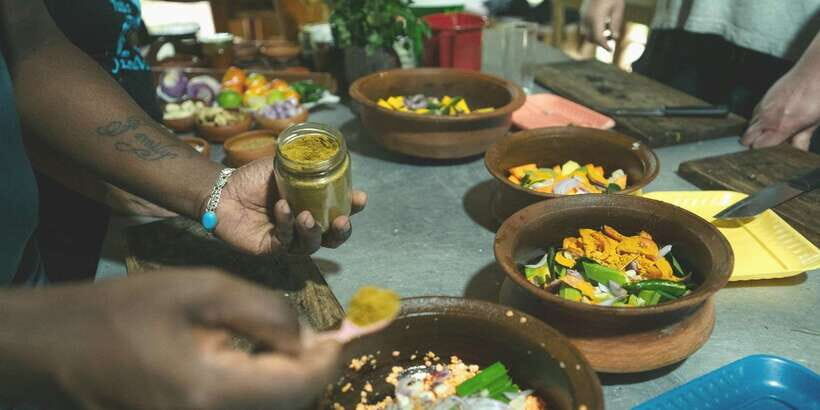
The class runs about 3 hours, with instruction in English. It starts with a warm welcome from Sajee and his wife, Suzy, and the day revolves around one clear goal: cook an entire Sri Lankan meal from scratch.
Since the summary mentions pickup, you should expect someone to arrange a convenient start point near where you’re staying. Exact times aren’t listed here, so when you book, confirm the pickup window you’ll be given for your date.
Once you arrive, the first phase is usually about getting your ingredients and understanding what you’re about to cook. Expect a lot of focus on herbs and spices used in Sri Lankan cooking, plus how those ingredients differ when they’re used for curries versus other dishes. This is more useful than it sounds, because it helps you recreate the flavor at home instead of copying a single recipe blindly.
Then you move into the hands-on portion: prepping, cooking, and tasting as you go. Reviews repeatedly praise that the class is interactive, with the hosts involving everyone in each step. If you’re a total beginner, this format tends to work well because nobody assumes you already know what heat level or spice timing should feel like.
Fluffy Rice: Why This Step Matters in Sri Lankan Cooking
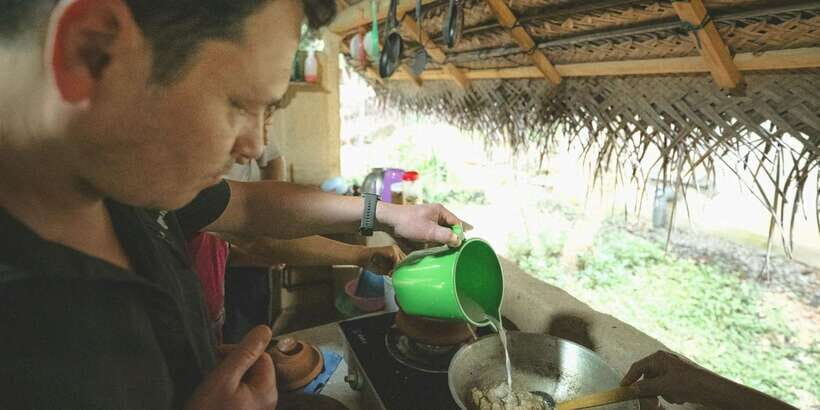
Rice is the anchor for everything you’ll eat. The class doesn’t treat it like a “side you microwave.” You’ll learn how to make perfectly fluffy rice, which is a big deal because Sri Lankan curries rely on the rice texture to carry sauces and balance spice.
In practical terms, this means you’re taught the basics of cooking rice the Sri Lankan way, then you’re able to apply that technique right in class. The hosts also explain how curry flavors are meant to work with rice, which is a helpful mental model for getting the sauce thickness and seasoning right later on.
Why you should care: if your rice is sticky or too wet, curries feel harsher and messier. Once you get the rice right, the whole meal tastes more “complete,” which is exactly what you want when you’re cooking at home after the trip.
Dhal, Chicken, Fish: The Curry Core You’ll Repeat at Home
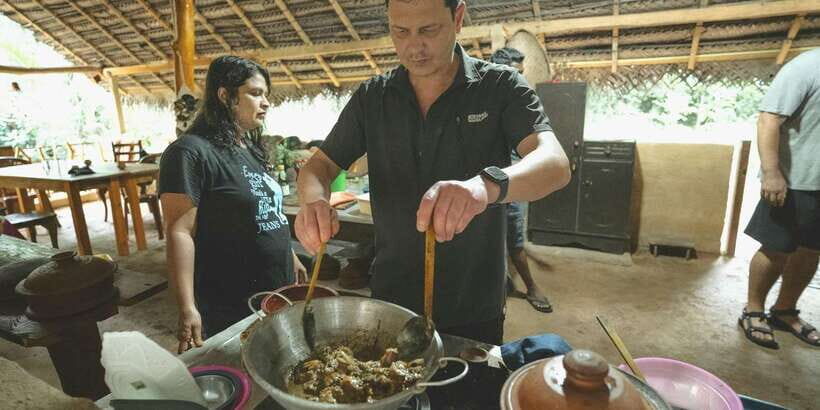
You’ll work on multiple curries, and the curry selection follows a classic pattern. Included dishes list dhal curry and either chicken curry or fish curry, depending on the menu for your session.
Here’s what you’re gaining beyond taste: you learn how to balance spices so the curry tastes layered, not just hot. Several reviews highlight that Sajee explains ingredients clearly and answers questions without rushing. That matters because curry cooking is mostly about timing and proportion.
The curry work also tends to be interactive. You’re not just assigned a garnish job. People mention that Sajee and Suzy guide participants through preparation and involve everyone during cooking. That’s the difference between leaving with a recipe and leaving with skills.
If you’re curious about the Sri Lankan approach to heat, you’ll likely appreciate how spice tolerance can be adjusted. One review specifically mentions spice tolerance is adjusted on the fly, so you’re less likely to end up forced into a level that’s uncomfortable for you.
Seasonal Vegetable Curries and a Tempered or Stir-Fried Dish
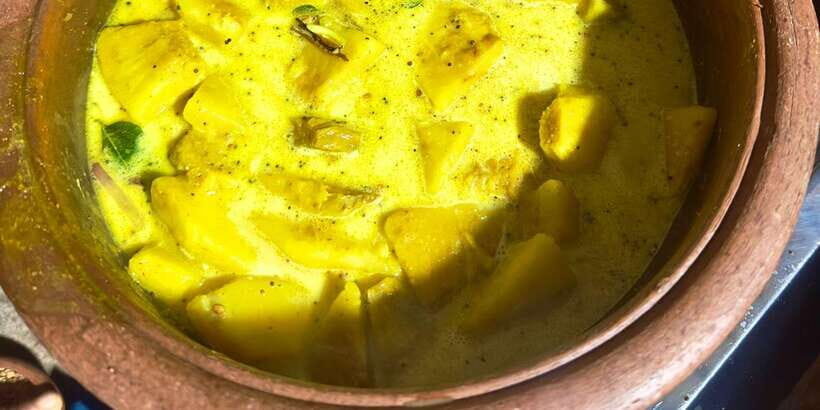
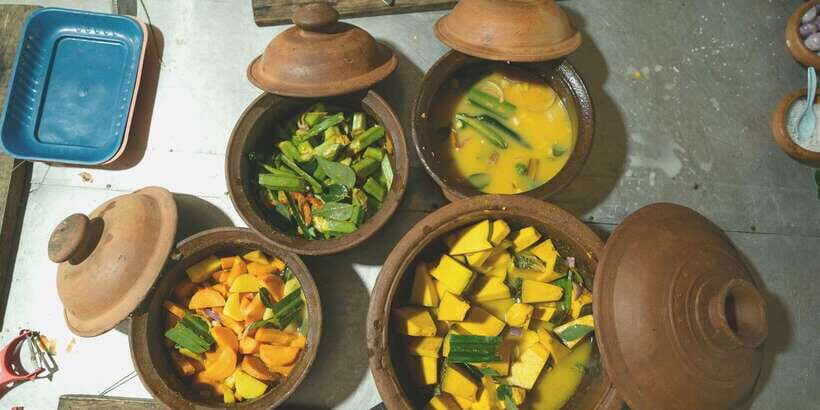
You don’t just cook one vegetable curry and call it done. The class includes 3 different seasonal vegetable curries, plus 1 stir-fried dish or tempered dish.
This is one of the best value parts of the experience. Vegetable curries help you understand how Sri Lankan spice blends behave when they hit different flavors—like bitter greens versus sweet vegetables versus something starchy. And the extra stir-fried/tempered element adds variety in technique, so the meal doesn’t all taste like the same curry base.
Even if you think you only like a few Sri Lankan dishes, this mix helps you find what you genuinely enjoy. Reviews mention people making lots of curries and coming away excited to recreate them at home, which usually means the class teaches more than one “template.”
Other Sri Lankan cooking classes we've reviewed in Sigiriya

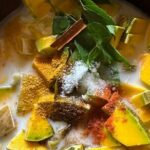
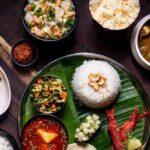



Coconut Sambol and Papadams: The Finishing Flavors
If there’s one side that makes Sri Lankan meals taste instantly recognizable, it’s coconut sambol. The class includes coconut sambol and rice and papadams, and you’ll learn how these accompaniments are made and why they work.
One review calls out fresh coconut that participants grated. Even if your specific session differs slightly, the key idea is consistent: sambol is about balance—salt, heat, and coconut richness all hitting together.
Papadams are also part of the package. They’re simple, but they round out the meal and add crunch, which helps when you’re serving rice and saucy curries.
Why this matters for you: many cooking classes teach the curry and forget the sides. Here, the sambol and papadams show you how Sri Lankan meals build texture contrast. That’s what turns a good curry into a full plate you’ll want to recreate.
How the Hosts Teach: Sajee and Suzy’s Hands-On Style
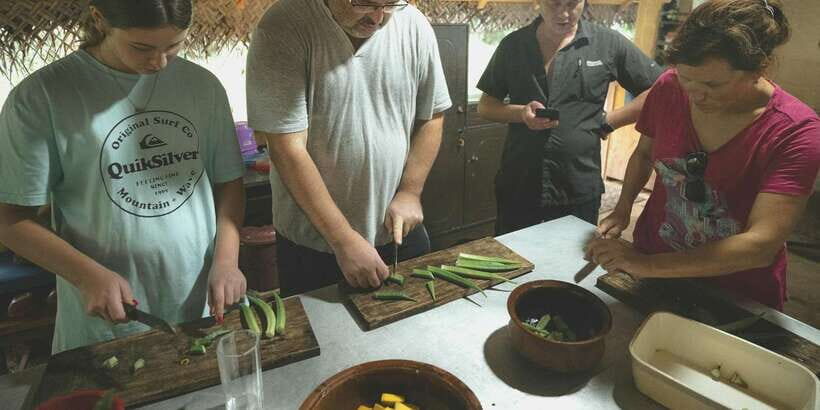
This is a husband-and-wife teaching setup, with Sajee and Suzy both involved. That can sound like a marketing line, but in practice it shows up in how the class runs: warm welcome, patient instruction, and detailed explanation of ingredients and cooking techniques.
A big theme in the reviews is clarity. Multiple people mention Sajee explains why ingredients are used and how to adapt the recipes for vegetables, meat, or fish. Others mention they didn’t rush and that they could cook their own meal rather than following on autopilot.
If you like learning systems, you’ll probably appreciate that Sajee’s approach includes spice lists and explanations of how herbs and spices show up across Sri Lankan dishes. That’s the stuff that helps you shop and cook at home without guessing.
What You Eat at the End: Sit Down to Your Own Work
After cooking, you sit down and eat what you made. Reviews consistently say the food is delicious and that the final meal is satisfying and generous. That’s not just about portions—it’s about how the dishes come together as a set.
Expect a spread that includes rice, dhal, chicken curry or fish curry, multiple vegetable curries, plus coconut sambol and papadams. That’s a lot of variety for a 3-hour session.
This also helps you understand seasoning balance. When you eat your own sambol with your own curry and your own rice, you start to notice what “should” taste like, and you can correct it next time.
Price and Value: Is $36 Fair for This Much Cooking?
At about $36 per person for a 3-hour class with a small group (up to 10), this is strong value if you want real cooking skills. You’re getting:
- multiple curries (dhal, protein curry, 3 vegetable curries, plus a stir-fried/tempered dish)
- key sides (coconut sambol, rice, papadams)
- English instruction and hands-on participation
- recipe support after the class (PDF recipes and spice tips)
In other words, you’re paying for practice and guidance, not just entertainment. If you compare that to the cost of eating out multiple times near Sigiriya, this class often works out as a memorable “one-time splurge” that teaches you how to cook again later.
The only reason it might feel expensive is if you’re expecting a slow, deep multi-day cooking curriculum or if you need a strictly vegetarian menu. Otherwise, for a single afternoon experience, it’s a lot of food and knowledge for the price.
Practical Tips Before You Book
A few common-sense notes based on how the class is described and what people loved:
- Be ready to cook. This is interactive, so plan for standing, stirring, chopping, and tasting.
- If you have spice sensitivity, mention it in advance. The class appears to adjust spice tolerance on the fly.
- If you avoid fish or chicken, message ahead. The included menu lists chicken curry or fish curry.
- Bring comfortable clothes. You’re working in a kitchen setting and cooking from scratch.
- Take notes during sambol and curry balance. Coconut sambol especially benefits from remembering how it tastes when it’s finished.
Who This Class Is Best For
This experience fits best if you:
- want to learn Sri Lankan rice and curry cooking the practical way
- prefer hands-on cooking over demonstrations
- like small-group, personal instruction
- want recipes you can actually use at home, not just a vague flavor memory
It’s also a good fit for couples and small groups because the teaching style supports questions and adaptation. One review even mentions doing it with teenagers, suggesting it can work for families with older kids who enjoy cooking.
Should You Book Sajee’s Place in Sigiriya?
Book it if you want a hands-on Sri Lankan cooking lesson with a real home-cooked approach, lots of dishes, and clear guidance from Sajee and Suzy. The combination of multiple curries, coconut sambol, and take-home PDF recipes and spice tips makes it more useful than most “one dish” classes.
Skip it only if you need a fully vegetarian meal with certainty, or if you’re looking for a very short, lightweight tasting tour. For most people in Sigiriya who like food, $36 for a 3-hour small-group cooking session is a fair deal.
FAQ
How long is the Sajee’s Place cooking class in Sigiriya?
The class lasts about 3 hours.
How much does the cooking class cost?
The price is listed as $36 per person.
What dishes are included in the class?
Included items are dhal curry, coconut sambol, rice and papadams, 3 different seasonal vegetable curries, and 1 stir-fried dish or tempered dish, plus chicken curry or fish curry.
Is the class vegetarian?
The class includes chicken curry or fish curry, so it is not listed as vegetarian-only. If you need vegetarian meals, you should confirm options before booking.
Does the class include recipes to take home?
Yes. Reviews mention they send PDF recipes and tips/spice lists after the class.
What language is the instruction in?
Instruction is in English.
What is the group size?
It’s a small group limited to 10 participants.
Is the activity wheelchair accessible?
Yes, it’s listed as wheelchair accessible.
Is pickup included?
The summary mentions pickup, and you can contact the provider for more information.
Do they offer a refund if plans change?
Free cancellation is offered up to 24 hours in advance for a full refund.