REVIEW · SIGIRIYA
Loris Watching from Sigiriya
Book on Viator →Operated by Lakpura LLC · Bookable on Viator
Loris watching in Sri Lanka is one of those wildlife moments that feels like it only happens after dark. This private half-day outing takes you from Sigiriya to Sam Popham’s Arboretum, where your naturalist guide helps you track the rare, nocturnal slender loris through the trees.
I like that it’s private, so you’re not fighting for position or getting rushed. I also love the careful approach to spotting wildlife at night, with torches that use less obtrusive red light until the guide actually sees an animal.
One thing to consider: it’s a night hike in the arboretum, so you’ll want moderate physical fitness and you’ll be depending on good weather for the experience to run.
In This Review
- Key highlights at a glance
- Sam Popham’s Arboretum: the setting built for nocturnal finds
- Timing and pacing: why the 6:30 pm start feels right
- The loris-watching method: red light first, then the moment of truth
- What you might see besides loris (and why it’s still worth it)
- Your naturalist guide: the personalized edge
- Comfort and logistics that don’t ruin your evening
- Price and value: $75 for private loris time in a protected reserve
- Who should book this loris-watching night hike
- A practical checklist for your night out
- Should you book this private loris experience?
- FAQ
- What time does the tour start in Sigiriya?
- How long is the loris-watching outing?
- Is this a private tour?
- What’s included in the ticket price?
- Do I get hotel pickup?
- What animals can I expect to see besides loris?
- How does the guide search for lorises at night?
- What physical condition do I need for the night walk?
- What happens if the weather is poor?
- Is there a cancellation deadline?
Key highlights at a glance
- Red-light scanning technique that aims to be less disruptive before switching to white light for a clear sighting
- A private, naturalist-led night walk with personalized commentary (no big group chaos)
- Loris spotting in Sam Popham’s Arboretum, a protected reserve with nocturnal possibilities
- Multiple wildlife chances, including mouse deer, civet cats, and rabbits (plus birds, butterflies, and dragonflies)
- Comfort-minded transfers offered from select areas around Sigiriya, with on-time service noted in reviews
Sam Popham’s Arboretum: the setting built for nocturnal finds
This tour is built around a simple idea: go somewhere that actually supports the animals you came for. Sam Popham’s Arboretum is that kind of place. It was first created by a British naval officer’s love of trees, starting on seven acres and later growing beyond 34 acres after it was gifted to IFS (Institute of Fundamental Studies). That growth matters, because a bigger protected area helps wildlife keep moving, feeding, and hiding naturally.
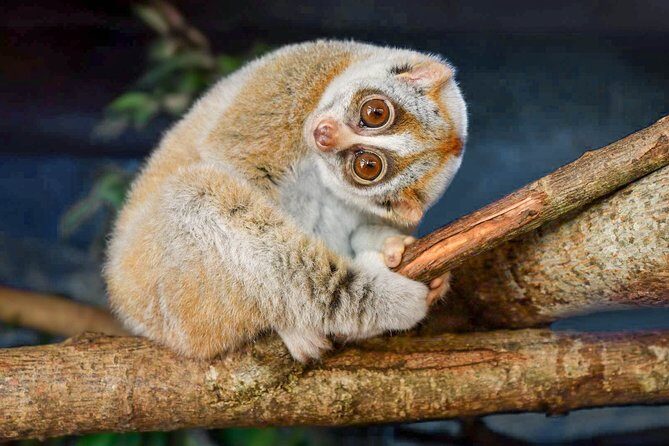
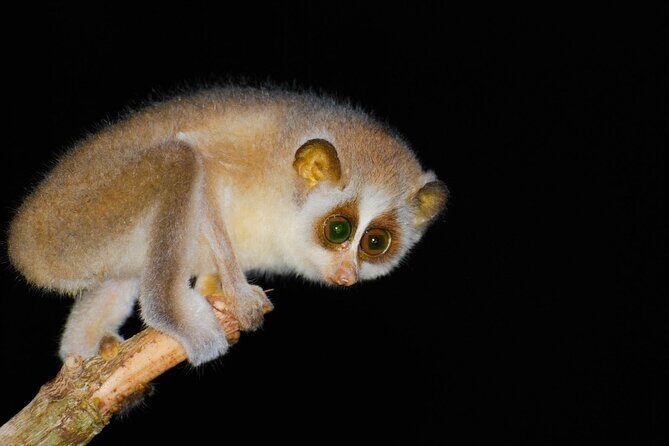
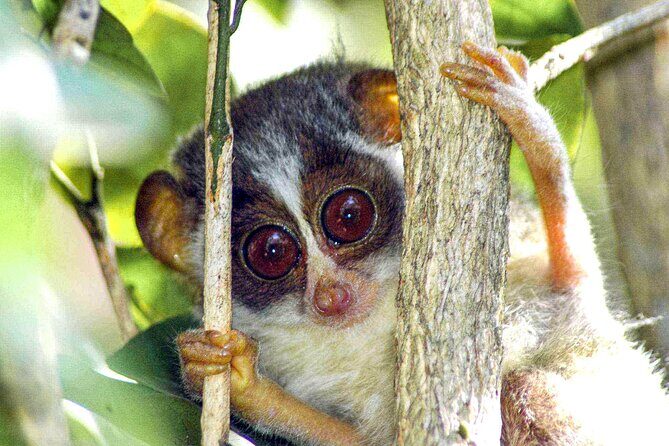
The big name here is the slender loris, a rare, nocturnal species native to Sri Lanka and India. The key is that lorises are not the kind of animals that hang out in the open on schedule. They’re slow-moving and forest-dwelling, so you need time, quiet, and the right night-approach to detect them. This is exactly what the guide is there for.
What also helps is that the arboretum isn’t a one-animal environment. It’s home to birds, butterflies, dragonflies, and other mammals. That means your evening doesn’t depend on only one outcome. If the loris is elusive on your first pass, you can still end up seeing plenty of life in the trees and along the trail.
Other Sigiriya tours we've reviewed in Sigiriya
Timing and pacing: why the 6:30 pm start feels right
Start time is 6:30 pm, and the tour runs about 3 hours. That timing is practical. It gives you enough darkness to make night behavior possible, without dragging you through the entire night. You also keep the “wildlife window” realistic, because nocturnal animals tend to become active as light drops.
This is a private excursion, meaning only your group participates. In practice, that usually means you can move at the guide’s pace instead of stopping and starting to accommodate a larger crowd. You’re also more likely to get real commentary rather than a fast, repeat-to-everyone script.
Transfers are part of the experience, with pickup offered from select hotels and drop-off afterward. One review specifically praised clear communication and an on-time driver, with comfort handled well during the ride. That matters more than people think. A good night hike depends on starting calm and ready, not stressed about delays.
The loris-watching method: red light first, then the moment of truth
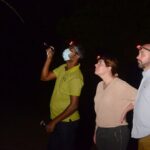
The highlight is the night walk through the arboretum, and the approach to lighting is the difference between a sighting and a scare. Your guide uses torches with relatively less obtrusive red lights to search for the loris. Only when they spot one do they switch on white lights.
Why that matters: white light can be too harsh for animals that are adapted to low light. Red light tends to be less disruptive, which increases the odds that an animal stays visible long enough for you to actually understand what you’re looking at. It also keeps the atmosphere more natural for everyone involved.
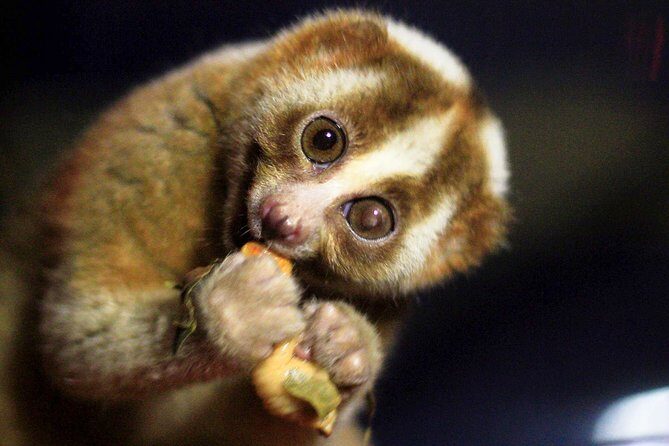
Once a loris is located, the guide helps you observe the details. These are arboreal animals with long, slender bodies and big round eyes that shine in the darkness. That eye-shine effect can happen fast, so your job is mostly to slow down. Listen to the guide, follow their cues, and avoid sudden movements.
If you’re a photographer, this is one of those outings where patience pays off. You don’t just point a camera into darkness and hope. The best results usually come from waiting for the animal to settle and from respecting the guide’s lighting sequence so the animal stays comfortable.
What you might see besides loris (and why it’s still worth it)
The tour is clearly designed for mammals, especially loris watching, but the arboretum supports other wildlife too. Your guide may point out mouse deer, civet cats, and rabbits if they’re active or visible along your route. In addition, the area supports birds, butterflies, and dragonflies.
This matters because night nature viewing is always partly luck. Even with a great guide, animals have their own plans. By offering a range of species, the experience becomes less fragile. If the loris isn’t immediately spotted, you can still get real wildlife value from the rest of what’s moving through the trees and undergrowth.
Also, it’s not just about spotting. It’s about understanding what you’re seeing. The guide’s commentary is part of the package, and that’s what turns a quick flash of animal activity into a memorable lesson about how forest life works at night—slow movement, hiding behavior, and how nocturnal animals use the cover of trees to feel safe.
Your naturalist guide: the personalized edge
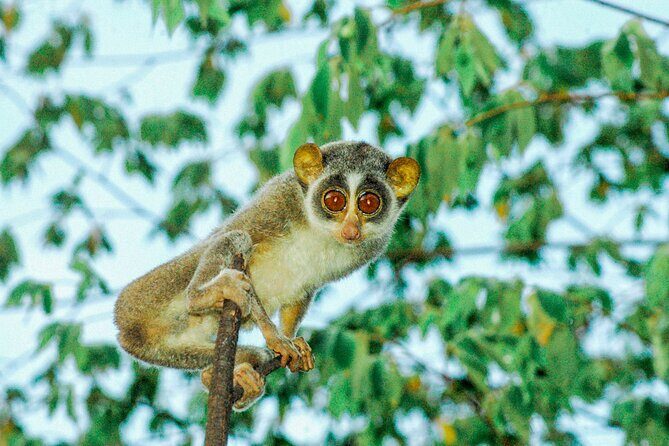
This outing stands out because it’s not a silent stroll. It’s a naturalist-led experience with personalized commentary. Your guide is accustomed to this sanctuary of flora and fauna, which is useful because night conditions change everything. Paths are darker, animals are harder to see, and small mistakes can make animals retreat.
In a private setting, you tend to get answers to the questions you actually care about. If you’re curious about how lorises behave or why certain spots are searched longer, you’re more likely to get a real explanation instead of a generic overview.
One practical detail: guides help manage group behavior at night. That can mean keeping noise low, controlling when lights flare up, and steering you toward viewing angles that make eyeshine possible. It’s small work behind the scenes, but it’s what makes the difference between chaos and a calm, controlled wildlife hunt.


Comfort and logistics that don’t ruin your evening
Let’s be honest: night tours can be uncomfortable if the transfer and timing are sloppy. Here, comfort shows up in the experience design. Pickup and drop-off are offered from select hotels, and at least one review praised the driver for being on time and keeping the group cool and comfortable during the ride.
That’s a good sign for your evening because you’re heading into an outdoor setting after dark. You want your body to feel ready, not overheated or flustered. If you’re planning a day in Sigiriya first, you’ll likely appreciate a smooth, predictable transfer into the arboretum.
The tour also offers a mobile ticket, which helps you avoid scrambling for paperwork right before departure.
One more note for your expectations: the tour is intimate, not a large-group spectacle. That’s part of the value. You’re trading volume for focus.
Price and value: $75 for private loris time in a protected reserve
At $75 per person, this isn’t the cheapest thing you can do in the area—but it’s also not priced like a luxury safari. The value is mostly in what’s included and what you’re buying with a private naturalist-led night walk.
Included elements that add up:
- Nature hike experience built around night wildlife viewing
- Entrance ticket to the protected nature reserve
- Commentary and advice from an expert naturalist guide
- A structure that’s specifically geared toward mammal watching, especially lorises
Private tours also change the math. You’re effectively paying for attention: fewer distractions, a guided approach to lighting, and more time spent searching in a way that makes sense for nocturnal animals.
There are also a couple of value trade-offs:
- The experience relies on good weather, so a rainy night can disrupt plans.
- It’s about 3 hours, so you’re not spending the whole night out there. If you want an all-night expedition, this isn’t that kind of tour.
Still, for a visitor who wants a focused, guided shot at one of Sri Lanka’s most unusual nocturnal mammals, the price-to-experience ratio can feel fair.
Who should book this loris-watching night hike
This is a great fit if you’re interested in:
- Mammal watching with a realistic chance at nocturnal wildlife
- Wildlife that behaves differently at night than it does in daylight
- A quieter, more controlled experience than you’d get with a big group
It’s also a solid choice for families who are curious about primates and night animals in general, as the experience has been especially exciting for visitors who love wildlife and animals after dark.
Keep in mind the physical side. You’ll want moderate physical fitness, since it’s a hiking walk in the arboretum at night. If you’re comfortable walking on uneven ground in the dark with a guide, you’re probably fine.
A practical checklist for your night out
You’ll be outside in the arboretum after 6:30 pm, so plan like you’re going for an evening nature hike, not a casual stroll.
Bring:
- Comfortable walking shoes you trust on uneven ground
- Clothing you can stay in for a few hours in the night air
- A camera if you use one, but be ready to follow the guide’s lighting approach
Behavior-wise, your best move is to stay calm and let the guide do the searching. With red light scanning and white light only when an animal is spotted, your job is to reduce sudden movement and let your eyes adjust.
Also, since torches are part of the process, you don’t want to add extra lights from your side. Even if you’re tempted to take control of lighting, it’s better to stick to the guide’s system.
Should you book this private loris experience?
If your goal is a realistic night chance at slender lorises with a naturalist who knows how to scan for nocturnal mammals, I think this is worth booking. The combination of private pacing, entrance access to the protected reserve, and the red-light approach to spotting makes it feel purpose-built rather than random.
Book it if:
- You enjoy night wildlife and want a guide-driven experience
- You prefer a quieter, private vibe over group tours
- You’re happy with a moderate hike and a few hours outdoors
Skip or reconsider if:
- You need a fully weather-proof plan
- You want an all-day or all-night wildlife expedition rather than a compact evening outing
- You’re not comfortable with walking at night on a natural trail
If you’re in the Sigiriya area, this is one of those trips that can turn into a core memory fast—big eyes in the dark, slow-moving animals in their real habitat, and guidance that helps you see more than just a brief blur.
FAQ
What time does the tour start in Sigiriya?
The experience starts at 6:30 pm.
How long is the loris-watching outing?
It lasts about 3 hours (approx.).
Is this a private tour?
Yes. Only your group will participate.
What’s included in the ticket price?
The experience includes the nature hike, an entrance ticket, and commentary and advice from an expert naturalist guide.
Do I get hotel pickup?
Pickup is offered from select hotels, but your specific pickup details depend on where you’re staying.
What animals can I expect to see besides loris?
The arboretum may have other wildlife such as mouse deer, civet cats, and rabbits, and it also supports birds, butterflies, and dragonflies.
How does the guide search for lorises at night?
Your guide uses torches with less obtrusive red lights to search, and switches on white lights only when they spot a loris.
What physical condition do I need for the night walk?
You should have a moderate physical fitness level.
What happens if the weather is poor?
The experience requires good weather. If it’s canceled due to poor weather, you’ll be offered a different date or a full refund.
Is there a cancellation deadline?
You can cancel for a full refund up to 24 hours before the start time.