REVIEW · SIGIRIYA
Sunrise or Sunset Hike Pidurangala Rock with Scenic Views
Book on GetYourGuide →Operated by Shan Jeep Safari & Tour · Bookable on GetYourGuide
This short hike turns Pidurangala Rock into one of the best view-waiting spots near Sigiriya. I like that it combines an easy-to-follow guided route with a realistic challenge at the end, so you’re not just wandering—you’re climbing with purpose. The best part is the panoramic summit view over Sigiriya Rock, jungle, villages, and lakes while the sky does its thing. One drawback to plan for: it gets windy and chilly up top, and the final rocky section needs steady footing.
You’ll be moving fast enough to feel like you earned the view, but it’s still only about a 3-hour outing from hotel to hotel. The small-group feel also matters here: you’re less likely to be stuck in a chaotic mass while you wait for the colors to change. A guide helps a lot with timing and photo positioning, especially when you want to arrive early.
In This Review
- Key things I’d plan around before you go
- From your hotel to the trailhead by tuk-tuk
- The guided climb: monastery ruins, forest paths, and a rocky finish
- Reaching the summit: where the real view starts
- Sunrise vs sunset: picking the sky moment that suits you
- Sunrise
- Sunset
- Why the guide is worth paying for (even if you could do it solo)
- Price and value: what $18 covers, and what to budget extra
- What the 3-hour schedule feels like on the ground
- What to bring (and what you can skip)
- Who should book this hike, and who might not love it
- Should you book Pidurangala at sunrise or sunset?
- FAQ
- How long is the Pidurangala Rock sunrise or sunset hike?
- What’s included in the price?
- Do I have to pay an entrance fee?
- How difficult is the hike?
- What time does the sunrise hike start?
- What should I bring?
- Is the tour private and in English?
- Is free cancellation available?
Key things I’d plan around before you go
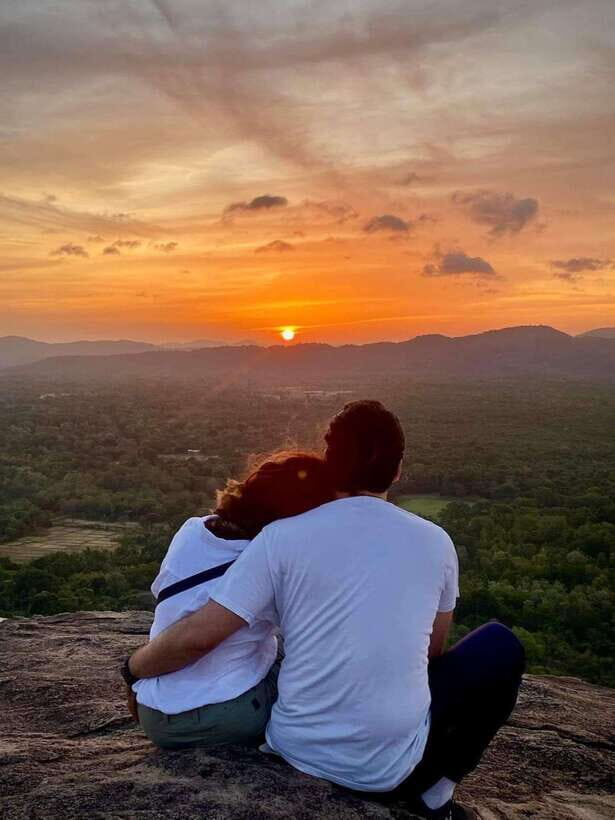
- Pre-dawn or golden hour timing: Sunrise trips often start around 4:30–4:30, so you can reach the summit before the main crowd.
- Moderate trail + short scramble: The “easy” parts feel straightforward until the final rocky section, where you’ll need balance.
- English-speaking guidance: Your guide helps with route decisions, safe footing, and often the best photo spots.
- Real support on the climb: Water is included, and guides may bring useful extras like torches or umbrellas if conditions turn.
- Sigiriya views with breathing room: You get wide angles over Sigiriya Rock and the surrounding jungle without being boxed in.
From your hotel to the trailhead by tuk-tuk

This experience starts in the Sigiriya area with hotel pick-up, then a quick ride to the base by tuk-tuk or private vehicle. The timing is what makes it work: for sunrise, you’re up and moving early enough to feel like you’ve borrowed the rock for a moment—before the stream of people really thickens.
Why I like this setup: it saves you from logistics headaches at the exact moment you need to stay calm and not rush. Plus, you don’t have to guess where the trail begins or which path makes sense when it’s still dark.
One practical note: wear shoes you trust. The climb is short, but you’ll be stepping on uneven rock and forest paths. If your shoes are more “city comfortable” than “traction friendly,” you’ll feel it at the end.
Other evening experiences in Sigiriya

The guided climb: monastery ruins, forest paths, and a rocky finish
The hike follows a route that mixes natural paths with ancient monastery ruins along the way. That adds a sense of discovery—this isn’t just an athletic exercise. You’ll be walking through calmer, greener sections before the trail starts to feel more “climb-like.”
The difficulty level is described as moderate, and that’s accurate in practice: it’s not a long endurance hike. The part that changes the game is the final segment, which includes a short rock scramble. You don’t need climbing gear, but you do need to slow down, plant your feet carefully, and keep your balance.
What a good guide does here:
- Shows you where to go so you don’t waste energy second-guessing the route.
- Helps you avoid the messier crowd paths, which can make the last part easier (and safer).
- Often manages the group so you’re not bunching up in the narrow or uneven spots.
A couple of smart tips you can take from how guides operate on this route:
- If you’re doing sunrise, bring something warm. People mention it feels cold and windy when you’re waiting in the dark.
- If rain hits, don’t panic. Some guides handle it with practical help like an umbrella, so you’re not just standing there soaked.
Reaching the summit: where the real view starts
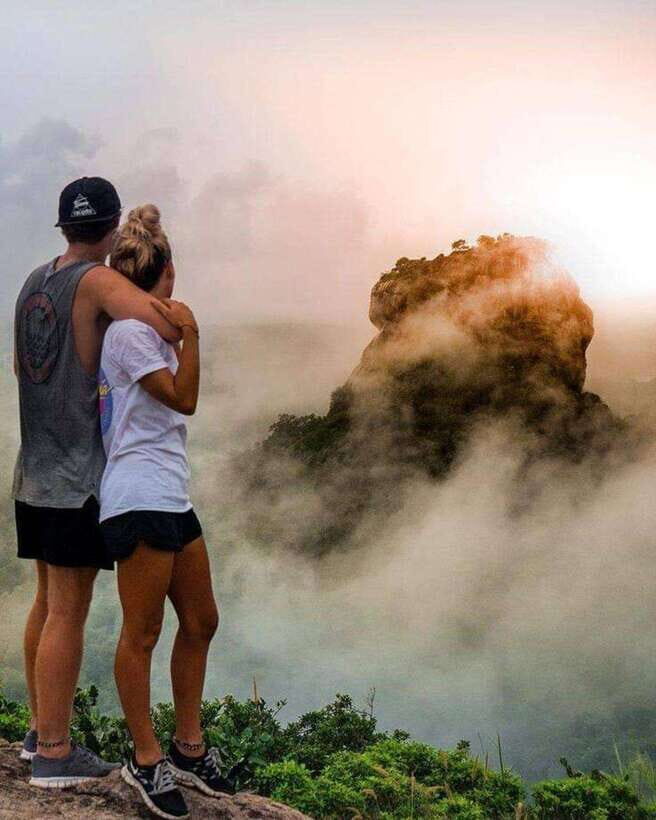
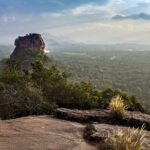
Once you’re near the top, the rock opens up into wide, breathing-space panoramic views. The summit area gives you sightlines over:
- Sigiriya Rock Fortress in the distance
- jungle canopy below
- nearby villages and lakes
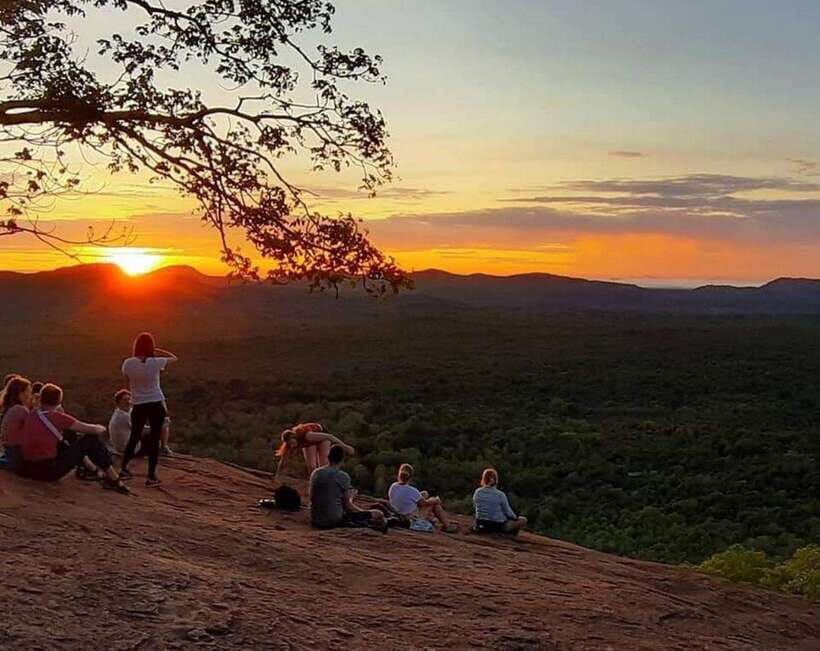
This is the part you came for, and it’s also the part where being early makes a difference. When you arrive before the biggest wave, you can actually stop, look, and take photos without feeling like you’re sharing every angle with dozens of people.
How long you’ll linger depends on the sky and your patience, but the pattern is consistent: pause in the viewing spot, enjoy the changing light, then take a few minutes to re-check your photos before you start down.
And yes—photos matter here. A strong guide will actively help you position your shot. In real terms, that means less time “fighting with the camera” and more time getting what you imagined: Sigiriya in the frame with the jungle spread out underneath.
Sunrise vs sunset: picking the sky moment that suits you
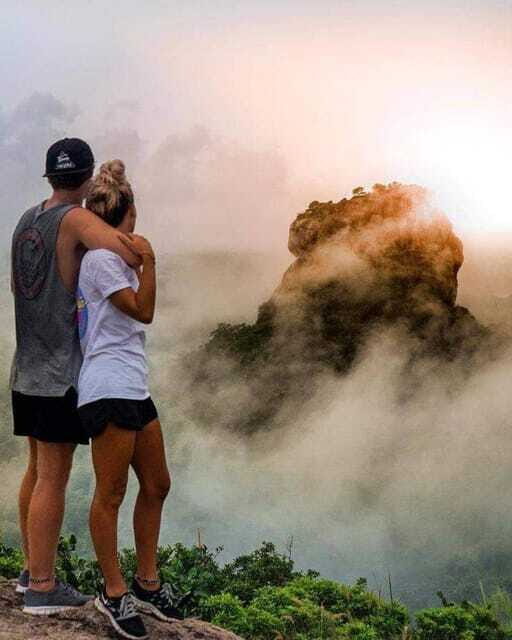
Both options make sense, but they feel different.
Sunrise
Sunrise is the move if you want a quieter, more atmospheric climb. The earlier pickup (often around 4:30) is there to get you up before the rock fills in. That means you can watch the light come in slowly and enjoy a calmer vibe while the day warms up.
The main thing to plan for is cold. Even if the town feels warm, the summit waiting time can bite. Bring a jumper or jacket, and you’ll enjoy the waiting part instead of rushing through it.
Other hiking tours in Sigiriya

Sunset
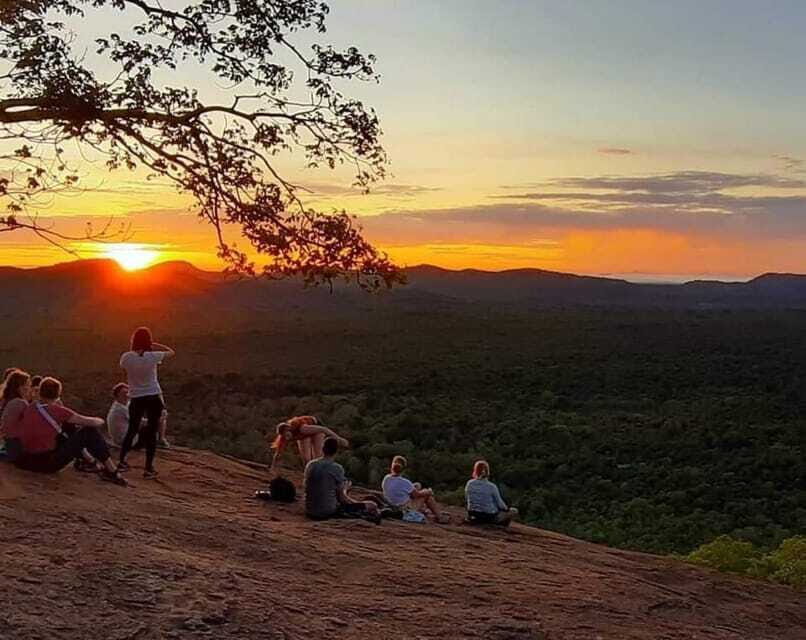
Sunset is for people who want the day to cool down and the sky to turn gold. It’s still a great photo moment, but you’re more likely to share the view window with more visitors. The guided route and timing help you still find good angles.
If you’re the type who hates rushing, both are fine—just remember sunrise usually means “start early, wait a bit,” while sunset tends to mean “climb later, enjoy longer daylight.”
Why the guide is worth paying for (even if you could do it solo)
It’s true that you might find this hike doable on your own. But in practice, the guide changes the experience in ways that matter.
Here’s what you can realistically expect from a good guide on Pidurangala:
- Shortcuts that help you reach the best viewing spots with less crowd pressure
- Route guidance through the monastery sections and forest paths
- Help with the last tricky scramble, including where to place your feet
- Active photo assistance: not just pointing, but helping you choose the spot and timing
In the group I learned from, the guide also handled small practical touches that add up: holding or handing out water, helping with climbing at the end, sometimes bringing torches for early-morning visibility, and even using umbrellas when weather turned.
That’s the real value: you’re buying a smoother climb and less wasted time figuring things out. At $18, this is priced like a practical add-on, not an expensive “tourist tax”—especially because transport, guide help, and bottled water are already included.
Price and value: what $18 covers, and what to budget extra
The cost is listed as $18 per person, and the included essentials are the part that keeps it fair:
- Hotel pick-up and drop-off in the Sigiriya area
- Tuk-tuk or private vehicle transport
- Local guide
- Bottled water
You still need to budget for the entrance fee to Pidurangala Rock: LKR 1,000 (not included).
So is it good value? For most people, yes, because you’re getting:
- a guide who can improve route choices and photo positioning
- transport that avoids the “where exactly do I go” problem
- help for sunrise timing so you’re not arriving after the main rush
If you’re a confident hiker who travels with extra patience and doesn’t care about crowds or photo angles, doing it independently could save money. But if you want the easiest path to the best viewpoint at the right time, this option is a clean deal.
What the 3-hour schedule feels like on the ground
The duration is about 3 hours, and that’s believable for a short but meaningful summit hike.
A typical flow you should expect:
- Pre-planned pick-up and tuk-tuk transfer to the base
- Guided walking through ruins and forest paths
- Slower final approach with the rock scramble
- Time at the top for photos and sky watching (sunrise or sunset)
- Descend at your own pace
- Return by tuk-tuk to your hotel
The short total duration is a big perk. You can still enjoy the rest of your day in Sigiriya without feeling like you’ve locked up your whole itinerary.
What to bring (and what you can skip)
You’re not packing for a mountain expedition, but you should bring the few things that keep the experience comfortable.
Bring:
- Comfortable shoes with good grip
- A jumper or jacket for sunrise (and even sunset can get breezy)
- Water shoes not needed—just normal hiking shoes
Probably skip:
- Fancy hiking gear. The scramble is short, not technical.
- Heavy bags. You’ll want to move easily on uneven ground.
If it rains, don’t assume you’ll be stranded. In practice, guides may handle it with practical solutions like umbrellas, but you shouldn’t rely on that—bring what you can.
Who should book this hike, and who might not love it

This is a strong fit if you want:
- an iconic view over Sigiriya Rock
- a short hike with a meaningful payoff
- help with timing, routing, and photography
- an experience that avoids the worst of the crowd chaos (especially for sunrise)
It may not be ideal if:
- you have balance issues and are uncomfortable on uneven rocks (because of that short scramble)
- you hate early mornings (sunrise usually means pre-dawn starts)
- you want a purely low-effort walk with no rocky section
Should you book Pidurangala at sunrise or sunset?
I’d book it if you want the most stress-free route to a top viewpoint that’s close enough to fit into your Sigiriya days. The combination of transport + guide + water makes it simple, and the summit timing—especially for sunrise—is the difference between a good view and a special one.
Choose sunrise if:
- you want the calmest vibe up top
- you’re willing to dress for cold wind
- you care about arriving early and staying unhurried
Choose sunset if:
- you want a cooler climb later in the day
- you prefer warm light without pre-dawn wake-ups
- you want an easier emotional pace (even if crowds can be thicker)
Either way, if you’re going, go with shoes you trust and give yourself a few minutes to just sit and look.
FAQ
How long is the Pidurangala Rock sunrise or sunset hike?
It’s listed as a 3-hour experience.
What’s included in the price?
The package includes hotel pick-up and drop-off in the Sigiriya area, tuk-tuk or private vehicle transport, a local guide, and bottled water.
Do I have to pay an entrance fee?
Yes. The Pidurangala Rock entrance fee is LKR 1,000, and it’s not included in the price.
How difficult is the hike?
The trail is described as moderate, with a short rock scramble near the top that requires steady footing.
What time does the sunrise hike start?
The exact start time depends on availability, but many trips start around 4:30 am so you can reach the summit early.
What should I bring?
You should bring comfortable shoes. If you’re going for sunrise, plan for cool, windy conditions while waiting.
Is the tour private and in English?
Yes. It’s a private group tour, and the driver/guide is listed as English.
Is free cancellation available?
Yes, you can cancel up to 24 hours in advance for a full refund.