REVIEW · SIGIRIYA
Night Hike to see Elusive & Rare Loris in Sigiriya
Book on Viator →Operated by Back of Beyond Sri Lanka · Bookable on Viator
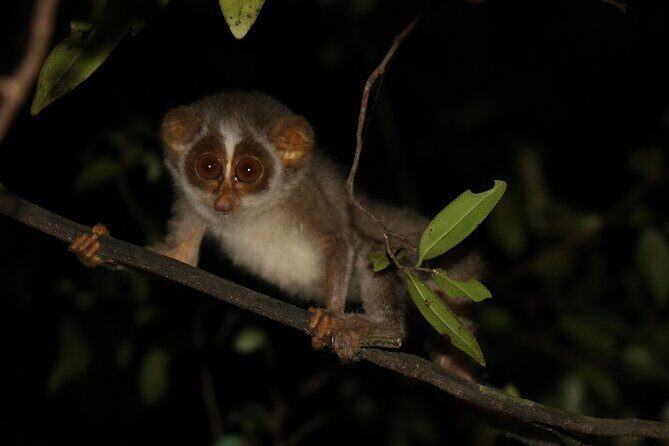
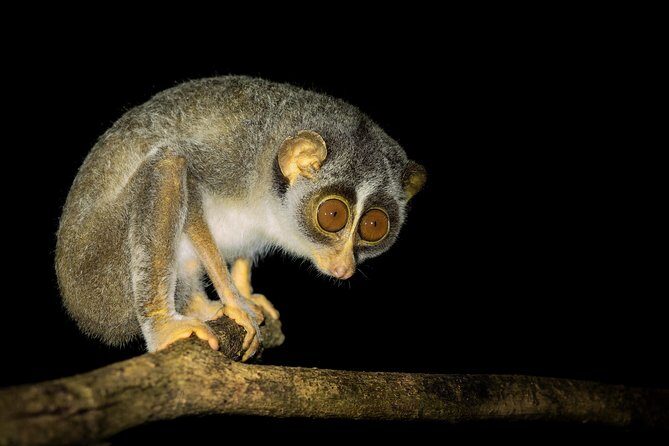
Few animals fit the bill like the Grey Slender Loris: rare, nocturnal, and easy to miss unless someone knows the night rhythm. What makes this walk feel special is the setup—an early talk, then a guided hunt on a nighttime trail through the Pidurangala jungle gardens. I also like the naturalist-led approach and the way the guides position you so everyone has a real chance, not just a quick look from the path. A possible drawback: sightings aren’t guaranteed, so go with patience (and bug tolerance) more than expectations of a perfect photo.
The tour runs about 1 hour 30 minutes, with a small group and hands-on help navigating in the dark. The night lighting technique matters too—guides use low-impact methods to help find eyes and movement without turning the forest into a spotlight show. The main consideration is that this is a real night hike, so you may deal with insects and the occasional scramble on uneven ground.
In This Review
- Key highlights you’ll actually care about
- Why the Grey Slender Loris is worth a night hike near Sigiriya
- Meeting at Rocko’s Vegetarian Cafe and the lead-in before head torches
- The nighttime trail through Back of Beyond Pidurangala: how spotting actually works
- Wildlife beyond loris: the night safari part that shouldn’t be skipped
- The real-world comfort: bugs, darkness, and what to wear
- Group size, private tours, and getting your share of the sighting
- Price and value: is $29 a fair deal?
- Who should book this loris night hike (and who may want a different plan)
- Weather, cancellations, and what happens if the night doesn’t cooperate
- Should you book the Night Hike to See Elusive & Rare Loris in Sigiriya?
- FAQ
- How long is the Night Hike to see Loris in Sigiriya?
- Where does the tour start?
- Is pickup offered?
- How many people are in a group?
- What animal are you hoping to spot?
- Will the guide help during the night walk?
- Are photos possible during the hike?
- Is dinner included?
- Does it run in any weather?
- Is the tour suitable for most travelers?
- Is there a mobile ticket?
Key highlights you’ll actually care about
- Small group limit (max 5) helps you get close and reduces crowd pressure at sightings
- Naturalist intro + night walk means you learn the loris basics before you start searching
- Low-impact night lighting (including infrared techniques described by past guests) helps spotting while minimizing disturbance
- Pidurangala Back of Beyond trail puts you in a jungle setting geared for nocturnal wildlife
- Wildlife bonus beyond loris, including moths, crickets, lizards, and owls mentioned in past experiences
- Optional dinner pairing can make this an easy full evening plan when offered with your booking
Why the Grey Slender Loris is worth a night hike near Sigiriya
Sigiriya gets attention for rock views and ancient ruins. This is different. This tour chases a creature that’s almost the opposite of sightseeing you can predict in daylight.
The Grey Slender Loris is endangered and nocturnal, which means you’re not just “looking for animals.” You’re trying to match your timing to a species that moves at night, hides in trees, and doesn’t show up on a schedule. That’s why a trained guide matters. A good team reads the jungle like a living map—sound, movement, eye-shine, and the small changes in where the animal might be at that moment.
And the reason this experience is so highly rated is simple: it gives you a real structure for success. You start with an intro so you know what you’re looking at. Then you move as a group along a trail planned for night spotting, with help when footing and visibility get tricky. Past guests also describe getting more than one loris sighting in the same walk—sometimes several—so the chances can feel genuinely alive, not like a coin flip.
Other Sigiriya tours we've reviewed in Sigiriya

Meeting at Rocko’s Vegetarian Cafe and the lead-in before head torches
The walk starts at ROCKO’s Vegetarian Cafe in Pidurangala (Pidurangala Road, Sigiriya area). The experience ends back at that meeting point, which keeps the logistics clean for an evening activity.
One of the best parts is the lead-in. Guests describe a short, informative presentation before you go out. It’s held in a setting tied to the property’s jungle vibe—some people even mention a tree house style setup. This matters because it changes your job from hoping to see something to actually noticing things:
- how the loris behaves at night
- what to watch for in eye-shine or movement
- why timing and quiet movement can affect what you see
After that, you head out with your light and the guide takes over. Several guests mention head torches and being given specific instructions so you don’t blast the animals with bright white light.
If you’re doing this after a full day around Sigiriya, the timing helps too. People report starting around 7 pm, then wrapping in about 1.5 hours—long enough for real searching, not so long that you feel wrecked before dinner.
The nighttime trail through Back of Beyond Pidurangala: how spotting actually works
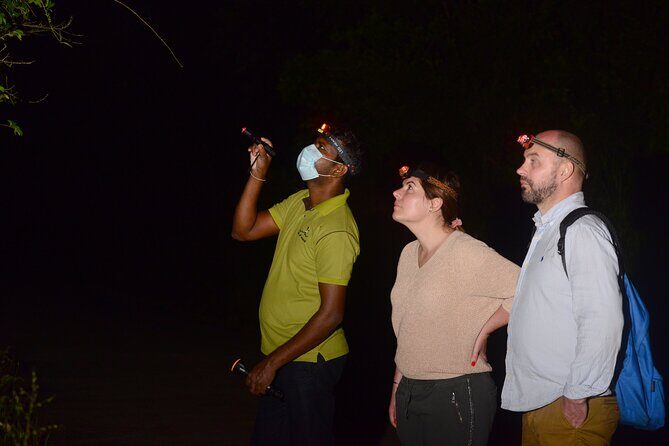
Once you’re on the trail, the experience becomes a mix of walking, stopping, and scanning. The key is that the guides don’t just wander. They guide you to where they believe sightings are most likely, and they manage the group so everyone gets a chance.
From the details people shared, here’s what you can expect from the spotting method:
- Guides point you toward likely positions in the trees rather than asking you to “find it yourself”
- Low-light techniques are used, including infrared lighting in some situations to find eye reflections while reducing disturbance
- You may be asked to pause and adjust your stance so you’re not blocking others’ sightlines
This is also why photos can be tricky. One guest notes that getting the photo onto the camera isn’t always as simple as it sounds, especially when sightings are quick and the animals may shift position fast. Don’t let that make you pessimistic—just treat photos as a bonus. The real win is seeing the loris in a natural posture and realizing how small and delicate it is compared with the size of your expectations.
Also, night conditions matter. One account mentions it was right after rain. That can change sound levels and visibility through mistier air, and it can make the timing of sightings feel different. Your best move is to dress for the trail and stay calm if the forest goes quiet for a few minutes.
Finally, remember the hard truth: you might not see loris every single time. Even very successful walks can produce different results depending on the night. The guides do their part, but nature still sets the tempo.
Wildlife beyond loris: the night safari part that shouldn’t be skipped
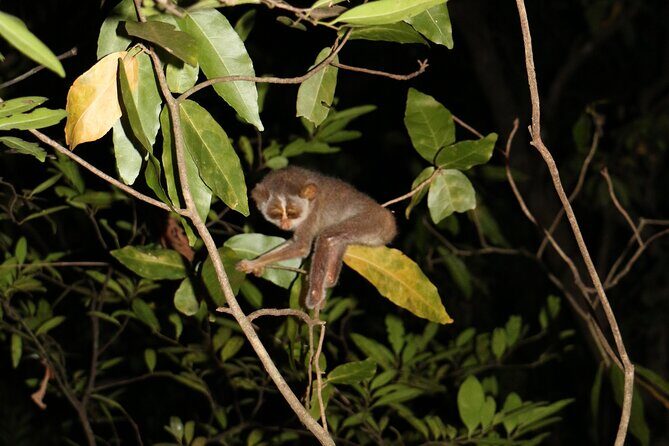
If you only care about loris, you could still be happy with this. But what makes the experience feel like more than animal chasing is the wider night ecosystem.
Guests mention spotting other creatures during the walk, like:
- moths and other insects
- crickets and small critters in the undergrowth
- lizards
- a nesting owl seen during the night walk
Some people also describe extra mammals like a mouse deer, and others mention other nocturnal wildlife such as civets. That’s a big deal because it turns your night from loris-only stress into a fuller jungle experience.
It’s also why the naturalist intro isn’t wasted time. When you understand the basics, the rest of the night feels like observation, not just wandering around in the dark hoping.
The real-world comfort: bugs, darkness, and what to wear
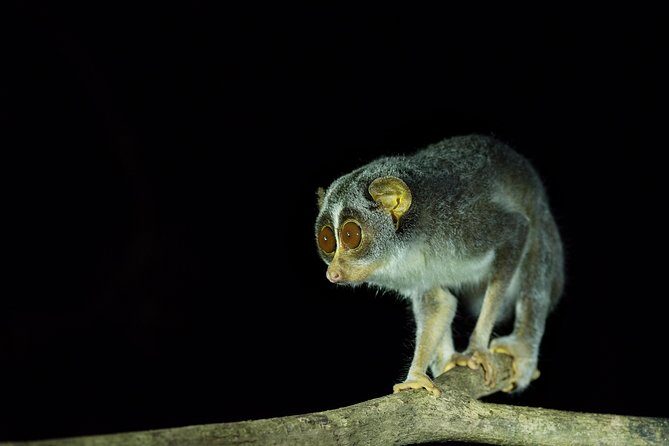
This is a guided hike at night, so plan like it’s a jungle walk, not a stroll.
Expect bugs. Multiple guests directly warn about it in a lighthearted way. You’ll be using small lights and moving through vegetation, which naturally attracts insects. Bring whatever you personally rely on for mosquito and bug control, and wear long pants. Shoes with grip help too, because jungle terrain doesn’t always feel like a paved walkway.
On the plus side, the structure helps you stay comfortable. Past guests mention guides offering hands-on help navigating the forest. If you’re worried about uneven ground, the group size and guide support make it less intimidating than solo night exploring.
Also, it’s not a “marathon.” At around 1 hour 30 minutes, you can keep your energy up and still enjoy it. That shorter duration is part of the value for evening planning in Sigiriya—especially if you want one focused wildlife activity without losing the night to travel fatigue.
Other evening experiences in Sigiriya


Group size, private tours, and getting your share of the sighting
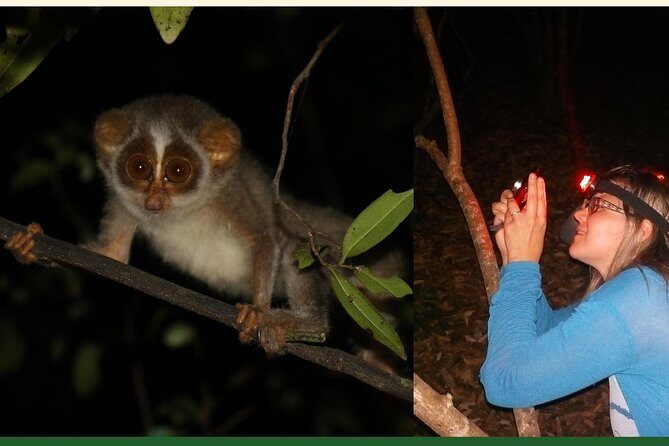
This experience is capped at 5 travelers, and that small group size shows in how sightings work. With a larger crowd, everyone crowds forward, the animal disappears, and half the group never really sees anything. Here, the guides can manage positions so more people get a look.
Guests also describe a personalized feel and strong guide effort, including situations where multiple loris sightings happen during the same walk. One account even mentions 7+ loris, while another describes seeing four including a baby. That’s exactly the kind of range you should expect with nocturnal wildlife—sometimes you hit the jackpot, sometimes you catch fewer sightings—but the small group setup improves your odds of getting at least something memorable.
If you’re traveling alone, this is a comforting format. One past solo traveler notes they enjoyed it as a solo female traveler, which aligns with the idea that you’re not wandering alone in the dark. You’re still in a group, with guide direction and a clear plan.
Price and value: is $29 a fair deal?
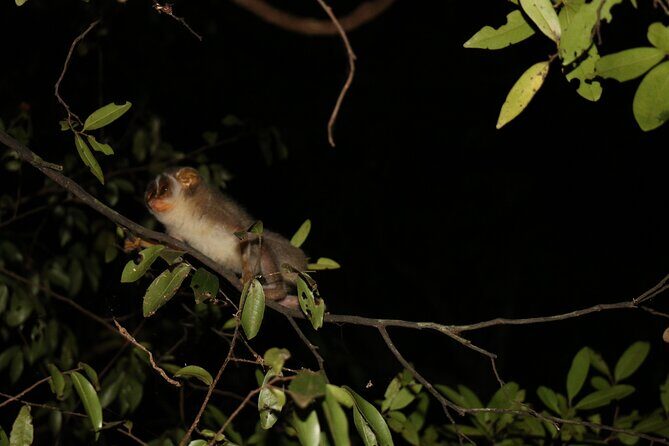
At $29 per person, this isn’t a big splurge. It’s also not just a casual guided walk with a vague promise of animals. You’re paying for:
- a naturalist-led intro and interpretation
- guided night searching on a trail in a jungle property area
- small-group management (max 5)
- spotting help that increases your chances, using lighting techniques meant to avoid unnecessary disturbance
That combination is what makes the price feel reasonable. Even if you only see one loris, the experience is still the kind of thing you can’t easily replicate on your own—because the guide support and night technique are the entire point.
There’s also an option some guests mention: dinner included with their booking. When dinner is part of the plan, it turns the tour into a full evening package that avoids extra coordination. If you see that option available when you book, it’s worth thinking about because it can save you time and keep everything tied to the same property setup.
So yes, $29 is a fair entry price for a rare-animal night hunt—especially in a region where most “nature” ideas are either daylight-only or heavily tourist-driven.
Who should book this loris night hike (and who may want a different plan)
This is best for you if:
- you love wildlife and can handle a little waiting
- you want a short, evening-friendly activity near Sigiriya
- you enjoy learning why animals do what they do, not just spotting a photo
You’ll probably feel happiest if you’re the type who can enjoy the small stuff too—moths, calls, and the moment the forest quiets because something is moving above you.
You might want to consider alternatives if:
- you strongly dislike insects or being in dark jungle terrain
- you need guaranteed, long-duration animal sightings for a trip goal
- you want a bright, easy sightseeing experience like a daytime viewpoint
Also, keep expectations realistic. This is a night walk designed to maximize your chance, not a promise of a specific number of loris.
Weather, cancellations, and what happens if the night doesn’t cooperate
The tour requires good weather, which makes sense for any night hike in a jungle setting. If the activity gets canceled due to poor weather, you’ll be offered another date or a full refund.
For your planning sanity, build this night hike into a day with flexibility nearby. If you’re also packing other Sigiriya activities, give yourself room for adjustments, since wildlife and weather both control the schedule more than humans do.
Should you book the Night Hike to See Elusive & Rare Loris in Sigiriya?
If your idea of a great evening is a small-group, naturalist-led search for a rare endangered primate—then yes, book it. The value is strong for the price, and the experience design makes your odds better than going blind.
I’d especially recommend it if:
- you want a focused nature activity that doesn’t swallow your whole night
- you like the idea of low-impact lighting and guide-led positioning
- you’re open to wildlife beyond loris, like moths, crickets, lizards, and owl sightings
Just go in knowing two truths. One: you might see multiple loris (some nights are spectacular). Two: you might see fewer than you hoped, because this is nocturnal wildlife, not a theme park.
FAQ
How long is the Night Hike to see Loris in Sigiriya?
It runs for about 1 hour 30 minutes (approx.).
Where does the tour start?
The meeting point is ROCKO’s Vegetarian Cafe, Pidurangala Road, Sigiriya 21120, Sri Lanka.
Is pickup offered?
Yes, pickup is offered.
How many people are in a group?
This activity has a maximum of 5 travelers.
What animal are you hoping to spot?
The tour focuses on the Grey Slender Loris, an endangered and nocturnal primate.
Will the guide help during the night walk?
Yes. You’re guided by a naturalist-trained guide the whole way, with hands-on assistance navigating the forest.
Are photos possible during the hike?
Yes, you have a chance to take photos during the tour.
Is dinner included?
Some booking options include dinner, but it depends on what you select when you book.
Does it run in any weather?
It requires good weather, and if it’s canceled due to poor weather, you’ll be offered a different date or a full refund.
Is the tour suitable for most travelers?
Most travelers can participate.
Is there a mobile ticket?
Yes, the tour uses a mobile ticket.