REVIEW · SIGIRIYA
Organic cooking class sigiriya (kumara & family)
Book on Viator →Operated by Organic Cooking & lesson [Treditional Sri Lanka Foods] · Bookable on Viator
One garden, a wood fire, and dinner on your plate. This organic cooking class in Sigiriya turns home-grown ingredients into a full Sri Lankan meal, step-by-step, from spice prep to the way the table is set.
I especially liked the start in Kumara’s family garden—you learn what you’re cooking with, and why it matters. I also loved the hands-on part: you actually help make multiple curries and sides, then sit down to enjoy what you made. The only catch is that it’s an outdoor-ish experience, so if weather turns bad you’ll want to be flexible.
In This Review
- Quick Key Points
- A Farm-to-Fire Start in Sigiriya’s Organic Garden
- Cooking Sri Lankan Curries the Traditional Way (and Actually Using Your Hands)
- The Spice Lesson You’ll Remember in Every Bite
- The Outdoor Kitchen Setup and What It Means for Timing
- Table Setting, Dinner Style, and the Part People Skip in Normal Tours
- Price and Value: Why This $28 Workshop Often Feels Like a Full Evening
- Who This Organic Cooking Class Is Best For
- Practical Tips to Make Your Day Smoother
- Should You Book Organic Cooking & Lesson in Sigiriya?
- FAQ
- Where does the organic cooking class in Sigiriya start?
- How long is the cooking workshop?
- How much does it cost?
- Is this experience private?
- What will I learn during the class?
- Do I cook or just watch?
- What kind of food will I eat?
- Are beverages included?
- Will I get recipes to take home?
- What if the weather is bad?
- Can I cancel for free?
Quick Key Points
- Garden-to-kitchen flow: start with fresh organic produce before you touch the pots
- Traditional spice prep: learn how spices are handled and measured for real Sri Lankan cooking
- Hands-on cooking: you prep ingredients, cook, and get practical tips
- Family-style Sri Lankan table setting: you learn the dinner layout, not just recipes
- Vegetable-forward organic meal: you’ll taste what the garden produces
- Recipes to take home: you get detailed recipes so you can cook again later
A Farm-to-Fire Start in Sigiriya’s Organic Garden
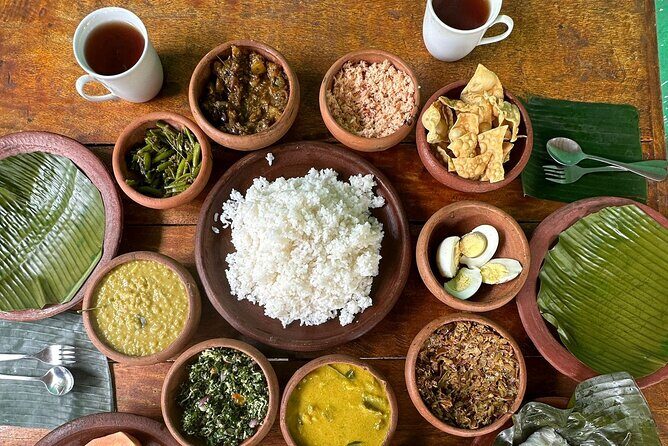
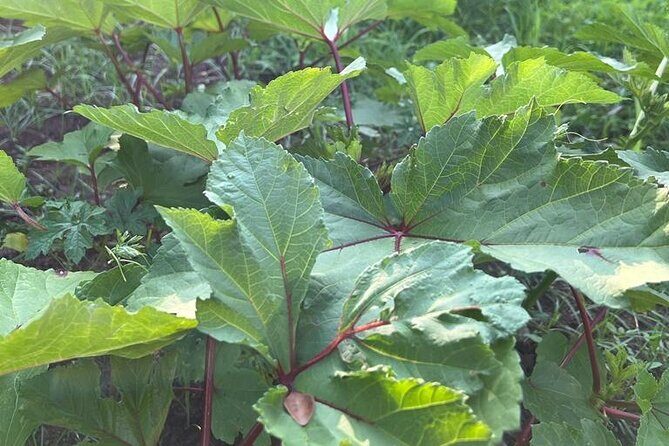
The best part of this class is that it begins like real life, not like a demo. You meet at Organic cooking class sigiriya (kumara & family), 284 kahatagahayaya, kalapuraya, Sigiriya 21120, then head into a home garden where the day’s ingredients are explained in plain, practical terms.
You’ll see herbs, plants, and vegetables that get used in the meal. Guests also mention that the family talks about medicinal plant use and ayurvedic-style eating habits. That’s not a textbook lecture. It’s the kind of talk you’d get from a family who actually grows and uses the ingredients every day.
It also sets your expectations. Sri Lankan cooking is not just about one curry. It’s about balance: different tastes, different textures, and getting the spices ready the right way. Once you understand the ingredients, the cooking phase makes more sense fast.
Other Sigiriya tours we've reviewed in Sigiriya


Cooking Sri Lankan Curries the Traditional Way (and Actually Using Your Hands)
After the garden intro, you move to the cooking area and start building the meal. This is a cook-and-teach format, so you don’t just stand around. You’ll get assigned tasks, watch how things are done, then do them yourself with guidance and tips.
The class focuses on how a typical Sri Lankan dinner is cooked “from start to finish.” That means you’ll learn:
- which curries get prepared and how the method works
- how ingredients are portioned based on quantities
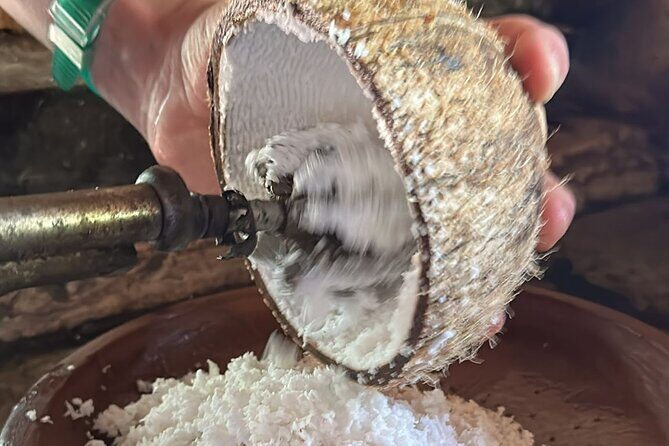
- how spices are prepared in a traditional way
- how vegetables are prepped so they cook right, not mushy or underdone
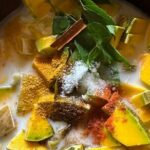
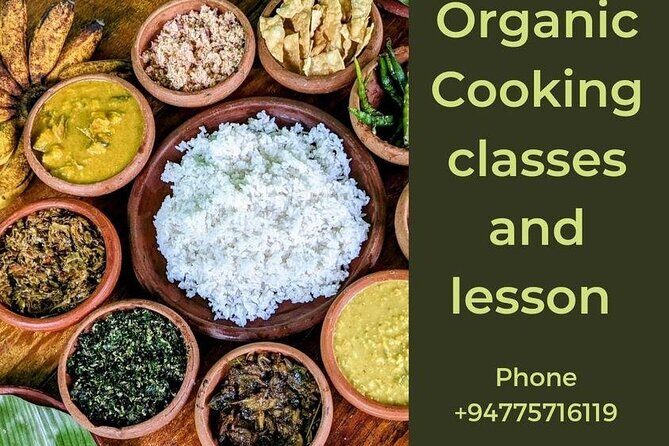
In terms of what you might make, common dishes mentioned include different curry dishes such as dahl (lentil curry), aubergine and pumpkin curries, plus sambal and dessert. Some guests also mention string hoppers or spring hoppers, and even coconut-rotis and sweet potato curry in the menu. The exact lineup can vary, but the core experience stays the same: you’ll learn the rhythm of Sri Lankan cooking, and you’ll help cook a multi-dish spread.
The Spice Lesson You’ll Remember in Every Bite
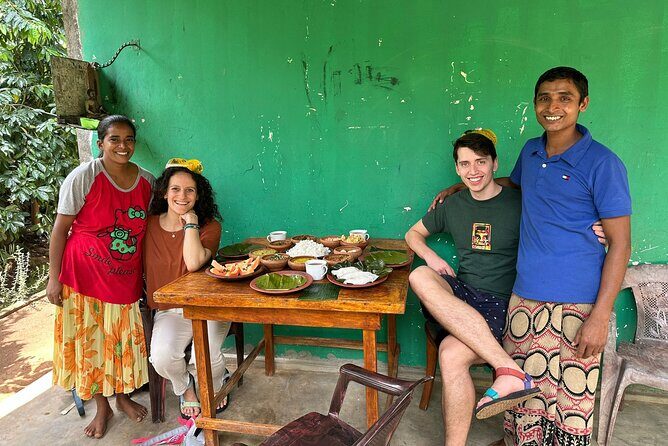
This class puts real focus on spices. Not just the list of spices, but what happens to them before they hit the food.
You’ll learn how spices are prepared traditionally and how that prep connects to flavor. One big theme from the experience is that small choices matter: how spices are handled, how they’re combined, and how they’re used in context with the vegetables and the curry base.
You may also have the option to buy spices. That matters if you want to recreate the taste at home. A lot of cooking classes teach recipes, but then you’re stuck trying to guess the right spice blend and freshness level later. Here, you get a clearer path forward.
And because the ingredients are organic and garden-grown, the day feels less like learning someone else’s kitchen system. It’s more like watching a family cook with what’s available and what they trust.
The Outdoor Kitchen Setup and What It Means for Timing
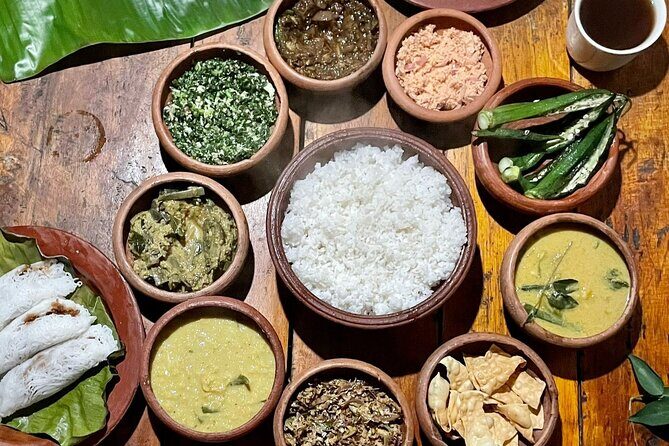
You’ll be cooking in a home setting, not a polished restaurant kitchen. Several guests describe cooking over wood fire in an outdoor kitchen style area. That changes the experience in a good way. It’s slower, more hands-on, and a little more rustic than studio-style classes.
It also affects timing. The duration is listed at about 2 hours 30 minutes. In practice, you should expect the day to feel like one continuous flow: garden walk, ingredient prep, cooking, then eating. You probably won’t get long breaks for photos or shopping stops. If you’re the type who likes to linger over every step, that’s great. If you want a fast, checklist-style class, you might feel the pace is more “family day” than “tour activity.”
Also, it’s weather-dependent. The experience notes good weather is required. If rain hits, you may need to reschedule, so keep your calendar flexible in Sigiriya.
Table Setting, Dinner Style, and the Part People Skip in Normal Tours
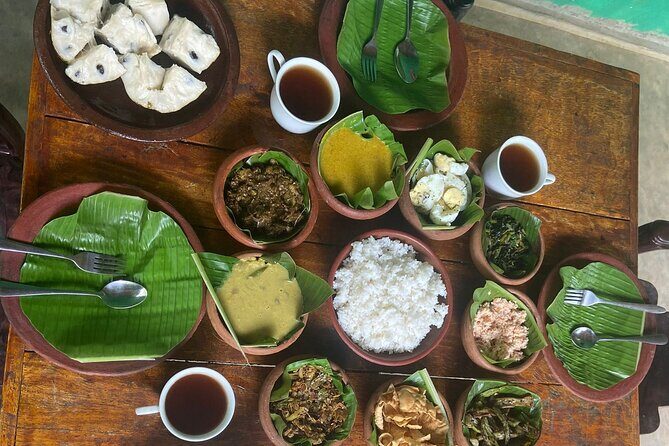
The meal isn’t just included. It’s part of the teaching.
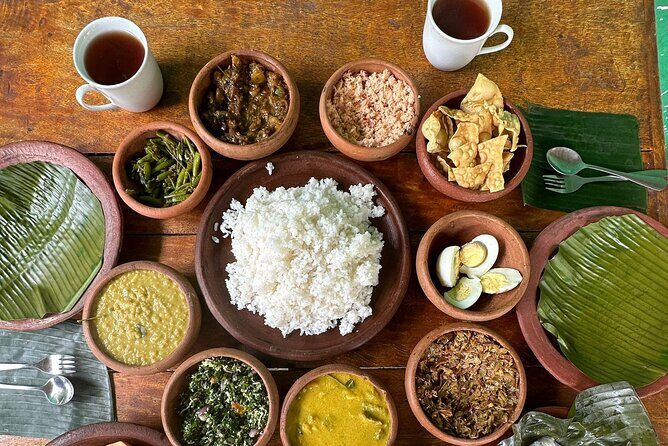
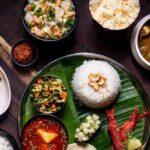
A neat extra here is that you learn how the Sri Lankan dinner table is arranged in a traditional way. That sounds small, but it changes how you eat. Instead of a plate-per-person restaurant routine, you’ll see how the meal is structured to share tastes across curries, sides, and accompaniments.
Then you eat what you cooked. Guests consistently say the food is excellent, with flavor that beats what they expected. The key reason is simple: you learn what each curry is supposed to taste like while you’re making it, so the finished dishes hit differently.
You’ll also be offered herbal tea, and bottled water is listed in the class features. One guest note says they offered hot tea and water from their tap, not bottled water, so I’d treat hydration like a “bring your own just in case” situation. Either way, you’ll end the class with that satisfied feeling of a real meal, not a snack-and-go experience.
Other Sri Lankan cooking classes we've reviewed in Sigiriya


Price and Value: Why This $28 Workshop Often Feels Like a Full Evening
At $28 for about 2.5 hours, you’re paying for more than cooking instruction. You’re paying for:
- access to a family organic garden and their growing-to-cooking process
- hands-on time across multiple dishes
- spice preparation coaching
- a full dinner-style meal with tea
What makes it good value in real terms is that it’s not only “watch me cook.” You’re doing tasks, learning methods, and then eating the results. And guests mention they receive recipes afterward, sometimes in detailed form. That boosts the value beyond the day itself, because you can actually recreate the meal later.
Is it perfect value for everyone? If you hate hands-on cooking, have a strict schedule, or you want a highly structured classroom feel, you might want a different type of tour. But if you like food, spices, and culture that you can taste, the price-to-experience ratio here tends to make sense.
Who This Organic Cooking Class Is Best For
This is the kind of activity that fits well with a few specific travel styles.
You’ll probably love it if:
- you want authentic Sri Lankan home cooking rather than restaurant-only food
- you like gardening and ingredient stories, not just recipes
- you want a social but not overwhelming group experience
- you’re curious about herbs, spices, and the family-side of Sri Lankan cooking
Guests mention that the class can be run with a group of other participants sometimes, so you may not always have only a one-on-one setup. Still, it feels personal because it’s a family home and the menu is tied to their garden.
If you’re traveling with kids, the family-run nature could work well, but the class is still real cooking. Come prepared for a hands-on pace.
Practical Tips to Make Your Day Smoother
A few small things will make the experience easier.
- Wear shoes you can cook in: garden paths and outdoor kitchen surfaces aren’t made for slippers.
- Bring your own water: bottled water is listed, but at least one guest note suggests tap water only.
- Bring a little appetite: you’re cooking a multi-dish dinner, so you’ll want to be ready to eat.
- Ask about recipes during the class: some guests mention getting detailed recipes after, so confirm how you’ll receive them.
- Keep time after the class: you’ll leave full, and you might want to relax rather than rush into another activity.
Should You Book Organic Cooking & Lesson in Sigiriya?
Book this class if you want the best kind of Sigiriya food memory: one tied to garden ingredients, spice prep, and a dinner you helped cook. For many people, the standout is that it feels like you’re invited into a real family kitchen, led by Kumara and supported by his wife Thanuja (and other family members in the kitchen). The organic garden focus is the whole point here, and it shows in both the teaching and the meal.
Don’t book it if you only want a quick food stop, dislike outdoor conditions, or you’re looking for a polished show rather than hands-on cooking. Also, if you can’t move dates due to weather, plan carefully since the experience is weather-dependent.
FAQ
Where does the organic cooking class in Sigiriya start?
The meeting point is Organic cooking class sigiriya (kumara & family), 284 kahatagahayaya, kalapuraya, Sigiriya 21120, Sri Lanka.
How long is the cooking workshop?
The duration is about 2 hours 30 minutes (approx.).
How much does it cost?
The price is listed as $28.
Is this experience private?
It’s described as a private, half-day organic cooking workshop. You should confirm your specific group setup at booking.
What will I learn during the class?
You’ll get an introduction to the curries, the ingredients and spices used, and how spices are prepared traditionally. You’ll also learn ingredient prep based on required quantities and cook with guidance.
Do I cook or just watch?
You cook. The experience includes cooking and tips, plus helping with preparations.
What kind of food will I eat?
You’ll enjoy a freshly prepared evening meal made with organic garden vegetables. Dishes mentioned include multiple curries and accompaniments such as sambal and string hoppers, along with dessert.
Are beverages included?
Bottled water and herbal tea are listed as included, but it’s worth bringing your own bottled water to be safe.
Will I get recipes to take home?
Yes. Guests mention receiving recipes afterwards, and sometimes in detailed form.
What if the weather is bad?
The experience requires good weather. If it’s canceled due to poor weather, you’ll be offered a different date or a full refund.
Can I cancel for free?
Free cancellation is offered. You can cancel up to 24 hours in advance for a full refund, based on the experience’s local time.