REVIEW · SIGIRIYA
Sajee’s Place Cooking Class
Book on Viator →Operated by Sajee’s place cooking class sigiriya · Bookable on Viator
Your hands will smell like spices.
Sajee’s Place Cooking Class in Sigiriya is interesting because you’re not just learning recipes, you’re learning the why behind Sri Lankan flavors through practical spice know-how. I like the hands-on cooking pace and the way Sajee and his wife Suzy explain spices so you can repeat the dishes at home. One thing to consider: it’s an active kitchen lesson, so plan on getting a little messy while you chop, grind, and stir.
This runs about 3 hours and caps at 10 travelers, which matters in a class like this. With fewer people, you actually get step-by-step attention and time to ask questions while the food is still on the stove.
In This Review
- Key things that make this cooking class worth your time
- A small-group Sri Lankan cooking class in Sigiriya
- What you’ll cook: coconut sambol, curry, and Sri Lankan staple flavors
- Coconut milk and curries: the hands-on kitchen you’ll actually remember
- Spice lessons with origins, benefits, and practical use tips
- From the meeting point to your final meal: what a 3-hour session feels like
- Price and value: is $35 worth it?
- Practical tips so you enjoy it without stress
- Who this cooking class is best for
- Should you book Sajee’s Place Cooking Class in Sigiriya?
- FAQ
- How long is Sajee’s Place Cooking Class?
- Where is the meeting point in Sigiriya?
- How much does the cooking class cost?
- What dishes will I cook during the class?
- Is the class suitable for vegetarians or people with dietary preferences?
- What is the maximum group size?
- Can I cancel and get a full refund?
Key things that make this cooking class worth your time
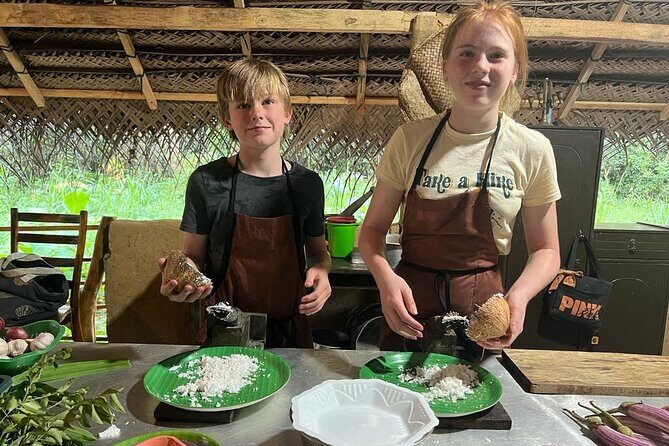
- Up to 10 people means more attention while you cook
- Spice instruction with scent and taste so you learn what you’re using
- Coconut milk from scratch gives you a real foundation for curries
- Rice & curry style cooking with multiple curries and coconut sambol
- Diet and spice level are considered if you’re vegetarian or want less heat
- You eat what you cook, so the lesson has a payoff
A small-group Sri Lankan cooking class in Sigiriya
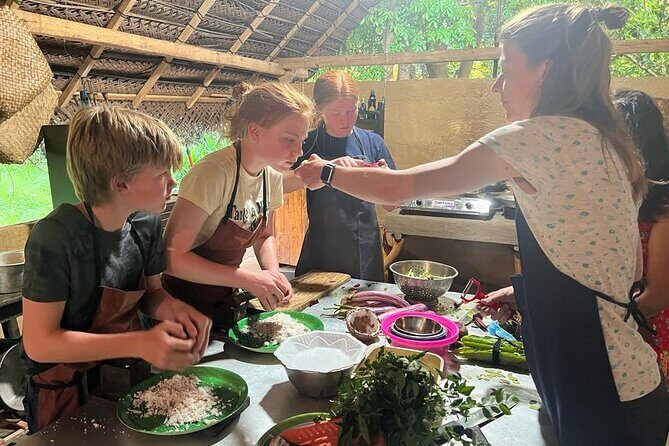
Sigiriya has plenty of big-ticket tours, but this is the kind of experience that slows you down in the best way. At Sajee’s Place, the focus is squarely on home-style Sri Lankan cooking. You’ll get guided practice with real ingredients, and you’ll learn how spices behave in food instead of just collecting recipe names.
The most practical benefit of a class like this is the small group size. When your group is capped at 10 travelers, the hosts can check what you’re doing, correct mistakes fast, and help you understand the technique. That is hard to pull off in bigger classes where everyone is mostly standing around.
Another good sign is the teaching style. Sajee and Suzy are set up for beginners. They specifically aim to explain spices, their benefits, their origins, and tips on how to use them, including what to smell for as things cook. Even if you’ve cooked before, you’ll likely pick up a few spice moves you don’t see in Western kitchens.
The practical “downside” is also clear: you’ll be working. If you want a sit-and-watch show, this won’t be your vibe. You’ll be chopping, mixing, and stirring, and that’s where the learning happens.
Other Sri Lankan cooking classes we've reviewed in Sigiriya
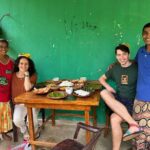
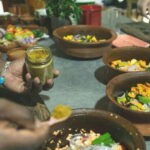
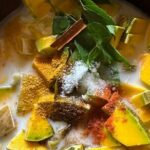
What you’ll cook: coconut sambol, curry, and Sri Lankan staple flavors
The menu is designed around Sri Lankan rice-and-curry comfort food. You can expect you’ll make coconut sambol and learn curries that may include seasonal vegetables plus a protein curry.
Your class is built around multiple dishes, typically including:
- seasonal vegetable curry
- coconut sambol
- a chicken or fish curry (depending on what you choose)
In addition, some classes run with a bigger spread of curries and side dishes. One featured experience described making coconut milk and cooking a set of seven curries, with most of them vegetarian and one not. Another described curries built from ingredients like potato, carrot, lentils, chicken, and pumpkin-style mixes, plus something described as zucchini/beans. The exact lineup can vary, but the pattern stays the same: you learn how Sri Lankan flavors come together across several dishes, not just one.
That “several dishes” part is valuable for you because it builds transferable technique. You learn how the base flavors behave across different curries. You also learn what changes when you swap vegetables versus lentils versus meat or fish.
If you’re vegetarian, this class is set up to be flexible. The experience includes attention to whether you’re a meat eater or vegetarian, and it factors in your preferences for how spicy you want things. That’s a huge comfort point if you’ve ever been stuck eating something that’s either bland or burning.
Coconut milk and curries: the hands-on kitchen you’ll actually remember
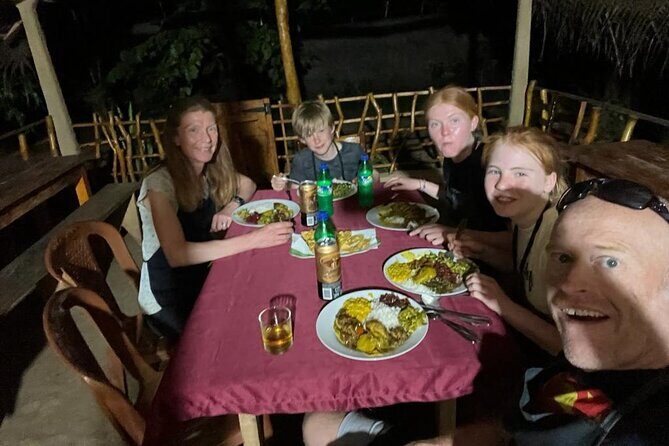
One of the strongest details in the feedback is coconut milk made in the process, not purchased as an easy shortcut. Learning to make coconut milk yourself is a big deal because coconut changes texture and balance. You’ll start to understand why some curries feel creamy and rounded, while others feel sharper and more spice-forward.
You can also expect a lot of real prep work. You might wash ingredients like rice and lentils, and you’ll likely get hands-on time with multiple curry steps. The class is structured so you aren’t just tasting at random. You’re cooking, then learning what you’re tasting.
Curries in this class aren’t treated like one mysterious pot. You’ll typically cook multiple curries in the same general window, which forces you to keep learning while you work. That sounds intense, but the hosts pace it for beginners. They explain steps in detail and keep the class moving, so you don’t spend half your time waiting.
Here’s why this matters for your money. A $35 class can either be a quick taste tour or a real skill builder. This one leans toward skill-building because you’re actively making the components that drive flavor: spices, curry bases, and coconut-driven richness.
Spice lessons with origins, benefits, and practical use tips
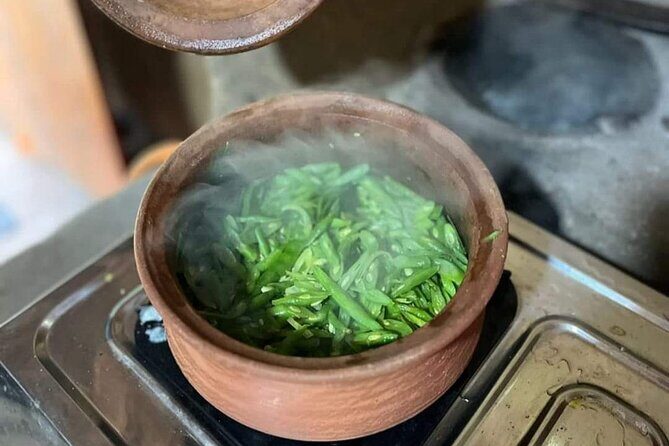
If you’ve ever cooked with spices but felt like you were guessing, this is the part you’ll appreciate most. The class explicitly teaches you about different spices, including their benefits and origins, plus concrete tips on how to use them.
What makes it feel useful is the sensory approach. The experience includes explanations where you can directly taste and smell spices, not just read about them. That helps you build a mental shortcut: you don’t only recognize a curry by color, you recognize it by aroma and the moment when the spice changes.
You’ll also learn practical caution points, like how to handle spice blends so they don’t turn bitter or overpower the dish. Even if you keep your heat level mild, you’ll learn which spices carry flavor and which spices bring aroma.
Spice instruction is where the class can pay off long after your meal. You’ll leave with a better sense of how to recreate the flavor profile at home. The goal is that you can repeat the cooking, not just replicate one recipe once.
And because the hosts take preferences into account, the heat level doesn’t have to be a mystery. If you want less spicy food, that’s part of the conversation, not something you suffer through.
From the meeting point to your final meal: what a 3-hour session feels like
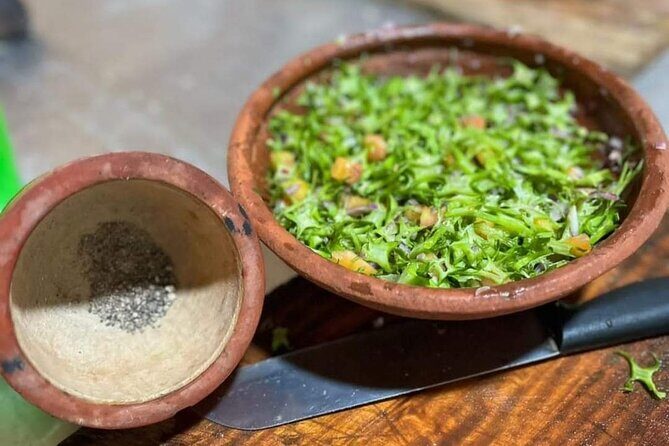
The class meets at Sajee’s Place Cooking Class, No 92 fourth mile post, Sigiriya 21120, Sri Lanka. It’s located in a working area near public transportation, so it’s not the kind of remote meeting point that forces you to hire a private car just to start.
You’ll begin there and then stay in the same general area. The activity ends back at the meeting point, so you’re not dealing with an awkward second transit plan afterward.
In terms of the flow, plan for a typical rhythm like this:
- Welcome and introduction to the dishes you’ll make
- Spice explanations that include origins and how to use each spice
- Hands-on cooking steps for curry base work and key components
- Coconut milk and curry making during the active cooking window
- Coconut sambol preparation to finish the plate
- Eating the meal you cooked, while you can still ask questions
Some sessions run about 2.5 hours of cooking time for a larger number of curries. Others are closer to a full 3 hours total. Either way, the pace is meant to keep you involved rather than watching other people cook.
A nice detail: the hosts don’t just hand you a spoon and hope you figure it out. The class is designed for beginners, and they explain each step clearly so you understand what you’re doing and why.
If you’re coming with teenagers or kids, this is one of those activities that actually holds attention. The structure is hands-on and focused, not a long monologue.
Other cooking classes in Sigiriya



Price and value: is $35 worth it?
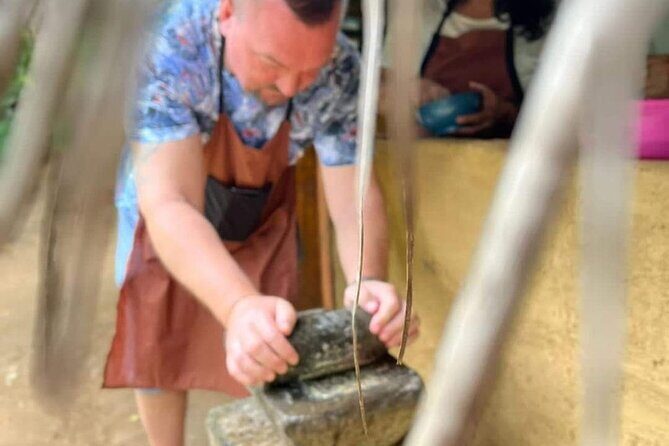
At $35 per person for about 3 hours, the value comes from what’s included: you’re learning multiple dishes, using real ingredients, and then eating the meal you made.
In a lot of budget cooking classes, you pay for entertainment and end up with one simple dish. Here, the instruction is built around Sri Lankan curry cooking fundamentals and includes dishes like coconut sambol plus curry choices like chicken or fish. Many sessions also include several curries and side-style items, and the emphasis on coconut milk adds another skill you can reuse later.
The small group cap at 10 travelers also boosts value. You’re more likely to get individualized help and step-by-step corrections. That’s hard to quantify, but it’s felt in the learning speed.
Also, there can be group discounts, which helps if you’re traveling as a small group. If your plan is a mix of paid tours plus one hands-on activity, this is a good anchor because it turns into something practical you can redo later.
Practical tips so you enjoy it without stress
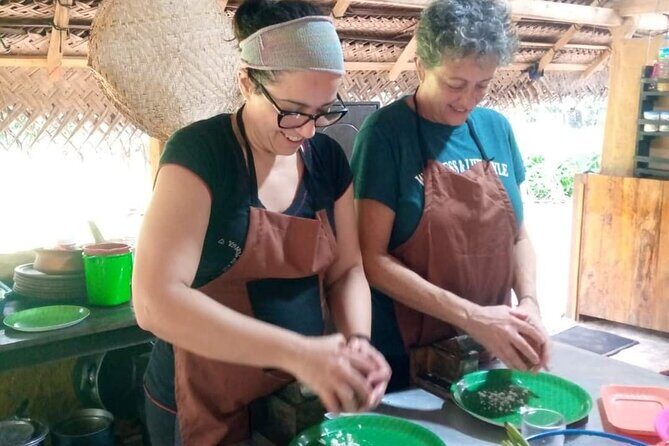
A cooking class sounds simple until you’re in an apron trying to keep your shirt clean. Here are the sensible things to prepare for, based on the active, hands-on format.
- Wear clothes you don’t mind getting stained. Curries and coconut can be hard to rinse if you wait too long.
- Bring a small towel or extra cloth if you have one. It helps with spice paste and quick wipe-downs.
- If you prefer mild spice, say so early. The hosts consider spice preferences and vegetarian needs, and you’ll get a better result when they know your heat tolerance.
- Plan your day around the full 3-hour block. This isn’t a quick 30-minute snack lesson, and you’ll want time to eat your meal comfortably afterward.
- Have cash or card ready if you’re doing add-ons. The base price is $35, but it’s smart to not assume extras are free.
For communication, the experience lists WhatsApp as the easiest route if you need details before booking. You’ll find the WhatsApp number: 0094767419738.
Who this cooking class is best for
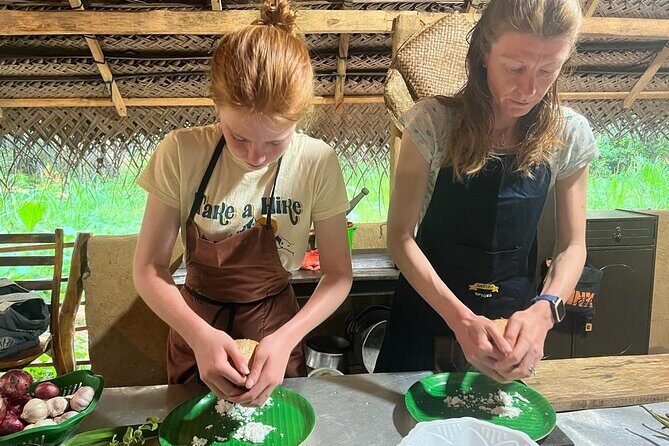
This class is a strong match if you want real technique, not just a food photo session. It works particularly well for:
- first-time cooks who want spice basics explained clearly
- people who love Sri Lankan flavors and want to understand why they taste the way they do
- families with teens who can handle hands-on tasks
- vegetarians or anyone with food preferences, since the class considers whether you eat meat and your spice level
It might not be ideal if:
- you want a purely sightseeing-style tour with minimal cooking work
- you dislike kitchens and prefer watching to participating
- you’re trying to squeeze in too much right before or after, since you’ll be focused on cooking and eating for the full session
Should you book Sajee’s Place Cooking Class in Sigiriya?
Book it if you want a payoff that lasts longer than your meal. For $35, you’re getting a guided, small-group kitchen session with spice teaching, coconut milk practice, and a rice-and-curry style meal you actually cook and eat. If you’re even a little curious about how Sri Lankan spices work, you’ll leave with practical knowledge, not just a full stomach.
Think twice only if you’re aiming for a low-effort, sightseeing-only afternoon. This is active cooking. If that sounds fun to you, it’s an excellent use of a few hours in Sigiriya.
FAQ
How long is Sajee’s Place Cooking Class?
The class lasts about 3 hours.
Where is the meeting point in Sigiriya?
It starts at Sajee’s Place Cooking Class, No 92 fourth mile post, Sigiriya 21120, Sri Lanka.
How much does the cooking class cost?
The price is $35.00 per person.
What dishes will I cook during the class?
You’ll prepare Sri Lankan dishes such as seasonal vegetable curry, coconut sambol, and either a chicken or fish curry.
Is the class suitable for vegetarians or people with dietary preferences?
The class takes into consideration whether you prefer vegetarian food and your spice level, so it can be adjusted to fit.
What is the maximum group size?
The class has a maximum of 10 travelers.
Can I cancel and get a full refund?
Yes. You can cancel for a full refund if you cancel at least 24 hours before the experience starts. If you cancel within 24 hours, the amount paid is not refunded.