REVIEW · SIGIRIYA
From Sigiriya: Minneriya National Park Elephant Safari
Book on GetYourGuide →Operated by Shan Jeep Safari & Tour · Bookable on GetYourGuide
Hundreds of elephants can happen fast.
This Minneriya National Park safari from Sigiriya is built around one thrilling idea: the chance to see elephant herds gathered in a single place, then watch them graze, play, and sometimes head to the water while your English-speaking driver tracks them. A 4-hour safari also means you’re not stuck on a bus all day.
I also like the way the outing is practical for real humans—there’s spotting and photography help, plus drivers who aim for good viewing positions instead of constant big-car traffic. One thing to keep in mind: park entrance fees aren’t included, and in rainy weather or when herds shift, you may end up in a different nearby park to follow the animals.
In This Review
- Key things to know before you go
- Why Minneriya from Sigiriya is a special elephant hunt
- The 4-hour flow: pickup, jeep ride, and your safari loop
- Elephant sightings: what “hundreds in one location” feels like
- Beyond elephants: the wildlife mix you can actually expect
- The guide’s job: tracking, positioning, and respectful driving
- Price and value: what $33 really buys you
- Timing tips: morning tends to be calmer, rain can shift everything
- Comfort in a Sri Lankan safari jeep (and what to bring)
- Who should book this elephant safari from Sigiriya?
- Should you book the Minneriya Elephant Safari with Shan Jeep Safari & Tour?
- FAQ
- How long is the Minneriya National Park elephant safari?
- Where will I be picked up from?
- Is the park entrance fee included?
- Are meals or snacks included?
- Is the driver English-speaking?
- Do they help with wildlife spotting and photography?
- What if elephants move to another area due to weather?
Key things to know before you go

- Elephant herds are the main event: you’re there for big groups, often with calves visible at the lakeside.
- Your guide’s tracking matters: multiple drivers are praised for finding animals and steering you toward the best spots.
- It can get muddy and bumpy: safari roads in wet conditions can be rough, even with a comfortable jeep.
- Other wildlife is part of the package: deer, water buffalo, monitor lizards, and lots of birds show up in the mix.
- Expect plan changes when elephants move: guides may suggest shifting parks if sightings are better elsewhere.
Why Minneriya from Sigiriya is a special elephant hunt
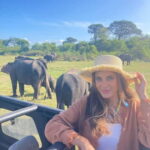
If you’re basing yourself around Sigiriya, this is one of the cleanest ways to add big wildlife action without turning your day into a logistics headache. The route typically starts with pickup, then you’re rolling out by jeep toward Minneriya National Park, where the famous elephant gathering can create that unforgettable “how are they all here?” moment.
What makes this work is the combination of timing + tracking. Minneriya (and the nearby circuit of parks) is where elephants feed and travel, and the “hundreds at once” scenario depends on conditions like water and recent weather. A good driver doesn’t just drive randomly and hope—people consistently highlight guides like Prasad, Thilina, Janith, and Prasanth for actively reading the situation and positioning the jeep where the animals are likely to be calm and visible.
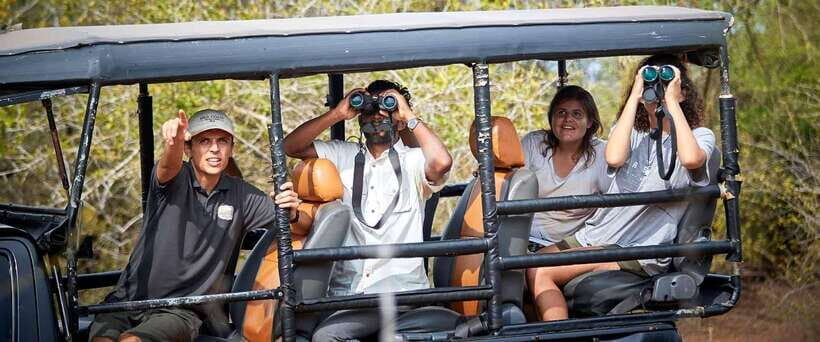
There’s also a human side to the experience. You’re not only riding around. You get wildlife-spotting and photography assistance, plus English explanations of what you’re seeing—behavior, simple ecology, and why elephants show up in certain patches.
Other Sigiriya tours we've reviewed in Sigiriya

The 4-hour flow: pickup, jeep ride, and your safari loop
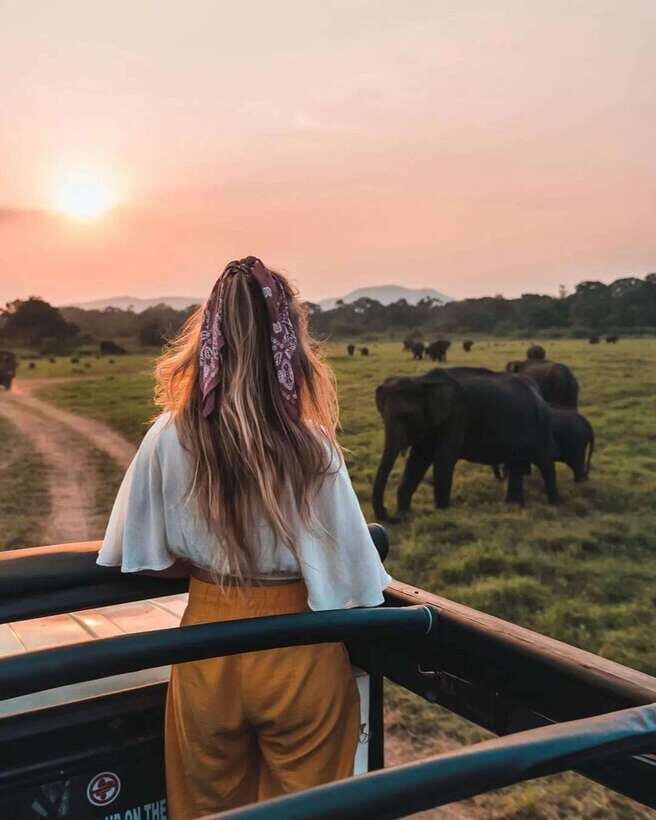
This is a half-day safari at about 4 hours, so think of it like a focused wildlife mission rather than a full-day expedition. Your exact starting time depends on availability, but the structure stays similar.
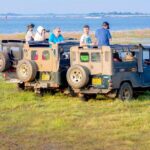
First comes hotel pickup and drop-off from Sigiriya, Habarana, Dambulla, or nearby. That matters because it saves you from figuring out separate transport to the park area. Then you head into the park by sturdy jeep, usually with the driver keeping an eye out for elephants early and then working the best viewing areas as the herds shift.
Once you’re in the wildlife area, the “loop” is about patience and repositioning. You’re likely to stop when you find a herd grazing near grasslands or water. If the elephants move—sometimes due to temperature, water availability, or rain—the driver adjusts and keeps the pace steady rather than sprinting from one spot to another.
You should also know that the outing’s duration can feel flexible depending on where the elephants are. One visitor described an almost 5-hour experience after an adjustment, and the overall theme in the comments is that the guides prioritize the animals over the clock.
Practical note: park entrance fees are not included. So your total day cost isn’t only the tour price—you’ll pay the park fee on top.
Elephant sightings: what “hundreds in one location” feels like
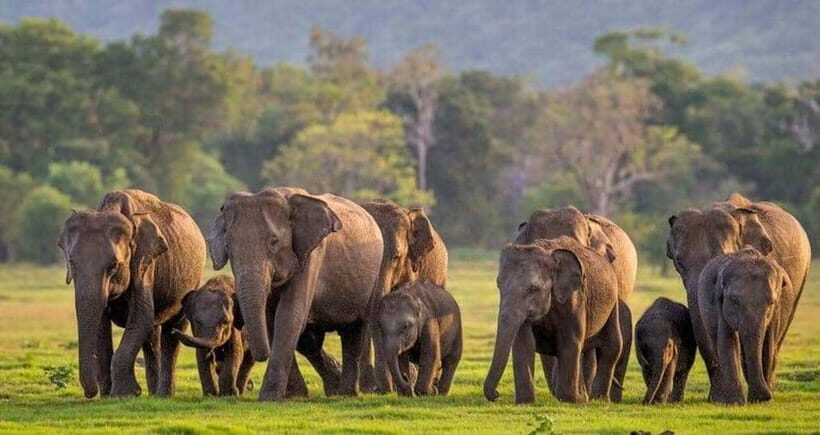
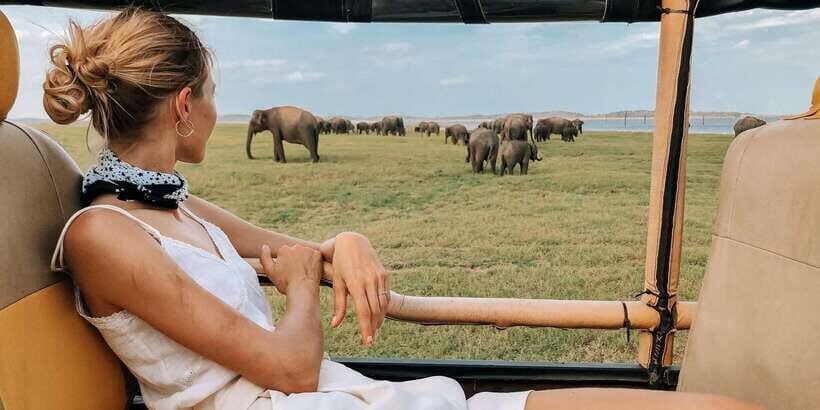
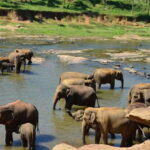
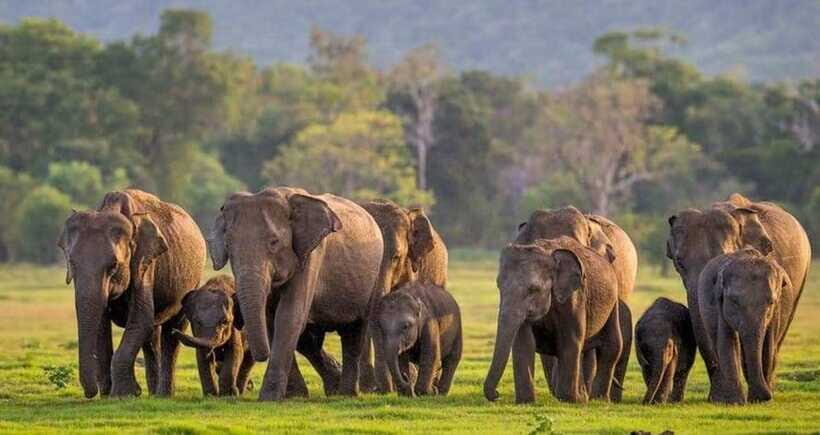
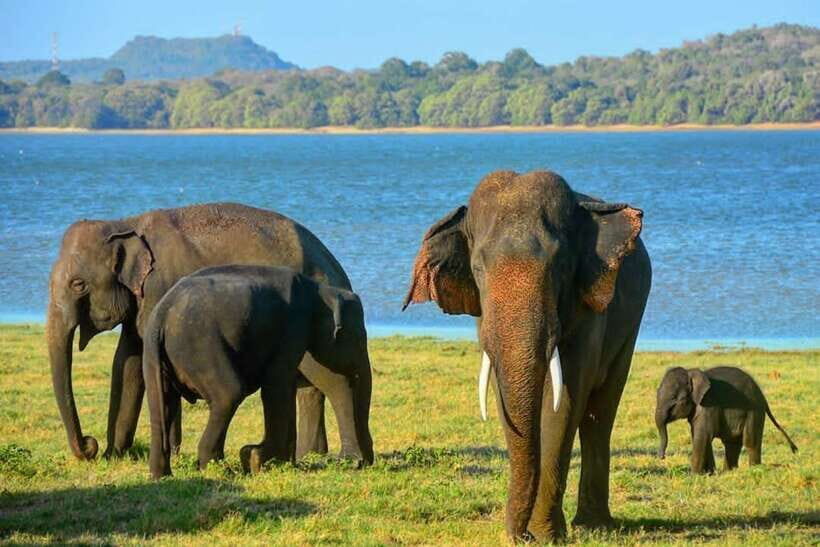
Let’s talk about the headline. The core value here is the realistic chance of seeing a large number of elephants together. That’s not hype—it’s exactly what people rate highest. Many accounts describe seeing at least 50 elephants during a sighting, with some saying 60–70 at once.
What I like about the way these safaris play out is that elephants aren’t just a static photo target. You often get multiple moments: herds grazing, elephants walking in groups, calves following close behind, and even elephants heading toward water for bathing. A standout theme is the presence of young elephants—someone highlighted a very young calf (around 2.5 months), and others saw baby elephants in the herd.
Also, the best viewing isn’t always “standing beside the herd.” Several guides are praised for keeping distance respectful while still placing you close enough for strong photos. In a few cases, visitors specifically noted the driver cutting the engine when animals were nearby. That’s a small detail, but it signals the right approach: less noise, more calm.
One possible downside: if herds are in the open and cars are concentrated, the environment can get busy around the most popular spot. The good news is that many guides are praised for avoiding the busiest crowds by choosing quieter entry points and less obvious viewpoints.
Beyond elephants: the wildlife mix you can actually expect
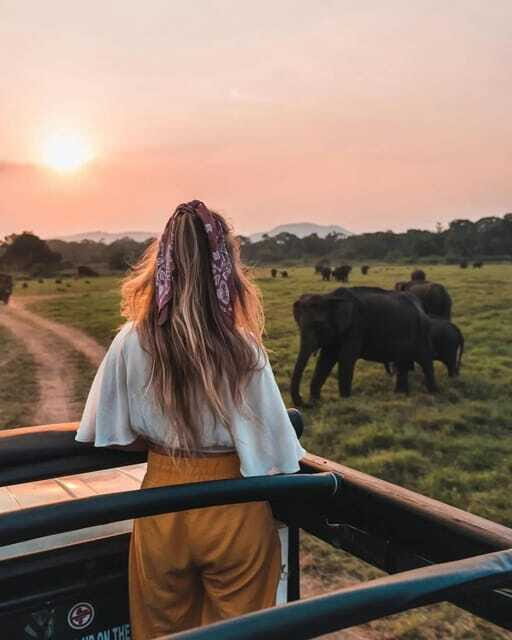
You’re booking for elephants, but the best safaris are the ones that keep delivering even after you’ve seen the main herd. Here, the sightings often branch out across the park’s water edges, grass patches, and forest edges.
Common additional animals mentioned include:
- Water buffalo (often near water)
- Deer (moving through grass and edges)
- Monitor lizards (especially in sunny spots)
- Exotic birds and lots of birdlife
- Even occasional bigger raptors like an eagle has been reported
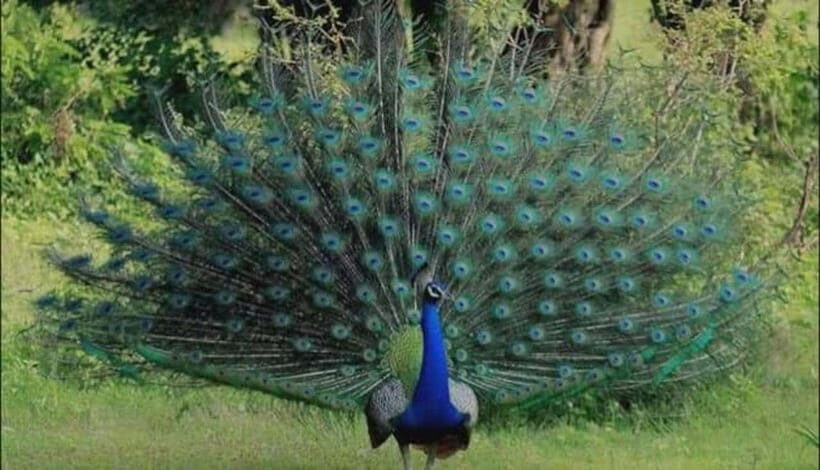
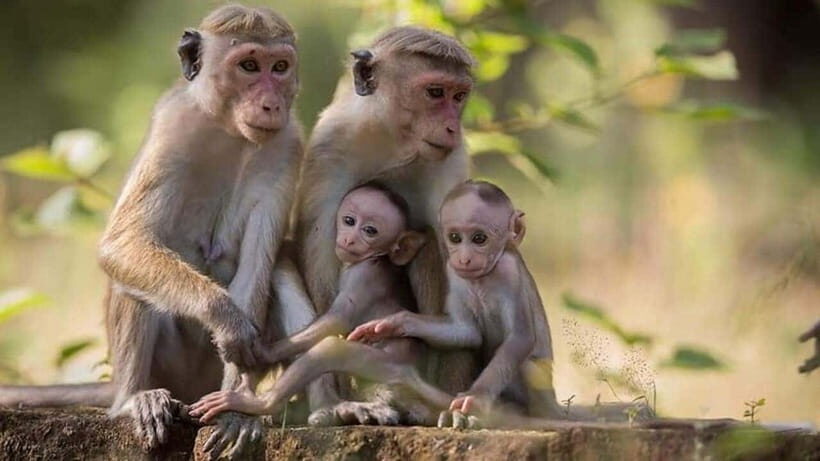
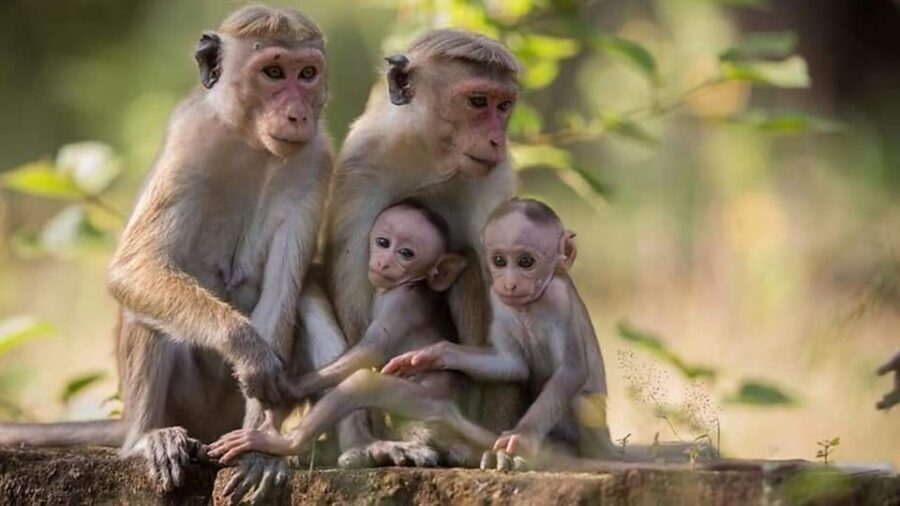
Some people also mentioned peacocks and monkeys. That’s not guaranteed, but it’s consistent enough that you should expect a “wildlife buffet,” not just one animal for four hours.
For photographers, this is important. Even if elephants wander out of frame, the chance to track birds, lizards, or buffalo gives you multiple chances to shoot without feeling like you’re stuck waiting for one big moment.
The guide’s job: tracking, positioning, and respectful driving
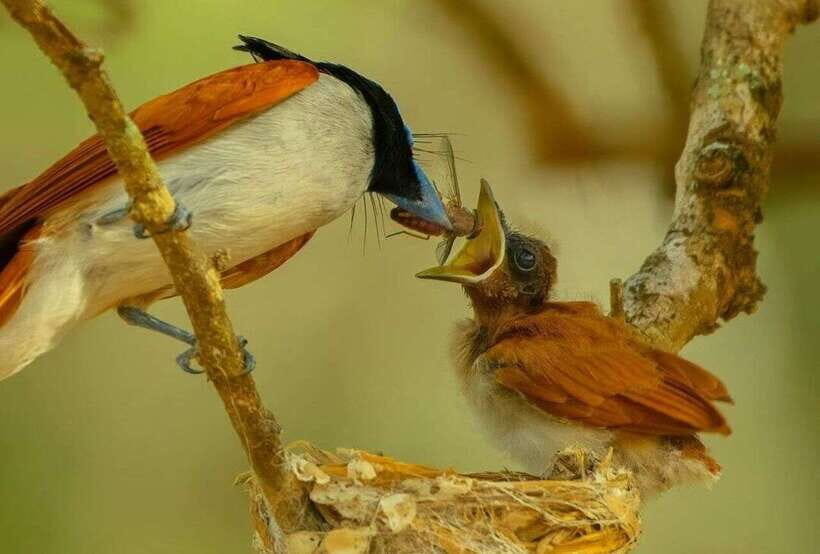
In a safari, the driver is not just transport. This is a moving search-and-position game, and the comments repeatedly credit drivers for doing it well.
Several guides are praised for having an instinct for where to go. That translates into a few things you’ll feel during the ride:
- You spend more time looking rather than driving in circles.
- You’re placed where you can see action without constant obstruction.
- The driver keeps a calm, safe approach around animals.
Names that show up often in successful outings include Prasad, Prasanth, Thilina, Janith, and Miura. People also talked about guides being friendly, funny, and good at answering questions in English. If you care about learning, that’s a plus—because knowing what you’re looking at makes photos and sightings more satisfying.
One ethical consideration you might want to think about: some visitors said they felt a bit close at times, though they also noted the elephants appeared not distressed and the overall feeling was respectful. My take: if you’re sensitive to wildlife tourism pressure, look for a guide style that prioritizes distance and calm. The best sign is whether the driver slows down, stops at appropriate moments, and avoids crowd-chasing.
Other Minneriya safari tours we've reviewed in Sigiriya

Price and value: what $33 really buys you
At $33 per person for a 4-hour safari, the value hinges on what’s included and what’s extra. Here’s the clean breakdown based on the tour info:
Included:
- Professional driver (English)
- Pickup and drop-off from Sigiriya/Habarana/Dambulla/nearby
- Wildlife spotting and photography assistance
- Opportunity to see herds of wild elephants plus other wildlife
- Insurance coverage for the safari vehicle
Not included:
- Minneriya National Park entrance fees
- Meals or snacks
So, you’re paying mostly for transport + guiding + entry to the safari experience (but not the park fee itself). One visitor cited an entrance cost in the neighborhood of 11,000 Sri Lankan rupees per person, which is exactly the kind of fee you should plan for so the final total doesn’t surprise you.
Is it still good value? For many people, yes—especially because the alternative is often piecing together private transport, a guide, and then dealing with the timing yourself. A successful elephant day is the kind of thing you can’t easily recreate with DIY effort, and the tour is designed around that “getting you there and finding sightings” value.
Timing tips: morning tends to be calmer, rain can shift everything
Two practical timing notes show up repeatedly in the experience accounts.
First: mornings are often less busy. People recommended going earlier because there are fewer cars, and rain is less of a problem. If you can choose, morning generally gives you a better shot at a more relaxed viewing rhythm.
Second: elephants can move when conditions change, especially with rain. More than once, guides reportedly recommended switching parks because elephants migrated. That happened when rain made the animals shift from Minneriya toward other nearby options like Hurulu Eco Park or Kaudulla. Sometimes it’s described as an organized adjustment rather than a random scramble.
What this means for you: if weather looks iffy, don’t assume the plan will stay rigid. A good guide’s flexibility is part of the value here. Just remember park entrance fees may apply to whichever park you end up visiting.
Comfort in a Sri Lankan safari jeep (and what to bring)
Safari jeeps are built for uneven ground, and in wet conditions they can be muddy. One account described a “very bumpy, muddy and wet” ride in a different eco park, which is a reminder that comfort is about being prepared, not about luxury.
What you’ll likely want:
- A light rain layer or rain jacket (since rain can change sightings)
- Closed-toe shoes
- Sunglasses and sun protection even if the morning starts cool
- A charged phone/camera and a way to secure it while you move
- Water—your tour includes transport and insurance, not meals, so you should plan for hydration
A few visitors mention getting water or fruit from the provider or guide, but since that isn’t guaranteed in the tour details, treat it as a bonus, not a plan.
Also, consider your posture and tolerance for sitting still for long viewing stretches. If you’ve got a short attention span, bring a mindset shift: elephant watching is slow. That’s where the real moments happen.
Who should book this elephant safari from Sigiriya?
This is a great fit if you want:
- Big elephant sightings without a full day out
- A driver who focuses on good viewing positions and not just driving
- A wildlife experience that also includes other animals (birds, buffalo, lizards)
- A family-friendly format with a clear start and finish
It’s also a solid choice for photographers because you’re not only looking; you’re getting photo assistance and repeated chances to frame elephants at different distances and behaviors.
Who should think twice:
- If you hate bumpy rides or mud, be aware that safari roads can be rough, especially when conditions are wet.
- If you need guaranteed “Minneriya only, no changes,” you should know there’s a history of guides adjusting to follow herds when Minneriya sightings are not ideal.
For everyone else, the practical takeaway is simple: you’re buying a structured, guided route to a top elephant hotspot from the Sigiriya area—and you’re letting the guide do the hard part.
Should you book the Minneriya Elephant Safari with Shan Jeep Safari & Tour?
Yes, if your goal is an efficient, high-likelihood elephant day with pickup from the Sigiriya area and a guide who actively finds herds. The strongest reason to book is the consistent praise for lots of elephant sightings and for guides like Thilina, Janith, Prasad, and Prasanth getting you to good spots without a chaotic feel.
Double-check your math for entrance fees, because that’s the main extra cost. And if you’re choosing between morning and afternoon, lean morning for calmer conditions and often better crowd levels.
If you want, tell me when you’re going (month is enough) and where you’re staying (Sigiriya vs Habarana vs Dambulla). I’ll help you think through the timing and what to expect from the elephant movement patterns that season.
FAQ
How long is the Minneriya National Park elephant safari?
The safari duration is listed as 4 hours.
Where will I be picked up from?
Pickup and drop-off are offered from Sigiriya, Habarana, Dambulla, or nearby locations.
Is the park entrance fee included?
No. Park entrance fees for Minneriya National Park are not included.
Are meals or snacks included?
No. Meals or snacks are not included.
Is the driver English-speaking?
Yes. The driver is listed as English.
Do they help with wildlife spotting and photography?
Yes. Wildlife spotting and photography assistance are included.
What if elephants move to another area due to weather?
Your guide may recommend changing parks when elephants move, based on experiences shared with this safari option. Entrance fees are not included, so the additional fee would still be something you’d plan for.