REVIEW · SIGIRIYA
Organic Cooking Class Sigiriya TASTY TASKS
Book on Viator →Operated by TASTY TASKS COOKING CLASS · Bookable on Viator
Sigiriya’s best snack isn’t on a road sign. It’s in a home kitchen where you make Sri Lankan food from scratch, step by step, then sit down and eat the whole result. I like that you start with a proper herbal welcome drink, Belimal with Hakuru, and you also learn the point of the spices, not just the recipe. I also love the hands-on tools: clay pots and coconut spoons, plus cooking over a firewood stove for that village-style feel. One consideration: it’s a shared class for up to 15 people, so it’s interactive, but you won’t have a totally private kitchen bubble.
This is the kind of experience that works best when you’re hungry for real cooking techniques—grinding, mixing, simmering, tasting—rather than just watching someone else do it. The meal is designed to be vegetarian and vegan-friendly, so it’s also a smart choice if your group has dietary limits. If you’re short on time, the 3-hour pace can feel quick, so pick a slot that won’t race you into another plan.
In This Review
- Key Things You’ll Notice Right Away
- Organic Sri Lankan Cooking in Sigiriya: What You’re Really Buying
- Before the Cooking: The Herbal Welcome and Spice Primer
- The Kitchen Tools That Matter: Clay Pots, Coconut Spoons, Firewood
- Picking the Ingredients: Garden Fresh Starts
- The Cooking Flow: What You’ll Make, Step by Step
- Parippu (Red Lentil Curry)
- Pol Sambol (Coconut Salad)
- Jackfruit or Mango Curry
- Pol Roti (Coconut Flatbread)
- Halapa (Sweet Jaggery and Kurakkan Leaf Snack)
- Brinjal Moju (Spicy-Sweet Eggplant Pickle)
- Steamed Rice and Traditional Accompaniments
- The Health Ingredient Angle: Useful, Not Gimmicky
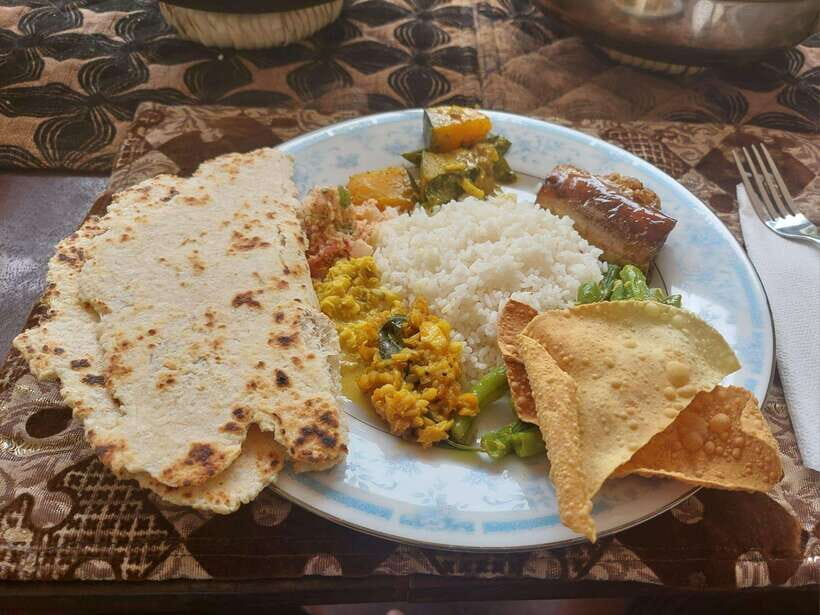
- The Meal at the End: Big Plates, Real Satisfaction
- Logistics That Affect Your Day: Timing, Meeting Point, and Pace
- Who This Cooking Class Is Best For
- Price and Value: Why $38 Can Make Sense Here
- Quick Tips So You Get the Most Out of It
- Should You Book Tasty Tasks in Sigiriya?
- FAQ
- How long is the Organic Cooking Class in Sigiriya?
- Does the class include a meal?
- Is pickup offered?
- How many people are in the class?
- What dishes might I learn to cook?
- What are the available time windows?
Key Things You’ll Notice Right Away
- Herbal welcome drink before you touch ingredients, so the experience starts with Sri Lanka, not just food
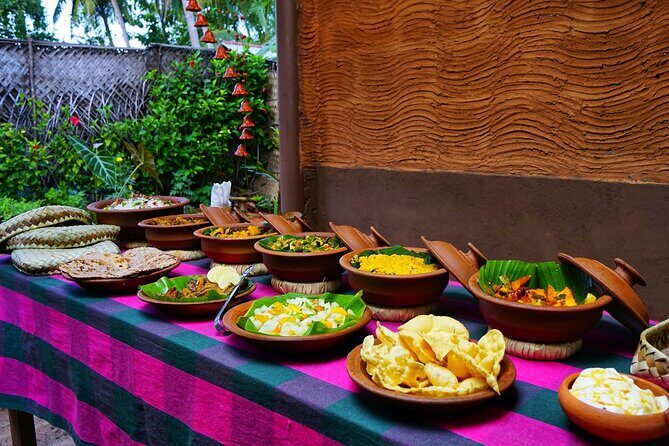
- Clay pots, coconut spoons, and firewood stove for an authentic cooking feel
- Fresh ingredients from a garden so the flavors start with what’s actually growing
- A full Sri Lankan meal you make and then eat at the end, not just samples
- Menu variety with classic dishes like Parippu, Pol Sambol, Pol Roti, and brinjal pickle
Organic Sri Lankan Cooking in Sigiriya: What You’re Really Buying
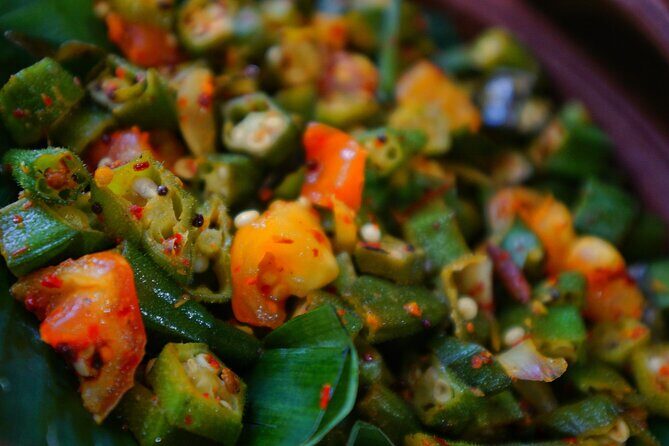
At $38 per person for about 3 hours, this class is priced like a solid “value activity” once you factor in what’s included: ingredients, equipment, and a full meal you actually cook. You’re not paying for a few tastings. You’re paying for a guided, hands-on cooking session that ends with a satisfying dinner—vegetarian and vegan-friendly—with bottled water provided.
The most practical part is that it’s structured. You’ll get an intro to Sri Lankan spices and key ingredients, then you’ll work through multiple dishes in a sequence that makes sense. That matters because Sri Lankan cooking often depends on layering flavors: toasting spices, building curry bases, balancing heat with sweetness, and making coconut-based sides that cut through the richness.
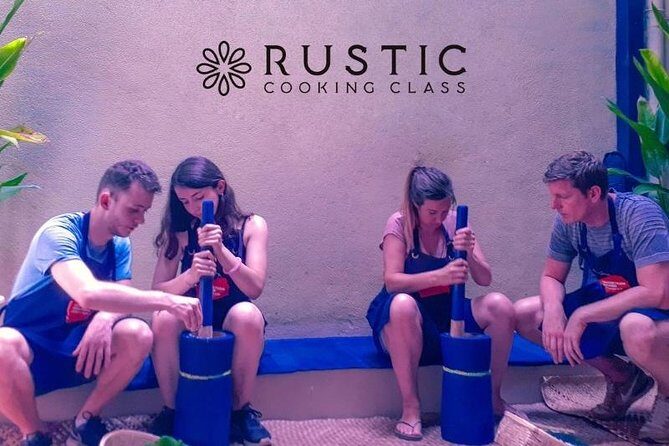
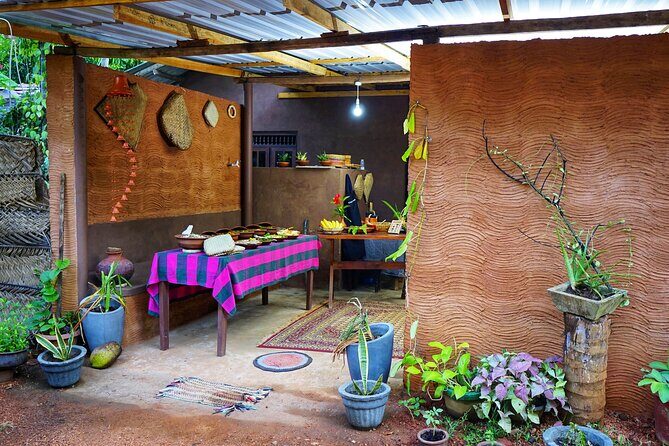
The setting also helps. This isn’t a demo-only setup. You’ll be in a warm, local home kitchen with equipment you don’t see in most tourist cooking classes, like clay pots and utensils made for Sri Lankan cooking. And because the group is capped at 15 people, it stays interactive without turning into a classroom where you can’t get a turn.
Other Sigiriya tours we've reviewed in Sigiriya


Before the Cooking: The Herbal Welcome and Spice Primer

You meet at Tasty Tasks Cooking Class, 186/A 1 Pothana, Kimbissa, Sigiriya, and the activity ends back at the same meeting point. You’ll get a mobile ticket, so bring your confirmation on your phone.
Right when you arrive, the experience sets a friendly rhythm. You’ll start with a refreshing herbal drink: Belimal with Hakuru—dried belimal flower tea sweetened with natural palm sugar. It’s a small detail, but it signals the theme: local ingredients, local methods, and a focus on taste you can feel in your body.
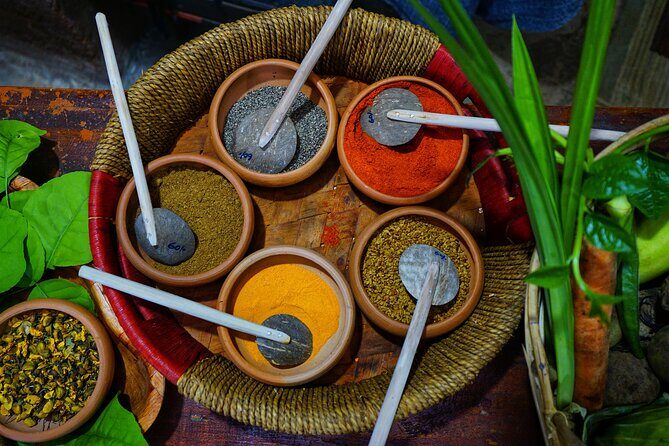
Then comes the spice and ingredient intro. You’ll learn why certain ingredients matter beyond flavor—like the health benefits commonly associated with turmeric, moringa, and cinnamon. Even if you’re not chasing wellness trends, it’s useful because those ingredients aren’t random. They’re built into Sri Lankan flavor logic: warmth, aroma, and that classic curry depth.
The Kitchen Tools That Matter: Clay Pots, Coconut Spoons, Firewood
This class isn’t only about the dishes; it’s about the method. You’ll cook using:
- Clay pots, which help with even heat and that slow, steady simmer feel
- Coconut spoons, built for scooping, mixing, and working with coconut-based sauces and sides
- A firewood stove, which adds a noticeable authenticity to the cooking process
If you’ve ever wondered why some curries taste more rounded or comforting, equipment can be part of the story. You might not measure the difference with a thermometer, but your senses will pick it up: aroma, how heat behaves, and how ingredients develop when cooked with more traditional setups.
Also, since this is hands-on, you’ll get experience with the mechanics. You’ll mix, stir, and portion, which is the stuff that makes your future cooking more realistic—not just “I saw it once.”
Picking the Ingredients: Garden Fresh Starts
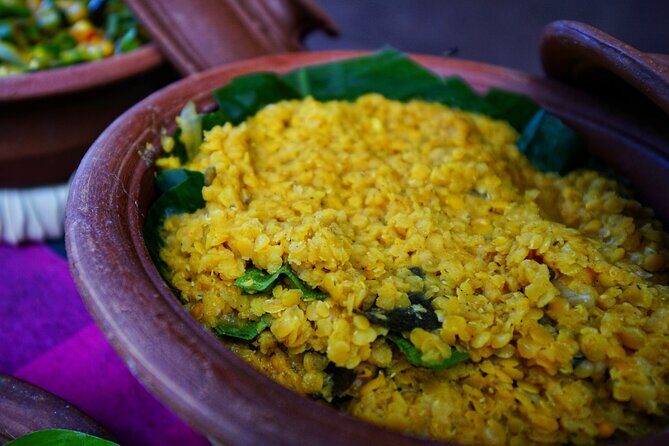
Fresh produce matters most when the kitchen ingredients are simple and the spices do the heavy lifting. This experience includes the chance to use fresh ingredients from a garden, so you’re not relying only on packaged items.
For you, that means the meal is more vibrant and less muted. For example, coconut-based items like Pol Sambol taste different when the coconut and supporting ingredients are fresh and handled with care. And curry sides like eggplant pickle (Brinjal Moju) or sweet-savory snacks like Halapa rely on quality ingredients to hit the right balance.
The Cooking Flow: What You’ll Make, Step by Step
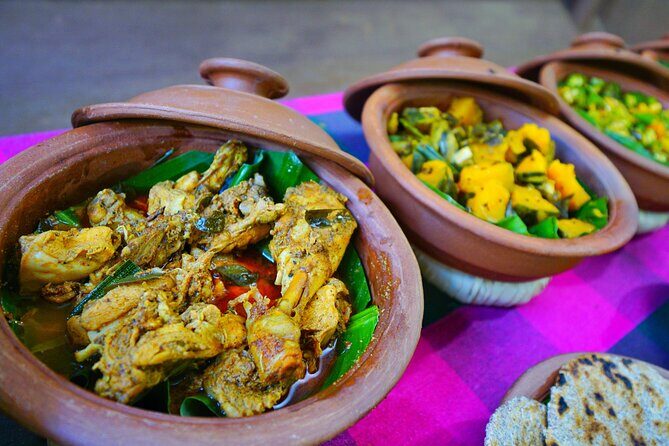
You’ll prepare several classic Sri Lankan dishes, and the exact set may vary, but the menu highlights include these favorites:
Other Sri Lankan cooking classes we've reviewed in Sigiriya

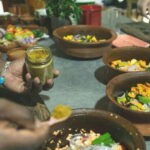
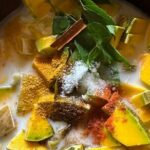
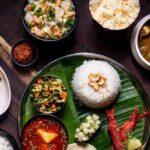


Parippu (Red Lentil Curry)
This is the kind of curry that teaches you how Sri Lankan flavor builds depth. Lentils can taste flat without proper spice layering. You’ll learn how to make it from scratch, using the course sequence and traditional technique, then you’ll see how it pairs with coconut sides and rice.
Pol Sambol (Coconut Salad)
Pol Sambol is a key Sri Lankan side because it’s where coconut, chili, and aromatics meet. It’s not just “salad.” It’s a flavor booster. Expect a strong, fresh taste that wakes up the meal—especially when eaten with steamed rice.
Jackfruit or Mango Curry
Depending on what’s available, you may cook with jackfruit or mango. Either way, you’ll get practice in balancing sweet fruit notes with curry spices. This is where Sri Lankan cooking often surprises people—in a good way—because sweetness doesn’t mean bland. It means complexity.
Pol Roti (Coconut Flatbread)
This is a hands-on dough and cooking technique moment. Pol roti is a coconut flatbread that complements curry and salad. You’ll likely work with coconut and flour-like bases and learn how to handle consistency and cooking heat.
Halapa (Sweet Jaggery and Kurakkan Leaf Snack)
Halapa is a sweet snack built from jaggery and kurakkan leaf. This part of the class is great if you like learning ingredients you can’t easily find back home. You’ll see how traditional sweets are structured and why they taste less “dessert-sugar” and more like a food with its own identity.
Brinjal Moju (Spicy-Sweet Eggplant Pickle)
This dish brings the heat-plus-sweet balance. Brinjal pickle style is a Sri Lankan comfort-food category, and making it teaches you how pickled flavors develop and cling—because curry meals feel incomplete without a tangy, punchy side.
Steamed Rice and Traditional Accompaniments
Rice is not the boring part here. It’s the anchor. You’ll learn how the meal comes together on the plate, and you’ll understand which dishes act like flavor carriers and which ones act like palate cleansers.
One more detail that makes the class fun: in practice, you’ll usually be working on around 10 dishes (the exact number can shift based on timing and group pace). That’s why it feels like a full culinary workshop, not a short “cook one thing” activity.
The Health Ingredient Angle: Useful, Not Gimmicky
You’ll hear about common local health benefits tied to turmeric, moringa, and cinnamon. Here’s the grounded way to think about this: even if you don’t follow herbal medicine, learning that these ingredients are prized locally helps you cook with respect for their flavor roles. Turmeric’s warmth, moringa’s distinct leaf character, and cinnamon’s aroma all make sense in Sri Lankan cuisine when you treat them as intentional choices.
The Meal at the End: Big Plates, Real Satisfaction
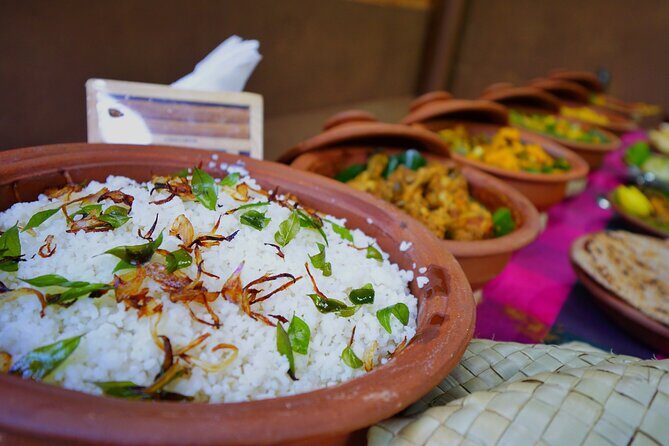
Once cooking is done, you sit down and enjoy the full meal you helped create. The class is set up so you don’t leave hungry. People have described the portions as huge, and that matches what you’d expect from a full Sri Lankan spread: lentil curry, coconut sides, flatbread, a sweet element, something pickled or tangy, and rice.
This is where the value shows. Even if you’re not a “foodie,” the meal becomes your reward, and it’s not some tiny sample plate. It’s a proper dinner—vegetarian and vegan-friendly—so you can relax and focus on eating.
Logistics That Affect Your Day: Timing, Meeting Point, and Pace
The class has set opening windows:
- 7:00 AM to 10:00 AM
- 11:00 AM to 2:00 PM
- 3:30 PM to 6:30 PM
Duration is about 3 hours, and it ends back at the meeting point. You can plan your day around one of these windows without guesswork.
The location is near public transportation, and pickup is offered, but the notes also mention private transportation details (including a tuk-tuk option with short-distance coverage). Practically, I’d treat pickup as part of your plan and confirm what’s included for your exact starting point when you book.
Also, the group size stays reasonable—maximum 15 travelers—which usually means you can participate, ask questions, and not spend the whole time standing on the sidelines.
Who This Cooking Class Is Best For
This works especially well if:
- You want hands-on technique rather than passive watching
- You like learning ingredients you can’t easily source at home
- You travel as a family or in a small group and want something that feels welcoming and interactive
It’s also a strong fit if you’re cooking-curious and want a confident takeaway. You won’t just taste Sri Lanka; you’ll understand the flow: spice intro, ingredient prep, curry and side making, then eating.
If you hate messy, active activities, it might feel like too much. But if you’re okay with getting involved—stirring, mixing, tasting—this class hits the sweet spot.
Price and Value: Why $38 Can Make Sense Here
Let’s talk money honestly. $38 per person sounds modest for a class that includes:
- Ingredients and equipment
- A full vegetarian/vegan-friendly meal
- Bottled water
- A traditional setup using clay pots and firewood cooking
Many “food experiences” charge a similar amount for a short taste session or a guided meal with no real cooking. Here, the meal is the product of your work. That’s what makes the price feel fair.
Also, the class is often booked about 50 days in advance on average. That’s a hint you might want to reserve early, especially if you want a specific time window.
Quick Tips So You Get the Most Out of It
Bring a good attitude and a few practical expectations:
- Wear comfortable clothes you don’t mind getting curry-adjacent smells on
- Assume you’ll be tasting as you cook, so plan a light snack or skip a heavy lunch if you’re doing the midday slot
- If you’re sensitive to spice, tell the instructor. Sri Lankan cooking often includes chili, and you can usually adjust your own portions
And one small mindset shift helps: focus less on copying the exact dish and more on learning the process. Once you get the logic—spice timing, coconut balance, sweet-savory contrast—you’ll be able to cook similar meals later, even with different ingredients.
Should You Book Tasty Tasks in Sigiriya?
If your goal is to leave Sigiriya with more than a photo and a full stomach, I’d book it. This class gives you a full meal, real hands-on prep, and a traditional cooking setup using clay pots, coconut spoons, and a firewood stove. The portion size seems generous, and the food stays approachable because the menu is built around Sri Lankan classics like Parippu, Pol Sambol, Pol Roti, and Brinjal Moju.
I’d skip it only if you want something purely observational or you’re trying to fit it into an already packed schedule with no buffer. The experience takes about 3 hours, and it’s best when you can slow down and participate.
One final practical note: cancellation is free up to 24 hours in advance for a full refund, so you have some flexibility if plans shift.
FAQ
How long is the Organic Cooking Class in Sigiriya?
It’s approximately 3 hours.
Does the class include a meal?
Yes. You’ll enjoy a full Sri Lankan meal, and it’s listed as vegetarian and vegan-friendly.
Is pickup offered?
Pickup is offered. The activity also starts and ends back at the meeting point.
How many people are in the class?
The class has a maximum group size of 15 travelers.
What dishes might I learn to cook?
Possible dishes include Parippu (red lentil curry), Pol Sambol, Jackfruit or Mango Curry, Pol Roti, Halapa, Brinjal Moju, and steamed rice with traditional accompaniments.
What are the available time windows?
Classes run during these times: 7:00 AM–10:00 AM, 11:00 AM–2:00 PM, and 3:30 PM–6:30 PM.