REVIEW · ELLA SRI LANKA
Ella: Sri Lankan Authentic Cooking expirience
Book on GetYourGuide →Operated by Honey Bee Garden Cooking Class · Bookable on GetYourGuide
Cook curry in someone’s real kitchen. In Eastern Province, this Sri Lankan cooking class is set up for hands-on learning in a traditional home, not a demo where you watch from the side. You’ll get an English-speaking host, an intro to the spice logic behind Sri Lankan food, and a full meal at the end that you actually made in that same kitchen.
I love the hands-on flow, from cracking coconuts to scraping and making coconut milk for curries and sambal. I also like that you leave with email recipes, plus the chance to learn practical ways to swap ingredients if Sri Lankan staples are hard to find at home.
One consideration: transportation isn’t included, so you’ll want to plan how you’ll get to the home and back. Also, it’s a tight 2 hours, so come ready to learn fast and cook.
In This Review
- Key reasons this Sri Lankan class earns top marks
- Entering a traditional Sri Lankan home with Ruwini
- The 2-hour rhythm: spice intro, then you cook for real
- Cracking coconuts and making coconut milk: the class’s backbone
- The full menu: rice plus multiple curries and sides
- Rice: the simple anchor
- Aubergine modju: learning curry texture and bite
- Dhal curry: spice layering that works every day
- Pumpkin curry and beans curry: sweetness and earthiness
- Coconut sambal: the spicy-creamy side
- Coconut rotti: moving from sauce to bread
- Papadam: the crunchy finish
- Hands-on roles: you won’t just watch
- The end meal: eating what you cooked in the same sitting
- Recipes by email: what you get after class (and why it counts)
- Price and value for $22 in Eastern Province
- Practical tips so you cook well and enjoy more
- Should you book Honey Bee Garden’s Sri Lankan cooking class?
- FAQ
- What dishes will I learn to cook?
- How long is the cooking class?
- Where is the class held?
- What is the group size?
- Is the class taught in English?
- Is transportation included?
- Can I request tea?
- Can the class accommodate dietary restrictions?
- Are recipes provided after the class?
Key reasons this Sri Lankan class earns top marks
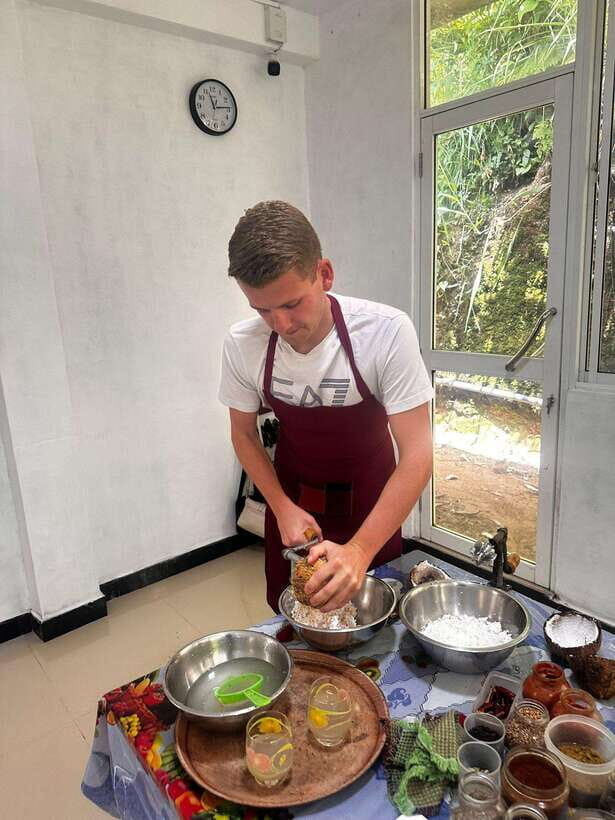
- Ruwini teaches with energy: she keeps a small group of up to 10 actively involved, and she’s known for patience and good humor
- You work with real coconut: cracking, scraping, and using fresh coconut milk is part of the process
- You cook a full rice-and-curry-style plate: rice, multiple curries, coconut sambal, coconut roti, plus papadam
- Vegetarian-friendly with advance notice: tell the host your dietary needs before you arrive
- Recipes arrive quickly: you get recipes via email after class, and some guidance includes ingredient substitutes
Entering a traditional Sri Lankan home with Ruwini
This experience is hosted in a traditional Sri Lankan home. That matters more than you’d think. Cooking in a home kitchen means you get the real rhythms of how Sri Lankan families cook: spices handled with confidence, coconut treated like a core ingredient (not a garnish), and a meal built around balance of flavors rather than one big sauce.
The host, Ruwini, is an experienced home cook with fluent English. That combination makes the whole class easier to follow. You’re not decoding a language barrier while trying to manage heat, timing, and chopping. In a small group (limited to 10), you’re also more likely to get real roles at the cutting board and stove.
If you use mobility aids, this class is listed as wheelchair accessible. And because it’s taught in English, you can focus on cooking technique instead of translating.
What to know before you go: you’re encouraged to participate actively. If you prefer to stand back, this may feel like too much hands-on work. If you like learning by doing, you’ll probably have a great time.
Other Ella tours we've reviewed in Ella Sri Lanka


The 2-hour rhythm: spice intro, then you cook for real
The session starts with a brief introduction to Sri Lankan spices. This isn’t just a list of names. The point is to help you understand how Sri Lankan flavors are built—how the same spice family can shift taste depending on how it’s used, toasted, blended, or paired with vegetables.
Then the class moves quickly into action. Expect stations or shared steps where you’ll work through several dishes rather than doing one curry only. That structure is ideal for learning, because you see how different curries behave and how spice blends can feel different even when you’re working with the same “Sri Lankan” foundation.
Also, it’s a 2-hour experience. That’s plenty of time to learn a technique or two deeply, but it’s not a multi-day course. Come with the right mindset: you’re there to cook, taste, adjust, and move on.
On request, you can also enjoy upcountry black tea. It’s a small touch, but it fits the home-kitchen vibe and gives you a break while you’re learning.
Cracking coconuts and making coconut milk: the class’s backbone
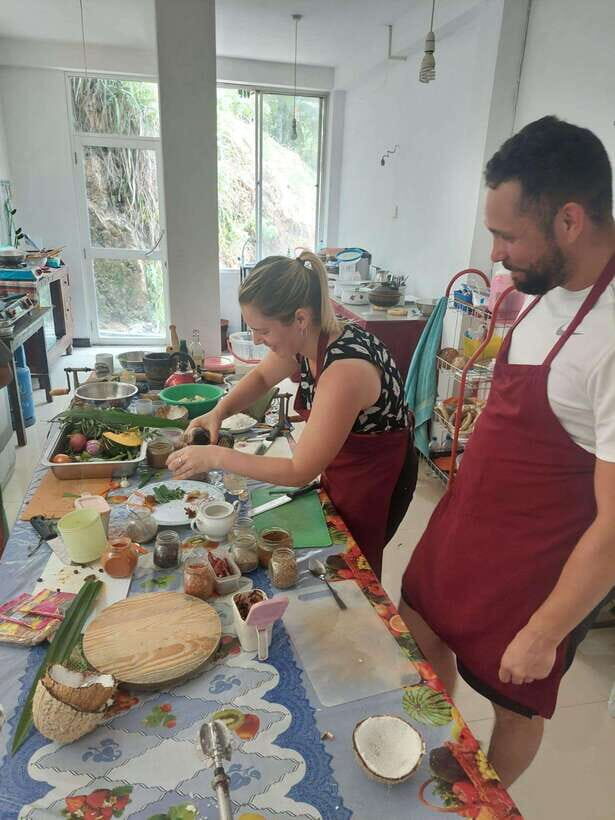
One of the most practical parts of this cooking experience is the coconut work. You don’t just see coconut used—you get involved in the process, including cracking coconuts and scraping them. From there, you’ll learn how coconut milk is prepared for use in dishes.
Why this matters: coconut milk changes texture and flavor in Sri Lankan curries and sides. You get a creamy base that helps round out heat from chilies and sharp notes from spices. If you’ve ever made curry at home and felt it turned out thin or harsh, coconut milk technique is often the missing piece.
If you’re a hands-on learner, this part is a highlight because it’s tactile. It also gives you a sense for what fresh ingredients do compared with what you might buy in a carton.
Tip for your shopping list mindset: once you learn how fresh coconut milk is made, you can make better choices at home—when to use canned versus when to blend fresh, and how to adjust richness.
The full menu: rice plus multiple curries and sides
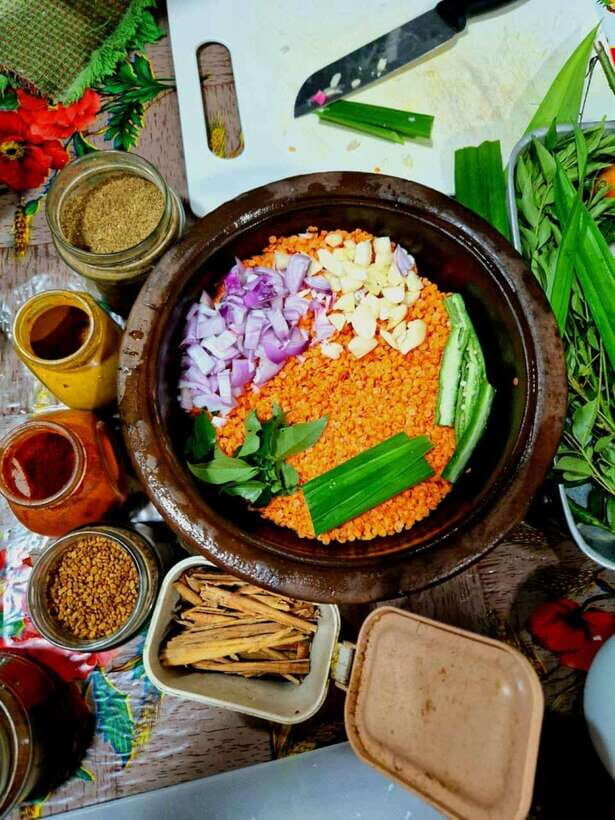
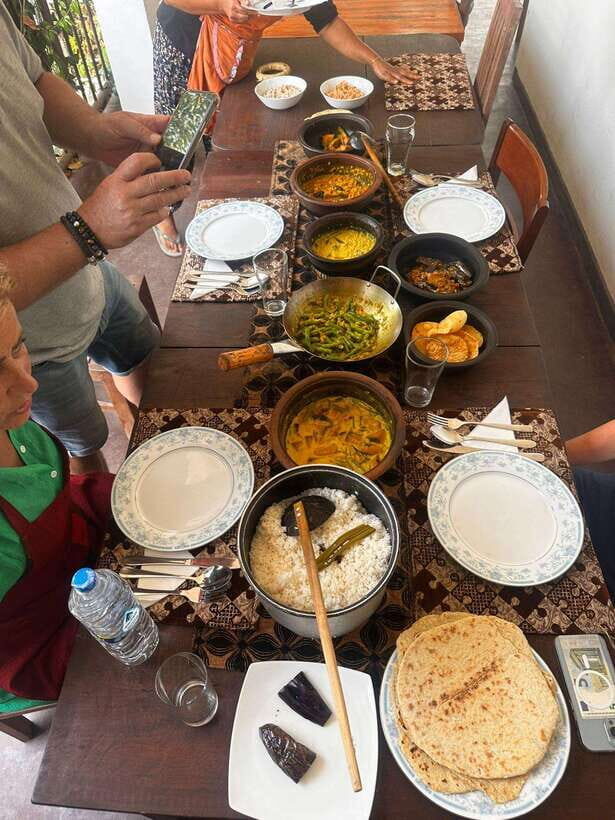
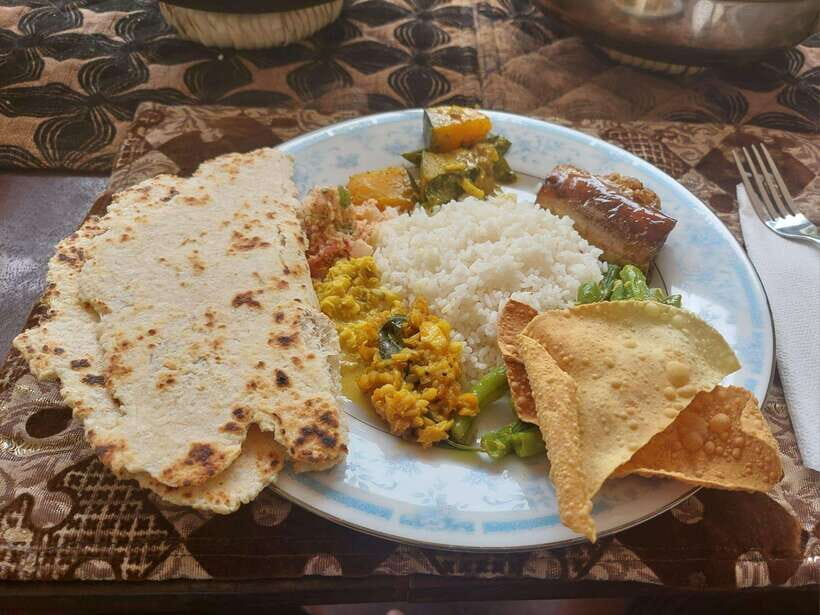
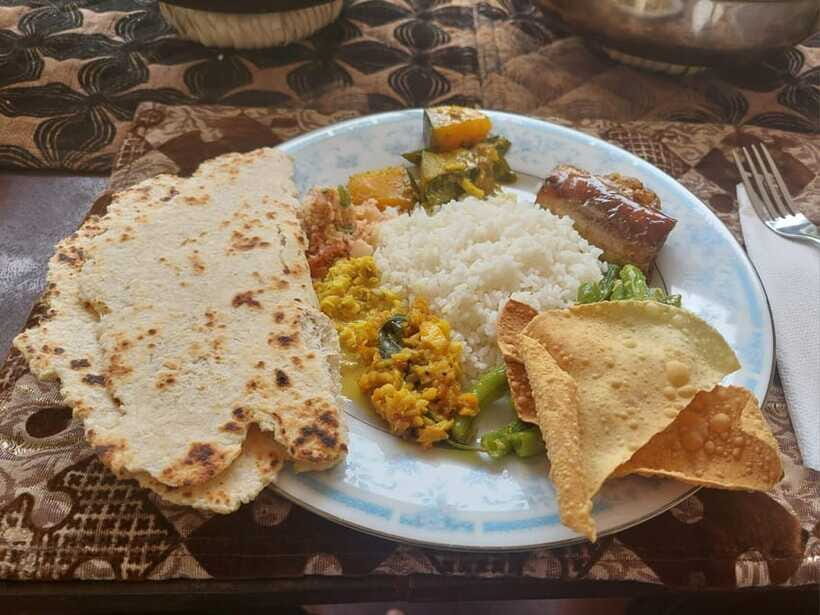
By the time you sit down to eat, you’ll have learned a set of dishes that make up a proper Sri Lankan meal. The menu includes:
- Rice
- Aubergine modju
- Dhal curry
- Pumpkin curry
- Beans curry
- Coconut sambal
- Coconut rotti
- Papadam
Each dish teaches a different kind of cooking logic.
Rice: the simple anchor
Rice sounds basic, but in rice-and-curry cooking it’s the anchor. Getting rice right means your curries don’t have to do everything. When rice is cooked properly, even a strong curry becomes balanced instead of overpowering.
Other cooking classes in Ella Sri Lanka


Aubergine modju: learning curry texture and bite
Aubergine modju is a good lesson dish because eggplant can behave differently depending on how it’s cooked—soft, smoky, or stew-like depending on timing and how the curry is built. You’ll practice shaping the dish so the eggplant holds up long enough to become tender without turning into mush.
Dhal curry: spice layering that works every day
Dhal curry teaches how legumes absorb flavor. It’s also forgiving when you’re learning. If you follow the spice approach you learn in the class, dhal becomes a pattern you can repeat at home with lentils and split peas.
Pumpkin curry and beans curry: sweetness and earthiness
Pumpkin curry brings sweetness and body. Beans curry adds earthy, green notes and a different texture challenge. Together, these dishes help you understand how Sri Lankan curries aren’t all the same heat level—they balance sweetness, earthiness, and spice.
Coconut sambal: the spicy-creamy side
Coconut sambal is where coconut and heat meet. Sambals often taste simple, but they depend on the right balance of coconut richness and spice punch. This is a dish you can learn for everyday use because it’s a side that wakes up rice and makes leftover curry taste new.
Coconut rotti: moving from sauce to bread
Coconut rotti is one of the best parts of the class because it teaches technique, not just flavor. You’re working with dough and cooking it so it stays pliable and tastes properly coconut-forward. It’s also the kind of dish you can serve at home when you want something beyond plain rice.
Papadam: the crunchy finish
Papadam rounds out the plate with crunch. Even though it’s not the centerpiece, it’s an important taste contrast. Crunch changes how curry feels in your mouth, and it makes the whole meal feel complete.
Hands-on roles: you won’t just watch
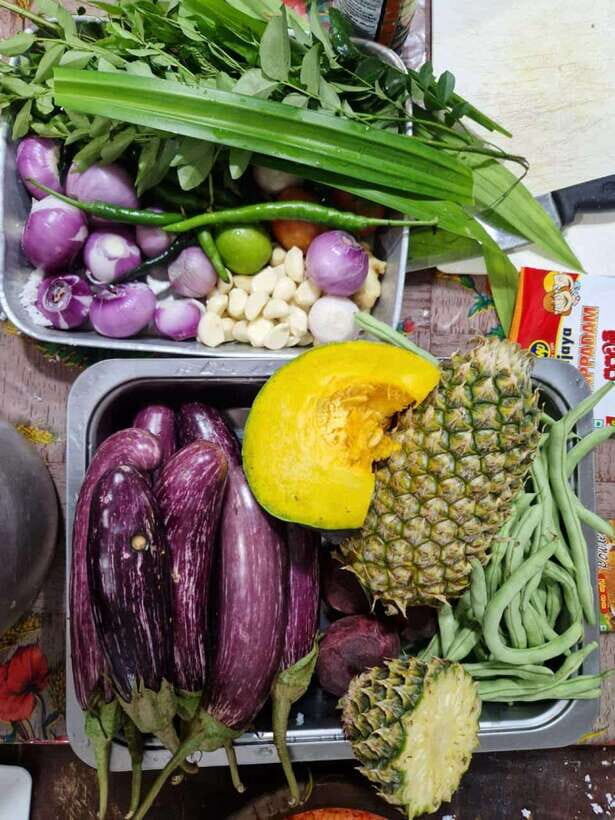
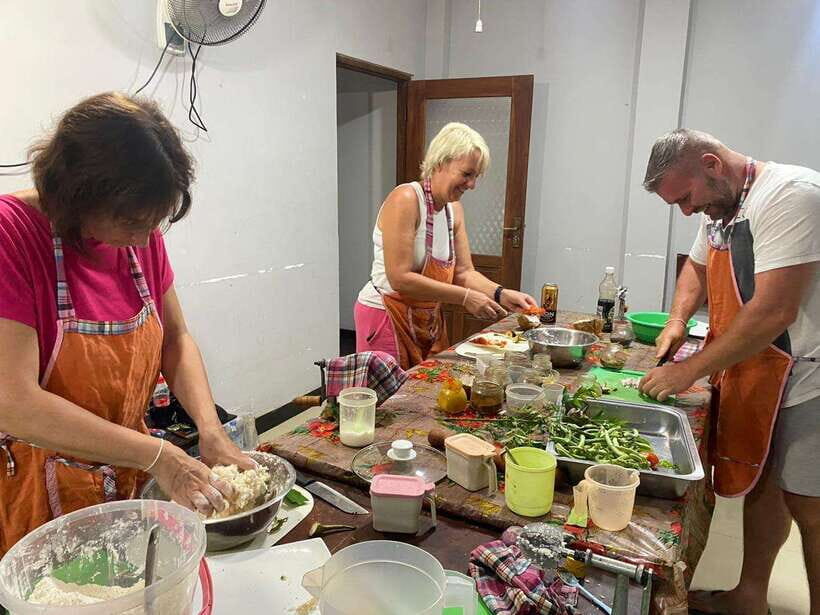
This isn’t a passive workshop. The class is built around getting everyone doing something—stirring, chopping, mixing, assembling, and cooking along the way. In a small group, Ruwini can rotate roles so you get real practice rather than only one step.
I like that because it keeps you from ending the class knowing only one thing. Instead, you learn a series of techniques and flavor decisions that connect. That also explains why people rate this class so highly: you go home with a meal in your memory and skills you can actually repeat.
If you’re traveling with someone, this layout can be a fun challenge too. You can learn together, then compare notes while you eat.
The end meal: eating what you cooked in the same sitting
After cooking, you sit down to eat the meal you prepared. This part matters because it turns cooking from a task into a full experience. When you taste your own work, you immediately understand what was balanced and what needs adjusting. You’ll notice how rice handles heat, how sambal changes the flavor of curry, and how the roti works as a vehicle for scooping.
The class is designed for a shared table vibe. Since it’s a small group, it can feel social without turning into a loud party. And if you’re the type who likes to talk while eating, you’ll likely have an easy time connecting with the other participants during the meal.
Vegetarian needs are handled with care as long as you tell the host in advance. If you’re vegetarian, don’t guess—send your dietary restrictions ahead of time so the menu and roles can be adjusted appropriately.
Recipes by email: what you get after class (and why it counts)
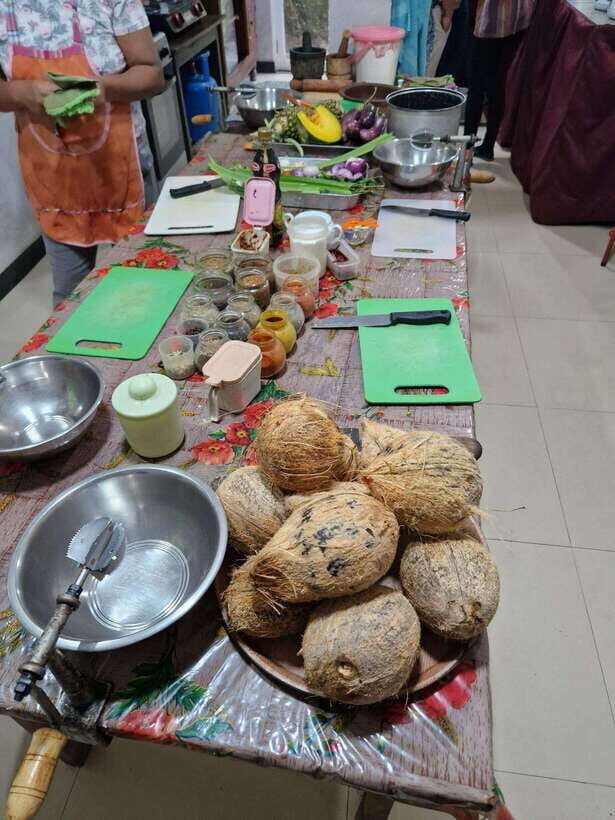
At the end of the class, you receive recipes for what you cooked. This is more than a nice souvenir. Recipes by email help you reconstruct the flavor steps when the memory of the day starts to fade.
One of the strong notes from past participants is that the recipes arrive quickly after class. Another helpful point: the host can suggest substitute options for Sri Lankan ingredients you might not find at home. That’s huge. A recipe that depends on one hard-to-find ingredient is only half useful. Practical substitution advice makes these dishes realistic to cook again.
If you want to repeat the menu, start with a curry you felt most confident cooking, then build outward to coconut sambal and coconut roti once you’re comfortable.
Price and value for $22 in Eastern Province
At $22 per person for a 2-hour hands-on class, the value looks strong when you compare what’s included. You’re paying for:
- Instruction from an experienced home cook (English-speaking)
- A spice intro plus guided cooking across multiple dishes
- All ingredients and equipment
- The full meal you cook, including papadam
- Recipe delivery via email
- Upcountry black tea upon request
The main cost you’ll need to factor in is transportation, since it’s not included. For most people, that’s the only real “extra” expense. If you’re already budgeting for a short activity in the Ella/Eastern Province area, this kind of class often hits the sweet spot: it’s not a half-day tour, but you still get a meaningful cultural meal experience.
The best value angle is the skill output. You leave with techniques and a flavor framework you can apply again, not just a list of dishes you tried once.
Practical tips so you cook well and enjoy more
A few small things can make a big difference in a hands-on cooking class.
Wear clothes you can get a little warm and messy in. Stove heat plus spice work is part of the experience, especially when coconut is involved.
Bring your dietary questions early. The class asks you to inform the host of any dietary restrictions or allergies in advance, and vegetarian adjustments have been reported as being handled well.
When you’re choosing dishes to learn most deeply, pay attention to what feels tricky: coconut roti technique, eggplant timing, or getting the right balance of coconut and spice in sambal. Those are the areas that will show up later when you try again at home.
Finally, if Sri Lankan ingredients are a concern for you, ask for substitutes during class. The host’s guidance on alternatives is part of what makes these recipes more usable.
Should you book Honey Bee Garden’s Sri Lankan cooking class?
Book it if you want a real home-style Sri Lankan meal and you like learning by doing. The combination of hands-on cooking, the coconut-heavy prep work, and the structured menu (rice, several curries, coconut sambal, coconut roti, papadam) is exactly what makes this class memorable.
Skip it only if you strongly prefer watching over participating or you don’t want to deal with transportation to a private home. Also, if you’re expecting a slow, day-long cooking school, know that this is a focused 2-hour session.
If your goal is to go beyond eating curry and actually understand how to make it, this class is a very solid choice.
FAQ
What dishes will I learn to cook?
You’ll cook rice, aubergine modju, dhal curry, pumpkin curry, beans curry, coconut sambal, coconut rotti, and papadam. You’ll also eat the dishes you prepare at the end.
How long is the cooking class?
The duration is 2 hours.
Where is the class held?
The class is held in a traditional Sri Lankan home in Eastern Province, Sri Lanka.
What is the group size?
It’s a small group limited to 10 participants.
Is the class taught in English?
Yes, the instruction is in English.
Is transportation included?
No, transportation to and from the cooking class location is not included.
Can I request tea?
Yes, upcountry black tea is included upon request.
Can the class accommodate dietary restrictions?
You should inform the host of any dietary restrictions or allergies in advance. Vegetarian catering has been noted as a positive part of the experience.
Are recipes provided after the class?
Yes. You’ll receive recipes via email after the class.