REVIEW · ELLA SRI LANKA
Ella: Sri Lankan Cooking Class with Neranji at Homestay
Book on GetYourGuide →Operated by Cook with Neranji · Bookable on GetYourGuide
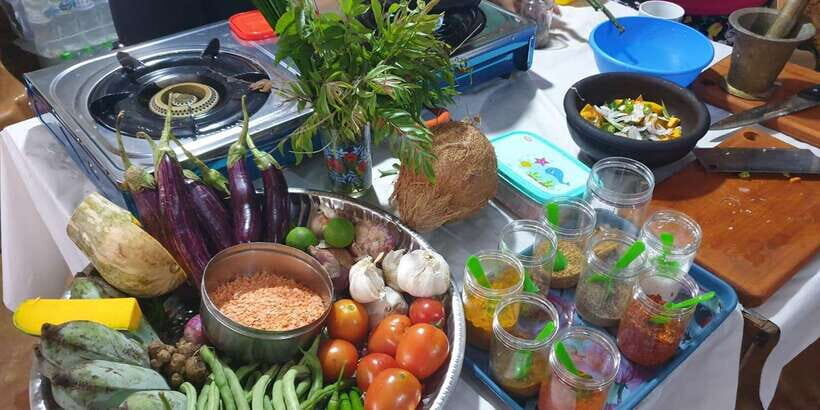
Spices can turn a dinner into a lesson. In Ella, you cook in Neranji’s home kitchen with a small group, using seasonal produce and traditional Sri Lankan spices. You’ll choose from curries, salads (sambol), and roti, and you’ll learn the why behind the flavors, not just the steps.
What I love most is how hands-on it feels: you chop, prep, cook, and taste as you go, guided by a local chef who cooks for real life, not a stage. The meal you make is the payoff, and you also take home recipes and special spices/ingredients. One big consideration: it’s not suitable for people with food allergies, so be careful if you need strict ingredient control.
In This Review
- Quick highlights
- Ella’s Homestay Kitchen Class With Neranji: What You’re Really Paying For
- Picking Your Dishes: Curries, Sambol, Roti, and the Optional Specialty Requests
- Inside Neranji’s Kitchen: Spices, Coconut Milk, and Traditional Methods You Can Copy
- A Typical 2–3 Hour Flow: From Welcome to Your Final Feast
- Value and Logistics: $19, Small Groups, and How to Plan Your Arrival
- Who This Class Fits Best (and Who Should Be Careful)
- Should You Book This Ella Sri Lankan Cooking Class With Neranji?
- FAQ
- Where do I meet for the cooking class in Ella?
- How long is the Ella Sri Lankan cooking class?
- How many people are in the group?
- What kinds of dishes can I cook?
- Do I get recipes and spices to take home?
- Can I request the specialty dishes like banana flower curry or coconut rotti?
- Is transportation included to and from the class?
- What languages are used during the class?
- Is the class suitable if I have food allergies?
Quick highlights
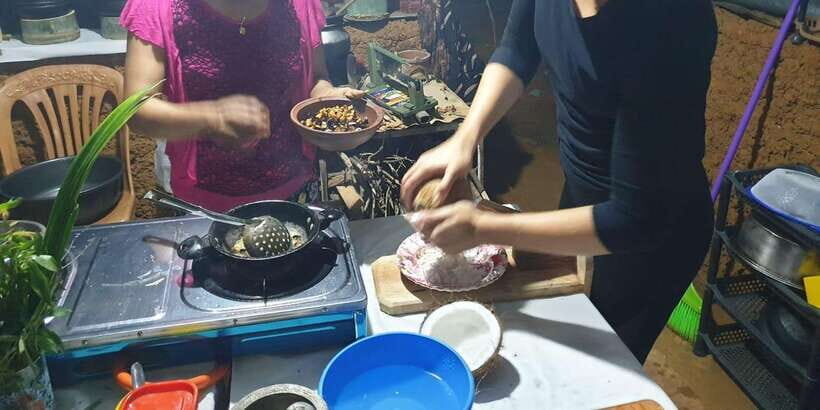
- Cook with seasonal ingredients in Neranji’s home kitchen in Ella
- Hands-on spice and method practice, from coconut milk basics to curry building
- Choose your own menu, with a mix of curries, sambol, papadom, and roti options
- Take home recipes plus spices/ingredients, so you can repeat it later
- Small group size (up to 10) keeps the class interactive and not rushed
- Special dishes can be arranged, if you ask at least 24 hours ahead
Ella’s Homestay Kitchen Class With Neranji: What You’re Really Paying For
This class isn’t about watching someone else cook while you take notes. It’s built around you learning the patterns of Sri Lankan cooking: how spices bloom, how coconut milk changes the texture, and how the balance of sour, sweet, salty, and heat gets dialed in dish by dish.
At $19 per person for a 2–3 hour session, the value is mainly in three things. First, you’re working in a home kitchen with a real cook, so you get practical technique. Second, you get a finished meal at the end, using the dishes you made. Third, you leave with recipes and spices/ingredients, which matters if you’re trying to recreate flavors at home instead of just collecting a memory.
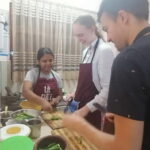
The small group limit (up to 10 people) is also a big deal. With this kind of food, timing matters. If everyone is waiting for the cook, the class becomes passive. Here, the setup encourages everyone to participate and keep moving.
Other Ella tours we've reviewed in Ella Sri Lanka


Picking Your Dishes: Curries, Sambol, Roti, and the Optional Specialty Requests
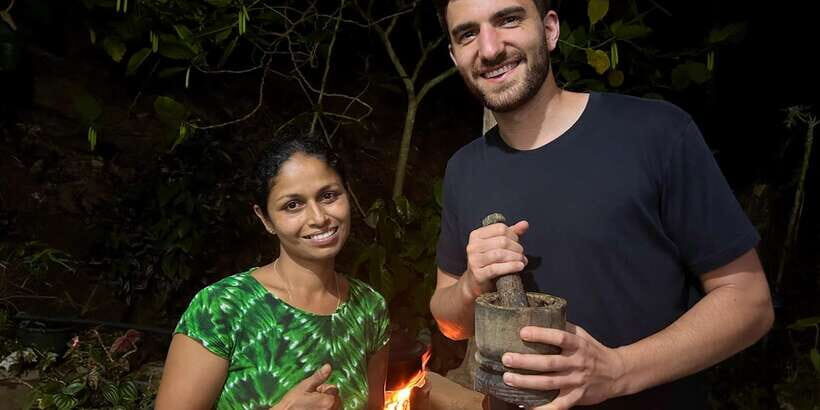
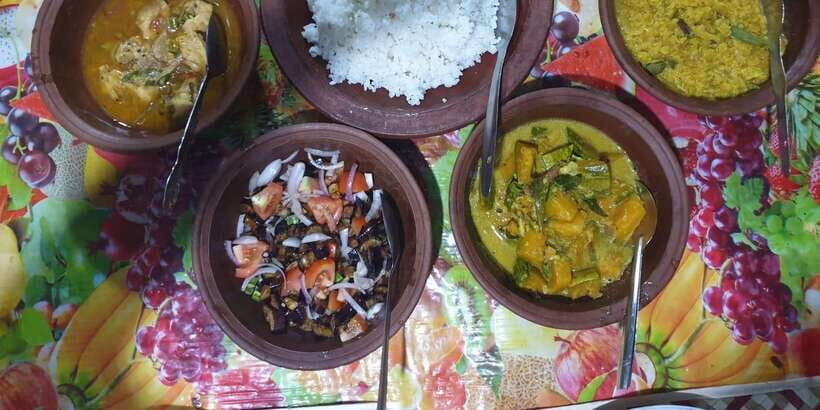
You get to choose from a menu of classic Sri Lankan dishes. The commonly offered options include curries like potato, dhal (lentils), pumpkin, beans, fish curry, and chicken curry. You can also choose sambol-style dishes and sides such as eggplant salad, papadom, and carrot sombol. Coconut sombol is on the list too.
Then there’s the “special dish” tier—options that need a little extra coordination. If you want banana flower curry, jackfruit curry, sweet onion curry, mango curry, or coconut rotti, you need to tell the provider at booking or by email, at least 24 hours ahead. The reason is simple: they need time to organize the ingredients.
Here’s how to think about your choices when booking:
- If you want broad Sri Lankan basics, pick one curry plus one salad/sambol and one roti.
- If you want to impress yourself later, prioritize the dishes that use the most distinctive techniques (coconut milk curries and sambol flavor mixing).
- If you’re unsure, go with the classics listed (dhal, pumpkin curry, eggplant salad) since you’ll likely see more repeatable patterns you can recreate at home.
If you like spice control, you’ll probably appreciate that Neranji explains the cooking process clearly and involves the group. Several people specifically highlight that she adjusts to the group and keeps things interactive.
Inside Neranji’s Kitchen: Spices, Coconut Milk, and Traditional Methods You Can Copy
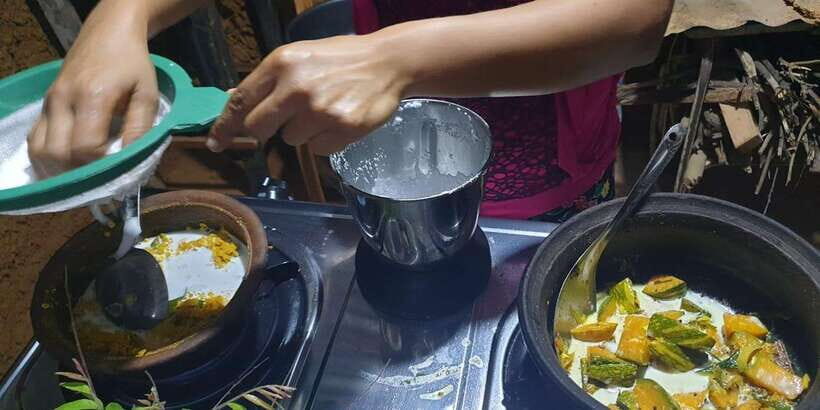
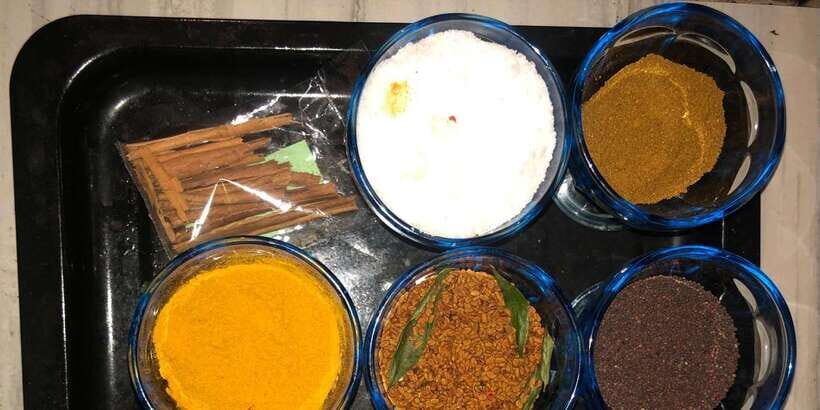
The core lesson is about Sri Lankan flavor logic. You’ll work with traditional spices and local ingredients, and you’ll learn how dishes are built through prep and cooking steps, not just seasoning at the end.
Expect a lot of practical instruction around:
- How spices are prepared and handled during cooking
- How coconut milk is made and used to shape curries
- How the balance of flavors gets set for salads/sambol and curry bases
Coconut milk is one of those skills that can change your whole cooking at home. When you understand how it’s made and when it’s added, you stop guessing and start controlling the final texture. In the class atmosphere, that kind of step-by-step guidance makes a difference—especially if you’re not an experienced cook.
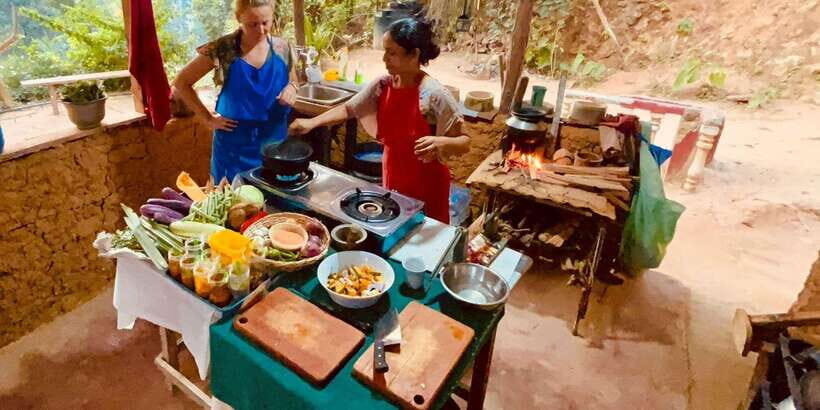
You’ll also notice that the class includes both traditional and more modern kitchen realities. Some participants mention learning older techniques alongside practical current-day methods, which makes the recipes feel doable rather than museum-like.
And because this is a home setup in Ella, it’s not sterile. You get that real kitchen feel: your task list feels like dinner prep, not a cooking show. The outdoor kitchen view is another detail that comes up in feedback, and it helps the whole thing feel relaxed while still being hands-on.
A Typical 2–3 Hour Flow: From Welcome to Your Final Feast
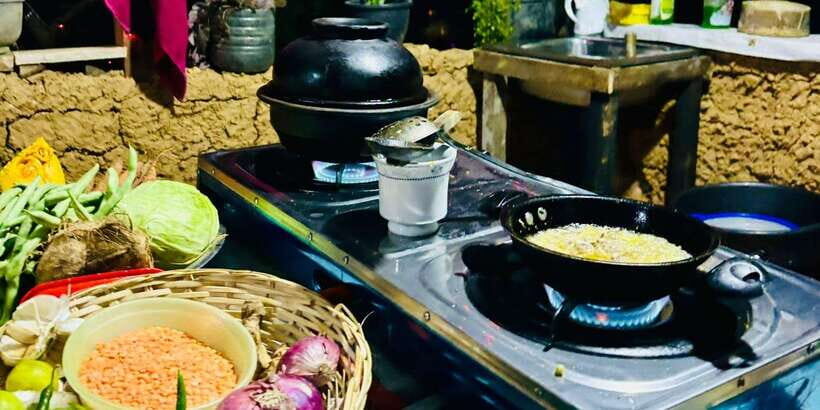
You’re meeting Neranji in her kitchen at home in Ella for a cooking class that lasts 2–3 hours. The exact start time depends on availability, but the rhythm of the class is consistent: choose dishes, prep ingredients together, cook, then eat everything you made.
A smooth way to picture the timing:
- Welcome and menu choice: You confirm what you’ll cook from the available options.
- Ingredient prep: You chop and prepare items for the dishes you picked.
- Spice and technique instruction: Neranji demonstrates key steps and explains the spice work and cooking methods.
- Cooking together: You cook parts of the meal as a group, with clear guidance throughout.
- Taste and adjust: You learn what changes when you tweak spice timing or balance.
- Sit down and eat: The meal is the final “class” moment. You eat what you cooked, in a friendly home-kitchen setting.
- Take-home wrap-up: You receive recipes for the dishes prepared and special spices/ingredients to take home.
In reviews, people repeatedly mention that the instruction is simple, clear, and interactive, and that nobody leaves hungry. That last part matters. Cooking classes sometimes end with a few bites and a cold packet of spices. Here, the class is built to function as dinner.
One more small but useful touch: some participants mention getting recipes afterward via WhatsApp. If that happens for you, it’s a nice backup so you can re-create the dishes without relying on memory alone.
Value and Logistics: $19, Small Groups, and How to Plan Your Arrival
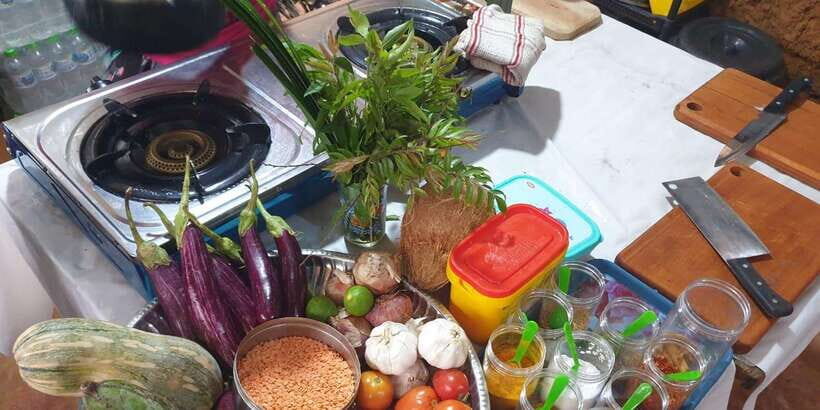
Let’s talk logistics in plain terms, because they affect how enjoyable this class feels.
Transportation is not included. You’ll need to get yourself to the homestay location and then figure out what happens after the class. Since the meeting point may vary depending on the option booked, check your specific details before you go. Plan to arrive a few minutes early if possible, since the whole session runs on prep timing.
The group size (limited to 10) keeps things comfortable. You won’t feel like you’re shoulder-to-shoulder in a big class kitchen. That matters for learning spices and for hands-on steps like chopping, mixing sambol, and moving between stovetop tasks.
On the price, $19 per person for 2–3 hours, recipes, and special spices/ingredients is strong value if you do two things:
- You actually want to cook afterward, not just eat.
- You want a guided lesson tied to a real finished meal.
If you’re only after a quick snack and zero kitchen work, a cooking class may not feel worth it. But if you like food, textures, and spices, this is one of the most practical ways to leave Ella with skills.
Other Sri Lankan cooking classes we've reviewed in Ella Sri Lanka

Who This Class Fits Best (and Who Should Be Careful)
This is a great fit if you:
- Like hands-on cooking and want to learn a method you can repeat
- Want an authentic Sri Lankan meal that’s not stuck behind a menu or restaurant curtain
- Enjoy talking with other people while you cook, since it’s a small group format
- Want to learn with a local home cook, not a formal classroom
It’s not a good fit if you have food allergies. The activity data is explicit that it’s not suitable for people with food allergies, so don’t book this if you need strict allergen control.
Also, if you hate chopping and prep, be aware that the class includes participation in ingredient prep. The payoff is the dinner, but it’s still a working cooking class.
Language-wise, Neranji/instructor communicates in English and Singhalese. That makes it easier for most visitors, and it’s part of why the explanations tend to land clearly.
Should You Book This Ella Sri Lankan Cooking Class With Neranji?
Book it if you want more than a meal. This is a practical Sri Lankan cooking experience that teaches techniques you can reproduce: spice handling, curry building, coconut milk basics, and sambol flavor logic. The fact that you take home recipes and special spices/ingredients makes it feel like real value, not a one-night event.
Skip it only if food allergies are part of your situation, or if you want something low-effort. Otherwise, it’s one of the smartest ways to spend a few hours in Ella: you’ll cook, you’ll eat, and you’ll leave with a menu you can recreate.
If you’re considering one of the specialty dishes (banana flower curry, jackfruit curry, sweet onion curry, mango curry, coconut rotti), plan ahead and message to request it at least 24 hours before. That’s the small move that helps everything run smoothly.
FAQ
Where do I meet for the cooking class in Ella?
The meeting point may vary depending on the option booked, so you should confirm your specific pickup/meeting instructions before the session.
How long is the Ella Sri Lankan cooking class?
The class lasts 2–3 hours.
How many people are in the group?
It’s a small group limited to 10 participants.
What kinds of dishes can I cook?
You can choose from curries, salads/sambol, and roti. Options listed include curries like potato, dhal, pumpkin, beans, fish, or chicken curry, plus dishes like eggplant salad, papadom, carrot sombol, and coconut sombol.
Do I get recipes and spices to take home?
Yes. The class includes recipes for all dishes prepared, and special spices and ingredients for participants to take home.
Can I request the specialty dishes like banana flower curry or coconut rotti?
Yes, but you need to inform the provider by email or at the time of booking at least 24 hours in advance so they can organize the ingredients.
Is transportation included to and from the class?
No. Transportation to and from the cooking class location is not included.
What languages are used during the class?
The instructor communicates in English and Singhalese.
Is the class suitable if I have food allergies?
No, the class is not suitable for people with food allergies.