REVIEW · ELLA SRI LANKA
Private cooking class – Personalized classic menu
Book on GetYourGuide →Operated by Sweetvalley Cooking School · Bookable on GetYourGuide
Spice and laughter happen in the kitchen. This private Sri Lankan cooking class feels personal from the start, because you build the menu around your preferences and pace. You also get the cultural side of the food, not just a recipe list.
I especially like the hands-on way they teach Sri Lankan cooking techniques. You’re not stuck watching from the sidelines—you cook, ask questions, and learn why curry paste works the way it does.
One thing to consider: this is a 3-hour session, so it’s active. If you want slow, step-by-step cooking with lots of downtime, you’ll need to ask for a gentler pace when you plan your menu.
In This Review
- Key highlights you’ll feel right away
- A private home-style class with a modern kitchen setup
- How the tailor-made menu works (and how to use it)
- What to consider when planning
- The curry paste lesson: color, aroma, and the reason behind it
- What you’ll cook in 3 hours: starters, mains, snacks, desserts
- Traditional methods taught with modern-kitchen shortcuts
- The teaching vibe: warm hosts, calm explanations, real Q&A
- English instruction and private pacing
- Hotel pickup and drop-off: how the logistics feel on the ground
- Price and value: $42 per person for a full cooking experience
- Who should book Sweetvalley Cooking School’s class
- Practical tips for your cooking day in Sri Lanka
- Should you book this private cooking class?
- FAQ
- FAQ
- How long is the private cooking class?
- Is this a private group or a shared class?
- Is the instructor English-speaking?
- What’s included in the price?
- Can the menu be changed for dietary restrictions?
- Do you learn how to make Sri Lankan curry paste?
- What are the cancellation and payment options?
Key highlights you’ll feel right away
- Tailor-made menu for your tastes so you’re not stuck with someone else’s idea of a meal
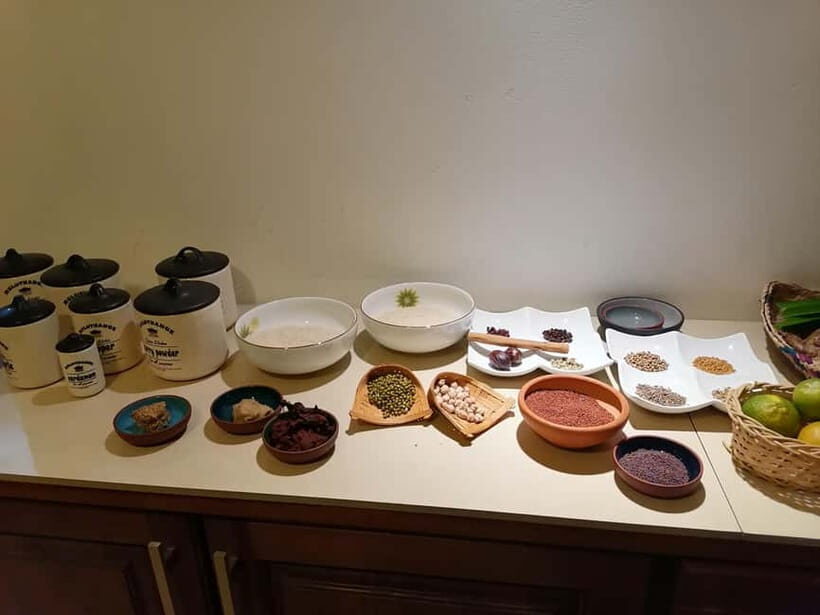
- Curry paste workshop focused on spices, color, aroma, and traditional method basics
- You cook a full meal set that can include starters, mains, snacks, and desserts
- Traditional techniques + modern kitchen tips for easier cooking later at home
- Diet-friendly options including vegan and gluten-free, plus vegetarian requests
- Home-style hospitality with warm, conversation-friendly teaching from the hosts
A private home-style class with a modern kitchen setup
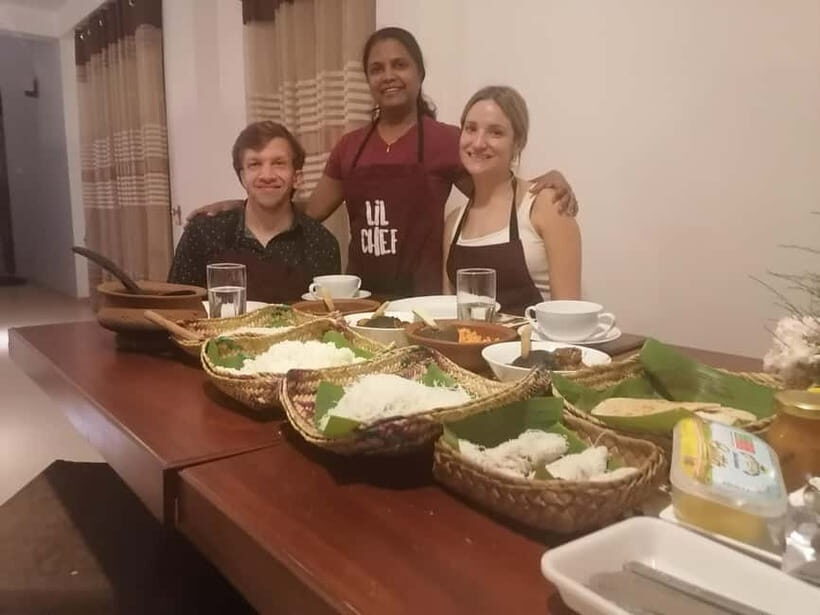
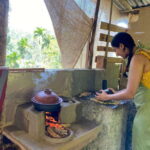
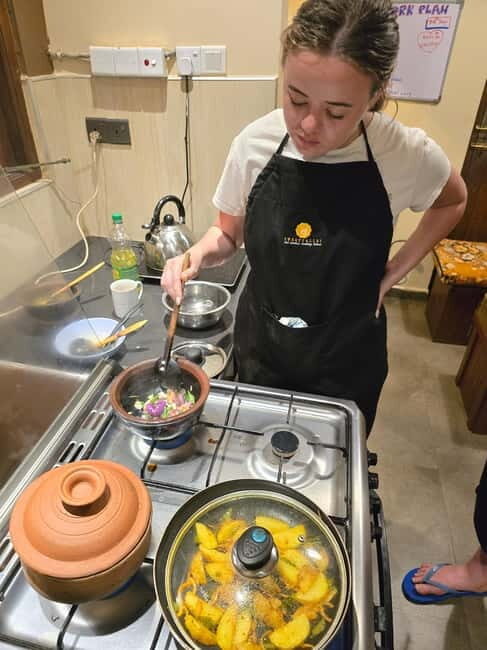
This experience is built for intimacy. It’s a private group format, run as a true cooking school experience, but it comes across like learning inside a real home. That matters because Sri Lankan cooking often depends on feel—texture, smell, and timing—so a relaxed environment helps you get it right faster.
The kitchen is modern, but you’re still guided through traditional methods. That combination is one of the smartest ways to learn: you get the cultural logic of the dish, then you see how to reproduce it in a kitchen you’re more likely to have at home.
If you’re coming from Ella or nearby areas, it also has that “local host” energy people look for when they want more than a demonstration.
Other Sri Lankan cooking classes we've reviewed in Ella Sri Lanka
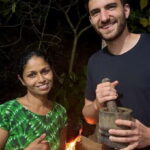

How the tailor-made menu works (and how to use it)
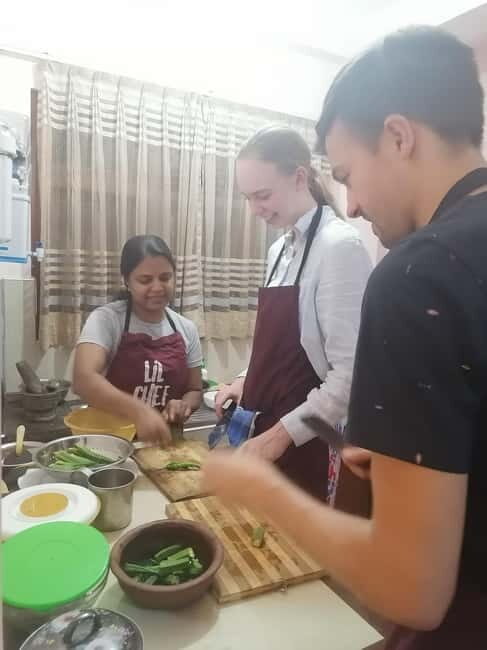
Before the class, you can discuss your preferences and dietary restrictions. The goal is simple: you end up cooking meals you actually want to eat, at a pace that fits you, within the 3-hour time window.
This is a big deal for two reasons. First, you’ll stay engaged because the food matches your tastes. Second, you leave with techniques you can reuse, instead of dishes you didn’t care for in the first place.
The menu can be adapted for authentic vegan and gluten-free meals. In real sessions, people have requested vegetarian menus and specific dishes they wanted to learn, and the menu adjusted accordingly. That’s exactly what you want from a private class: flexibility without turning it into chaos.
What to consider when planning
Think about what “classic menu” means for you. Sri Lankan cuisine has a lot of variety—curries, sambals, flatbreads, and snacks—and the class is designed to cover several parts of a meal, not just one dish. If you’re a beginner, it helps to name 1–2 dishes you’re most curious about, plus a general preference (mild/medium/spicy).
The curry paste lesson: color, aroma, and the reason behind it
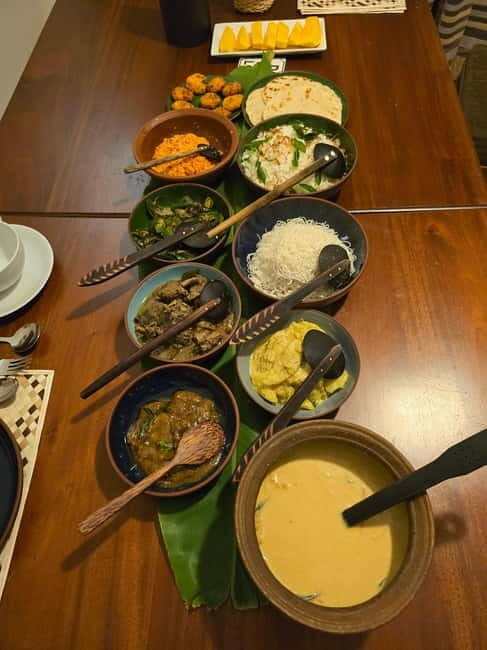
If you only remember one concept from the class, make it curry paste. Sri Lankan culinary culture treats curry paste as the foundation for flavor—color, taste, and aroma all start here. And in this session, you don’t just talk about it. You prepare curry paste using spices, following traditional methods.
That spice work is where the learning becomes practical. When you understand the paste, you stop relying on luck or bottled shortcuts. You also learn how changes in spice handling—dry roasting, grinding consistency, and blending—can affect the final curry.
In past sessions, groups have worked on multiple dishes and still kept the curry paste focus central. That’s a good sign: the class is built so the paste isn’t an isolated segment. It supports everything else on your plate.
What you’ll cook in 3 hours: starters, mains, snacks, desserts
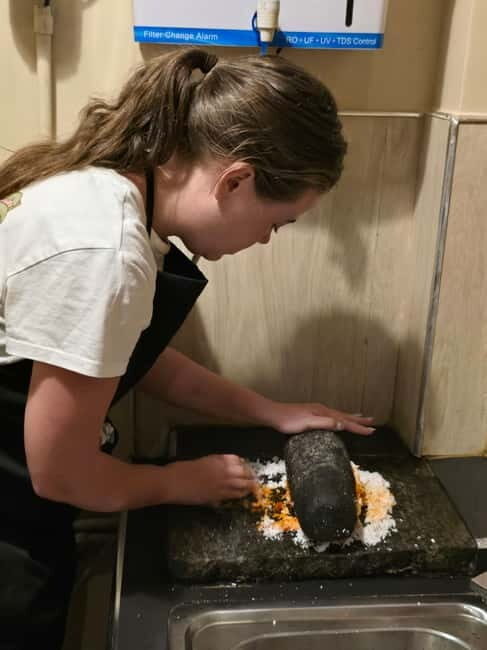
The class is designed to cover a classic spread. While the exact dishes depend on what you request, the structure is consistent: you’ll make starters, main meals, snacks, and desserts. In other words, you get a full Sri Lankan meal experience rather than a single highlight dish.
Based on what people have cooked in prior sessions, menus can include things like curries, roti, sambal, and Sri Lankan rice-based snacks such as string hoppers. Dessert coverage can also appear in the menu, which is helpful if you want the full range of sweet and spice.
A couple of useful reality checks before you book:
- Expect to cook multiple components. One recent session included around 10–11 dishes, but it was split into two rounds so people didn’t burn out.
- You’ll likely be hands-on for most of the time, because the class is about learning by doing.
The best part is that you don’t just produce food—you eat what you make with conversation-style hospitality. That turns the meal into your tasting test, and tasting while the food is fresh makes the lessons stick.
Other private tours in Ella Sri Lanka


Traditional methods taught with modern-kitchen shortcuts
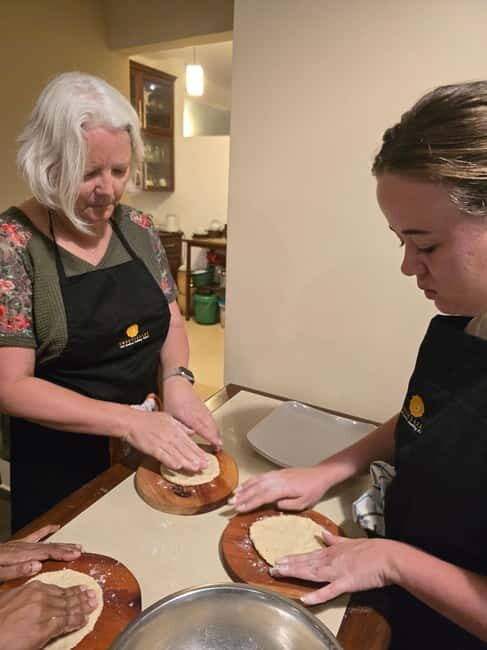
This is where the class earns its time. You learn traditional Sri Lankan methods, then you also get modern kitchen tips for repeating the dishes later.
That two-layer teaching matters because traditional methods can be specific. For example, curry paste preparation isn’t just about ingredients; it’s also about technique. Grinding consistency and spice handling can affect texture and flavor depth.
The modern kitchen guidance helps you translate those techniques without needing the exact same setup as a traditional kitchen. When you go home, you won’t be stuck thinking, I know what I cooked, but how do I reproduce it?
The teaching vibe: warm hosts, calm explanations, real Q&A
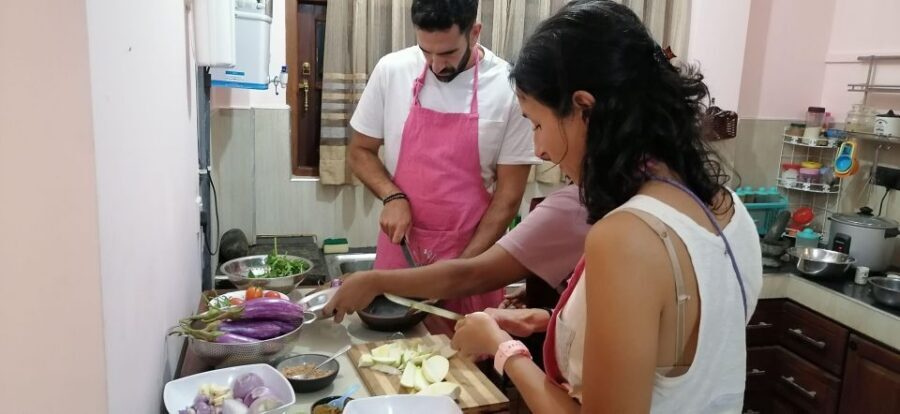
The teaching style is personal and supportive. People consistently describe the hosts as warm and well-spoken, with an easy feeling in the room—like you’ve been invited in rather than booked into a workshop.
In several sessions, people started with a natural tea before cooking aprons went on. That small ritual sets the tone. It’s low-pressure, and it gives you a moment to settle in before you start working.
What I think you’ll appreciate most is the energy they put into teaching. Explanations come with a clear sense of why you’re doing each step, not just what to do next. And you get time to ask questions during the session, which is key if you want to actually learn—not just follow.
English instruction and private pacing
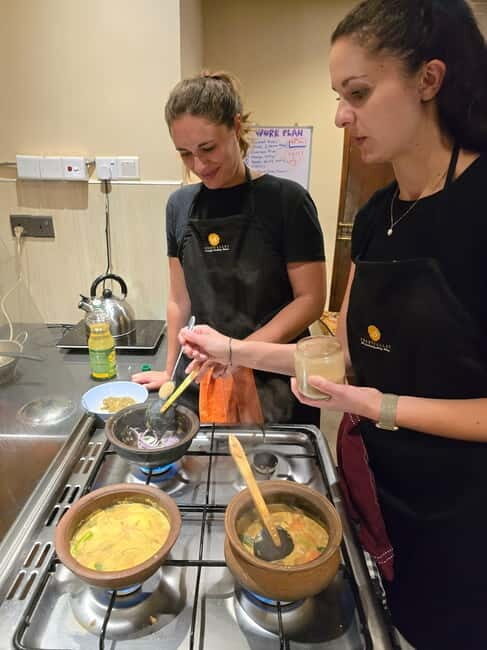
The instructor is English-speaking, and because it’s private, you’re not competing with a group schedule where everyone learns at the same speed.
That gives you room to adjust. If you want more time on chopping, mixing, or paste work, you can ask. If you want help dialing in flavor, you can focus on that. Private classes are often sold as a luxury—but here it’s really about learning control.
Hotel pickup and drop-off: how the logistics feel on the ground
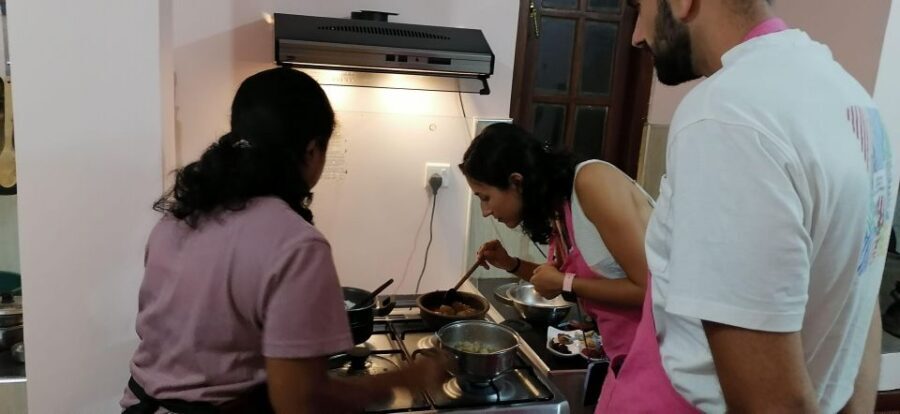
This includes hotel pickup and drop-off. In practice, that can be the difference between a relaxing day and one full of last-minute stress.
A driver calls your provided mobile number upon arrival. That small detail matters in Sri Lanka where pickup timing can sometimes feel less rigid than you expect. If you want a smooth start, keep your phone handy right before class time.
Pickup is also helpful if you’re staying outside the center of town, since the kitchen experience is the main event and you won’t have to manage extra travel.
Price and value: $42 per person for a full cooking experience
At $42 per person for about 3 hours, this class can be a very good value—especially because it’s private and includes pickup/drop-off. A lot of cooking classes either cost more and still feel like a demonstration, or they cost less but don’t include the personal tailoring that makes the learning stick.
Here’s the honest way to think about value:
- You’re paying for instruction, ingredients and cooking time, plus the cultural context around the dishes.
- You’re also paying for the flexibility to get vegan, gluten-free, or vegetarian adjustments.
- You leave with multiple dishes and techniques you can repeat later at home.
If you’re the type of traveler who wants to come home with skills—actual cooking habits, not just photos—this pricing makes sense.
If you’re only curious about one dish and don’t care about broader meal components, you might question whether a private class is worth it versus a group option. But from what this class is built to do, it’s designed to be more than one recipe.
Who should book Sweetvalley Cooking School’s class
I’d point you toward this class if:
- You want a private Sri Lankan cooking class where your menu matches your tastes and dietary needs.
- You care about spice technique, especially curry paste.
- You want a full meal experience that includes starters, mains, snacks, and dessert components.
- You like learning in a home-like atmosphere with warm hosts and real conversation.
I’d hesitate if:
- You prefer very light participation and lots of sitting time.
- You only want a single specialty dish and nothing else.
- You’re extremely short on time and the 3-hour format feels too packed.
Practical tips for your cooking day in Sri Lanka
You’ll do best if you arrive ready to participate. Here are a few things to plan for based on the class style and what people describe in their sessions:
- Wear comfortable clothes you don’t mind getting flour or spice on.
- If you have dietary restrictions, spell them out clearly during your pre-discussion so the menu can be adjusted.
- Decide your spice comfort level in advance. Sri Lankan cooking can range from mild to punchy depending on the sambal and curry paste choices.
- If you have 1–2 dishes you really want to learn—name them early. The private nature means your requests can shape the session.
And one more tip: when you eat what you cooked, take a minute to pay attention to balance—salt, heat, sourness, and aroma. That’s how you’ll remember what to tweak when you recreate it later.
Should you book this private cooking class?
If you want a Sri Lankan cooking experience that’s hands-on, tailored, and actually teaches technique, I think this is an easy yes. The combination of curry paste instruction, multiple meal components, and warm home-style hospitality makes it a strong use of a few hours.
Book it if you’re excited to cook several dishes and you value adaptability for vegan, gluten-free, or vegetarian needs. Skip it only if you want a low-effort, sightseeing-style activity where you watch more than you cook.
FAQ
FAQ
How long is the private cooking class?
The class lasts 3 hours.
Is this a private group or a shared class?
It’s a private group experience.
Is the instructor English-speaking?
Yes, the instructor speaks English.
What’s included in the price?
Hotel pickup and drop-off are included.
Can the menu be changed for dietary restrictions?
Yes. The session can be discussed in advance and tailored for dietary restrictions and meal preferences, with authentic vegan and gluten-free options available.
Do you learn how to make Sri Lankan curry paste?
Yes. The experience includes preparing curry paste from a wide selection of spices using traditional methods.
What are the cancellation and payment options?
You can cancel up to 24 hours in advance for a full refund, and you can reserve now and pay later to keep plans flexible.